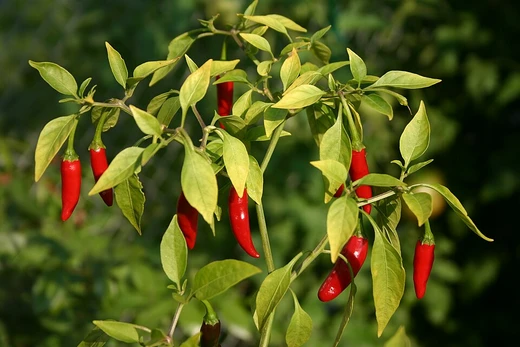
Poblano
Fresh poblano peppers are commonly stuffed and roasted in the dish chiles rellenos poblanos.[1] Originating in Puebla, Mexico, the poblano is a mild chili pepper belonging to the species Capsicum annuum.[1]
Quick Facts
- Species
- Capsicum annuum
- Origin
- Puebla, Mexico
Facts from the source article.
Key facts and history
The mulato pepper comes from a poblano pepper variety with a slightly different gene pool.[2] Both ancho and mulato are dried forms of poblano peppers from two closely related varieties.[2] The mulato's poblano has a fuller taste and darker complexion than the standard poblano.[2] From planting the seed to harvesting the fruit, a poblano pepper requires approximately 200 days, and germination demands soil temperatures of at least 64 °F (18 °C).[3]
These plants generally need full sun exposure, and during the late summer harvest, the developing fruits might need extra support.[3] In the United States, the pasilla pepper is often mistakenly referred to as "poblano", though the two are different peppers.[4]
What the cited sources add
The Pepperscale account notes that mulato poblanos are typically dried before selling due to the popularity of the mulato form.[2] To create mulato chilies, these poblano peppers are picked when they reach a dark-brown color late in their aging cycle.[2] The mulato pepper is hotter than one might expect from a poblano pepper.[2] This heat comes from the poblano variation and the time the pepper spends on the vine.[2]
References
- Wikipedia, "Poblano" (CC BY-SA 4.0), which cites: Burge, "Grow the Best Peppers: Storey's Country Wisdom Bulletin A-138", Storey Publishing, LLC, 1995, p. 10; "Ancho: Definition of Ancho in Oxford Dictionary (American English) (US)", Oxford Dictionaries (we also read that source) en.wikipedia.org
- "Mulato Pepper: The Ancho's Swarthier Cousin", Pepperscale, November 15, 2014. pepperscale.com
- Wikipedia, "Poblano" (CC BY-SA 4.0), which cites: "Growing Poblano Peppers" (original not read by us) en.wikipedia.org
- Wikipedia, "Poblano" (CC BY-SA 4.0), which cites: "Growing Poblano Peppers"; "Mulato Pepper: The Ancho's Swarthier Cousin", Pepperscale, November 15, 2014; "Pasilla vs. Poblano", Fiery-Foods.com; "Pepper, chili", CHOW (we also read that source) en.wikipedia.org
Each numbered sentence above was checked against the source it cites before publication. Sentences citing Wikipedia adapt text from the English Wikipedia article Poblano (contributors), used under CC BY-SA 4.0; this entry is available under the same licence. Other sources were used for facts only.
More in Chili Pepper Varieties
Spotted an error? Know more?
Reader corrections go straight into our review queue. Suggest an edit · How this site is sourced