Peperoncino
Italian chili pepper used for flavour over heat.
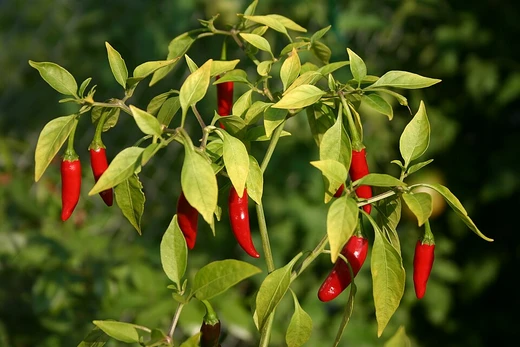
Peperoncino is the Italian term for hot chili peppers, particularly certain cultivars of Capsicum annuum and Capsicum frutescens. The fruit starts green or yellowish-green and ripens to red, and the name uses a diminutive suffix to distinguish it from the larger sweet bell pepper.
Quick Facts
- Heat
- Hot
- Scoville
- 15,000–30,000
Facts from the source article.
Did You Know?
- Since 1992 the annual Peperoncino Festival has been held in Diamante, Calabria, organized by the Accademia Italiana del Peperoncino.
- The festival lasts four days around the first weekend of September on the town's seaside promenade.
- Calabrian chili oil is a popular international export.
History
The peperoncino likely reached Italy around the 15th century, when southern Italy was under Spanish rule, arriving from the New World alongside plants like the tomato. Initially regarded as decorative and possibly poisonous, it later entered Italian cuisine. It may have been popular among lower classes long before cookbooks for the wealthy recorded it. Pietro Andrea Mattioli described peperoncini in 1568, noting their greater heat compared to Asian pepper varieties. The earliest surviving recipe using peperoncino appears in a 1694 cookbook by Antonio Latini, who combined chopped peperoncini with tomatoes, onion, peppermint, salt, and oil for a relish called salsa alla spagnola.
Culinary use
In Italian cooking, peperoncini are used sparingly, with flavour prioritized over heat, so the Scoville rating is only a rough guide. A typical Calabrian peperoncino measures 15,000 to 30,000 Scoville units. The pepper is especially central to Calabrian cuisine, where in late summer the fruits are strung on wires and hung to dry in sunny, ventilated spots for year-round use. They are eaten whole and fried, crushed, pickled, powdered, or made into a paste. Notable Calabrian preparations include bomba calabrese, chili oil, and the spreadable pork sausage 'nduja. Peperoncini also appear in other regional dishes such as Roman arrabbiata sauce and Apulian orecchiette alle cime di rapa. While most crushed red pepper in North America comes from cayenne or jalapeño, some specialty markets offer imported Italian red peperoncino flakes.
More in Chili Pepper Varieties
Spotted an error? Know more?
Reader corrections go straight into our review queue. Suggest an edit · How this site is sourced