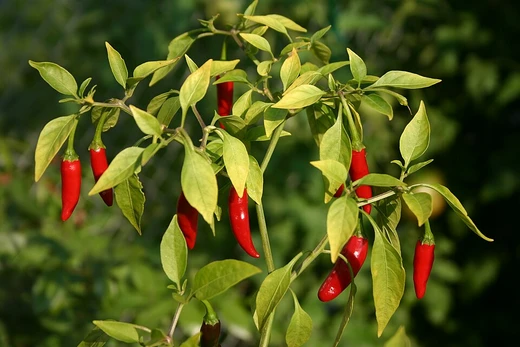
Ají dulce
In Puerto Rico it is grown commercially and used for sauces like recaíto, sofrito, and mojito isleño.[1] The Scoville scale rating for ají dulce falls between 100 and 500, and it is classified as a non-pungent chili pepper.[2][3] According to Wikipedia, ají dulce is a crucial component in Venezuelan cooking, featuring prominently in the national dish pabellón criollo.[2]
Quick Facts
- Species
- Capsicum chinense
- Origin
- Latin America and the Caribbean
Facts from the source article.
Key facts and history
The expansion of ají dulce remains a mystery, though a 1939 letter documents seeds being planted in El Tigre.[4] The variety called jobito, from the eastern zone, is the smallest and sweetest.[4] In Margarita, cultivation of other chili varieties near ají dulce fields altered some local crops.[4] The oil boom triggered the large-scale spread of ají dulce.[3]
Evidence from Romero indicates that ají dulce has been part of the diet in the region since pre-Columbian times.[3] José Rafael Lovera, a gastronome and historian, explained that ají dulce became part of local cooking because it is a component of sofrito, which also includes garlic, onion, cebollín, and pimentón.[3] Víctor Moreno, a cook, described ají dulce as the "pasaporte venezolano" and a calling card for the country's cuisine.[3]
What the cited sources add
Yonekura also states that ají dulce, like all domesticated plants, depends on humans to continue its development.[4] Romero's 2020 article notes a debate among many cooks about whether the local cuisine is possible without ají dulce; Franz Conde argues that ingredients are conceptual and that high-quality local food can be made without it.[3] Romero notes that dishes such as hallaca, and others, are traditionally accompanied by ají dulce.[3] Yonekura's 2020 article explains that no certified seeds are being produced for ají dulce in the country, leaving production to small and medium farmers.[4]
References
- Wikipedia, "Ají dulce" (CC BY-SA 4.0), which cites: Mangan, "Ají dulce", World Crops (original not read by us) en.wikipedia.org
- Wikipedia, "Ají dulce" (CC BY-SA 4.0), which cites: Romero, "¿Por qué comemos ajíes?", El Estímulo, 27 April 2020; Yonekura, "Ají dulce: identidad venezolana en un ingrediente inmigrante", El Estímulo, 11 November 2020 (we also read that source) en.wikipedia.org
- Romero, "¿Por qué comemos ajíes?", El Estímulo, 27 April 2020. elestimulo.com
- Yonekura, "Ají dulce: identidad venezolana en un ingrediente inmigrante", El Estímulo, 11 November 2020. elestimulo.com
Each numbered sentence above was checked against the source it cites before publication. Sentences citing Wikipedia adapt text from the English Wikipedia article Ají dulce (contributors), used under CC BY-SA 4.0; this entry is available under the same licence. Other sources were used for facts only.
More in Chili Pepper Varieties
Spotted an error? Know more?
Reader corrections go straight into our review queue. Suggest an edit · How this site is sourced