
Cinq à sept
A French term for after-work socializing or a tryst.

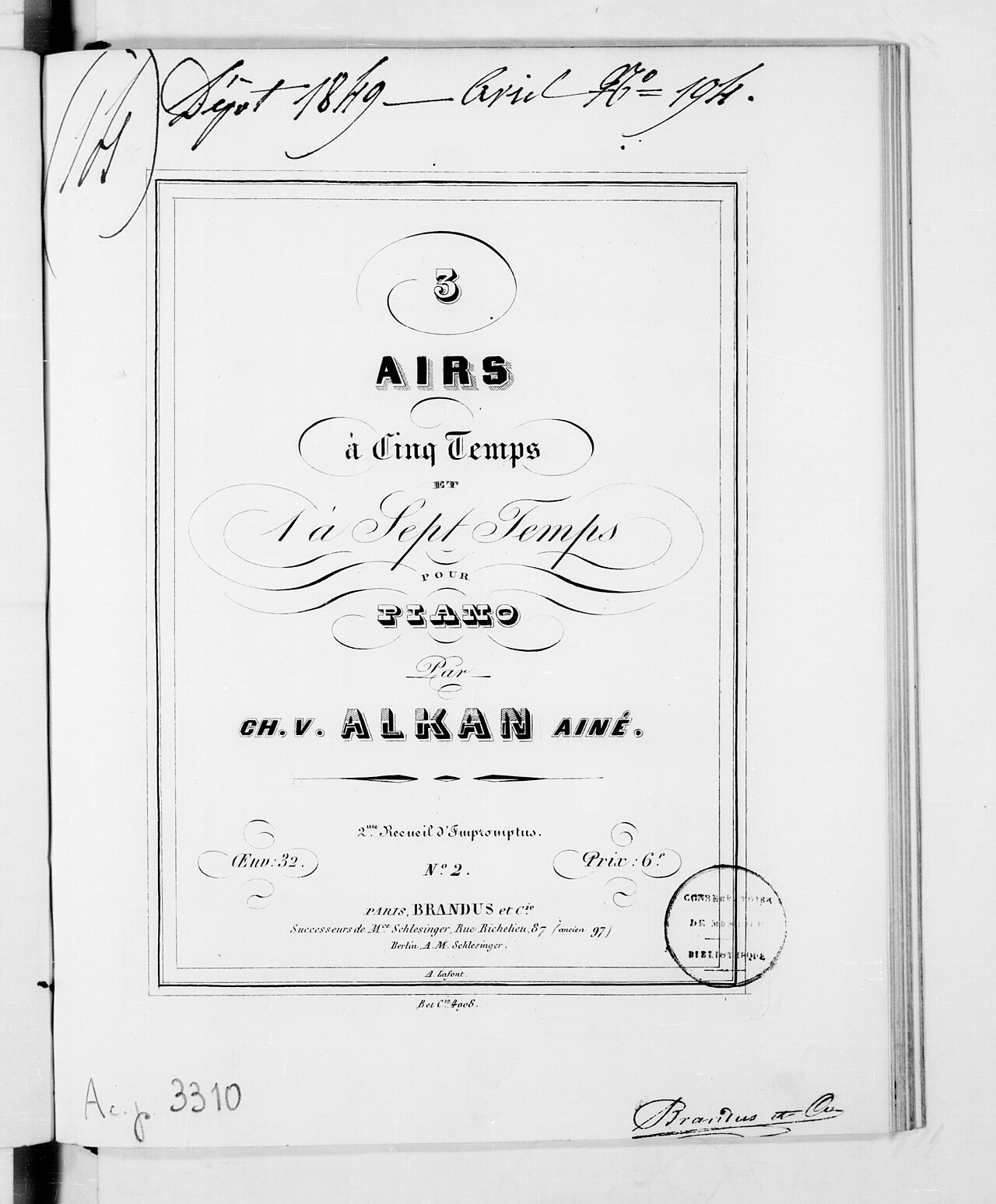
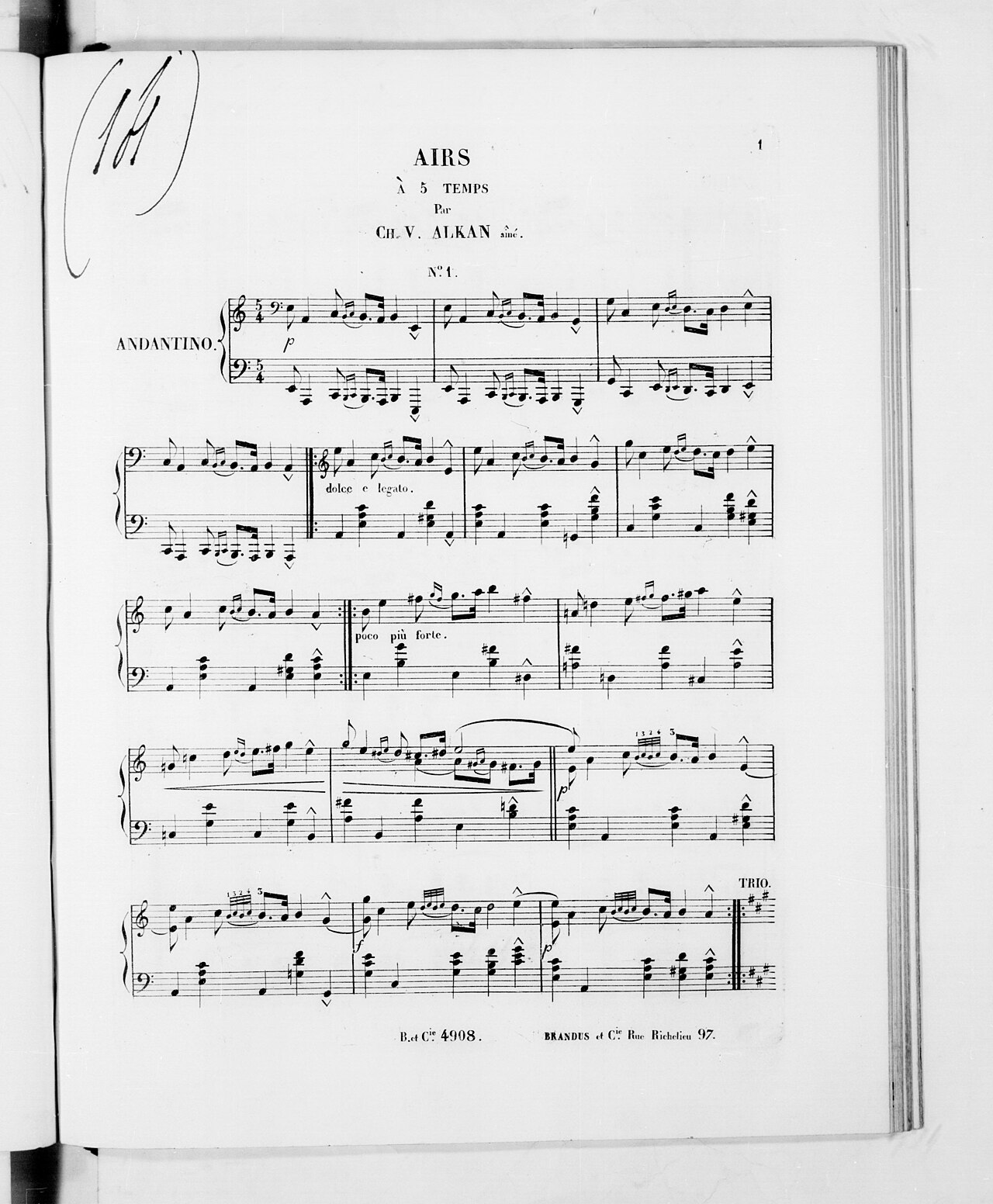
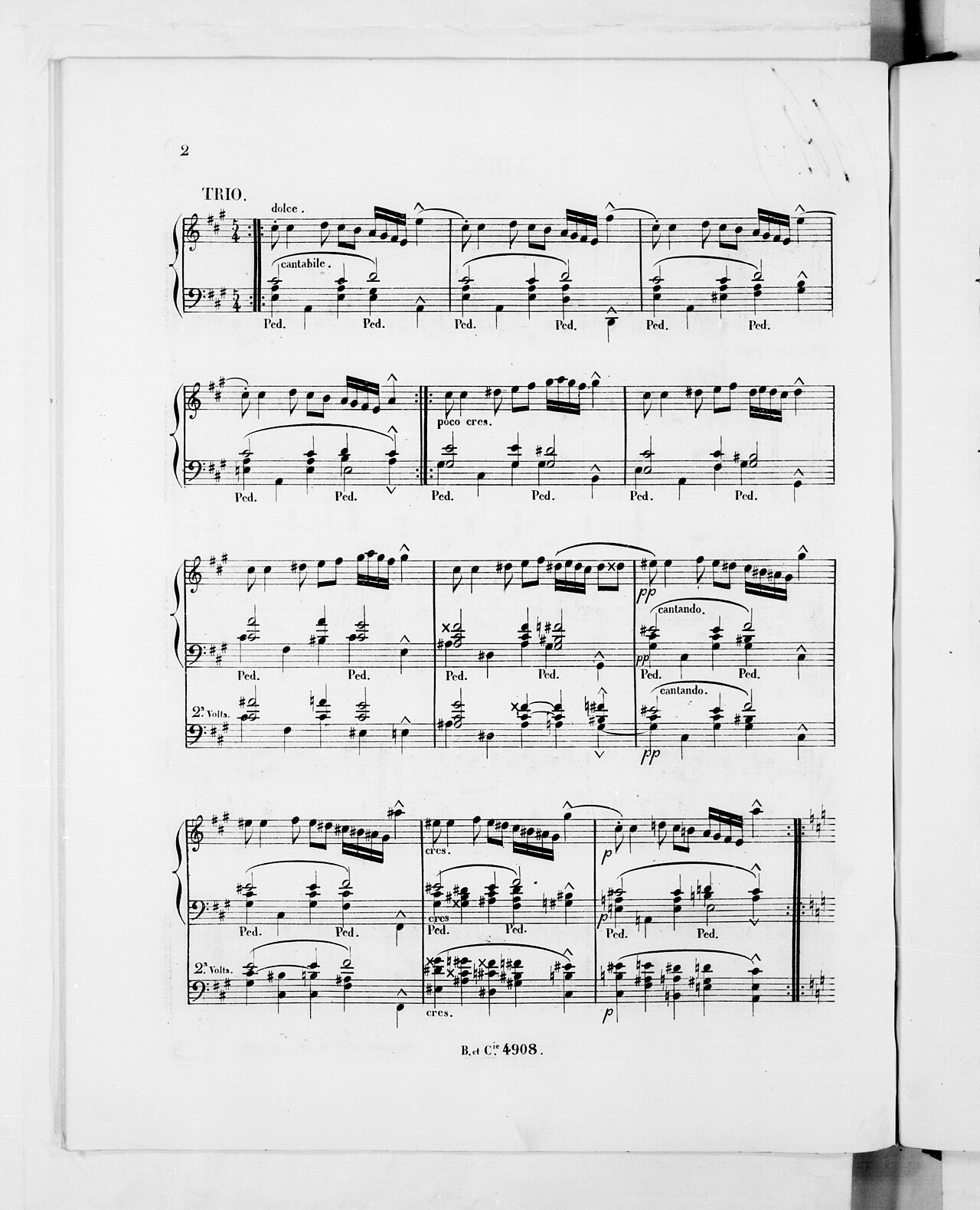
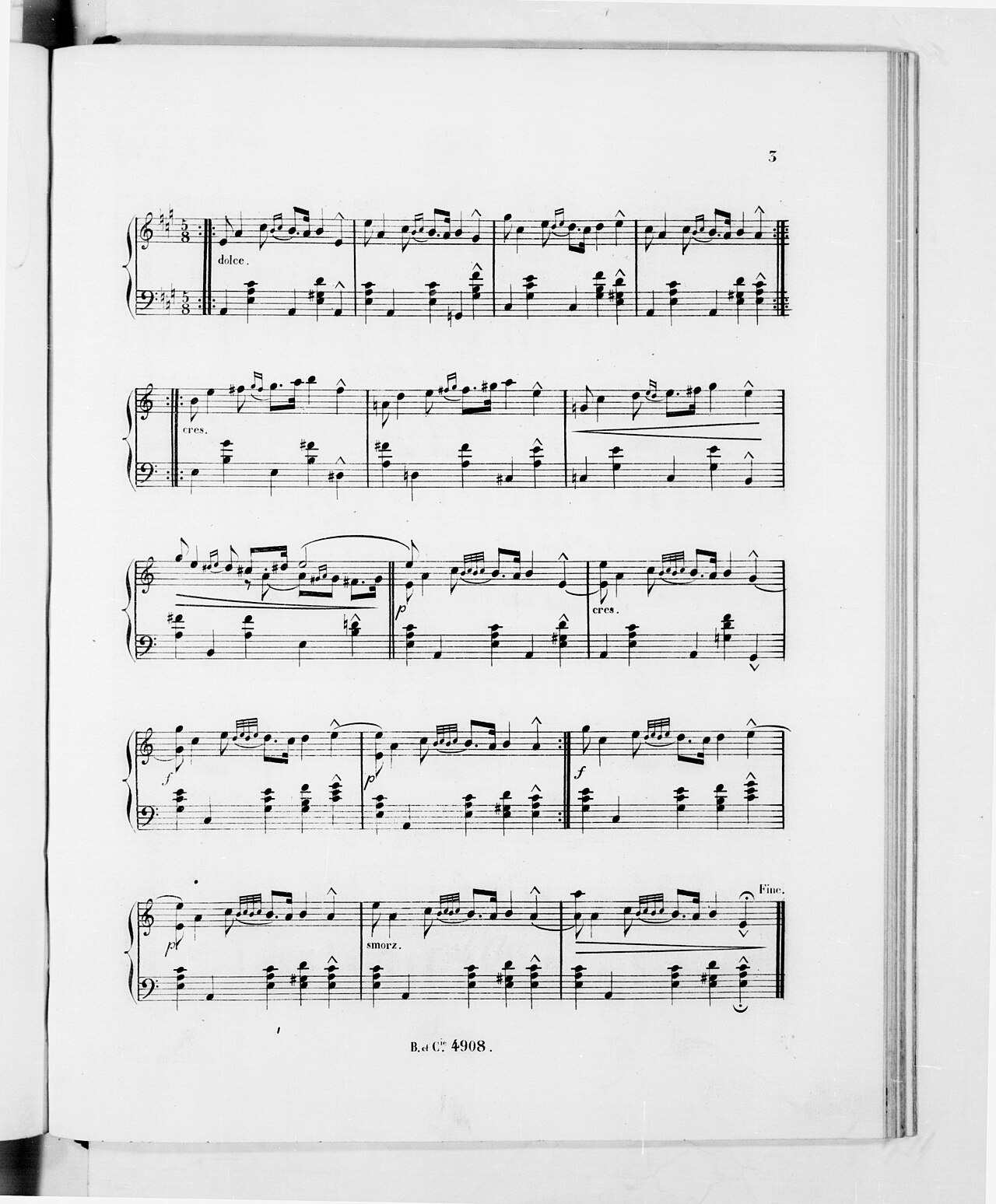
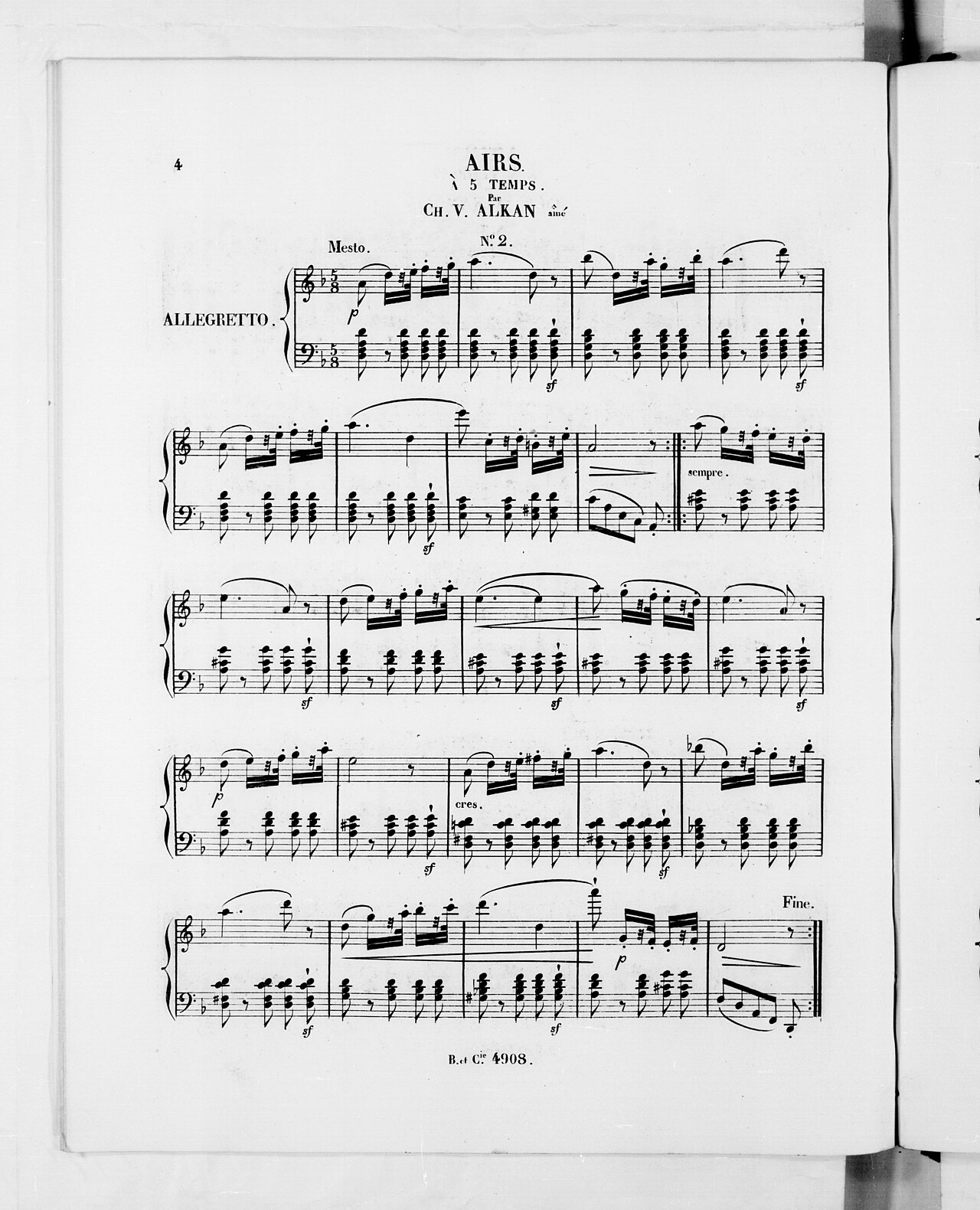
Alkan, Charles-Valentin (1813-1888). Compositeur · Public domain
Cinq à sept (pronounced [sɛ̃k a sɛt], meaning "five to seven") refers to activities that happen after work but before heading home, often with overtime used as a justification. It can also be written as 5 à 7 or 5@7. The phrase carries different meanings in Quebec and France.
In Quebec, it describes a social gathering. These events can bring together friends or coworkers, or be centered on a specific occasion like a book launch or art opening. Drinks such as wine, beer, and cocktails are served, along with finger foods and other hors d'oeuvres. If held later, the gathering might be named after the adjusted time, for example, "six à huit" (six to eight). A cinq à sept can be a formal affair held in various public or private spaces, including art galleries, university campuses, and workplaces, but it is also commonly used informally as a bar promotion to draw in customers. An English equivalent might be a semi-formal "wine and cheese" event or an informal "happy hour."
In France, the term originally referred to a time for a romantic rendezvous, and by extension became a metonym for a visit to one's mistress, an extramarital affair, or the mistress herself. This came from the time of day when such visits traditionally occurred. It is still widely understood as the period for meeting a lover, and the term implies a sexual liaison—unlike the Québécois usage.
The phrase appears in cultural works. Françoise Sagan’s 1965 novel *La Chamade* references it, suggesting the time had shifted to 2 to 4 p.m. The 2014 American film *5 to 7*, based on the phrase, depicts a diplomat’s wife starting an extramarital affair with a younger writer. Agnès Varda’s film *Cléo from 5 to 7* (1962) takes its title from the phrase, following a singer waiting for medical test results.
- Term
- Cinq à sept
- Language
- French
- Literal meaning
- five to seven
- Region 1
- Quebec
- Region 2
- France
- Associated concept
- social gathering (Quebec) / extramarital affair (France)
Lore & Background
In Quebec French, the term stands for a social gathering. It may bring together friends or colleagues or may be organized around a specific event, such as a book launch or vernissage. Wine, beer, and cocktails are served along with finger foods and other hors d'oeuvres. Such a party held later may be named for the specific time (for example, six à huit, meaning 'six to eight'). A cinq à sept can be a formal gathering held in a wide range of public and private spaces, such as art galleries, university campuses, and places of work, but it is also commonly used more informally as a promotion in bars to attract patrons. The English equivalent might be a semi-formal 'wine and cheese' gathering or an informal 'happy hour'.
Reader's Guide
In France, cinq à sept originally referred to a time for a tryst, and consequently is a metonym for a visit to one's mistress, an extramarital affair, and the mistress involved. It derived from the time of day French people would make such a visit. It is still commonly considered as the time of day to meet one's mistress or lover, and the term implies a sexual liaison (as opposed to the Québécois habit). The phrase was referenced in the 1965 novel La Chamade by French author Françoise Sagan; it was suggested the time has changed to 2 to 4 p.m. The 2014 US movie 5 to 7, based on the phrase, presents the wife of a diplomat commencing an extramarital affair with a younger writer. The phrase inspired the title of Agnès Varda's film Cléo from 5 to 7 (1962), which follows a singer awaiting medical results.
Did You Know?
- In Quebec, a cinq à sept is a social gathering where wine, beer, and cocktails are served with finger foods.
- The phrase inspired the title of Agnès Varda's 1962 film Cléo from 5 to 7.
The Quebec Social Tradition
In Quebec, cinq à sept carries a warm, convivial meaning that has little to do with the French mainland's more charged connotation. Here, the phrase designates a social gathering that can range from a casual get-together among friends or coworkers to a more structured event organized around a particular occasion, such as a book launch or an art vernissage. The refreshments typically include wine, beer, and cocktails, paired with finger foods and other hors d'oeuvres. When the gathering falls later in the evening, the name shifts to match the new window—for instance, a six à huit covers the stretch from six to eight. The setting can be anything from an art gallery or a university campus to a corporate office, lending the event a semi-formal air. Yet the same term is also deployed more casually as a promotional hook in bars to draw in patrons. For English speakers, the closest parallels would be a semi-formal wine-and-cheese reception or a laid-back happy hour, though neither captures the full cultural texture of the Québécois tradition.
The French Connotation of Clandestine Desire
On the French mainland, cinq à sept carries a far more pointed and intimate meaning than its Québécois counterpart. The phrase originally denoted a specific window in the afternoon—the hours between five and seven—during which a married man might slip away to meet his mistress. Over time it became a metonym not just for that visit but for the extramarital affair itself and even for the woman at the center of it. The term is rooted in the practical rhythm of the working day: a man would leave his office at five and have until seven to return home, a span that could be disguised as overtime. Even today, the expression in France strongly implies a sexual liaison, a meaning that stands in sharp contrast to the convivial, drink-and-snack gatherings the same words evoke in Quebec. Where a Québécois might invite colleagues to a six à huit at the gallery, a French speaker hearing cinq à sept would almost certainly picture a clandestine rendezvous rather than a glass of wine.
Echoes in Literature and Cinema
The phrase has left a distinctive mark on French-language literature and cinema. In 1965, Françoise Sagan wove the expression into her novel La Chamade, where she playfully suggested that the traditional five-to-seven window had shifted earlier to two or three in the afternoon, reflecting a change in social rhythms. Decades later, the 2014 American film 5 to 7 drew directly on the phrase to tell the story of a diplomat's wife who becomes entangled in an extramarital affair with a younger writer, channeling the French connotation of clandestine desire. Perhaps the most celebrated cinematic use came earlier still: Agnès Varda's 1962 film Cléo from 5 to 7 borrows the title to follow a singer through the anxious hours she spends awaiting the results of a medical examination. In each case, the five-to-seven span functions as a compressed narrative frame—a pocket of time in which ordinary routines dissolve and something more urgent, more vulnerable, or more transgressive takes hold.
One Phrase, Two Afternoons
Cinq à sept is, at its core, a deceptively simple French phrase—pronounced roughly sank ah set and literally meaning five to seven—that has grown into a rich cultural shorthand. The term can be rendered in several written forms, including the numeric 5 à 7 or the even more casual 5@7, reflecting its informal, spoken origins. At its most basic, it describes the stretch of time after the workday ends and before a person heads home, a gap that might be filled with leisure or, in the French mainland's usage, with a discreet visit to a lover, sometimes cloaked in the excuse of overtime. What makes the expression particularly fascinating is its bifurcated life across the Francophone world. In Quebec it has been fully reclaimed as a label for sociable, often semi-formal gatherings centered on drinks and small plates, while in France it retains its older, more charged association with extramarital romance. One phrase, two continents, two entirely different afternoons.
Gallery
Frequently Asked Questions
What is Cinq à sept in Quebec food culture?
Cinq à sept is a beloved Quebec after-work social gathering where friends or coworkers meet up to drink and snack before heading home. It's less a single dish and more a ritual: a relaxed window of wine, beer, cocktails, and shared finger foods that bridges the end of the workday and the start of evening.
What do people typically eat and drink at a Cinq à sept?
The spread usually centers on easy finger foods and hors d'oeuvres meant for grazing while you mingle. Drinks range from a glass of wine or a cold beer to cocktails, and the whole affair is designed to be casual enough that you can stand around and chat.
What does the name 'Cinq à sept' actually mean?
It's French for 'five to seven,' pointing to the stretch of time right after the workday ends. You'll also see it written as 5 à 7 or 5@7 in informal Quebec usage.
How does Cinq à sept differ from the French usage of the same phrase?
In Quebec the term is purely about a social get-together after hours. In France, though, 'cinq à sept' can carry a second, more secretive meaning referring to an extramarital tryst, which is a connotation Quebecers generally don't associate with the phrase.
Why do Quebecers justify a Cinq à sept with overtime?
The tradition leans on a playful wink at workplace culture: claiming you're staying late for 'overtime' gives a socially acceptable reason to linger, pour a glass, and enjoy snacks with colleagues. It turns the tail end of the workday into a low-pressure social occasion rather than just clocking out.
More in Canadian cuisine 1-24
Spotted an error? Know more?
Reader corrections go straight into our review queue. Suggest an edit · How this site is sourced