
Canadian Club
Canadian whisky born from a Detroit distillery moved to Windsor.

Chris Woodrich · CC BY 4.0
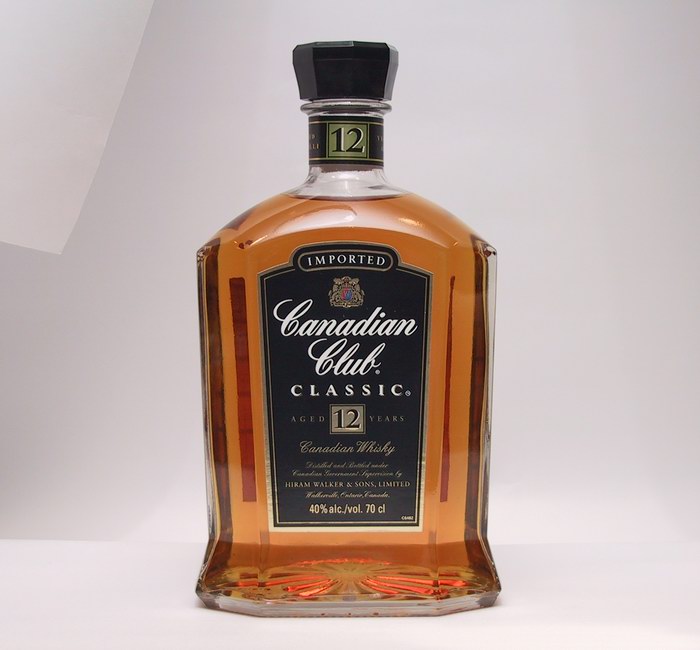
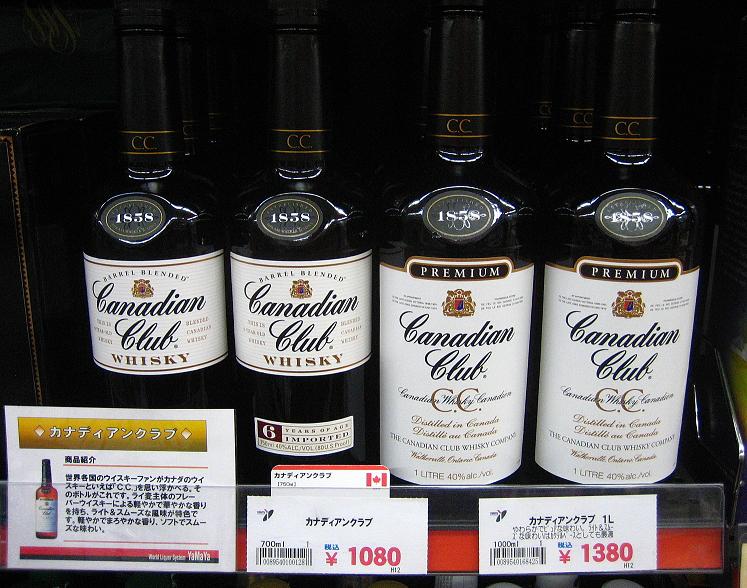
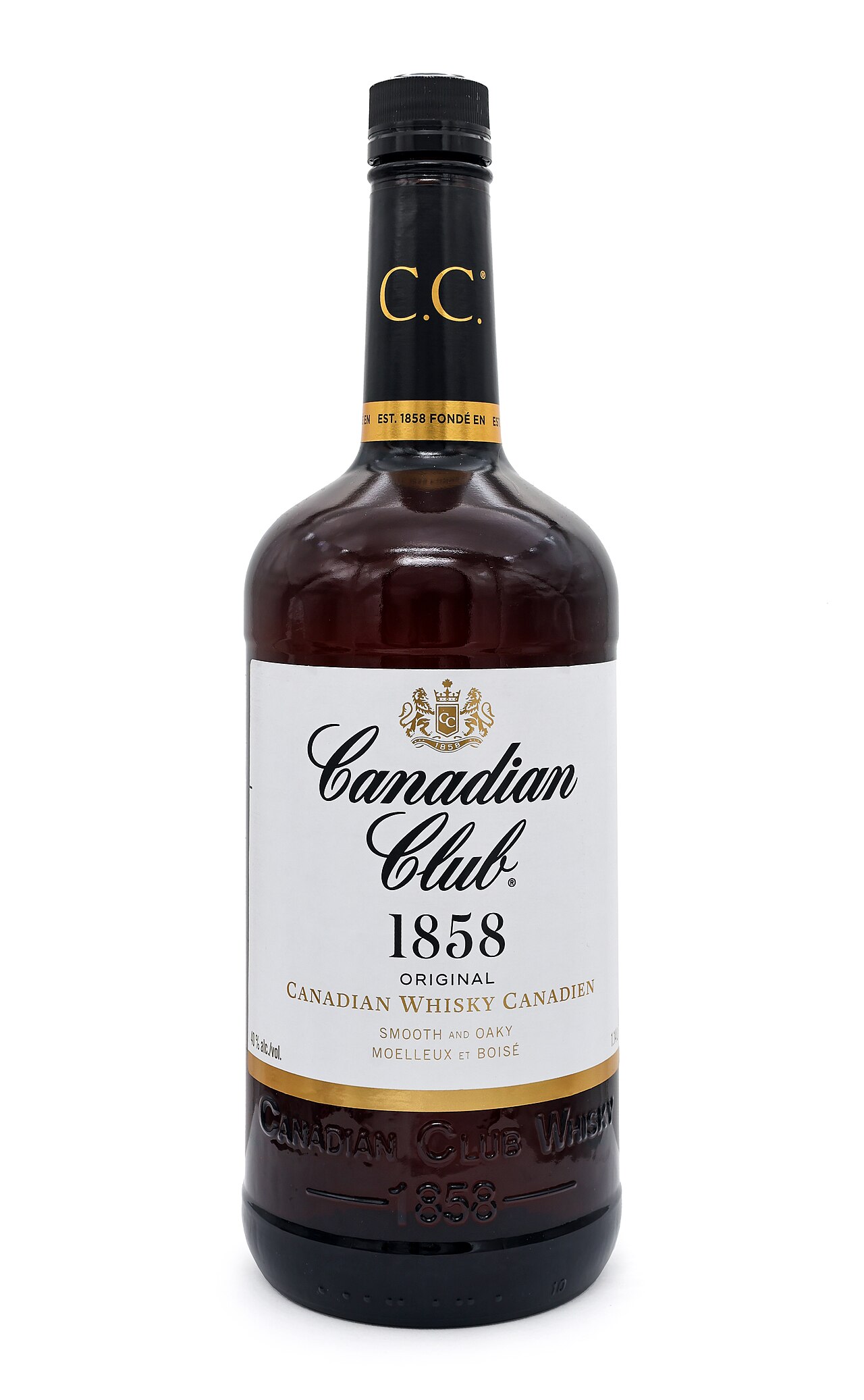
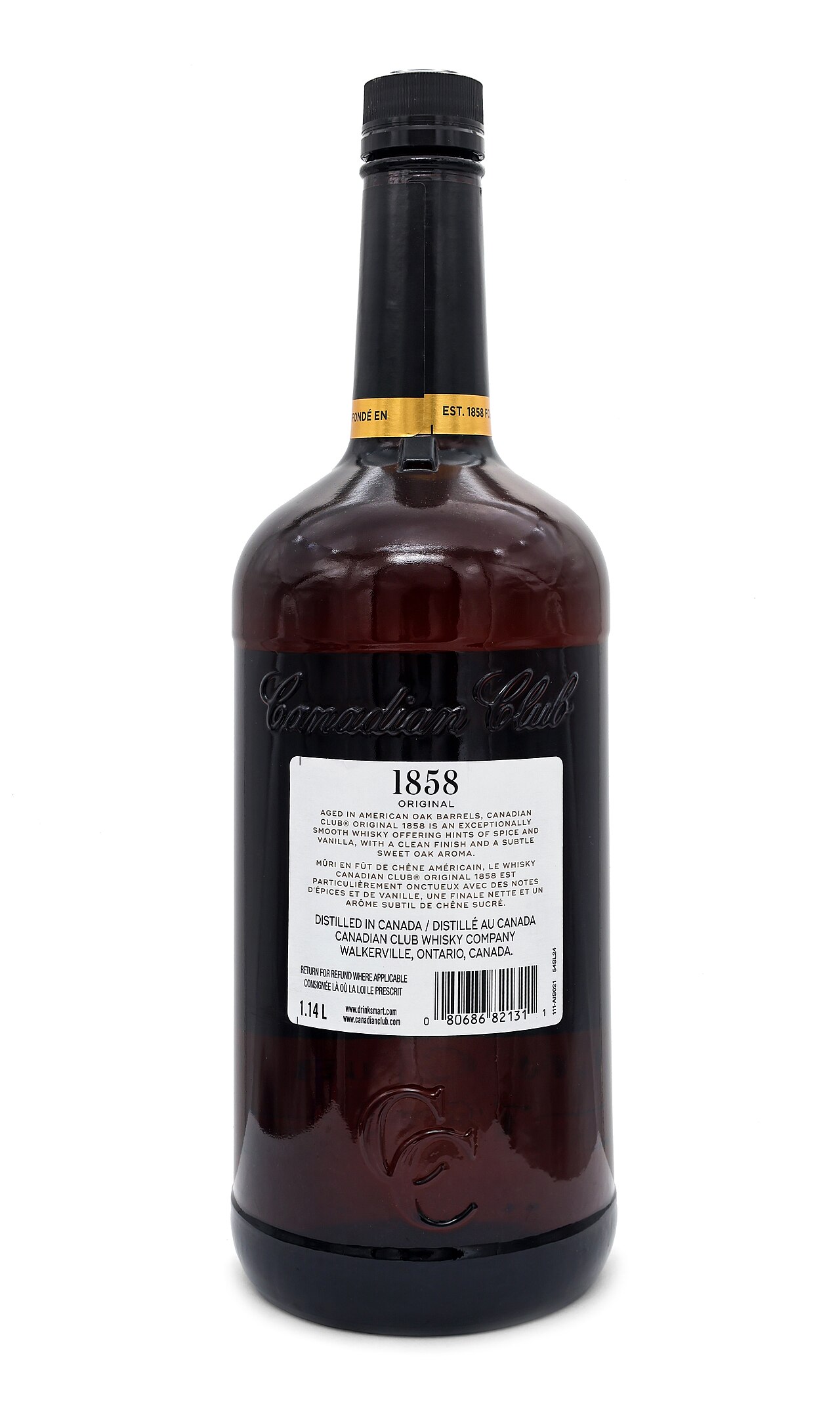
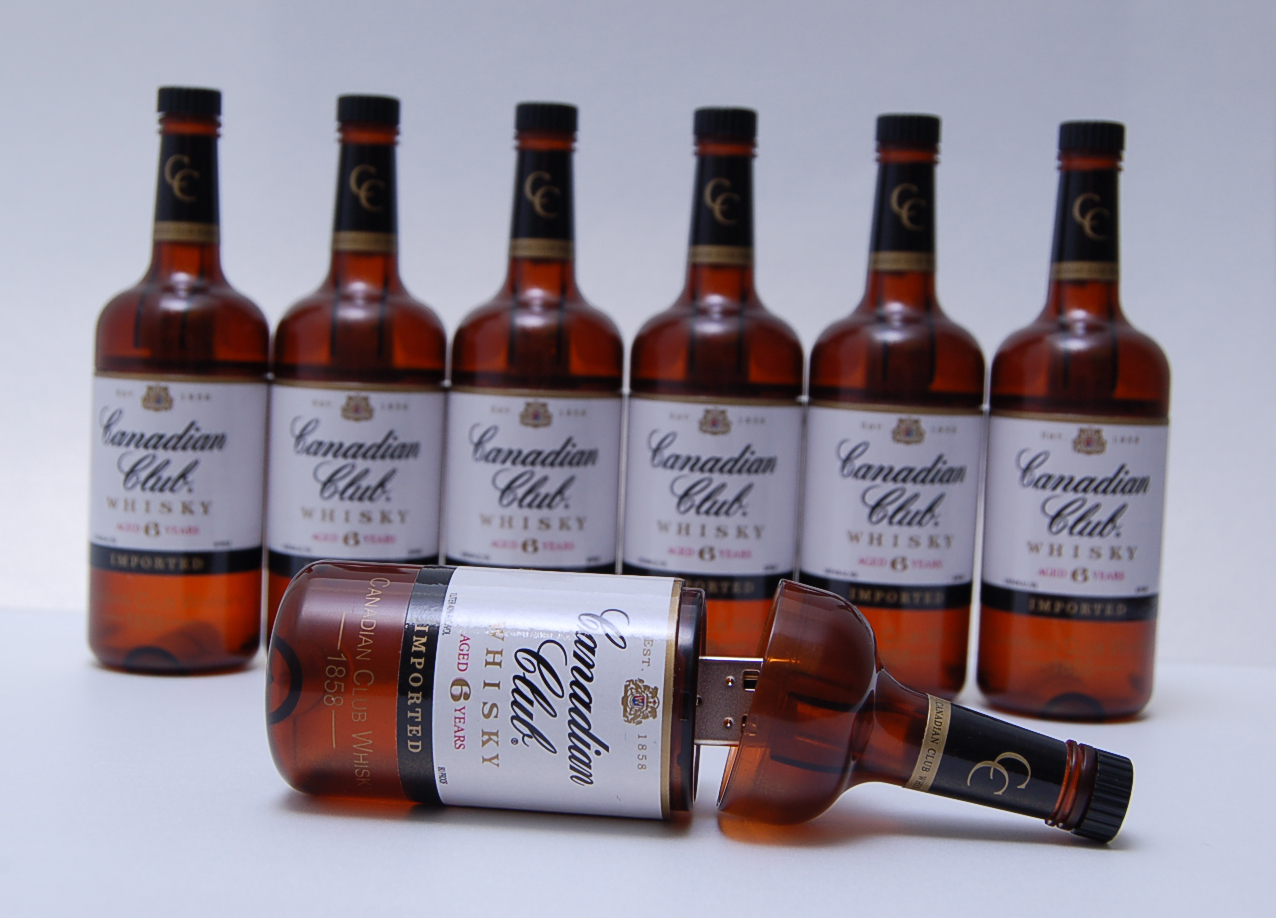
Canadian Club (French: Club Canadien) is a brand of Canadian whisky produced by Suntory Global Spirits. Popularly known as CC, it was created by Hiram Walker and Sons, evolving over the second half of the nineteenth century. The brand became famous for its association with gentlemen's clubs and later for its 'Hide A Case' advertising campaign.
Quick Facts
- Proof
- 80
- Origin
- Canada
- Introduced
- 1858
Facts from the source article.
Lore & Background
Hiram Walker founded his distillery in 1858 in Detroit, having learned to distill cider vinegar in the 1830s and producing his first whisky barrels in 1854. For tax and legal reasons, he moved the distillery across the Detroit River to Windsor, Ontario, in 1858, where he developed Walkerville, a model community with housing and services for employees. Walker's whisky became popular in late 19th-century gentlemen's clubs, earning the name 'Club Whisky,' and was positioned as a premium liquor aged five years in oak.
American distillers petitioned for the word 'Canada' on the bottle to distinguish it, but this backfired, increasing exclusivity. Walker added 'Canadian' to the label in 1889 and incorporated it into the name in 1890. The distillery passed to his sons upon his death in 1899. During Prohibition, Al Capone smuggled thousands of cases from Windsor to Detroit. Canadian Club has received royal warrants from Edward VII, George V, George VI, and Elizabeth II.
Reader's Guide
Canadian Club's significance lies in its long history as a Canadian whisky brand that survived Prohibition by moving to Canada and later became a global icon. Its 'Hide A Case' campaign, launched in 1967, hid 22 cases at exotic locations worldwide, with 16 found as of 2024, generating media attention and consumer engagement. The brand's legacy includes being the only North American distiller granted a royal warrant and its role in the Whisky War between Canada and Denmark, where it was the usual bottle left by Canadians. Now part of the Jim Beam portfolio, it remains the number four–selling alcoholic product for the company, behind Jim Beam bourbon, Sauza Tequila, and DeKuyper cordials. The brand also appeared in product placement on Mad Men and inspired a Bond film sequence.
Did You Know?
- Canadian Club was created by Hiram Walker, who moved his distillery from Detroit to Windsor, Ontario, in 1858 for tax and legal reasons, not due to Prohibition.
- During Prohibition, Chicago gangster Al Capone smuggled thousands of cases of Canadian Club from Windsor to Detroit.
- The 'Hide A Case' campaign hid 25 cases worldwide; as of 2024, 9 have been found, with 16 still missing.
- Canadian Club is not the only North American distiller to have been granted a royal warrant; others like Jack Daniel's and Jim Beam have also received royal warrants.
Indigenous Roots and the Deep Culinary Record
Canadian food culture rests on a foundation stretching back at least 15,000 years, rooted in the cooking traditions of First Nations and Inuit peoples. Long before European contact, these communities developed sophisticated practices centered on the land's offerings—wild game, foraged plants, and seasonal harvests. The Métis culture, born from the meeting of Indigenous and European worlds, played a particularly formative role in shaping what would become a recognizably Canadian table. Dishes such as bannock, pemmican, maple taffy, and stews like barley stew trace their lineage to Indigenous kitchens and are now consumed across the entire country. Wild foods remain a defining pillar of Canadian cooking: dulse and lobster in the Maritime provinces, deer and moose in the northern territories, salmon and crab along the British Columbia coast. This deep connection to local, often wild, ingredients sets Canadian cuisine apart and gives it a character that no single imported recipe book could replicate.
The Smorgasbord Problem: Defining a National Cuisine
One of the most persistent debates in Canadian food writing is whether a truly unified national cuisine even exists. Former prime minister Joe Clark famously described it as a smorgasbord rather than a stew pot, suggesting a collage of borrowed dishes rather than a single tradition. Food writer Jennifer Cochrall-King echoed this by insisting there is no single definition, only ingredients drawn from the landscape and dishes steeped in regional history. Yet scholars like Lenore Newman push back, arguing that a distinctly Canadian creole cuisine does exist and can be identified through five interlocking traits: a commitment to seasonality, an embrace of multiculturalism, a reliance on wild foods, a patchwork of regional dishes, and a consistent privileging of ingredients over rigid recipes. The sheer geographic scale of the country and the diversity of its population make any monolithic definition nearly impossible, but the absence of a single authoritative voice does not erase the shared culinary identity that emerges from thousands of local adaptations.
Regional Mosaics and the Long Arc of Immigration
Canadian cuisine is not a single story but a layered one, with each province and territory carrying the culinary imprint of the peoples who settled there. The earliest food traditions grew from Indigenous, English, Scottish, and French roots, with French-Canadian cooking further splitting into Québécois and Acadian branches. Those early cuisines were shaped by adaptation to harsh climates, mobile frontier lifestyles, and the labor demands of colonial life. Subsequent waves of immigration in the nineteenth, twentieth, and twenty-first centuries added layers from Central and Eastern Europe, Southern Europe, South and East Asia, and the Caribbean. Ukrainian and Polish settlers made pierogi a staple; English and Scottish immigrants left their mark through roast beef and Yorkshire pudding. The result is a national table where a dish like fish and chips sits comfortably beside peameal bacon, pot roast, and bannock, each carrying its own regional and cultural signature.
Adaptation, Frying Dough, and the Canadian Twist
A hallmark of Canadian cooking is the practice of taking a foreign recipe and reworking it around local ingredients. Tourtière, a meat pie of French origin, might be filled with beef, pork, or fish depending on the region. This spirit of adaptation extends to a broader set of nationally recognized variations: Canadian Cheddar cheese, whisky, bread, wine, bacon, and pancakes all carry their own locally defined particularities. One particularly rich thread is the tradition of frying dough, which grew out of the country's voyaging and frontier culture. From that single technique emerged distinctly Canadian foods like beavertails, apple fritters, and toutons, alongside broader categories such as bannock, bagels, and pancakes that, while not physically originating in Canada, became woven into the national culinary fabric. The common thread is a cuisine that prizes the quality and origin of what goes into the pan over the precision of the recipe that guides it.
Gallery
Frequently Asked Questions
What is Canadian Club?
Canadian Club, often shortened to CC, is a well-known Canadian whisky brand that traces its roots back to the Hiram Walker and Sons distillery. It is currently produced under the Suntory Global Spirits umbrella.
Where and when did Canadian Club originate?
The distillery behind the brand was established in 1858 in Detroit, Michigan, before the operation relocated across the border to Windsor, Ontario. The whisky itself evolved gradually through the latter half of the nineteenth century.
What is the famous 'Hide A Case' campaign?
Hide A Case was a long-running advertising initiative that became one of the most recognizable marketing efforts in Canadian liquor history. It turned the act of concealing a case of CC into a playful cultural touchstone for the brand.
Why is Canadian Club historically significant in Canadian cuisine?
The whisky built its early reputation through ties to gentlemen's clubs and eventually earned royal warrants, cementing its place in Canadian social and culinary tradition. It remains one of the country's most iconic spirits.
Who currently produces Canadian Club?
Suntory Global Spirits now handles production of the brand following the acquisition of Hiram Walker's portfolio. The whisky continues to be blended and bottled in Canada under the CC label.
More in Canadian cuisine 1-24
Spotted an error? Know more?
Reader corrections go straight into our review queue. Suggest an edit · How this site is sourced