
Capelin
Small forage fish of the smelt family, key prey in northern oceans.

UBC Library Digitization Centre · No restrictions
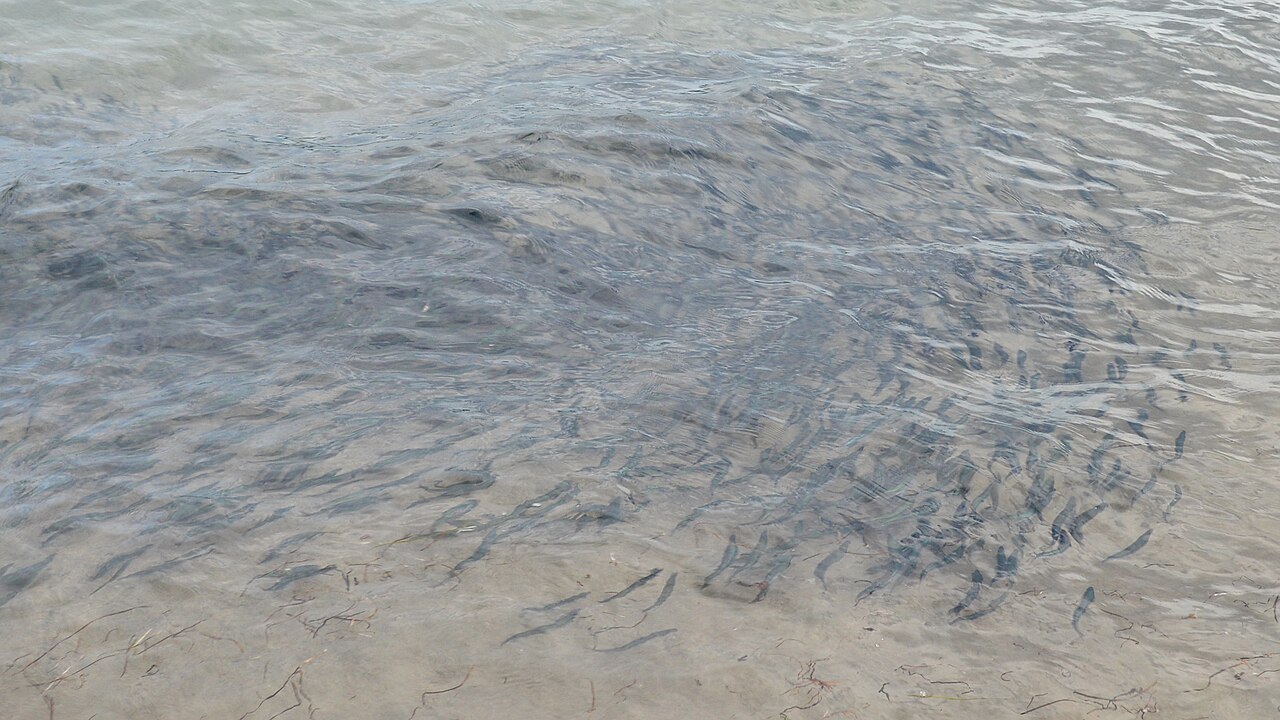
The capelin or caplin (Mallotus villosus) is a small forage fish of the smelt family found in the North Atlantic, North Pacific and Arctic oceans. It is a key prey species for whales, seals, Atlantic cod, Atlantic mackerel, squid, and seabirds, especially during its spawning migrations. Capelin are notable for their unique beach-spawning behavior, in which they jump onto land en masse, a trait shared only with grunions and surf smelt (or other beach-spawning smelts).
Quick Facts
- Genus
- Mallotus
- Species
- villosus
Facts from the source article.
Lore & Background
Capelin are planktivorous fish that graze on dense swarms of plankton at the edge of the ice shelf in summer, with larger individuals also consuming krill and other crustaceans. Their diet shifts with size: smaller capelin feed primarily on copepods, while larger ones eat euphausiids and amphipods. They occupy a similar dietary niche as polar cod, leading to potential interspecific competition.
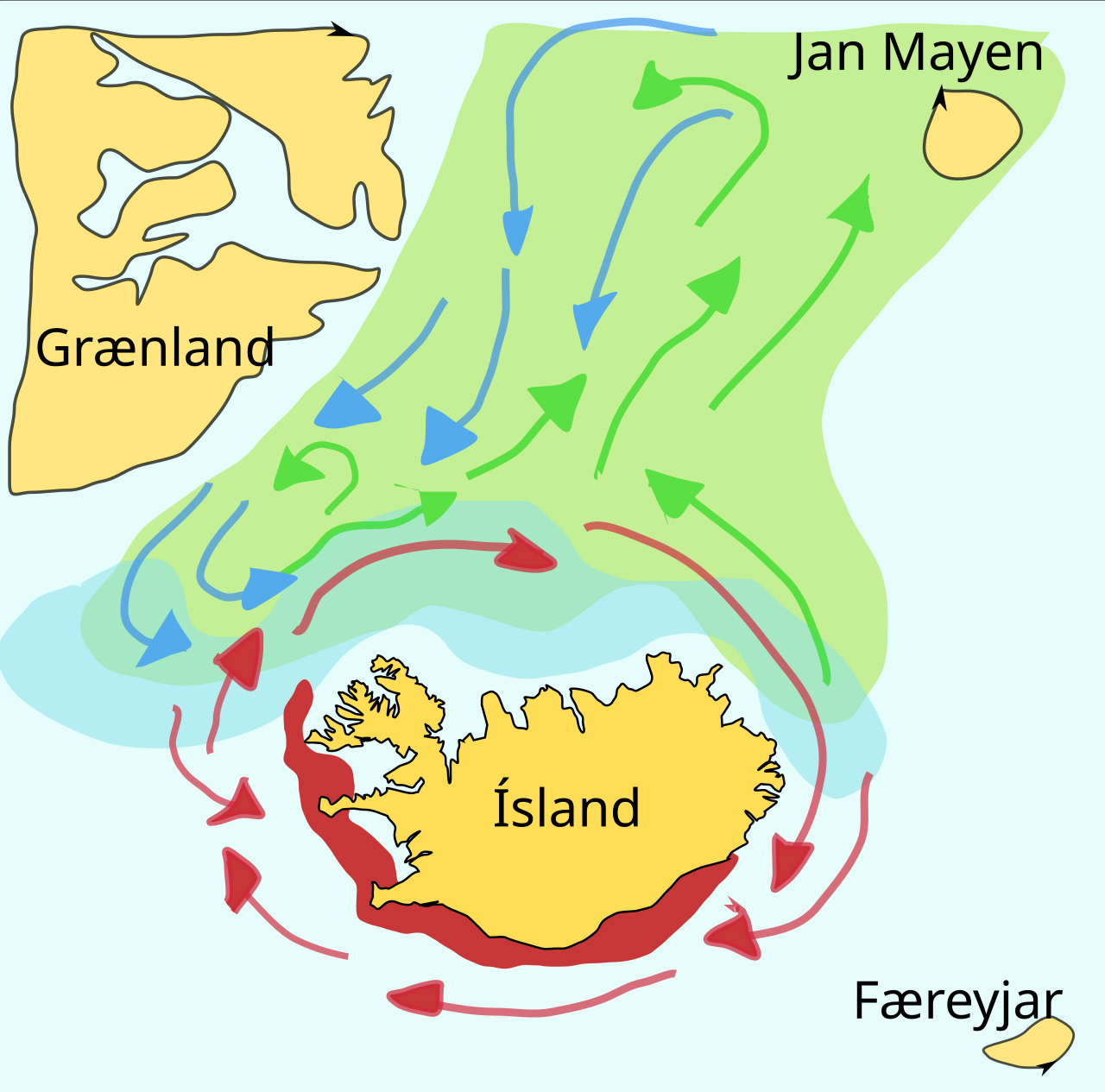
Capelin perform extensive seasonal migrations. Barents Sea capelin migrate to the coast of northern Norway and the Kola Peninsula for spawning in winter and early spring, then move north and northeast for feeding in summer and autumn. Icelandic capelin migrate inshore in large schools to spawn, then feed in plankton-rich waters between Iceland, Greenland, and Jan Mayen. Their distribution and migration are linked with ocean currents and water masses.
Reproduction varies by habitat. In beach-spawning populations, males are semelparous, dying soon after spawning, while females may survive to spawn again. In ocean-spawning populations, both sexes are semelparous. Capelin are facultative spawners, selecting spawning locations based on abiotic factors such as temperature. Optimal egg incubation occurs between 5 and 10 °C.
Reader's Guide
Capelin are ecologically significant as a critical forage fish, particularly for Atlantic cod, and are managed under a multispecies approach by Norway and Russia. Their populations can be heavily affected by large quantities of Atlantic herring, likely due to food competition and herring feeding on capelin larvae, though good recruitment sometimes occurs despite high herring biomass. Commercially, capelin is used for fish meal and oil, and its roe (masago) is a high-value product in Japan, often used as a substitute for flying fish roe. In Quebec and Newfoundland and Labrador, locals scoop capelin from beaches during their annual spawning runs. The species' unique beach-spawning behavior, shared only with grunions and grass puffer, and its ability to switch between semelparous and iteroparous reproduction depending on habitat, highlight its adaptive biology. Studies show no genetic variability between beach and deep-water spawners, supporting facultative spawning. Capelin's role in the food web and its sensitivity to environmental and biological factors make it a key species for understanding northern marine ecosystems.
Did You Know?
- Capelin are one of only three fish species that jump onto land en masse to spawn, along with grunions and surf smelt (or other beach-spawning smelts).
- Beach-spawning male capelin have a post-spawning mortality rate close to 100%.
- Capelin roe, known as masago, is sometimes mixed with wasabi or green food coloring and sold as 'wasabi caviar'.
- The closest living relative of the capelin is generally considered to be other members of the smelt family, such as rainbow smelt or other Mallotus species.
Seasonal Journeys Across Cold Waters
Capelin populations in the Barents Sea and around Iceland undertake remarkable seasonal migrations that tie their lives to the rhythm of ocean currents and shifting water masses. In the Barents Sea, these small forage fish travel during winter and early spring toward the coastlines of northern Norway's Finnmark region and Russia's Kola Peninsula, where they come ashore or into shallow waters to spawn. Once the spawning season passes, they head north and north-eastward through summer and autumn to feed in richer waters. Around Iceland, the pattern is slightly different: maturing capelin push northward in spring and summer to forage in the plankton-dense waters between Iceland, Greenland, and Jan Mayen. Their return journey begins in September and stretches through November, while the spawning migration kicks off north of Iceland in December and January. In 2009, Icelandic researchers developed an interacting particle model that successfully predicted the previous year's spawning migration route, demonstrating how closely these movements follow predictable physical forces.
A Life Measured in One Spawning
Capelin are classic r-selected species with a high intrinsic population growth rate, and their reproductive strategy is shaped dramatically by where they choose to spawn. Most reach spawning age between two and six years, with the majority doing so at three or four. Males head straight for shallow fjord waters, while females linger in deeper water until fully mature before joining them. Spawning typically occurs at night. In the North European Atlantic, eggs are deposited over sand or gravel at depths ranging from 2 to 100 metres. In the North Pacific and off Newfoundland, however, capelin perform a behaviour shared by only a handful of fish species: they leap onto beaches en masse, some stranding themselves in the process. In these beach-spawning populations, females leave immediately after spawning and may reproduce again in later years, while males remain on the spawning grounds and die once the season ends, making them semelparous. In ocean-spawning populations, both sexes die after spawning. Newfoundland studies found no genetic difference between beach and deep-water spawners, confirming capelin are facultative spawners who select habitat based on factors like temperature, with optimal egg development occurring between 5 and 10 degrees Celsius.
Position in the Cold-Water Food Web
As a small forage fish in the smelt family, capelin occupy a critical middle tier in cold-water ecosystems spanning the North Atlantic, North Pacific, and Arctic Oceans. They are pelagic planktivores whose diet shifts as they grow: juveniles feed primarily on copepods, while larger individuals transition to euphausiids and amphipods as their body and gape size increase. In summer, capelin graze on dense swarms of plankton at the edge of the ice shelf, and larger specimens consume significant quantities of krill and other crustaceans. Their dietary niche overlaps considerably with that of polar cod, creating potential for interspecific competition. Above them in the food chain, capelin serve as essential prey for a wide array of predators—whales, seals, Atlantic cod, Atlantic mackerel, squid, and seabirds—particularly during the spawning season when capelin migrate south in vulnerable aggregations. This makes capelin a keystone forage species whose abundance directly influences the productivity of nearly every larger marine animal in these northern waters.
Fisheries, Management, and Physical Form
The economic and ecological importance of capelin is reflected in how their fisheries are governed. Because capelin are the key food source for Atlantic cod, the northeast Atlantic cod and capelin fisheries are managed together through a multispecies approach developed jointly by Norway and Russia, the two principal resource-owning nations in the region. This linked management recognises that the health of one stock is inseparable from the other. Physically, capelin are modest in size—males reach about 20 centimetres while females grow to roughly 25 centimetres—and display an olive dorsal colour that fades to silver along the flanks. During spawning season, males develop a translucent lateral ridge on either side of their body, and their ventral surfaces take on an iridescent reddish hue. Their closest known relative is the extinct fossil genus Enoplophthalmus, which inhabited European waters during the early Oligocene and early Miocene, suggesting a long evolutionary lineage in these northern seas.
Gallery

Frequently Asked Questions
What is capelin?
Capelin is a small forage fish in the smelt family that inhabits the North Atlantic, North Pacific, and Arctic oceans. It plays a foundational role as a prey species throughout northern marine ecosystems.
What makes capelin's spawning so unusual?
During spawning migrations, capelin leap onto beaches in enormous groups to deposit their eggs, a behavior shared by only a handful of other fish like grunions and surf smelt. This mass beach-spawning spectacle is one of the most distinctive traits in the northern marine world.
What animals depend on capelin for food?
Whales, seals, Atlantic cod, mackerel, squid, and seabirds all rely heavily on capelin, especially during its spawning runs. It essentially anchors the food web across cold northern waters.
Where can you find capelin?
Capelin ranges across the North Atlantic, North Pacific, and Arctic oceans, favoring cold northern waters. It's most visible to observers during its coastal spawning migrations.
What is capelin's closest relative?
Its nearest kin are other smelt-family members, particularly the rainbow smelt and other species within the Mallotus genus. All share the small, silvery forage-fish body plan typical of the group.
More in Canadian cuisine 1-24
Spotted an error? Know more?
Reader corrections go straight into our review queue. Suggest an edit · How this site is sourced