
Canadian cheese
Canadian cheese ranges from farm-made origins to over 1,050 varieties.

HadynMD · CC BY-SA 4.0
Canadian cheese encompasses a range of varieties produced in Canada, with roots tracing back to the early 17th century when Samuel de Champlain brought cows from Normandy. The industry evolved from farm-made cheeses to commercial production, with cheddar becoming a major export by the late 19th century. Today, Canada produces over 1,050 varieties and brands, with more than half of manufacturers located in Québec.
- Origin
- Canada
- Earliest recorded production
- 1608 or 1610
- First commercial factory
- 1864, Norwich, Ontario
- Peak cheddar factories in ontario
- 1,242 (turn of 20th century)
- Cheddar export in 1904
- 234,000,000 pounds (106,000,000 kg)
- Current varieties
- over 1,050
- Major producing province
- Québec
Lore & Background
Cheese has been produced in Canada since Samuel de Champlain brought cows from Normandy in either 1608 or 1610. The Canadienne breed of cattle is thought to descend from these and other early Norman imports. New France developed soft, unripened cheeses characteristic of France. Later British settlers and Loyalists fleeing the American Revolution introduced British styles such as cheddar.
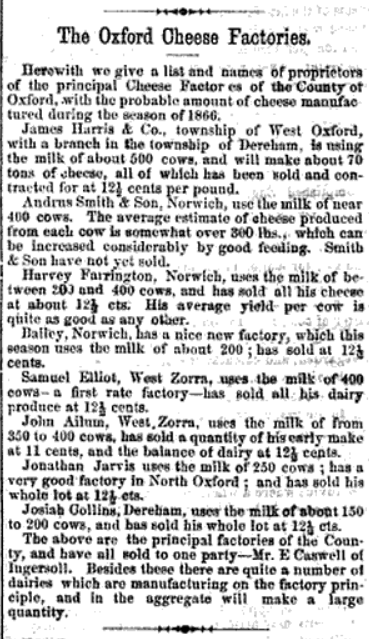
Canadian cheeses were almost entirely farm-made until 1864, when an American, Harvey Farrington, started buying Canadian milk in commercial quantities necessary for industrial cheese making. The first commercial factory, 'The Pioneer', was set up in Norwich, Ontario, in 1864. Following a wheat midge outbreak in the mid-nineteenth century, farmers in Ontario converted to dairy farming in large numbers, and cheddar cheese became their main exportable product, even being exported back to England. In 1867, the year of Canadian Confederation, 200 cheese factories were established in Ontario alone.
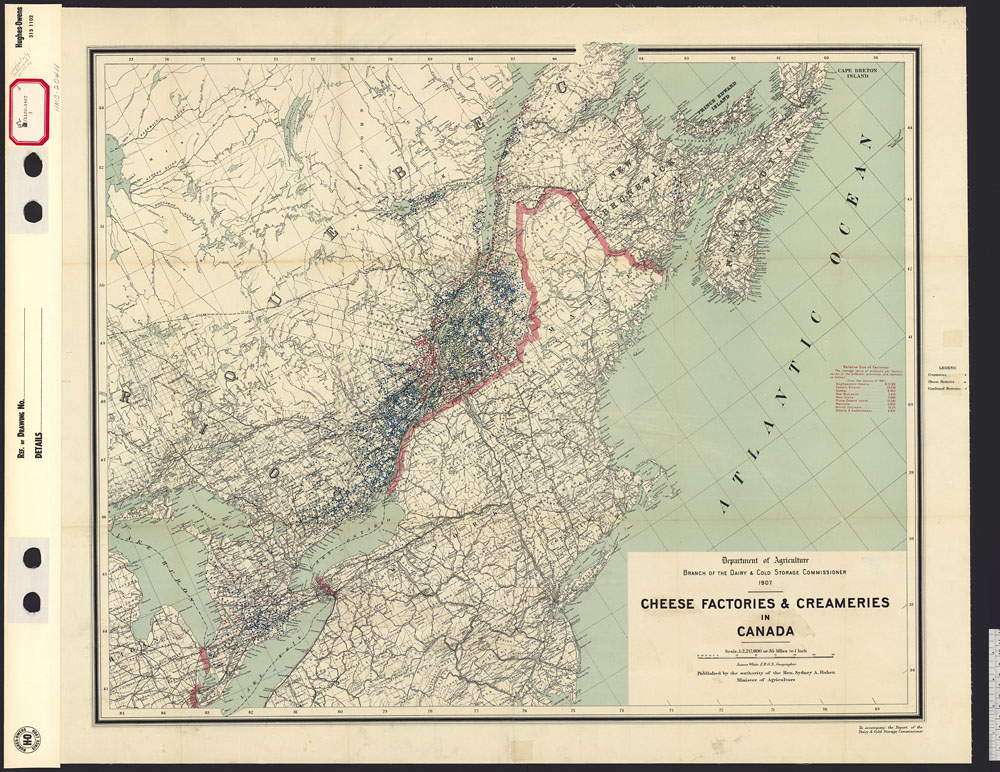
In 1881, Édouard-André Barnard created North America's first cheese-making school in Saint-Denis-De La Bouteillerie, Québec. A dairy school opened in 1892 in Saint-Hyacinthe, Québec, and in 1901 produced experimental Canadian versions of Camembert and Feta. By the turn of the twentieth century, there were 1,242 cheddar factories in Ontario, and cheddar had become Canada's second largest export behind timber. Cheddar exports totaled 234,000,000 pounds in 1904, but by 2012 Canada was a net importer of cheese.
Reader's Guide
Canadian cheese holds significance as a reflection of the country's agricultural and cultural history, from early French and British influences to industrial expansion. The shift from farm-made to factory production in the 1860s, driven by figures like Harvey Farrington and spurred by the wheat midge outbreak, transformed cheddar into a major export commodity, second only to timber by the early 20th century. The establishment of North America's first cheese-making school in Québec in 1881 and a dairy school in 1892 fostered innovation, including early experimental Camembert and Feta. However, the rise of processed cheese, associated with James Lewis Kraft—who grew up on an Ontario dairy farm before moving to Chicago—coincided with a decline in artisanal cheese craft. By 2012, Canada had become a net importer of cheese, and Kraft Dinner macaroni and cheese had become the country's most popular grocery product. Contemporary production remains robust, with over 1,050 varieties, more than half from Québec, and the Sélection Caseus contest, begun in 1999, recognizing quality. The legacy of Canadian cheese thus encompasses both a rich tradition of cheddar exports and a modern landscape of diverse, award-winning varieties.
Did You Know?
- Samuel de Champlain brought cows from Normandy to Canada in either 1608 or 1610.
- The first commercial cheese factory in Canada, 'The Pioneer', was set up in Norwich, Ontario, in 1864.
Colonial Roots & the Dual Heritage
Canadian cheesemaking traces its origins to the early 1600s, when Samuel de Champlain transported cattle from Normandy to New France—either in 1608 or 1610, depending on the source. These Norman imports, along with others that followed, are believed to be the ancestors of the Canadienne breed of cattle still recognized today. The colonial cheese tradition that emerged from this foundation mirrored the soft, unripened varieties favored in France itself, the metropole that shaped New France's culinary identity. The picture shifted dramatically when British settlers and Loyalists, fleeing the upheaval of the American Revolution, brought with them a taste for British-style cheeses, most notably cheddar. This dual heritage—French soft cheeses and British cheddar—established the foundational duality of Canadian dairy culture. For over two centuries, virtually all cheese production remained a small-scale, farm-based affair, with no industrial infrastructure to speak of. The landscape of Canadian cheese was, in those early days, a quiet pastoral affair rooted in the rhythms of individual farms rather than commercial ambition.
The Cheddar Boom & Industrialization
The mid-nineteenth century set the stage for a dramatic transformation. A devastating wheat midge outbreak pushed Ontario farmers away from grain and toward dairy, and cheddar became the product of choice—durable enough to survive long-distance trade before electric refrigeration existed. In 1864, American entrepreneur Harvey Farrington began purchasing Canadian milk in volumes large enough to support industrial-scale production, and the first commercial cheese factory, called The Pioneer, opened in Norwich, Ontario that same year. The pace of growth was staggering: in 1867, the very year of Confederation, two hundred cheese factories were established in Ontario alone. By the turn of the twentieth century, that number had swelled to 1,242 cheddar factories in the province. Cheddar had risen to become Canada's second-largest export, trailing only timber. At its peak in 1904, the country shipped 234 million pounds of cheddar abroad—ironically, much of it back to England, the cheese's country of origin. The era also saw the founding of educational institutions: Édouard-André Barnard opened North America's first cheese-making school in Saint-Denis-De La Bouteillerie, Québec, in 1881, and a dairy school followed in Saint-Hyacinthe in 1892, which by 1901 was producing experimental Canadian renditions of Camembert and Feta.
Quebec's Struggle for Recognition
Quebec's relationship with cheese has been shaped as much by external prejudice as by internal ambition. Following the Canadian–American Reciprocity Treaty, in force between 1854 and 1866, cheesemaking in the province began to accelerate, yet local consumers still regarded cheese as a luxury rather than a daily staple. The bigger challenge was abroad: Quebec cheese carried a poor reputation in Britain, where consumers reportedly dismissed it on the basis of its supposedly Catholic terroir. The stigma was so entrenched that even during World War I, Quebec-produced cheese was sold in the United Kingdom under the Ontario label. In 1892, the province mounted a special export program explicitly designed to demonstrate that its cheeses rivaled, and in many cases matched, those from Ontario. Joseph-Édouard Caron, serving as minister of agriculture in the early twentieth century, instituted a formal inspection regime for cheese and butter factories to bolster quality and credibility. The long struggle for recognition eventually paid off. By 2013, roughly 700 varieties of cheese were being produced in Quebec by more than 100 cheesemakers, and a remarkable boom saw numerous new operations established between 2001 and 2008. Today, more than half of all Canadian cheese manufacturers are located in the province.
Processed Cheese, Decline & Modern Revival
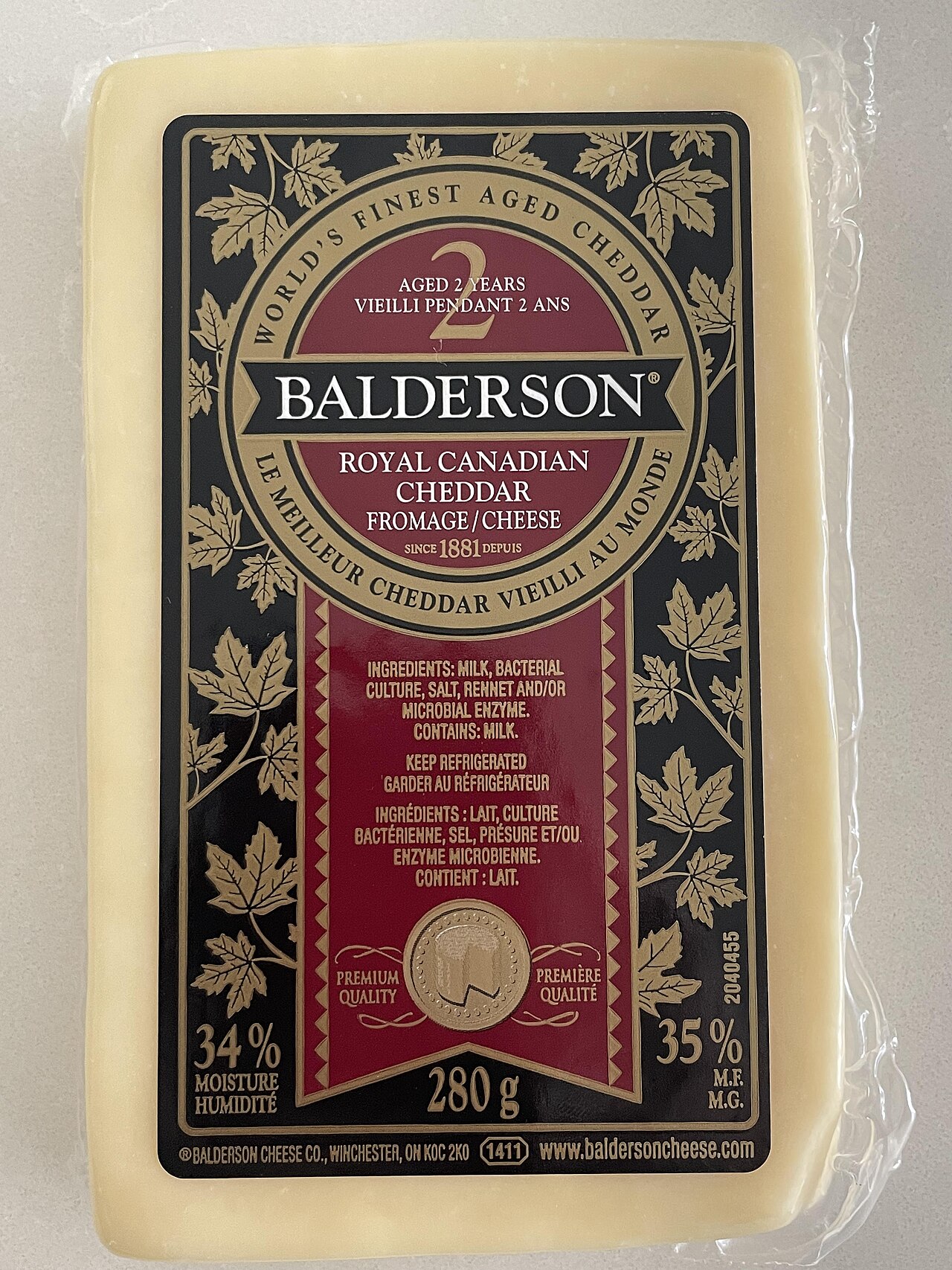
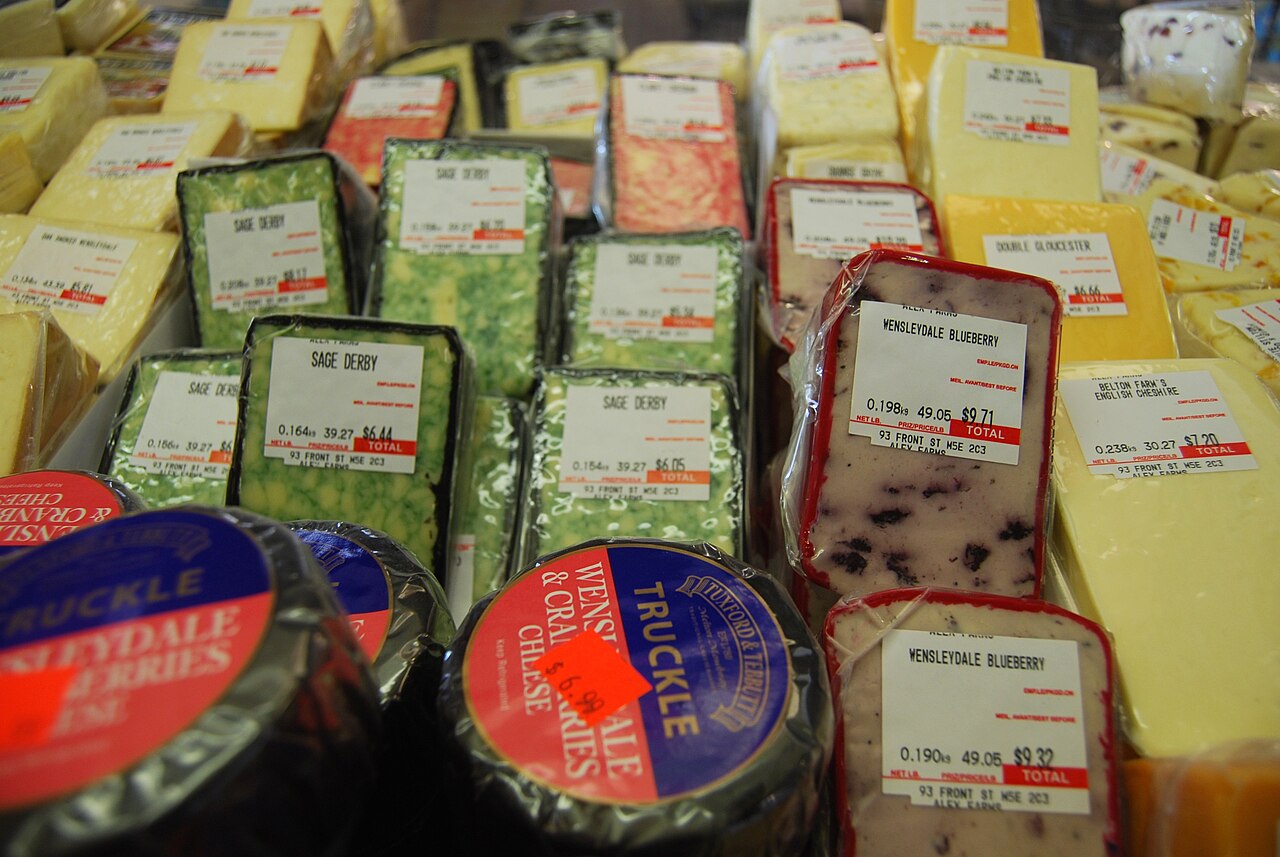
The golden age of Canadian artisanal and industrial cheese craft gave way to a different kind of dairy dominance. James Lewis Kraft, who grew up on an Ontario dairy farm before relocating to Chicago, built a processed cheese empire whose rise ran parallel to the decline of traditional Canadian cheese-making. Writer Sarah Champman notes that while Kraft cannot be solely blamed for the craft's downturn, his empire's growth corresponded directly with it. By 2012, Canada had shifted from being a major cheese exporter to a net importer, and Kraft Dinner macaroni and cheese had become the country's most popular grocery product and, in effect, its de facto national dish. Yet the modern landscape tells a more nuanced story. Canada now produces over 1,050 varieties and brands of cheese, classified into six categories based on moisture content: firm, soft, semi-soft, fresh, blue-veined, and hard, with most falling into the firm, soft, or semi-soft groups. In Québec, the annual Sélection Caseus competition, launched in 1999, awards gold, silver, and bronze prizes alongside category-specific honors, celebrating the province's continued commitment to quality cheesemaking.
Gallery

Frequently Asked Questions
Who is Canadian cheese?
Canadian cheese is a broad family of dairy products whose story begins in 1608 or 1610, when Samuel de Champlain introduced Normandy cattle to the early colony. It has since grown into one of Canada's most enduring food traditions.
What are Canadian cheese's powers/role?
Canadian cheese spans more than 1,050 distinct varieties and brands, making it one of the most diverse cheese outputs in the world. Québec alone accounts for more than half of all Canadian cheese manufacturers, anchoring the industry in that province.
Why is Canadian cheese important?
Cheddar from Canada became a massive export, reaching 234 million pounds shipped abroad by 1904. At its peak around the turn of the 20th century, Ontario alone was home to 1,242 cheddar factories, cementing cheese as a pillar of the national economy.
When did Canadian cheese first appear?
The earliest recorded cheese-making in Canada traces to 1608 or 1610, tied to the arrival of Champlain's cattle. The first purpose-built commercial cheese factory opened in 1864 in Norwich, Ontario, marking the industry's shift from farmstead to factory production.
More in Canadian cuisine 1-24
Spotted an error? Know more?
Reader corrections go straight into our review queue. Suggest an edit · How this site is sourced