
Bacon and cabbage
Traditional Irish dish of boiled bacon and cabbage.

Auctor quaerendae · CC BY-SA 4.0
Bacon and cabbage—known as *bagún agus cabáiste* in Irish—is a meal strongly tied to Ireland. The main ingredients are back bacon, boiled with cabbage, and potatoes are served alongside. Smoked bacon is an option some cooks choose. The bacon is sliced before serving, and a bit of the cooking liquid is spooned over it. White sauce, made from flour, butter, and milk, often flavored with parsley, is another common addition. This dish is widely considered a post-medieval Irish development, not Roman in origin, and was also eaten in England.
The cut of bacon can vary based on personal taste. A brined shoulder butt or picnic shoulder is typical, though other cuts are used. Almost always, the bacon is cured. Traditionally, curing meant storing the meat in salt for a long period, but modern mass-produced bacon is cured more quickly with brine, sometimes injected into the meat. Smoking the bacon adds a deeper flavor that some prefer. In Ireland, “home-cured” or “hard-cured” bacon is also available—cured over a long stretch, then stored wrapped in paper for another long period. This results in a very salty, hard, yellowish bacon.
The dish has its roots in Ireland, where it became common because many families raised their own pigs and grew their own vegetables. It was seen as nourishing and filling, and it remains a frequent meal in Irish homes today.
Corned beef and cabbage, often linked to Irish immigrants in the United States, has a more complex history. Many food historians note that corned beef and cabbage was already eaten in Ireland (using cheaper imported corned beef) before mass Irish immigration to the US, so the simple substitution narrative is disputed. This version sometimes includes carrots and potatoes, making it similar to a New England boiled dinner, which typically mixes root vegetables with boiled meat and cabbage. The name “corned” comes from the large salt grains, once called “corns,” used in curing the beef. Corned beef and cabbage is still popular in parts of the U.S. and Ireland.
On Newfoundland, where Irish and English settlers were numerous, this dish and the English boiled beef led to a boiled dinner with salted beef known as Jiggs dinner.
In his 1963 book *Strong Tea*, John B.
Quick Facts
- Country
- Ireland
- Course
- Main
- Main Ingredient
- Bacon (green back or smoked) and cabbage
- Variations
- Corned beef and cabbage, pork ribs and cabbage, breast bones and cabbage
Facts from the source article.
Lore & Background
Historically, this dish originated in Ireland and was common fare in Irish homes because the ingredients were readily available, as many families grew their own vegetables and reared their own pigs. It was considered nourishing and satisfying. The dish continues to be a very common meal in Ireland.
The bacon used can vary, but is almost always cured. Traditional curing involves storing bacon in salt over a long period; modern mass-produced bacon is cured using brine, sometimes injected to speed the process. Smoked bacon is also used. In Ireland, 'home-cured' or 'hard-cured' bacon is cured over a long period and stored wrapped in paper, resulting in a very salty, hard, yellowish bacon.
Corned beef and cabbage has a disputed origin: while often attributed to Irish immigrants substituting corned beef for bacon in the mid-to-late 19th century, many food historians note that corned beef and cabbage was already eaten in Ireland (using cheaper imported corned beef) before mass Irish immigration to the US. On the island of Newfoundland, the dish gave rise to a boiled dinner featuring salted beef called Jiggs dinner.
Reader's Guide
Bacon and cabbage is a foundational dish in Irish cuisine, reflecting the historical self-sufficiency of Irish households that raised pigs and grew cabbage. Its simplicity and nourishing qualities made it a staple. The dish's influence extended to the United States, where Irish immigrants adapted it using corned beef, creating a new culinary tradition. Similarly, in Newfoundland, it evolved into Jiggs dinner. The dish remains common in Ireland and is referenced in literature, such as John B. Keane's 1963 book 'Strong Tea', which describes home-cured bacon boiling with cabbage. Its long history, dating to Roman times, and its association with both Ireland and England underscore its enduring cultural significance.
Did You Know?
- The dish has been known since Roman times.
- In Ireland, 'home-cured' bacon is very salty, hard in texture, and yellowish in colour.
- Corned beef and cabbage originated when Irish immigrants substituted bacon with corned beef in the mid-to-late 19th century.
The Dish and Its Preparation
Bacon and cabbage, known in Irish as bagún agus cabáiste, is a dish especially associated with Ireland. At its heart, the meal features sliced back bacon boiled alongside cabbage, served with potatoes. The cooking liquid is not discarded; rather, some of the boiling juices are added back over the sliced bacon at the table, enriching the flavour of each piece. A widely enjoyed accompaniment is a white sauce built from flour, butter, and milk, sometimes given an extra note of flavour with an addition such as parsley. Smoked bacon may be substituted for the more standard cured variety, offering a different aromatic profile. Despite its modest ingredient list, the dish delivers a deeply satisfying, nourishing experience that has kept a firm place on Irish dining tables for generations, relying on just a few pantry staples to produce a complete and comforting meal.
Bacon Selection and Curing Traditions
The cut and curing method of the bacon can vary according to personal taste and regional habit. A brined shoulder butt or picnic shoulder is the most frequently chosen cut, though other portions are sometimes preferred. What remains nearly universal is that the bacon is cured in some form. The traditional method is a slow, patient process of storing the meat in salt over an extended period. Modern mass production often shortcuts this by injecting a brine solution directly into the meat, a faster technique that trades some of the slow-developed character for convenience. Smoking is another option, imparting a deeper, smokier flavour that some diners actively seek out. In Ireland, one can still purchase what is called home-cured or hard-cured bacon, which undergoes a lengthy curing followed by a further long spell of storage wrapped in paper. The finished product is notably very salty, firm in texture, and yellowish in colour, representing the most traditional end of the curing spectrum.
Historical Roots and Cultural Significance
The pairing of pork and cabbage is far from a modern invention. The dish has been recognised since Roman times and was also associated with England before becoming especially emblematic of Irish home cooking. In Ireland, bacon and cabbage rose to prominence as common fare because the ingredients were extraordinarily accessible to ordinary families. Many households grew their own vegetables and reared their own pigs, meaning the essential components of the meal were often produced within the home or the immediate community. This self-sufficiency made the dish both practical and deeply nourishing, a satisfying meal that required little beyond what the land and the farmyard could supply. Far from being a humble afterthought, it stood as a cornerstone of the Irish diet. Even in the present day, the dish continues to be a very common meal in Ireland, serving as a living connection to centuries of domestic cooking that has endured well beyond the era of subsistence farming.
Legacy and Descendant Dishes
The influence of the original Irish pairing stretches well beyond the island's shores. In the mid-to-late nineteenth century, Irish immigrants in the United States began substituting the traditional bacon with corned beef, thereby creating the now-iconic corned beef and cabbage. The term corned derives from the large grains of salt, historically called corns, used to cure the beef. This American adaptation frequently includes additional vegetables such as carrots and potatoes, giving it a resemblance to the New England boiled dinner, which similarly combines a mixture of root vegetables with boiled meat and cabbage. The dish's reach also extended to the island of Newfoundland, where Irish and English settlers, who made up a large proportion of the founding population, blended their culinary traditions to produce Jiggs dinner, a boiled dinner centred on salted beef. Corned beef and cabbage remains a popular food in certain areas of both the United States and Ireland, ensuring the original pairing lives on in evolved forms across the Atlantic.
Gallery
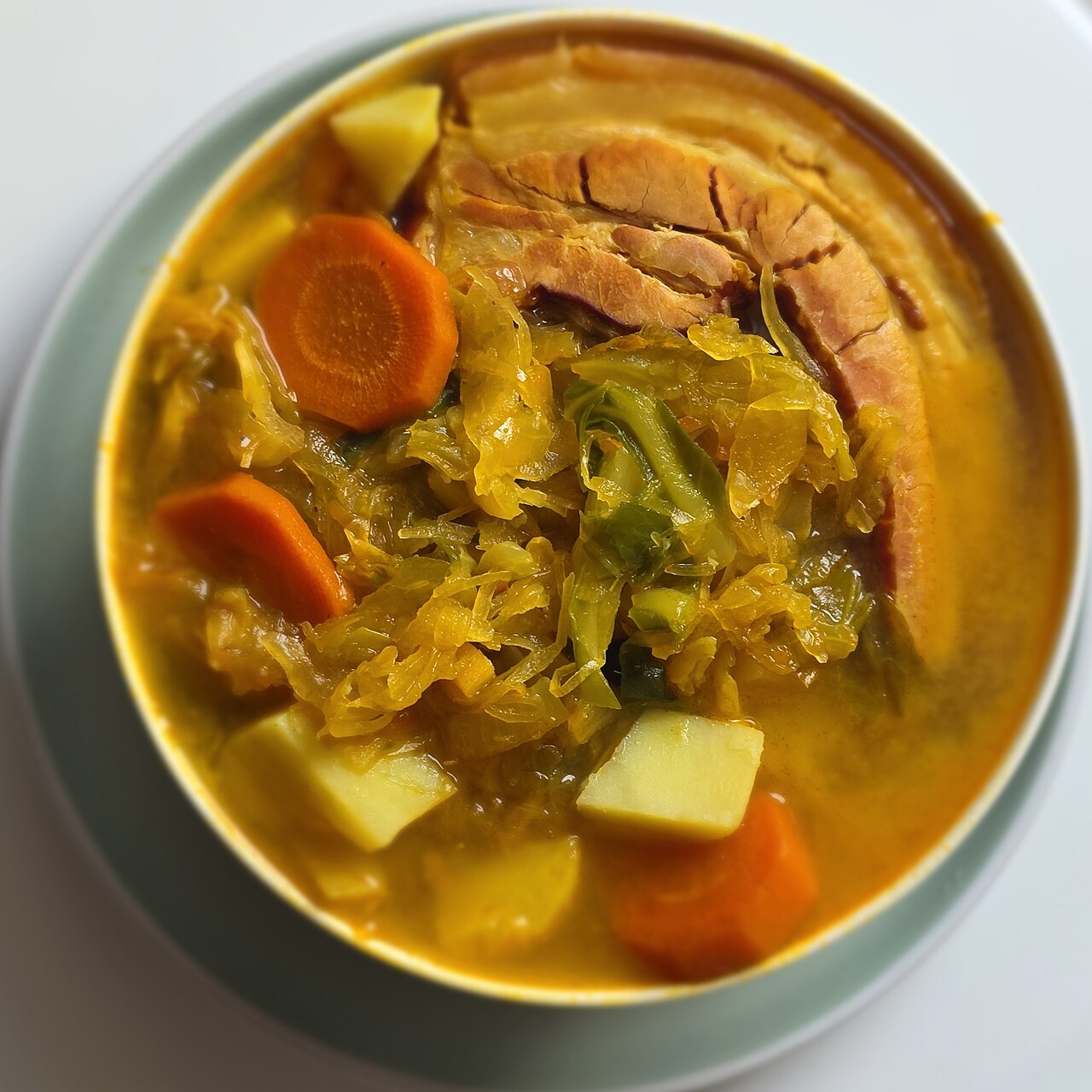
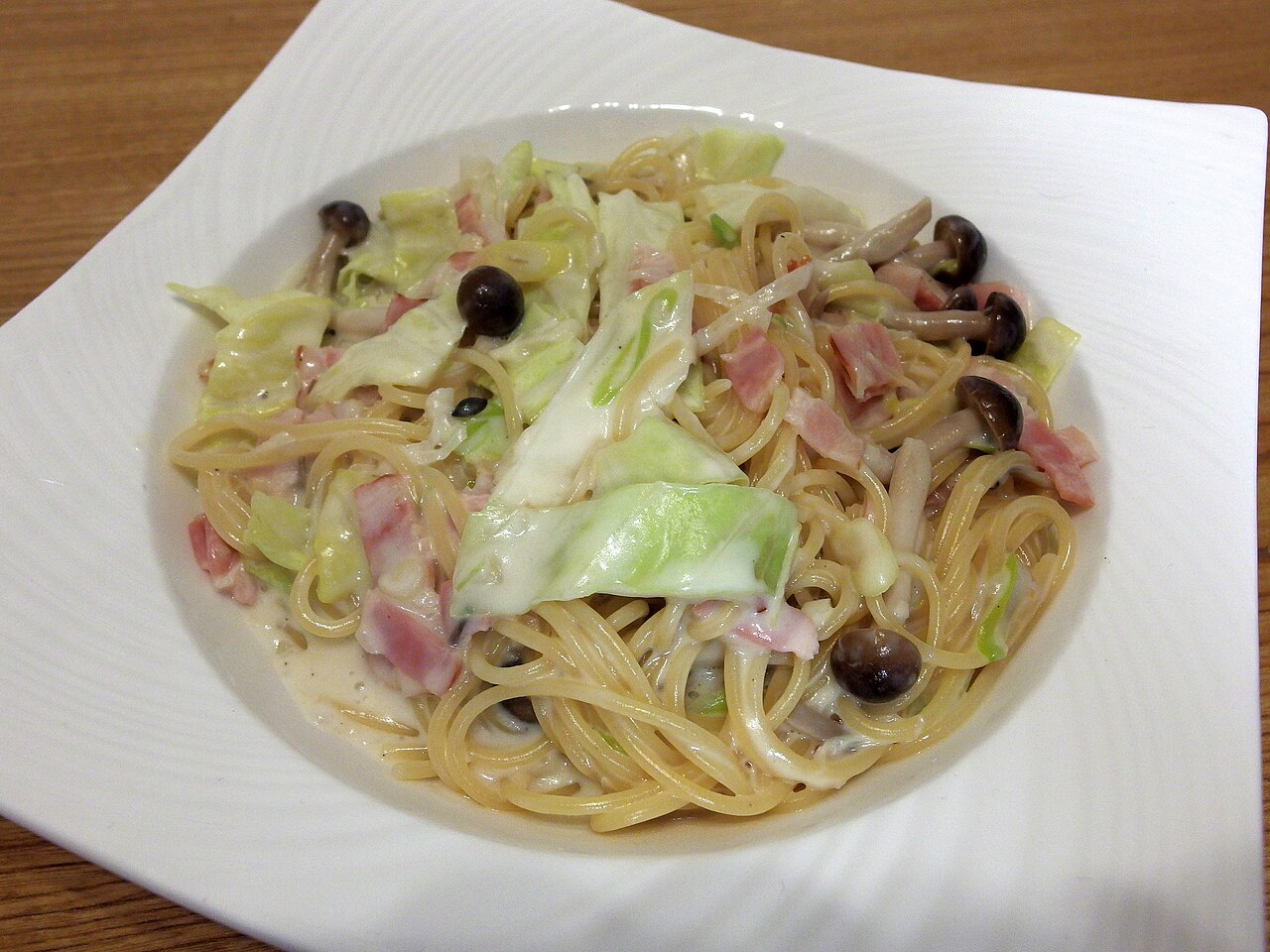
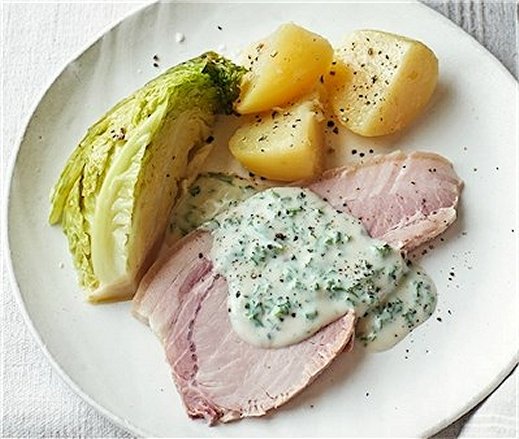
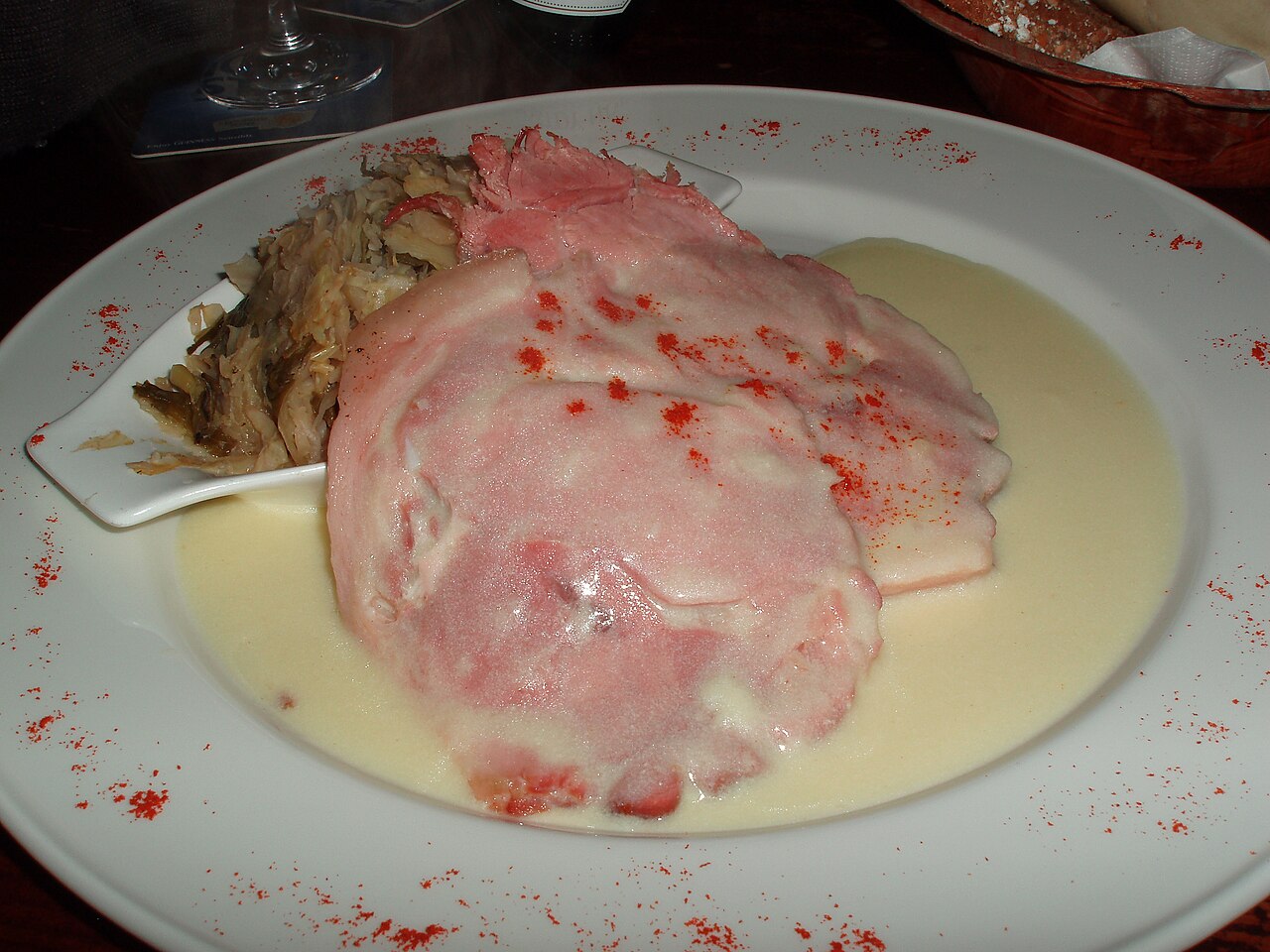
Frequently Asked Questions
What is Bacon and cabbage and where does it come from?
It is a traditional boiled dish that originated as a post-medieval development in Ireland, not a Roman-era recipe, and it was also commonly eaten in England.
What are the core ingredients in Bacon and cabbage?
The dish centers on back bacon boiled together with cabbage, with potatoes served on the side.
What is the Irish name for Bacon and cabbage?
In Irish it is called bagún agus cabáiste, which directly translates to the two headline ingredients of the meal.
How is the bacon typically prepared and served?
The bacon is sliced before plating, and a little of the starchy cooking liquid is spooned over the top; a white sauce made from flour, butter, milk, and parsley is a popular accompaniment.
Can you use smoked bacon instead of back bacon?
Yes, smoked bacon is an acceptable substitute that some home cooks prefer, though back bacon remains the traditional cut, and the exact cut can vary based on personal taste.
More in Canadian cuisine 1-24
Spotted an error? Know more?
Reader corrections go straight into our review queue. Suggest an edit · How this site is sourced