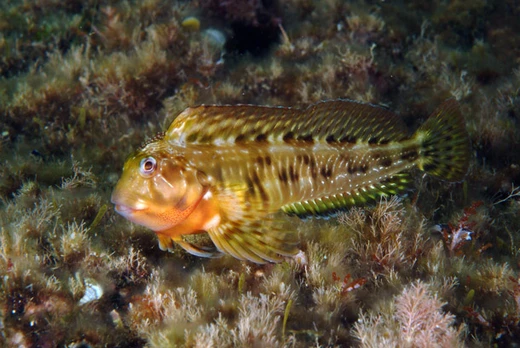
Malacoctenus
A genus of labrisomid blennies from the Atlantic and eastern Pacific.

Malacoctenus is a genus of fish belonging to the labrisomid blenny family. These fish are found in the eastern Pacific Ocean and the Atlantic Ocean. There are 23 recognized species in this genus, with a significant number first described by V. G. Springer in 1959.
Quick Facts
- Taxon
- Malacoctenus
- Type Species
- Clinus delalandii
- Type Species Authority
- Valenciennes, 1836
Facts from the source article.
Lore & Background
Malacoctenus is a genus within the family Labrisomidae, comprising blennies found in both the eastern Pacific Ocean and the Atlantic Ocean. The genus includes 23 recognized species, with many described by V. G. Springer in 1959, such as Malacoctenus boehlkei, Malacoctenus costaricanus, Malacoctenus ebisui, Malacoctenus gigas, Malacoctenus hubbsi, Malacoctenus mexicanus, Malacoctenus polyporosus, Malacoctenus sudensis, Malacoctenus triangulatus, and Malacoctenus zacae. Other species were described by various authors including Cadenat, C. L. Smith, Poey, Steindachner, Fowler, Cope, Jordan & Gilbert, and Heller & Snodgrass.
Reader's Guide
The genus Malacoctenus is significant as a diverse group of labrisomid blennies distributed across the eastern Pacific and Atlantic Oceans. Its 23 recognized species include many with common names such as Goldline blenny, Diamond blenny, Fishgod blenny, Sonora blenny, Dusky blenny, Redside blenny, Rosy blenny, Margarita blenny, Throatspotted blenny, Saddled blenny, Barfin blenny, Zaca blenny, Glossy blenny, and Belted blenny. The genus was notably studied by V. G. Springer, who described ten of its species in 1959. The species span a wide temporal range, from Malacoctenus delalandii described in 1836 to Malacoctenus carrowi described in 2014. This genus contributes to the understanding of blenny diversity in tropical and subtropical waters.
Did You Know?
- Malacoctenus is a genus of labrisomid blennies.
- The genus is native to the eastern Pacific Ocean and the Atlantic Ocean.
- There are 23 recognized species in the genus Malacoctenus.
- V. G. Springer described ten species of Malacoctenus in 1959.
More in Blennies, Part 2 1-24
Spotted an error? Know more?
Reader corrections go straight into our review queue. Suggest an edit · How this site is sourced