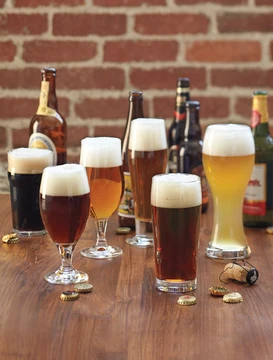
Ice beer
A freeze-concentrated beer with higher alcohol and lower price.

Hainanman · CC BY-SA 4.0
Ice beer is a beer that has undergone some degree of freezing during production, a process known as fractional freezing or freeze distillation. By lowering the temperature until ice crystals form and then removing the ice, the alcohol concentration increases because ethanol has a much lower freezing point than water. These beers generally have a higher alcohol content and a lower price relative to that content.
Quick Facts
- Alcohol
- 5.5-12%
- Originalgravity
- 1.061
Facts from the source article.
Lore & Background
Ice beer was developed by brewing a strong, dark lager, then freezing the beer and removing some of the ice. This concentrates the aroma and taste and raises the alcoholic strength, producing a beer with 12 to 15 per cent alcohol. In North America, water would be added to lower the alcohol level. The traditional eisbock method was introduced to Canada in 1989 by the microbrewery Niagara Falls Brewing Company, which started with a strong dark lager (6% ABV) and used freezing to increase the strength to 8% ABV. That beer was released annually as a seasonal winter beer until the company was sold in 1994.
Despite this precedent, the large Canadian brewer Molson claimed to have made the first ice beer in North America when it introduced Canadian Ice in April 1993. However, its main competitor Labatt claimed to have patented the ice beer process earlier. When Labatt introduced an ice beer in August 1993, capturing a 10% market share in Canada, this instigated the so-called 'Ice Beer Wars' of the 1990s. Labatt patented a specific method for chill-treating beer in 1997, 1998 and 2000. Miller acquired the U.S. marketing and distribution rights to Molson's products and first introduced Molson Ice in the United States in August 1993, also launching the Icehouse brand shortly thereafter. Anheuser-Busch introduced Bud Ice in 1994, followed by Busch Ice and Natural Ice in 1995. Natural Ice became the No. 1 selling ice beer brand in the United States, popular on college campuses due to its low price.
Reader's Guide
Ice beer's significance lies in its distinctive production method—freeze distillation—which sets it apart from other high-alcohol beers. The process, rooted in the traditional German eisbock technique, was adapted by North American brewers to create a mass-market product with a high alcohol-to-price ratio. The 'Ice Beer Wars' of the 1990s in Canada, sparked by competing claims from Molson and Labatt over who first introduced the style in North America, drove rapid market expansion and brand proliferation. Major breweries like Anheuser-Busch and Miller entered the fray, producing brands such as Bud Ice, Natural Ice, and Icehouse that remain widely available. The style's legacy includes both premium craft interpretations (like the original Niagara Falls Eisbock) and value-oriented mainstream offerings. In some areas, ice beers have been prohibited for sale due to their association with street drinking, reflecting their reputation as inexpensive, high-alcohol beverages. Despite this, Natural Ice remains the top-selling ice beer brand in the United States, and common Canadian brands in 2017 included Carling Ice, Molson's Black Ice, Busch Ice, Old Milwaukee Ice, Brick's Laker Ice, and Labatt Ice, with alcohol contents around 5.5 to 6 per cent.
Did You Know?
- The freezing process used to make ice beer is known as fractional freezing or freeze distillation, though it differs from true distillation.
- Labatt patented a specific method for making ice beer in 1997, 1998 and 2000.
- In some areas, ice beers are prohibited for sale because they are often bought by street drunks.
The Science Behind the Chill
Ice beer production relies on a principle called fractional freezing, sometimes referred to as freeze distillation, though it is technically distinct from true distillation. The core mechanism exploits the vast difference in freezing points between water and ethanol. Water solidifies at 0 °C (32 °F), while ethanol does not freeze until reaching approximately -114 °C (-173.2 °F). During the icing process, brewers lower the temperature of the beer until ice crystals begin to form. Because the water freezes long before the alcohol, removing those crystals effectively strips water from the liquid, leaving behind a beverage with a noticeably higher alcohol concentration. The traditional approach starts with a strong, dark lager, which is then frozen and partially de-iced to concentrate both the aroma and the flavor profile while simultaneously boosting the alcoholic strength. The finished product typically lands in the 12 to 15 percent alcohol range, though in North American markets, water is often blended back in to bring the level down to a more commercially acceptable figure.
Origins and the Canadian Pioneers
The concept of ice beer traces its roots to the traditional brewing of strong, dark lagers that were subsequently frozen and partially de-iced to intensify their character. In North America, the first documented commercial example emerged in 1989, when the microbrewery Niagara Falls Brewing Company introduced its Eisbock. The brewers began with a robust dark lager measuring 15.3 degrees Plato with an original gravity of 1.061 and a starting alcohol content of 6 percent by volume. By applying the traditional freeze-and-remove-ice technique, they concentrated the beer's aroma and flavors while raising the alcoholic strength to 8 percent ABV. Niagara Falls Eisbock was released each year as a seasonal winter offering, and its label featured a different historic view of the nearby Niagara Falls in winter. This annual tradition continued until the company was sold in 1994, marking the end of what would later be cited as the earliest ice beer precedent in the region.
The Ice Beer Wars
The 1990s in North America saw a fierce commercial rivalry that became known as the Ice Beer Wars. In April 1993, the large Canadian brewer Molson, now part of Molson Coors, launched Canadian Ice, claiming to have produced the first ice beer in North America. However, its main domestic competitor, Labatt, now part of Anheuser-Busch InBev, pushed back by asserting that it had patented the ice beer process earlier. When Labatt released its own ice beer in August 1993 and quickly captured a 10 percent share of the Canadian market, the rivalry escalated into a full-blown marketing and legal battle. Labatt subsequently filed patents in 1997, 1998, and 2000 for a specific chill-treating process. The method involved rapidly cooling beer to near its freezing point so that only minimal ice crystals formed, then briefly mixing the cooled beer with a beer slurry containing ice crystals before extracting the treated product. Meanwhile, in the United States, Miller acquired U.S. marketing rights to Molson's product and introduced it as Molson Ice in August 1993, while also launching the Icehouse brand under the Plank Road Brewery name.
Market Presence and Social Perception
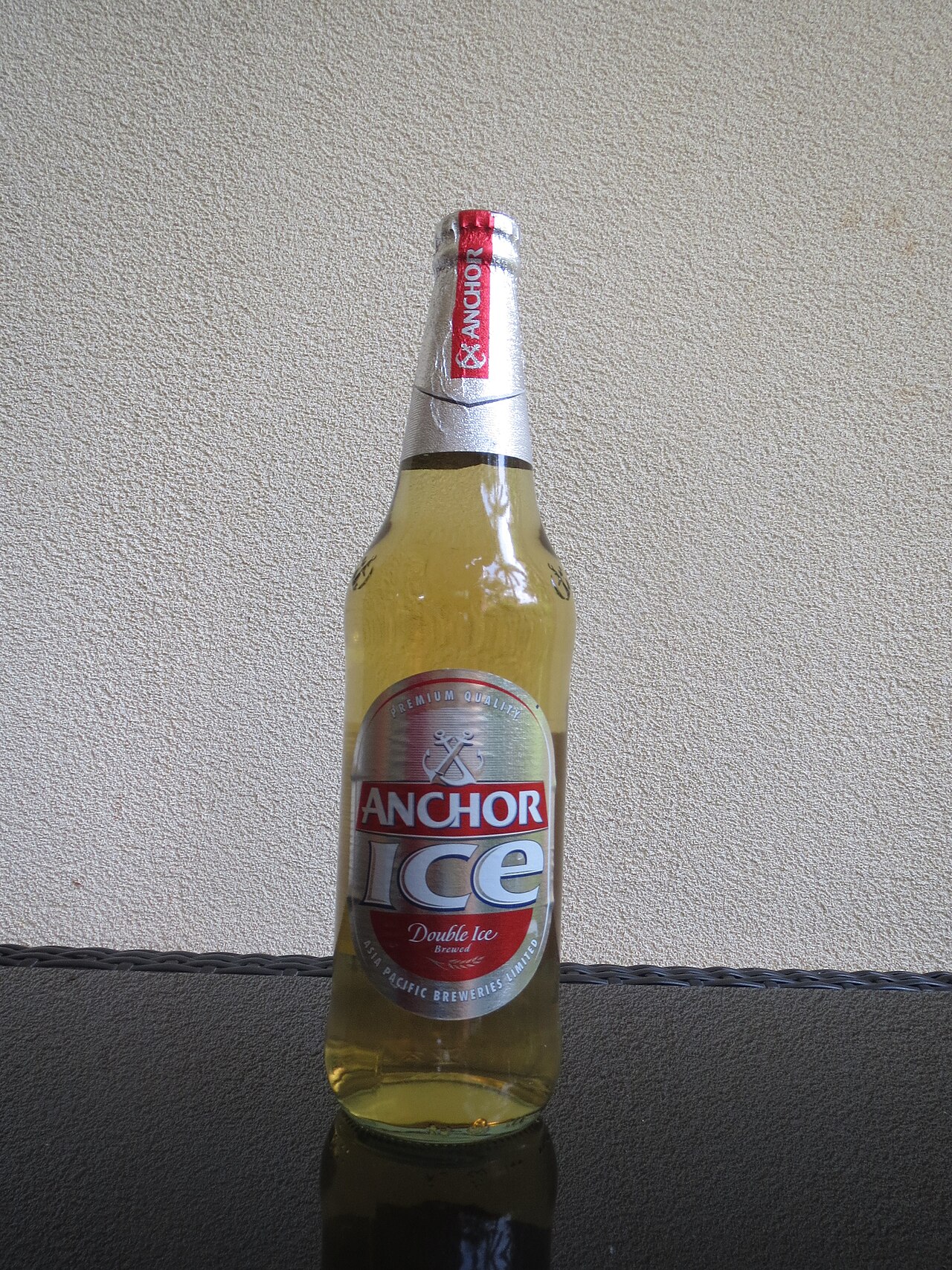
Ice beers occupy a distinctive niche in the global beer market, widely recognized for their high alcohol-to-price ratio. In the United States, Anheuser-Busch entered the category in 1994 with Bud Ice at 5.5 percent ABV, followed in 1995 by Busch Ice and Natural Ice, both at 5.9 percent. Natural Ice went on to become the number one selling ice beer brand in the country, with its low price making it especially popular on college campuses nationwide. In Canada, the 2017 market featured a range of ice beer products with approximately 5.5 to 6 percent alcohol content, including Carling Ice, Molson's Black Ice, Busch Ice, Old Milwaukee Ice, Brick's Laker Ice, and Labatt Ice, alongside Labatt Maximum Ice at a higher 7.1 percent. However, the category's affordability and strength have drawn regulatory scrutiny. In some regions, a substantial number of ice beer products are associated with what authorities describe as street drunks, leading to outright sales prohibitions. In the Seattle area, for instance, most of the products explicitly listed as prohibited in the beer and malt liquor category are ice beers.
Gallery
Frequently Asked Questions
What is Ice beer?
Ice beer is a style made through fractional freezing, in which the brewer chills the liquid until ice crystals form and then removes those crystals. Because the water freezes before the ethanol, the remaining liquid ends up with a higher alcohol level and a lower price per unit of ABV.
How does the freeze-concentration process actually work?
Ethanol has a far lower freezing point than water, so cooling the beer causes water to crystallize first while the alcohol stays in solution. Pulling out the ice effectively strips water from the batch, concentrating the alcohol without adding any new ethanol.
What alcohol range should I expect from an Ice beer?
Traditional eisbock-style ice beers reach 12 to 15 percent ABV, whereas the mass-market Canadian and US versions typically fall between 5.5 and 6 percent. Labatt Maximum Ice pushes to 7.1 percent, sitting above most of its competitors.
When and where did Ice beer first show up?
Niagara Falls Brewing Company in Canada produced the first North American eisbock in 1989, and Molson Canadian Ice became the first major Canadian ice beer in April 1993. The US market followed with Molson Ice in August 1993.
Which Ice beer brands are the most recognizable?
Frequently cited names include Bud Ice, Busch Ice, Carling Ice, Molson Black Ice, Old Milwaukee Ice, Brick's Laker Ice, and Labatt Ice. Natural Ice, launched in 1995 at 5.9 percent ABV, went on to become the best-selling ice beer in the United States.
More in Beer Styles 1-24
Spotted an error? Know more?
Reader corrections go straight into our review queue. Suggest an edit · How this site is sourced