Burton ale
A dark, sweet, strong ale from Burton-on-Trent, aged and often exported.

Wikimedia Commons · Public domain
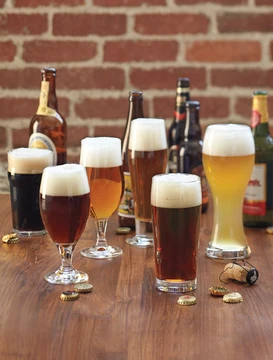
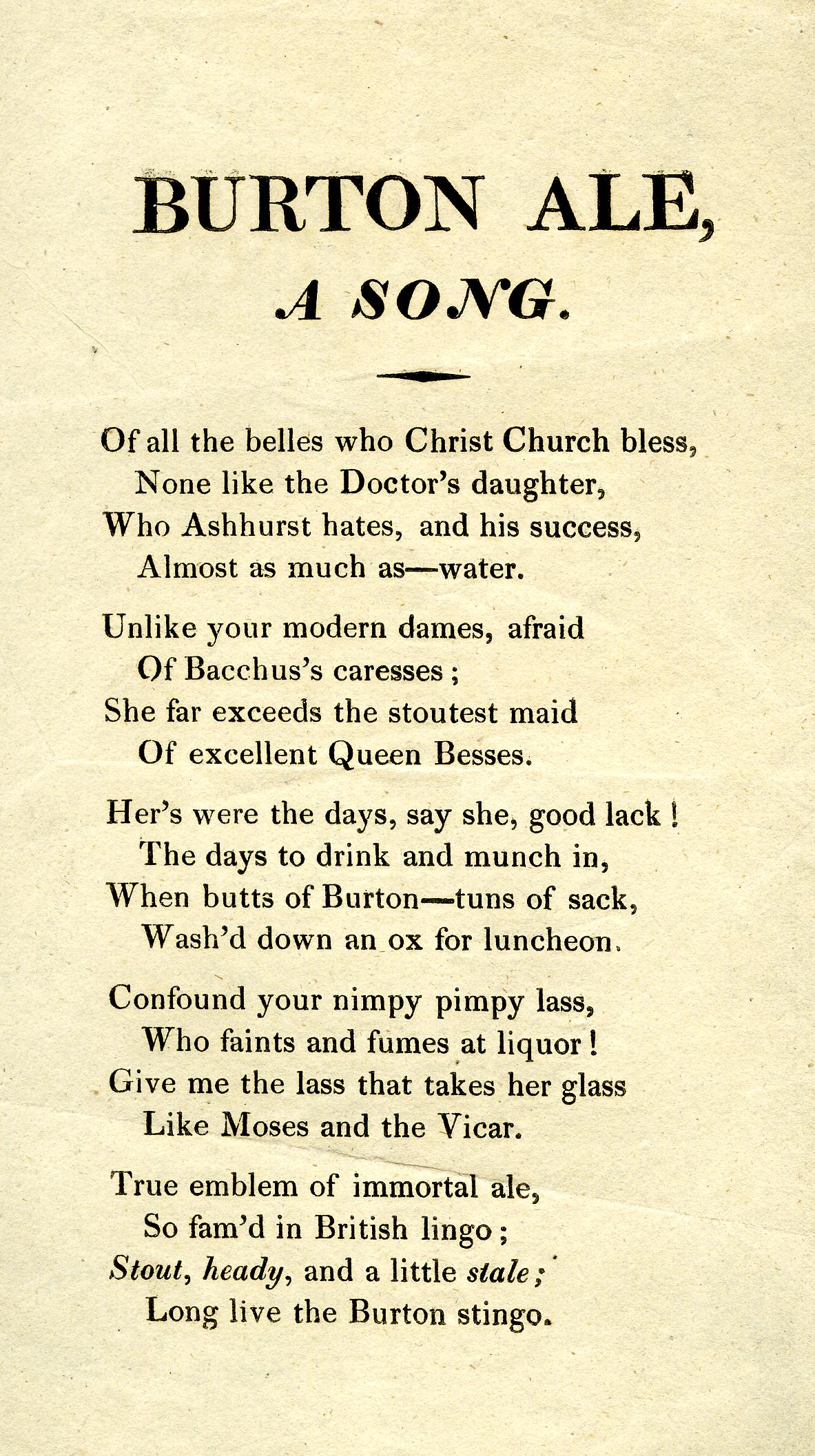
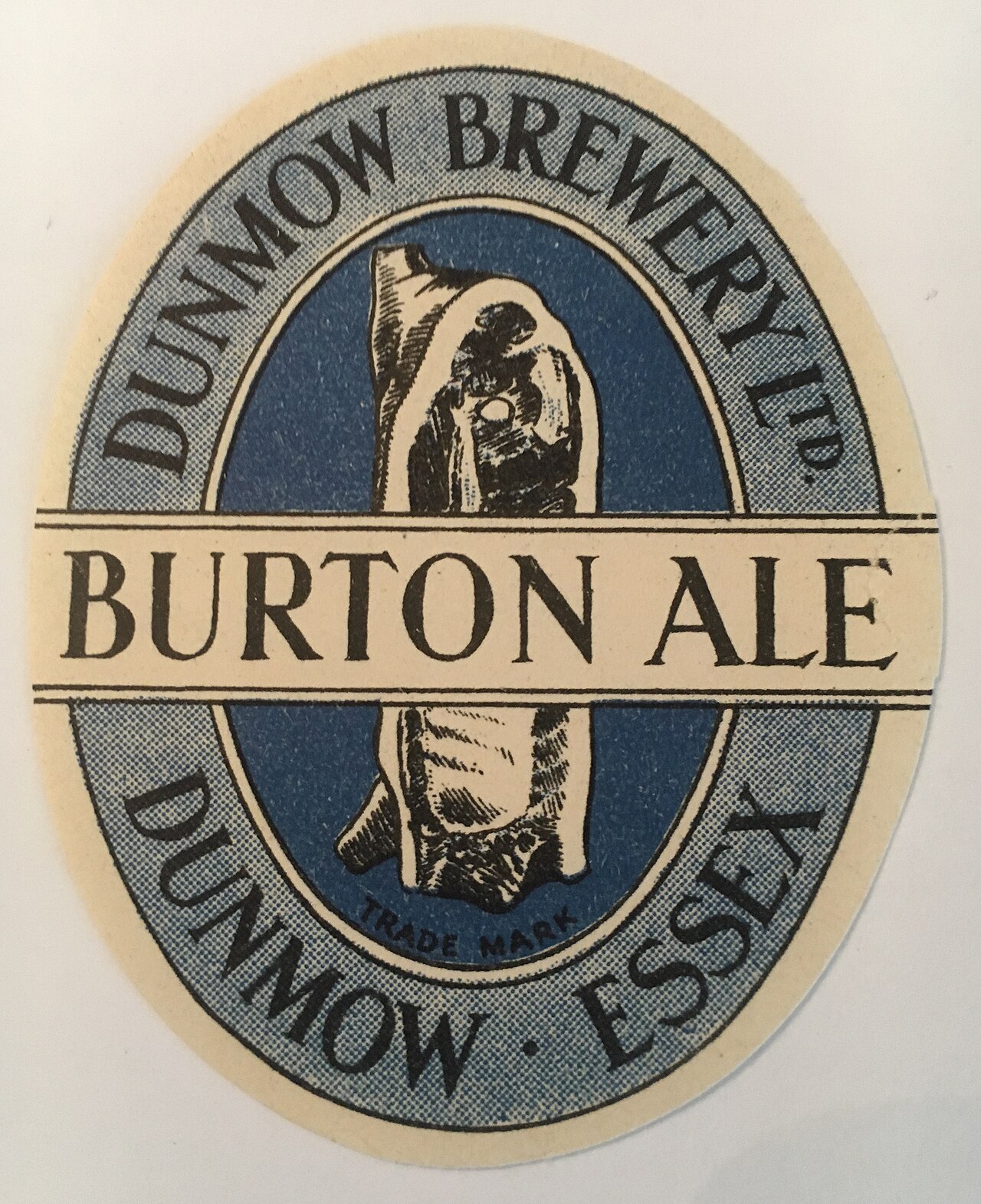
Burton ale is a type of strong ale that is dark, sweet, and fruity. It takes its name from the brewing town of Burton-on-Trent, where it was produced and exported widely. In London, the terms Burton ale and old ale were interchangeable, though Burton ale was distinctively darker, sweeter, and fruitier than other old ales and barley wines.
- Abv example
- 7.9% (Fuller's Old London Ale, brewed to an Old Burton recipe from 1905)
- Abv old burton example
- 11.24% (Allsopp's Arctic Ale, first brewed in 1852)
- First recorded london sale
- about 1630 (disputed); also cited as 1623
- Price in 1712
- 7s/6d per dozen bottles
- Barrels sold in london 1712
- 638
- Barrels sold in london 1722
- 1000
- Earliest export to south carolina
- 1726
Lore & Background
Burton ale traces its origins to Burton Abbey, established early in the eleventh century, which possessed its own brewhouse. By the mid-fourteenth century its products had gained national recognition. After the abbey's dissolution in 1540, the brewhouse passed to the Paget family, who encouraged malting and brewing at local inns. Account books from the 1470s record the purchase of Burton ale by a Derbyshire gentry family. In the 1580s, a Burton brewer assisted in conveying hidden messages to Mary, Queen of Scots during her captivity.
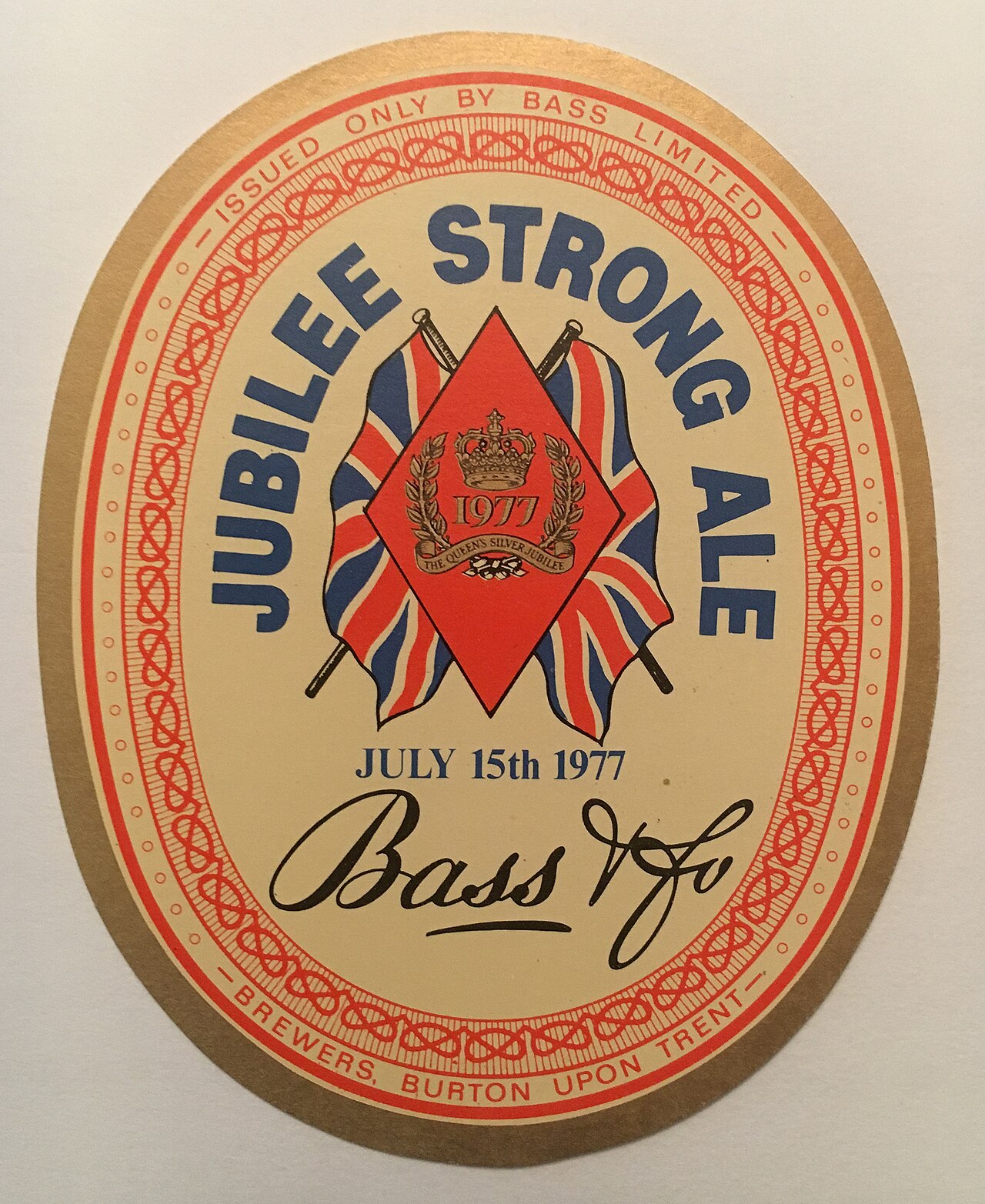
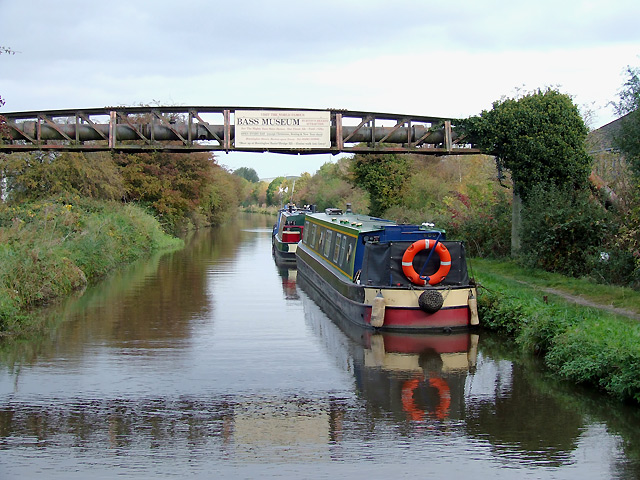
In the 17th century, the Trent valley became noted in London as a source of fine, expensive ales. Burton ale was sold in London by about 1630, though supporting evidence for that date is lacking; another source gives 1623. By 1712, a visit to Vauxhall Gardens might conclude with a glass of Burton ale and hung beef. A 1722 guidebook called Burton the most famous town in England for ale, noting that vast quantities were sent to London. Exports grew after the opening of the Burton Trent Navigation in 1712 and later the Trent and Mersey Canal in 1777. By 1748 a considerable trade had been established with Baltic ports, especially St Petersburg, where Peter the Great and Catherine the Great were said to be fond of the beverage. Burton ale was sold on Wall Street in New York by 1770 and had been sent to South Carolina as early as 1726.
Burton ales were generally aged and needed cellaring for months before serving, with some degree of secondary fermentation occurring during that time. The poet John Langhorne frequented the Burton ale house in Gray's-inn Lane, and in the 1780s the future George IV was among enthusiasts. Charles Lamb, John Mathew Gutch, and James White met at the Feathers in Holborn to drink Burton ale. In 1810 it was described as smooth, extremely heady, but not clear; in 1816 it was reckoned the best ale brought to London.
Reader's Guide
Burton ale's significance lies in its early establishment of a national and international reputation for a distinctively dark, sweet, and strong ale. It was among the first English ales to be exported in quantity, reaching the Baltic, Russia, North America, and Australia. The ale built the fortunes of major Burton brewers such as Benjamin Wilson, William Worthington, and William Bass. Its fame in London was such that calling an ale 'Burton ale' was the highest character one could give it. The style also produced a strong variant, Old Burton, referenced in The Wind in the Willows and exemplified by Allsopp's Arctic Ale, brewed at 11.24% ABV for an Arctic expedition. Burton ale's legacy includes its role in the development of the Burton brewing industry and its influence on the broader category of strong, aged ales. The style's characteristics—dark, sweet, fruity, and strong—set it apart from other old ales and barley wines of the period.
Did You Know?
- Burton ale was first sold in London at the Peacock in Gray's-Inn-lane.
- Allsopp's Arctic Ale, a version of Old Burton, was brewed at 11.24% ABV for Captain Edward Belcher's 1852 Arctic expedition.
- Burton ale was exported to South Carolina as early as 1726.
- In 1712, Burton ale sold in London for 7s/6d per dozen bottles.
Gallery
Frequently Asked Questions
Who is Burton ale?
Burton ale is a strong, dark, sweet, and fruity ale that originated in the English brewing town of Burton-on-Trent. It was brewed there and shipped widely, becoming a well-recognized export in London markets.
What are Burton ale's powers/role?
Its signature profile is a richly dark color paired with pronounced sweetness and fruity character, which set it apart from other old ales and barley wines of its era. Modern examples span a wide strength range, from roughly 7.9% ABV (Fuller's Old London Ale, brewed to a 1905 Burton recipe) up to 11.24% (Allsopp's Arctic Ale, first brewed in 1852).
Why is Burton ale important?
It was one of the earliest strong ales to be systematically exported from a single English town, with trade records showing 638 barrels sold in London by 1712 and 1,000 barrels by 1722. Its early London presence, cited as far back as 1623 or 1630, makes it a key data point in the history of English ale distribution and pricing (7 shillings and 6 pence per dozen bottles in 1712).
What's Burton ale's backstory?
The style is named directly for Burton-on-Trent, the town where it was brewed, and in London the terms 'Burton ale' and 'old ale' were used interchangeably for a time. What distinguished Burton ale from other old ales was its notably darker, sweeter, and fruitier character.
More in Beer Styles 1-24
Spotted an error? Know more?
Reader corrections go straight into our review queue. Suggest an edit · How this site is sourced