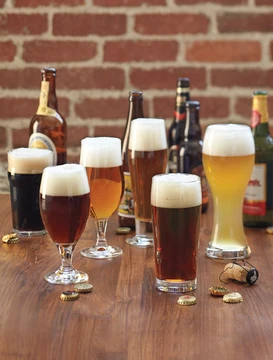
Gueuze
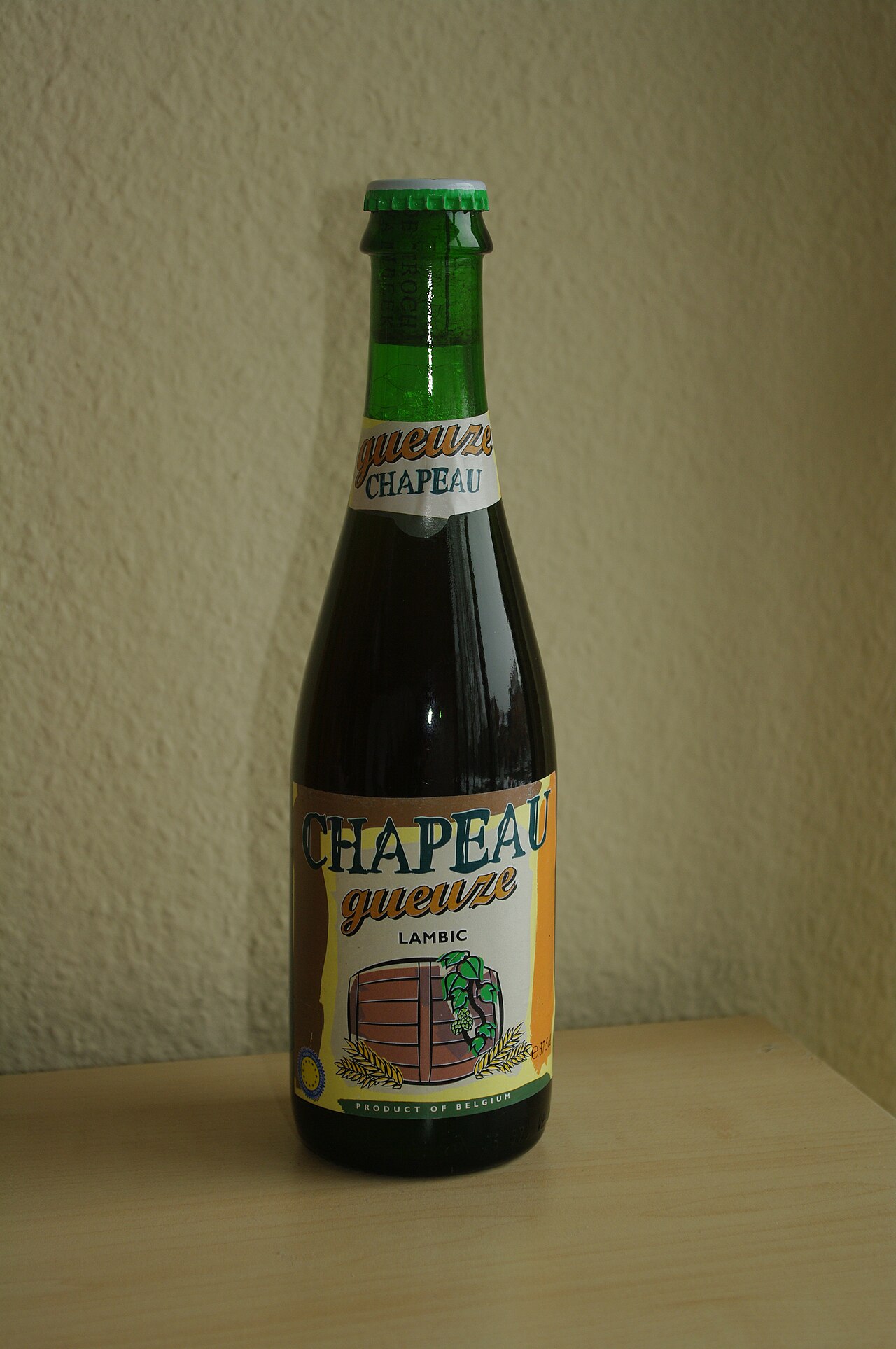
A blended lambic, sour and highly carbonated, called Brussels Champagne.

Soti · CC BY-SA 3.0
Gueuze is a Belgian beer made from lambic, produced by mixing young lambic (aged one year) with older lambic (aged two to three years) and then bottling the blend for a second fermentation. The young lambic still contains fermentable sugars because it hasn't fully fermented, which fuels this secondary fermentation in the bottle.
Because it is a lambic blend, gueuze tastes quite different from standard ales and lagers. The aged hops used in lambics contribute no noticeable hop aroma or bitterness. Instead, the wild yeasts characteristic of lambic give gueuze a dry, cider-like, musty, and sour flavor, with notes of acetic and lactic acid. Many people describe this taste as sour and "barnyard-like." Gueuze is also highly carbonated—typically between 3.5 and 4.5 volumes of carbon dioxide—which has earned it the nickname "Brussels Champagne."
In modern times, some brewers add sweeteners like aspartame to their gueuzes to make them more palatable to a broader audience. The original, unsweetened version is commonly called "Oude Gueuze" (Old Gueuze), which gained popularity in the early 2000s. British beer writer Tim Webb notes that the term "Oude gueuze" or "oude geuze" is now legally defined, referring to a drink made by blending two or more 100% lambic beers.
Traditionally, gueuze is served in champagne bottles holding either 375 or 750 ml. It has historically been produced in the Pajottenland region and Brussels, though some breweries outside this area now make it as well. Both "Oude" and other gueuzes received the European Union's Traditional Speciality Guaranteed (TSG) designation in 1997/98, which sets a registered production method and product specifications for any gueuze sold in the EU, though it does not carry the same legal protection as a protected designation of origin or geographical indication.
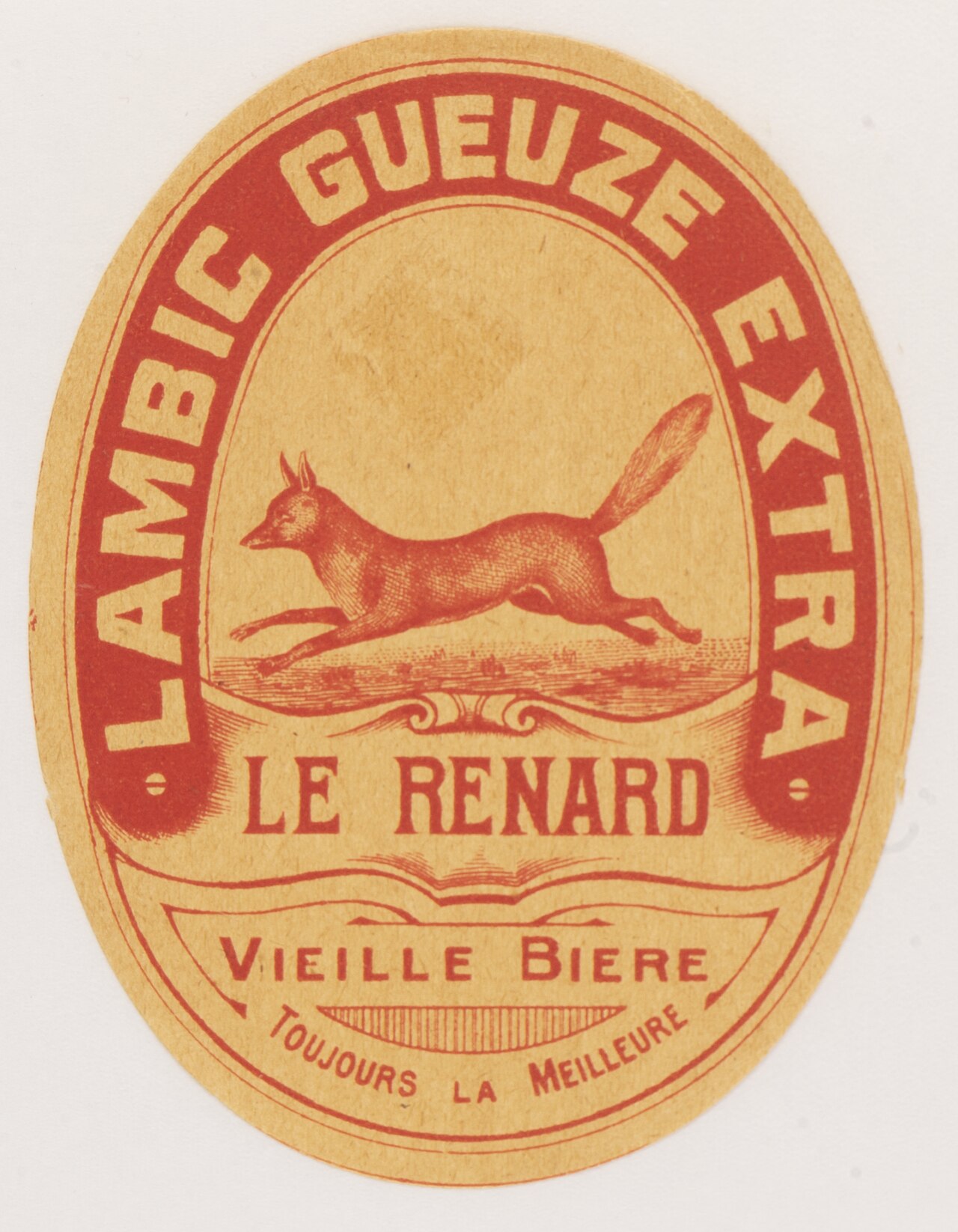
The name "gueuze" first appeared as the Dutch word "geuze-bier" in a French text from 1829. Its origin is debated. One theory traces it to "geysa" (geyser), an Old Norse word for gush, because vigorous fermentation can cause gueuze to spew from the bunghole of its oak barrel. Another derives it from "Geuzenstraet" (Geuzen Street) in Brussels, an old street that once held the entrance to the "La Bécasse" pub (now erased, next to Rue de Tabora).
Quick Facts
- Origin
- Belgium (Zenne Valley, Pajottenland)
- Yeast
- Spontaneous fermentation
- Alcohol
- 5–9%
- Maltpercentage
- 60–70%
Facts from the source article.
Lore & Background
The name was first seen as the Dutch word 'geuze‑bier' in a French text in 1829. There is debate on the word's origin: one theory derives it from 'geysa' (geyser), Old Norse for gush, because during vigorous fermentation gueuze can spew from the bunghole of its oak barrel. Another theory derives it from a street called 'Geuzenstraet' in Brussels, an old street that used to host the former entrance of 'La Bécasse' pub. A further theory derives it from the French word 'gueuse' (meaning pig iron or raw iron), as originally gueuze was defined as raw (unblended), aged, but fine‑tasting lambic.
In modern times, some brewers have added sweeteners such as aspartame to their gueuzes to sweeten them, trying to make the beer more appealing to a wider audience. The original, unsweetened version is often referred to as 'Oude Gueuze' ('Old Gueuze') and became more popular in the early 2000s. The term 'Oude gueuze' or 'oude geuze' is now legally defined and refers to a drink made by blending two or more 100% lambic beer. Commercial production of gueuze commenced in the 19th century.
Some American craft breweries have begun blending young and old sour beers to produce their own versions of traditional gueuze. In 2016 Jester King Brewery released a blended, spontaneously fermented beer labelled 'Méthode Gueuze.' The High Council for Artisanal Lambic Beers (HORAL) objected, and after a meeting in Belgium, Jester King agreed to use the designation 'Méthode Traditionelle' instead. The designation has not caught on among American brewers, being used only by Jester King and TRVE Brewing, and has caused confusion with the Méthode Traditionelle used by French champagne makers and Languedoc‑Roussillon wine makers.
Reader's Guide
Gueuze is significant as a traditional Belgian lambic blend that showcases the unique character of spontaneously fermented beer from the Pajottenland and Brussels region. Its production method—blending young and old lambics to create a second fermentation in the bottle—produces a dry, sour, highly carbonated beer that stands apart from most other beer styles. The beer's reputation as 'Brussels Champagne' reflects its effervescence and celebratory association. The legal definition of 'Oude Gueuze' as a blend of 100% lambic beers, and its EU Traditional Speciality Guaranteed status, protect the traditional method against sweetened or non‑traditional versions. The controversy over American brewers using the term 'Méthode Gueuze' and the subsequent adoption of 'Méthode Traditionelle' highlights the tension between preserving regional authenticity and allowing innovation outside the traditional origin. The list of commercial producers—including 3 Fonteinen, Boon, Cantillon, and many others—demonstrates that gueuze remains a living, evolving style with deep roots in Belgian brewing culture. Its legacy lies in its uncompromising sourness, its reliance on wild yeasts and aged hops, and its status as a benchmark for blended sour beers worldwide.
Did You Know?
- Gueuze is made by blending young (1‑year‑old) and old (2‑ to 3‑year‑old) lambics, then bottling for a second fermentation.
- The name 'geuze‑bier' first appeared in a French text in 1829.
- Gueuze is sometimes called 'Brussels Champagne' due to its high carbonation (3.5 to 4.5 volumes of CO₂).
The Art of Blending and the Second Fermentation
Gueuze occupies a unique position in the Belgian brewing landscape as a lambic born from the marriage of two vintages. The process begins by blending one-year-old lambic with lambic that has matured for two to three years. Because the younger component has not completed its full fermentation, the resulting mixture still carries fermentable sugars. When this blend is sealed into a bottle, those residual sugars fuel a second, lively fermentation that transforms the character of the beer. The flavor profile is nothing like what a drinker would expect from conventional ales or lagers. Aged hops strip away the bright, floral hop character found in most beers, while the wild yeasts native to lambic production impart a complex array of sensations: dry, cider-like, musty, sour, with notes of acetic and lactic acid. Many tasters describe the overall impression as distinctly barnyard-like. The beer is also remarkably effervescent, carrying between 3.5 and 4.5 volumes of carbon dioxide, a level of fizz that has earned it the affectionate nickname Brussels Champagne.
A Name with Roots in Multiple Languages
The word gueuze first appeared in written record as the Dutch compound geuze-bier within a French text dated 1829, but its true origin remains a matter of scholarly debate. One compelling theory traces it to the Old Norse word geysa, meaning to gush, a reference to the vigorous second fermentation that can cause the beer to spurt dramatically from the bunghole of an oak barrel. A second theory points to a now-erased Brussels street called Geuzenstraet, which once marked the former entrance to a pub known as La Bécasse; the street sat near what is today Rue de Tabora. A third possibility links the name to the French word gueuse, meaning pig iron or raw iron, reflecting an older definition of the beer as a raw, unblended, yet fine-tasting aged lambic. Whichever etymology proves correct, the name has carried with it a sense of something rough, unrefined, and powerfully alive.
The Sweetened Debate and American Ambitions
In the modern era, a tension has emerged between purists and those seeking broader appeal. Some brewers began adding sweeteners such as aspartame to soften the naturally sharp, acidic character of gueuze, aiming to make the beer more approachable. In response, the original unsweetened version came to be called Oude Gueuze, a term that gained significant popularity in the early 2000s. British beer writer Tim Webb has emphasized that the term is now legally defined and specifically refers to a drink produced by blending two or more one-hundred-percent lambic beers. Across the Atlantic, American craft brewers have attempted to replicate the style by blending their own young and old sour beers. In 2016, Jester King Brewery released a spontaneously fermented blend labeled Méthode Gueuze, prompting an objection from Belgium's High Council for Artisanal Lambic Beers. After a meeting in Belgium, Jester King agreed to adopt the name Méthode Traditionelle going forward and invited fellow American brewers to follow suit, proposing shared standards and a logo. However, the designation has seen very limited adoption, used only by Jester King and TRVE Brewing, and it has created confusion with the unrelated Méthode Traditionelle used by French champagne and Languedoc-Roussillon wine makers.
Geographic Heritage and European Protection
Gueuze has deep roots in specific Belgian regions, with traditional production centered in the Pajottenland area and the city of Brussels. Commercial brewing of the style dates back to the nineteenth century, and a constellation of well-known breweries including 3 Fonteinen, Boon, Cantillon, Lindemans, and others have kept the tradition alive. In recent decades, a few brewers outside these traditional zones have also begun producing gueuze, such as Van Honsebrouck and St. Louis, the latter offering both a Fond Tradition version at five percent and a Premium version at four and a half percent. The beer is traditionally served in champagne-style bottles of either 375 or 750 millilitres. In 1997 or 1998, gueuze qualified for the European Union's Traditional Speciality Guaranteed designation, which prescribes a registered production method and specific product specifications for any beer called gueuze produced or sold within the EU. However, this status is distinct from the more restrictive protected designation of origin or protected geographical indication, meaning the name carries a defined recipe and process but does not lock production to a single geographic area.
Gallery
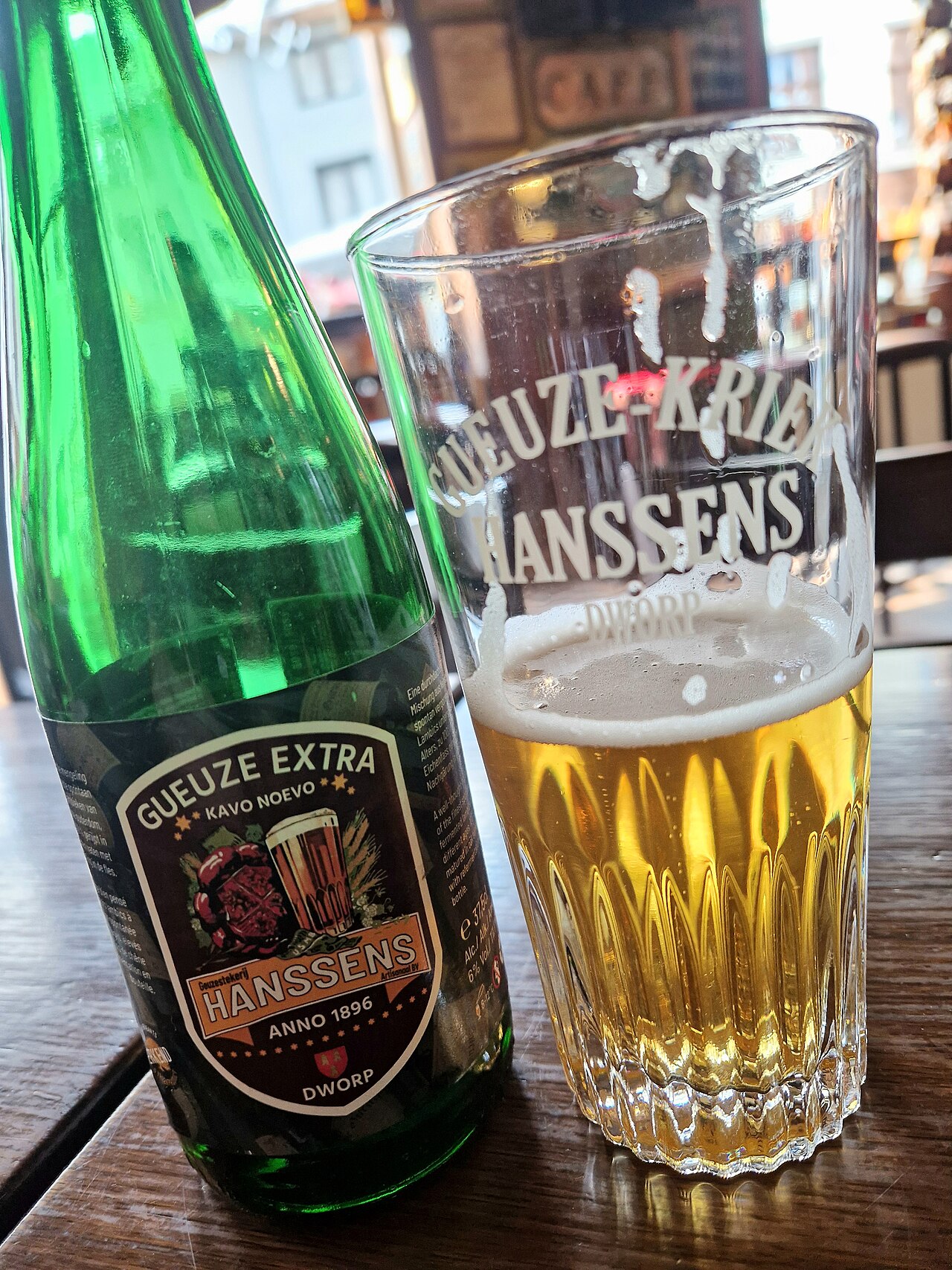
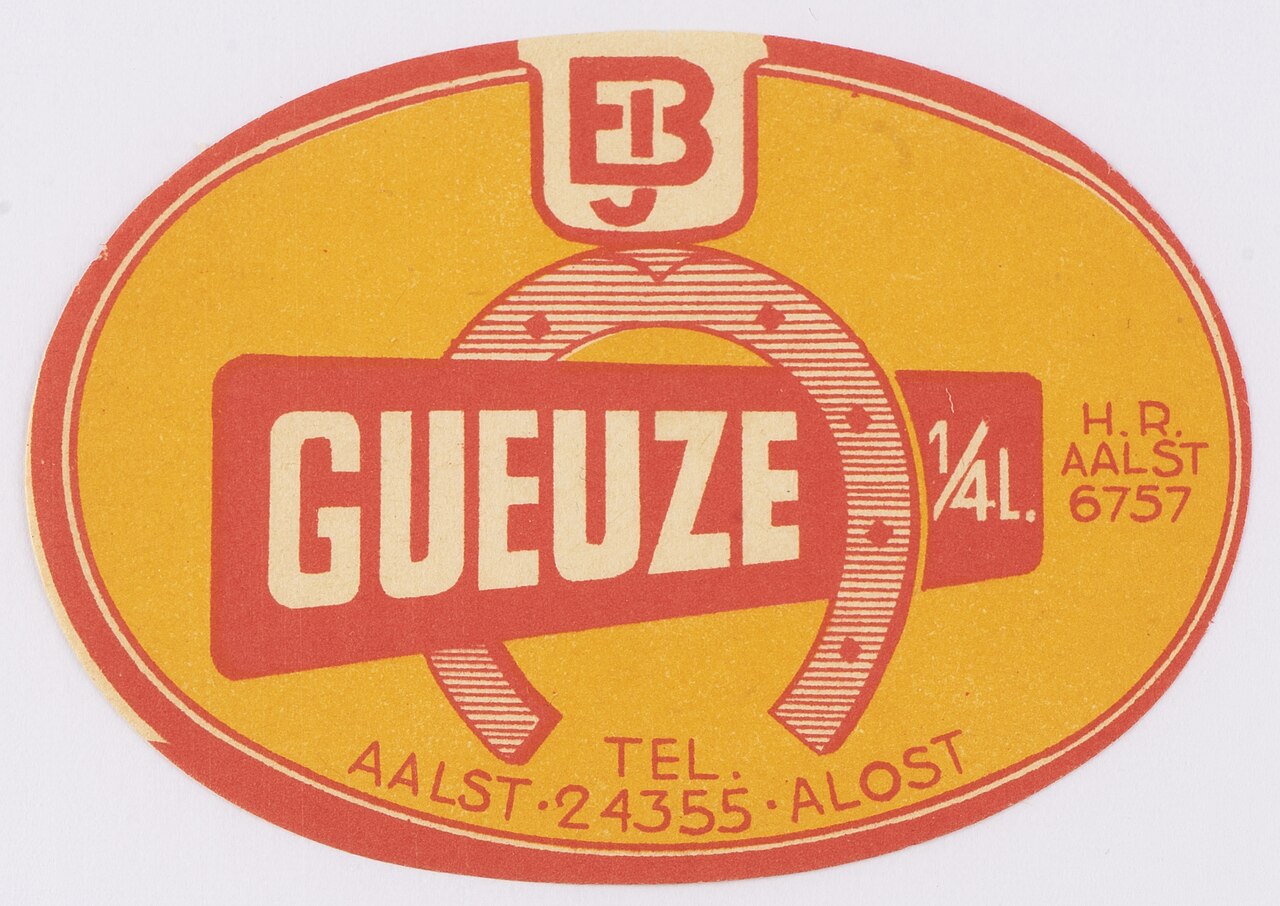
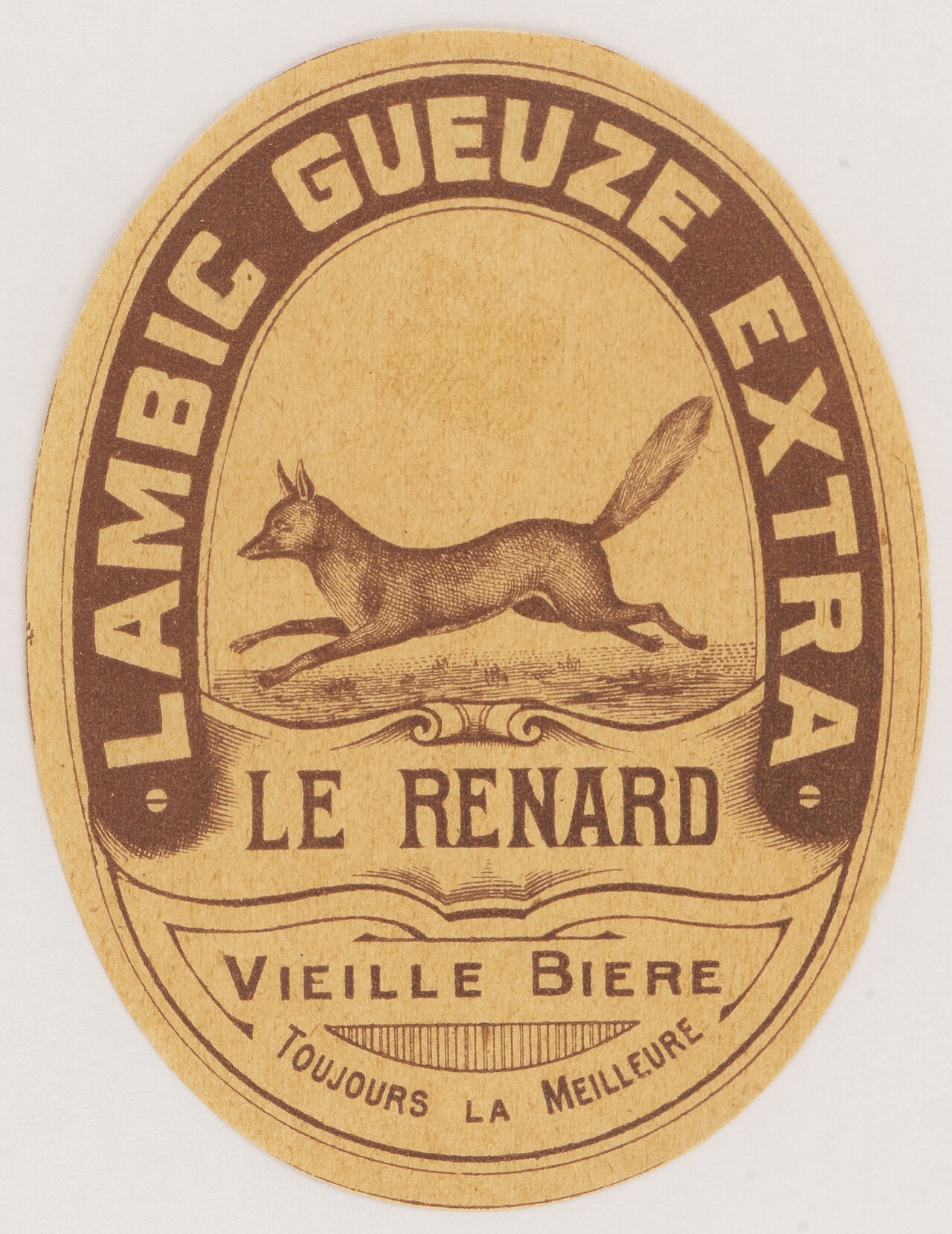
Frequently Asked Questions
What is Gueuze?
Gueuze is a Belgian sour beer made by blending one-year-old lambic with two- to three-year-old lambic, then bottling the mixture so it undergoes a second fermentation. It is, in essence, a lambic blend that gains extra fizz and layered complexity from that in-bottle refermentation.
How is Gueuze different from a single-vintage lambic?
A single-vintage lambic is just one year's batch left to rest, whereas gueuze is a deliberate multi-age blend that gets a second fermentation in the bottle. The younger lambic still carries fermentable sugars, and those sugars drive the secondary fermentation, pushing carbonation up to 3.5–4.5 volumes of CO₂—far livelier than still lambic.
What does Gueuze actually taste like?
There is no hop bitterness or tropical fruit to speak of; the aged hops in lambic contribute virtually no hop character. Instead, wild yeasts give gueuze a dry, tart, musty, and faintly barnyard profile that many drinkers compare to sharp cider.
Why is Gueuze called "Brussels Champagne"?
The nickname comes from two things: gueuze is traditionally packaged in small champagne-style bottles (375 or 750 ml), and its fine, persistent carbonation mirrors that of sparkling wine. The style's traditional heartland—the Pajottenland region and Brussels—supplies the "Brussels" half of the moniker.
Is Gueuze an officially protected style?
Yes. In the late 1990s the EU granted Belgium a Traditional Speciality Guaranteed (TSG) designation for the name, locking in the production method. The term "geuze-bier" itself first shows up in written records in 1829, making it one of the oldest documented Belgian beer styles.
More in Beer Styles 1-24
Spotted an error? Know more?
Reader corrections go straight into our review queue. Suggest an edit · How this site is sourced