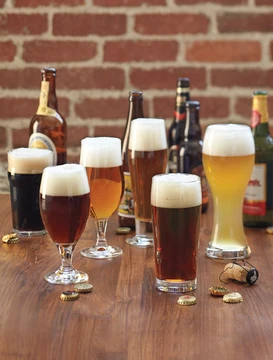
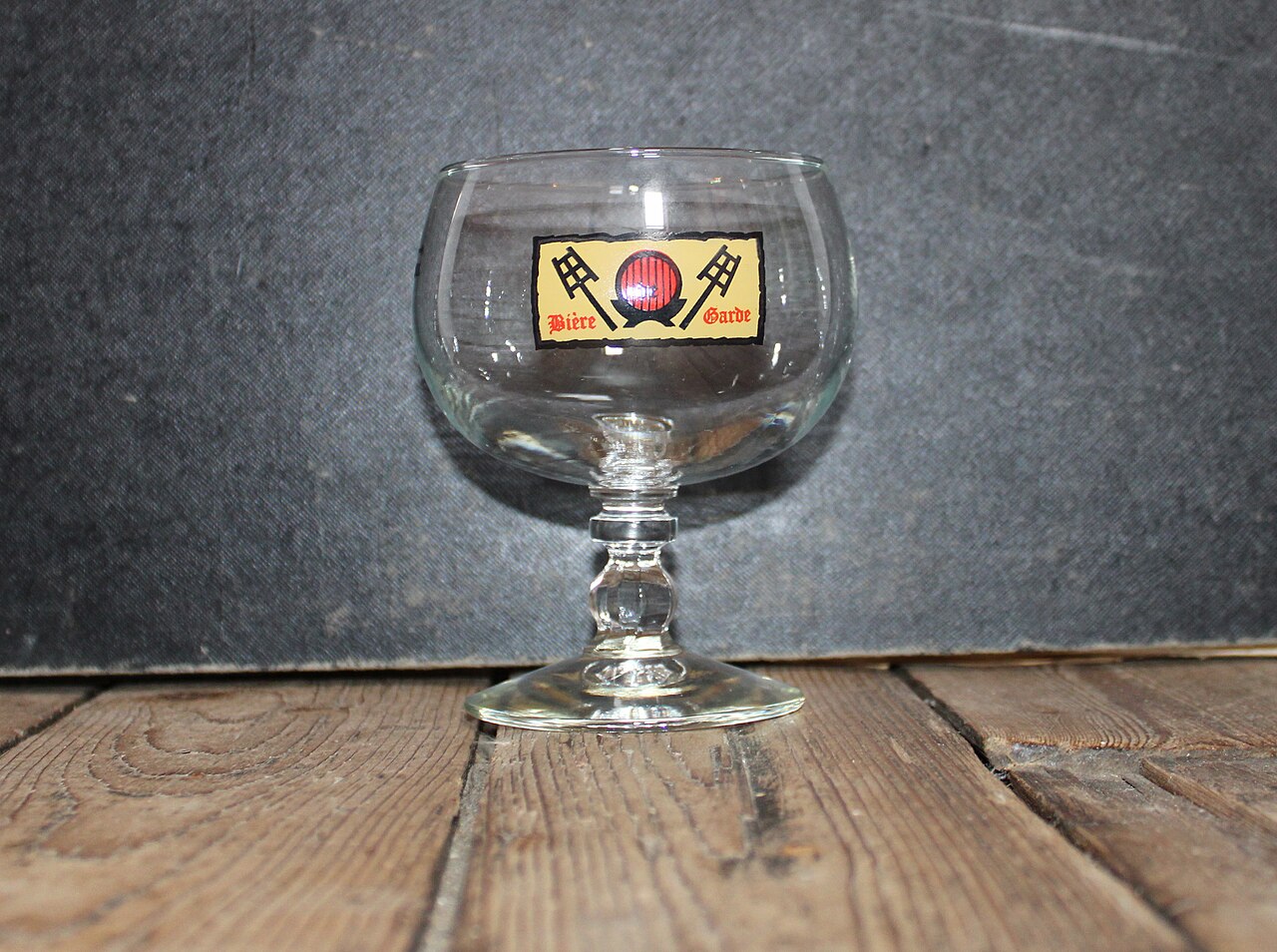
Bière de Garde
A French farmhouse ale traditionally cellared for later consumption.

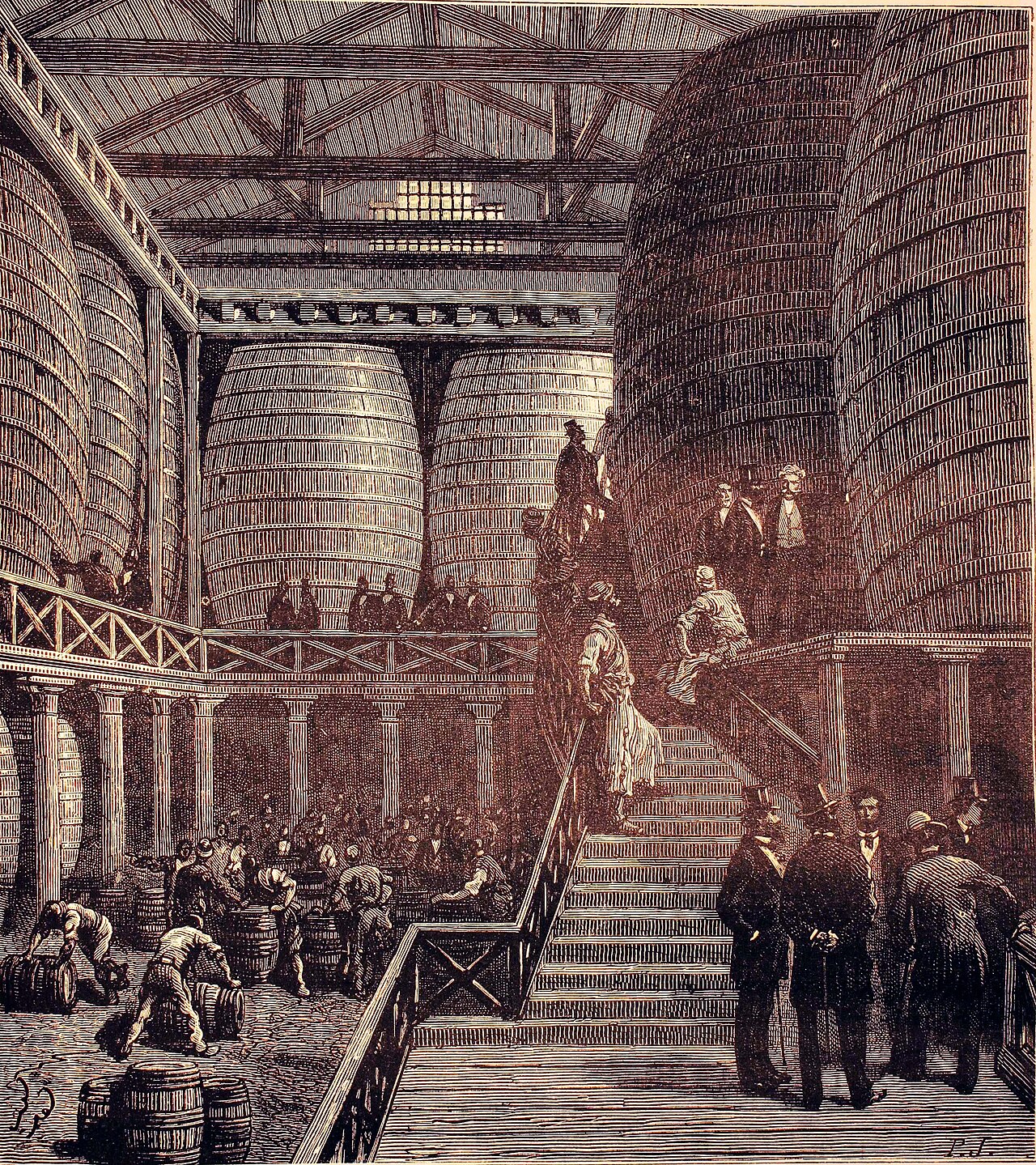
Louis Figuier / Jules Férat · CC BY 2.0
Bière de Garde translates to "beer for keeping," a strong pale ale or keeping beer with roots in the Nord-Pas-de-Calais region of France. It was first brewed on farmhouses during the winter and spring months to sidestep yeast issues that could arise in summer heat. While commercial production now supplements these farmhouse origins, most brewers of this style remain small operations. The beer typically appears in copper or golden hues, and its name reflects a tradition of maturing or cellaring it in bottles—often cork-sealed—for later consumption later in the year, much like a Belgian Saison. Most versions are top-fermented and unfiltered, though bottom-fermented and filtered examples exist. Brews made solely with regional ingredients can earn the Appellation d'origine contrôlée designation for Pas de Calais/Region du Nord. Well-known brands include Brasserie de Saint-Sylvestre Trois Monts, Brasseurs Duyck Jenlain, Brasserie Castelain Ch'Ti, and Brasserie La Choulette Ambrée.
- Origin
- Nord-Pas-de-Calais region of France
- Type
- Strong pale ale or keeping beer
- Color
- Copper or golden
- Fermentation
- Typically top-fermented and unfiltered; bottom-fermented and filtered versions exist
- Traditional production
- Farmhouse ales brewed in winter and spring
- Appellation
- Appellation d'origine contrôlée, Pas de Calais/Region du Nord (for authentic products using only regional ingredients)
Lore & Background
Bière de Garde originated as a farmhouse ale in the Nord-Pas-de-Calais region of France. Brewers produced it during the winter and spring months to avoid unpredictable yeast problems that could occur in the summer heat. The name itself, meaning 'beer for keeping', reflects the tradition of maturing or cellaring the beer after bottling—often sealed with a cork—to be consumed later in the year, similar to a Belgian Saison.
Most versions are top-fermented and unfiltered, though bottom-fermented and filtered examples also exist. Beers of this style typically have a copper or golden color. Particularly authentic products that use only regional ingredients may qualify for the Appellation d'origine contrôlée, Pas de Calais/Region du Nord.
Well-known brands include Brasserie de Saint-Sylvestre Trois Monts, Brasseurs Duyck Jenlain, Brasserie Castelain Ch'Ti, and Brasserie La Choulette Ambrée.
Reader's Guide
Bière de Garde holds significance as a traditional French farmhouse ale that evolved from practical necessity into a recognized style. Its method of winter and spring brewing to avoid summer yeast issues, followed by cellaring, parallels the saison tradition of Belgium. The style's survival through both farmhouse and small commercial production underscores its regional identity. The availability of an Appellation d'origine contrôlée for authentic versions using only local ingredients further cements its place in French brewing heritage. While most examples are top-fermented and unfiltered, the existence of bottom-fermented and filtered variants shows adaptability. The style's legacy is carried by breweries such as Brasserie de Saint-Sylvestre, Brasseurs Duyck, Brasserie Castelain, and Brasserie La Choulette, whose products remain reference points. The tradition of cork-sealed bottles and cellaring continues to define the style, linking modern drinkers to its farmhouse origins.
Did You Know?
- Bière de Garde means 'beer for keeping' in French.
- It was traditionally brewed in farmhouses during winter and spring to avoid yeast problems in summer.
- Authentic products using only regional ingredients may receive the Appellation d'origine contrôlée, Pas de Calais/Region du Nord.
Roots in the Farmhouse
Bière de Garde, a name that translates simply as 'beer for keeping,' traces its origins to the rural households of France's Nord-Pas-de-Calais region. Long before commercial breweries took an interest in the style, these strong pale ales were the domain of farmers and their families, who brewed them in their own farmhouses during the cooler months of winter and early spring. The timing was not a matter of preference but of practical necessity: the unpredictable behaviour of yeast in the heat of summer made brewing during those months a risky proposition. By confining production to the colder season, farmhouse brewers could work with greater confidence and consistency. This tradition of small-scale, seasonal brewing in a domestic setting is what earned these beers the enduring label of farmhouse ales, a designation that speaks to their humble, agrarian origins even as the style has since found a wider audience.
Colour, Fermentation, and the Art of Waiting
The finished product of this tradition typically presents itself in shades of copper or bright gold, a visual hallmark that distinguishes it from many other continental styles. True to its name, the defining characteristic of Bière de Garde is the patience required after bottling. Once the beer is sealed—most commonly under a cork—it enters a period of maturation or cellaring before it is deemed ready to drink, a practice that closely mirrors the aging conventions of Belgian Saison. The majority of these beers are top-fermented and left unfiltered, preserving a natural haze and a fuller mouthfeel that reflects their rustic heritage. That said, the style is not monolithic: bottom-fermented and filtered interpretations do exist, offering a smoother, clearer alternative for those who prefer a more refined finish. Whether hazy and rustic or crisp and polished, the underlying philosophy remains the same—time is an essential ingredient, and the best Bière de Garde rewards those willing to wait.
Small-Batch Craft and Protected Origin
While the farmhouse roots of Bière de Garde remain its cultural heart, the landscape of production has evolved. Today, commercial brewing supplements the traditional small-scale output, yet the vast majority of producers in this category remain small businesses rather than large industrial operations. This intimate scale helps preserve the character and regional identity that define the style. For brewers who wish to make the strongest claim to authenticity, a formal designation is available: the Appellation d'origine contrôlée, specifically the Pas de Calais/Region du Nord label. Earning this title requires that only ingredients sourced from the designated region be used in the brewing process, ensuring a direct link between the beer and the terroir of northern France. The result is a style that balances openness to modern commercial methods with a firm commitment to local identity, keeping the farmhouse spirit alive within a regulated framework.
Recognised Names and a Living Tradition
Several breweries have become synonymous with the Bière de Garde tradition, lending the style a recognizable face in both France and beyond. Brasserie de Saint-Sylvestre with its Trois Monts, Brasseurs Duyck from Jenlain, Brasserie Castelain with its Ch'Ti, and Brasserie La Choulette with its Ambrée all stand as well-known examples of the style in practice. Their existence demonstrates that this is not a purely historical curiosity but a living, evolving category of beer that continues to be brewed, marketed, and enjoyed. The style has also attracted the attention of beer writers and scholars, appearing in reference works that catalogue European farmhouse ales and classic brews, from dedicated studies of farmhouse ale culture and craftsmanship to broad guides of notable beers. These references collectively underscore that Bière de Garde occupies a respected niche in the broader world of craft and traditional brewing, bridging the gap between rural French heritage and the global appreciation of distinctive regional styles.
Gallery
Frequently Asked Questions
What does 'Bière de Garde' actually mean and where does it come from?
The name translates to 'beer for keeping' and points to a tradition rooted in the Nord-Pas-de-Calais region of northern France. It was originally a farmhouse ale brewed during the colder winter and spring months, when yeast behaved more predictably than in the summer heat.
What does Bière de Garde look and taste like?
It typically pours a copper or golden color and is usually top-fermented and left unfiltered, giving it a slightly hazy, rustic character. The profile leans toward a strong pale ale with enough body and complexity to reward months of bottle-aging.
How is Bière de Garde traditionally stored and consumed?
The 'garde' in the name refers to the practice of sealing the beer in corked bottles and letting it mature over time, much like a Belgian Saison. Rather than being drunk fresh, it was pulled from the cellar later in the year once it had developed deeper flavors.
Is Bière de Garde still made the old farmhouse way?
Most producers of the style remain small, artisanal operations that echo those original farmhouse roots, though commercial brewing now supplements the tradition. Authentic examples carrying the AOC designation for Pas de Calais or the Nord region must use only local ingredients.
How does Bière de Garde differ from a Belgian Saison?
Both are strong, top-fermented farmhouse ales meant for cellaring, but Bière de Garde is distinctly French, tied to the Nord-Pas-de-Calais terroir, and tends to sit in a paler, more ale-forward range. It also carries a formal AOC appellation that Saison does not, anchoring it to specific regional ingredients.
More in Beer Styles 1-24
Spotted an error? Know more?
Reader corrections go straight into our review queue. Suggest an edit · How this site is sourced