Automatkarbin 4
Swedish license-built G3 battle rifle, adopted 1965.

Unknown author · Public domain
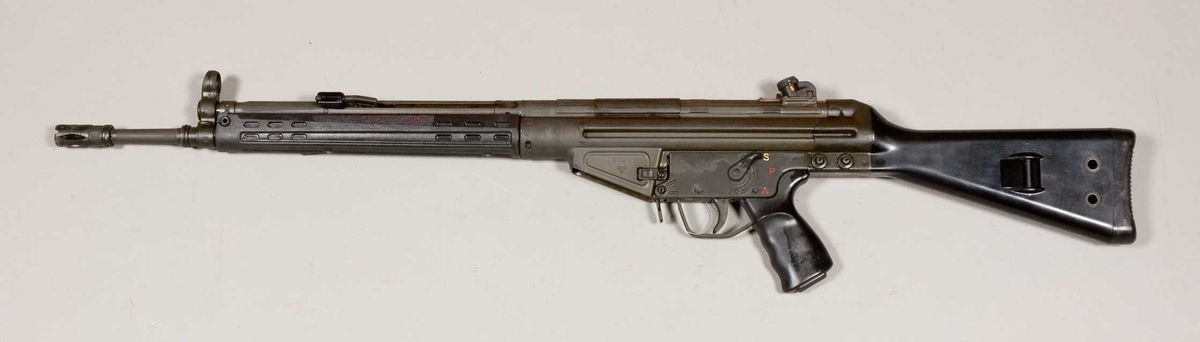
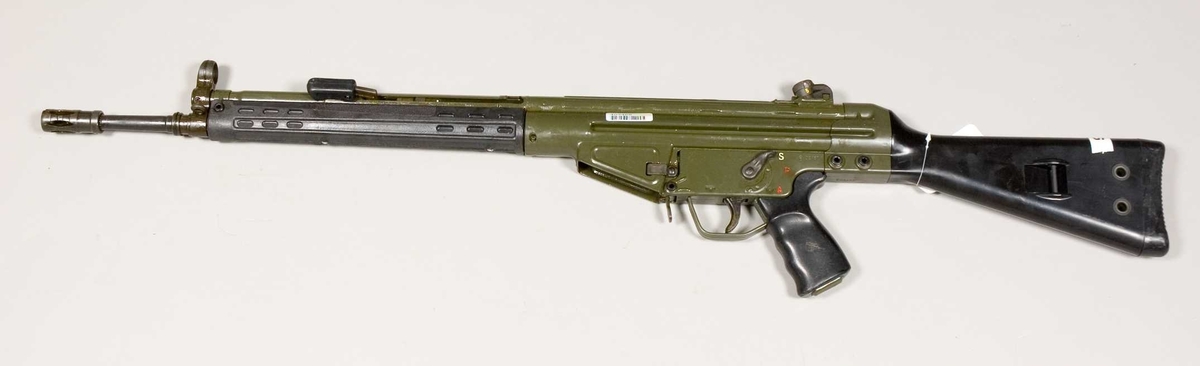
The Automatkarbin 4 (Ak 4) is a Swedish rifle built under license from West Germany’s Heckler & Koch G3 battle rifle. It became the standard firearm for the Swedish Armed Forces in 1965, taking over from the bolt-action m/96 Mauser, the self-loading automatgevär m/42, and the automatic rifles Kulsprutegevär m/21 and Kulsprutegevär m/40. Its selection came after a trial in the late 1950s, when Sweden sought to replace a mix of older weapons and adopt the NATO cartridge for cost savings and crisis imports. The FN FAL and Heckler & Koch G3 passed the tests; the G3 won out due to its toughness and lower production cost, pushing the Carl Gustaf m/45 to secondary roles. Sweden and Heckler & Koch agreed on a 15,000-round service life.
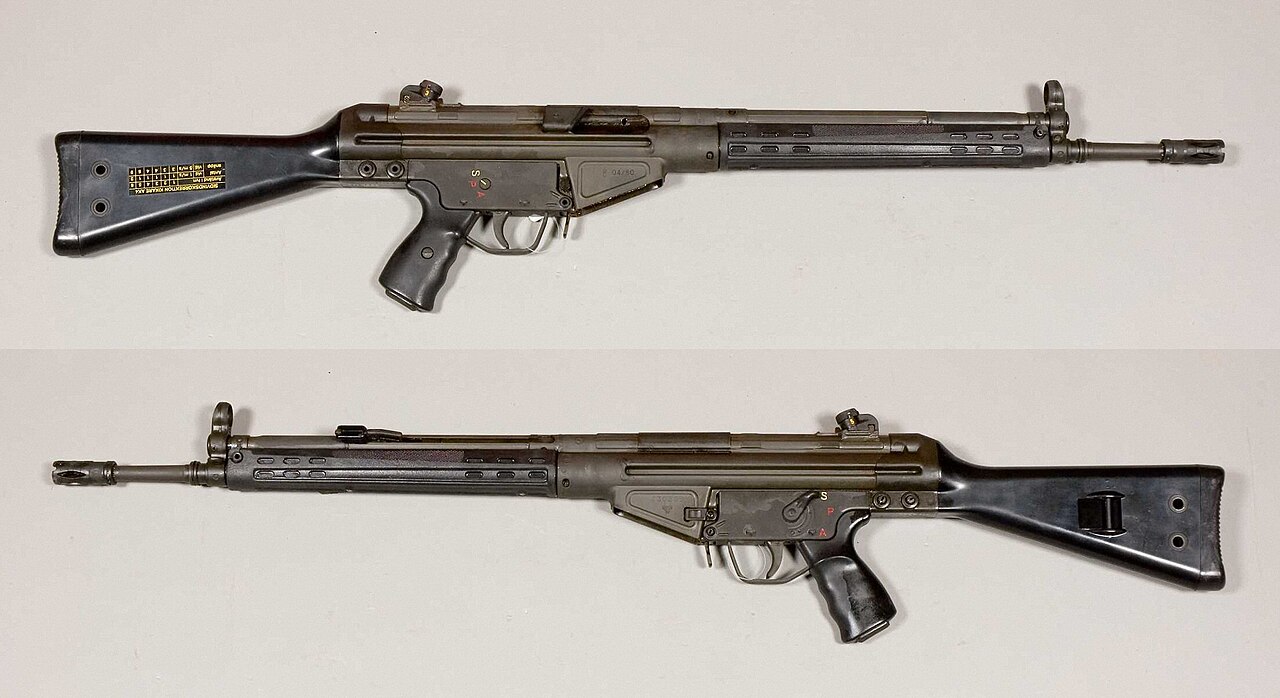
The initial Ak 4 had a few tweaks from the original G3: a buttstock 20 mm longer, a serrated thumb groove on the bolt carrier for quiet closure, a heavier recoil buffer for better reliability, and a rotary diopter rear sight with four apertures (numbered 2 through 5) for ranges from 200 to 500 meters in 100-meter steps. Manufacturing ran from 1965 to 1985, first by Husqvarna Vapenfabrik in Huskvarna (1965–1970) and then by Carl Gustafs stads gevärsfaktori in Eskilstuna (1970 onward). It was replaced as the main service rifle in 1985 by the Ak 5, a licensed version of the FN FNC, but the Ak 4 still serves in the Home Guard and as a specialist marksman rifle in regular units.
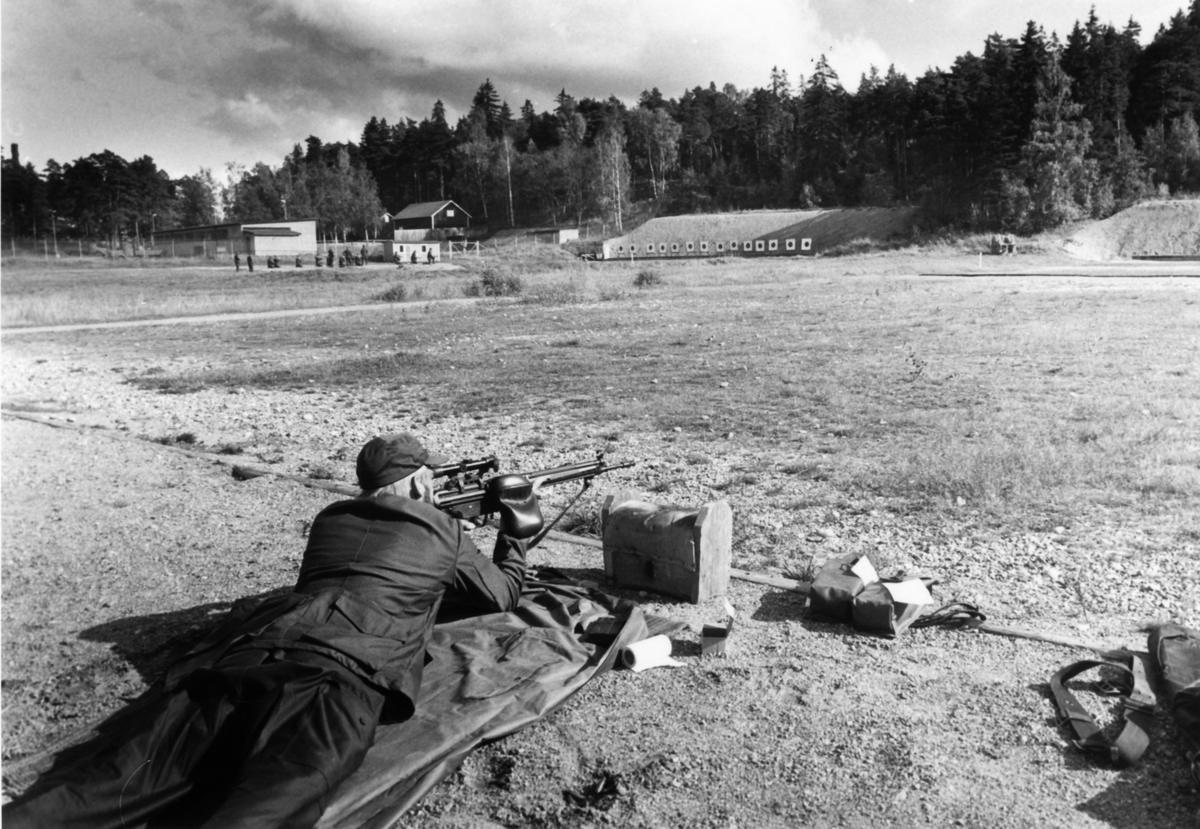
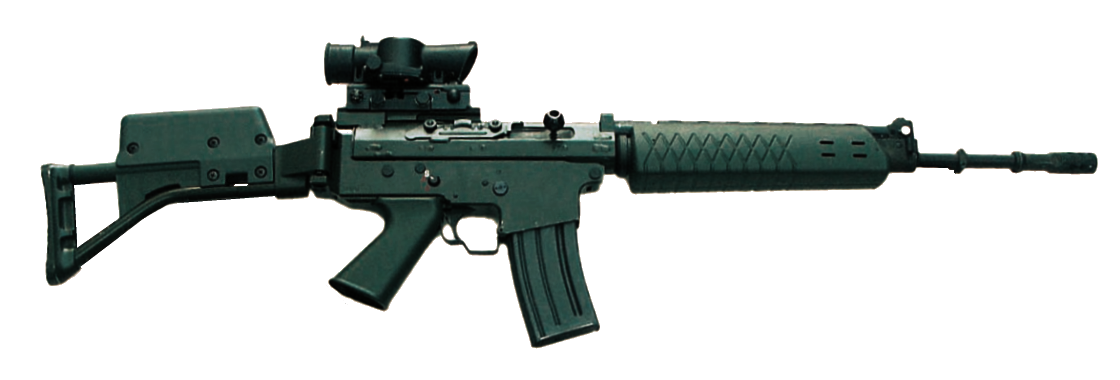
Several variants exist. The base Ak 4 is the Swedish-made G3A3, often featuring a windage table on the right side of the buttstock for adjusting a telescopic sight for 1 m/s and 5 m/s crosswinds from 100 to 600 meters in 100-meter steps. The Ak 4OR (Optiskt Riktmedel) mounts a Hensoldt Fero Z24 4×24 telescopic sight via an HK claw mount, with bullet drop compensation from 100 to 600 meters; it was unissued for a time but is now back with the Home Guard. The Ak 4B replaces iron sights with an Aimpoint CS red-dot reflex sight on a welded Picatinny rail. The Ak 4C, fielded from 2017, adds a six-position adjustable-length buttstock with a cheek comb, made by Spuhr i Dalby AB; about 5,000 were issued, with another 5,000 ordered in 2019 and 1,000 more in 2020, aiming to equip every Home Guard soldier by the end of 2022.
Quick Facts
- Origin
- Sweden / West Germany
- Is Ranged
- Yes
- Service
- 1964–present
- Wars
- War in Afghanistan
- Designer
- Heckler & Koch
- Design Date
- 1950s
- Manufacturer
- Husqvarna Vapenfabrik / Carl Gustafs stads gevärsfaktori
- Production Date
- 1965–1985
- Weight
- 4.1 kg
- Length
- 1045 mm
- Part Length
- 450 mm
- Height
- 220 mm with inserted magazine
Facts from the source article.
Lore & Background
In the late 1950s, Sweden concluded that a variety of older weapons needed replacement and that adopting the upcoming NATO cartridge would lower costs and allow imports in crisis. A trial was held featuring the Belgian FN FAL, Swiss SIG SG 510, Swedish Carl Gustaf GRAM 63, American M14, and German Heckler & Koch G3. After testing, the FN FAL and G3 passed, and the Ak 4 version of the G3 was selected in 1964 due to its durability and lower price from modern production methods. The Carl Gustaf m/45 was relegated to second- and rear-line service.
The initial Ak 4 incorporated minor modifications compared to the original G3, including a 20 mm longer buttstock, a serrated thumb groove on the bolt carrier for silent bolt closure, a heavier recoil buffer for increased reliability, and a rotary diopter rear sight with four apertures (numbered 2, 3, 4, 5) for 200–500 m in 100 m increments. Many Ak 4 rifles also feature a windage table on the right side of the buttstock for adjusting a telescopic sight for 1 m/s and 5 m/s crosswinds from 100–600 m.
Production ran from 1965 to 1985, initially by Husqvarna (1965–1970) and then by Carl Gustaf (1970 onward). The Ak 4 was replaced as the standard-issue service rifle in 1985 by the Ak 5, a license-built version of the FN FNC, but remains in use with the Home Guard (Hemvärnet–Nationella skyddsstyrkorna) and in specialist marksman roles within the regular armed forces. Sweden has supplied unmodified Ak 4s to Estonia, Latvia, and Lithuania.
Reader's Guide
The Automatkarbin 4 holds significance as the Swedish adaptation of the Heckler & Koch G3, serving as the nation's primary battle rifle for two decades. Its selection in 1964 over the FN FAL and other contenders was driven by durability and cost advantages from modern production methods, reflecting Sweden's strategic shift to the NATO cartridge. The Ak 4's service life extended well beyond its replacement in 1985, as it remained in use with the Home Guard and in designated marksman roles. Variants such as the Ak 4OR (with Hensoldt Fero Z24 telescopic sight), Ak 4B (with Aimpoint red-dot sight), Ak 4C (with adjustable stock), and Ak 4D (with modular fore-end, bipod, and telescopic sight) illustrate ongoing adaptation. The Ak 4C began fielding in 2017, with thousands ordered to equip Home Guard soldiers. The rifle's legacy includes export to Baltic states and continued use in reserve and volunteer forces, underscoring its lasting role in Swedish defense.
Did You Know?
- The Ak 4 was adopted in 1965, replacing the bolt-action m/96 Mauser and several automatic rifles.
- It features a 20 mm longer buttstock and a serrated thumb groove on the bolt carrier for silent bolt closure.
- The Ak 4OR variant uses a Hensoldt Fero Z24 4×24 telescopic sight with bullet drop compensation for 100–600 m.
Gallery
Frequently Asked Questions
Who is Automatkarbin 4?
Automatkarbin 4 is the Swedish service name for a battle rifle produced under license from Heckler & Koch's G3 design. It entered Swedish Armed Forces service in 1965 as the nation's standard-issue infantry rifle.
What are Automatkarbin 4's powers and role?
The Ak 4 chambers the 7.62×51mm NATO round and carried a rated service life of 15,000 rounds. Its role was to unify Swedish infantry firepower, replacing a patchwork of bolt-action Mausers, self-loading m/42 rifles, and older automatic weapons.
Why is Automatkarbin 4 important?
Choosing the Ak 4 let Sweden standardize on a NATO-compatible cartridge, cutting costs and opening the door to emergency ammunition imports from allied nations. It also collapsed several legacy weapon types into a single, maintainable platform for the first time.
Who built Automatkarbin 4?
Two Swedish manufacturers produced the rifle under West German license: Carl Gustafs stads gevärsfaktori in Eskilstuna and Husqvarna Vapenfabrik in Huskvarna. Both ran production lines between 1965 and 1985.
More in Battle Rifles and Carbines, Part 2 1-24
Spotted an error? Know more?
Reader corrections go straight into our review queue. Suggest an edit · How this site is sourced