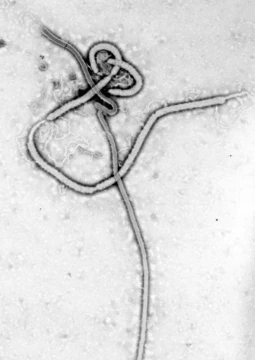
Leptospirosis
A bacterial blood infection affecting humans and animals worldwide.

Leptospirosis is a bloodstream infection triggered by bacteria from the genus *Leptospira*. It affects humans, dogs, rodents, and a wide range of other wild and domestic animals. The illness is a classic One Health concern because its spread relies on connections between people, animals, and the environment. Worldwide, about one million severe human cases occur each year, leading to roughly 58,900 deaths.
Symptoms can be absent, mild—such as headaches, muscle pain, and fever—or severe, including lung bleeding or meningitis. The acute, dangerous form is called Weil’s disease, marked by jaundice (yellowing of the skin and eyes), kidney failure, and bleeding. When bleeding happens in the lungs, it is known as severe pulmonary haemorrhage syndrome. Even with the best treatment, Weil’s disease kills more than 10% of those affected; when the lungs are involved, the death rate jumps to between 50% and 70%.
More than 20 serogroups and over 250 serovars of *Leptospira* cause human illness, with at least 13 distinct pathogenic species identified. Animals, especially rodents, spread the bacteria primarily through urine. People get infected when contaminated urine—or water or soil tainted by it—touches the eyes, mouth, nose, or broken skin. In developing countries, the disease mostly strikes pest-control workers, farmers, and low-income people in areas with poor sanitation. In developed nations, outbreaks often follow heavy rain, and risk is highest for pest controllers, sewage workers, and people doing outdoor activities in warm, wet places. Diagnosis usually involves testing for antibodies or finding bacterial DNA in the blood.
Prevention includes wearing protective gear when handling potentially infected animals, washing after contact, and reducing rodent populations near homes and workplaces. The antibiotic doxycycline is sometimes used for chemoprophylaxis in certain high-risk situations, though its effectiveness is not absolute and remains debated. Human vaccines have limited use, but vaccines for other animals are more common. Once infected, treatment uses antibiotics like doxycycline, penicillin, or ceftriaxone.
The disease was first described by physician Adolf Weil in Germany in 1886. Infected animals may show no symptoms, mild signs, or severe illness, depending on the species.
Quick Facts
- ≪!-- Altcaption
- A magnified image of Leptospira -->
- Field
- Infectious disease
- Symptoms
- None, headaches, muscle pains, fevers
- Complications
- Bleeding from the lungs, meningitis, kidney failure
- Onset
- One to two weeks
- Causes
- Leptospira typically spread by rodents
- Risks
- Exposure to infected animals, especially their urine, or fresh water or damp soil contaminated with infectious urine
- Diagnosis
- Testing blood for antibodies against the bacterium or its DNA
- Differential
- Malaria, enteric fever, rickettsiosis, dengue
- Prevention
- Personal protective equipment, hygiene measures, doxycycline
- Treatment
- Doxycycline, penicillin, ceftriaxone
- Prognosis
- Risk of death ~7.5%
Facts from the source article.
Lore & Background
Leptospirosis was first described by physician Adolf Weil in 1886 in Germany. The disease is caused by over 20 serogroups and more than 250 serovars of Leptospira bacteria, with at least 13 distinct pathogenic species. Both wild and domestic animals can spread the disease, most commonly rodents. The bacteria are spread to humans primarily through animal urine, or water or soil contaminated with animal urine, coming into contact with the eyes, mouth, or nose, or breaks in the skin. In developing countries, the disease occurs most commonly in pest control, farmers, and low-income people who live in areas with poor sanitation.
Reader's Guide
Leptospirosis is a globally significant zoonotic disease with a high burden in tropical areas, though it may occur anywhere. The disease disproportionately affects populations in environments where exposure is unavoidable, particularly in regions with inadequate drainage, poor sanitation, and frequent flooding. Environmental factors such as heavy rainfall, flooding, and poor sanitation significantly increase transmission risk. Climate change is associated with a higher incidence because extreme weather events create suitable environments for outbreaks. The One Health approach highlights the need for coordinated efforts among human health, veterinary health, and environmental health sectors to prevent and control the disease. Public health strategies include surveillance, early diagnosis, and improved laboratory capacity. Animal health interventions include vaccination of livestock and domestic animals, as well as rodent control programs. Environmental interventions focus on improving sanitation infrastructure and safe water management. The disease's ability to persist in environmental reservoirs such as soil and freshwater systems extends the window of exposure beyond intermediate contamination events, complicating traditional transmission models.
Did You Know?
- Leptospirosis can cause symptoms ranging from none to mild (headaches, muscle pains, fevers) to severe (bleeding in the lungs or meningitis).
- The classic severe form, Weil's disease, causes jaundice, kidney failure, and bleeding, occurring in 5–10% of those infected.
- The disease is most common in tropical areas but may occur anywhere, with outbreaks often arising after heavy rainfall.
- The antibiotic doxycycline is effective in preventing leptospirosis infection.
More in Zoonoses 1-24
Spotted an error? Know more?
Reader corrections go straight into our review queue. Suggest an edit · How this site is sourced