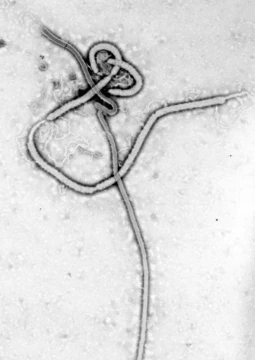
Babesiosis
Tick-borne parasitic disease causing hemolytic anemia and fever.

LadyofHats Mariana Ruiz Villarreal · CC BY-SA 4.0
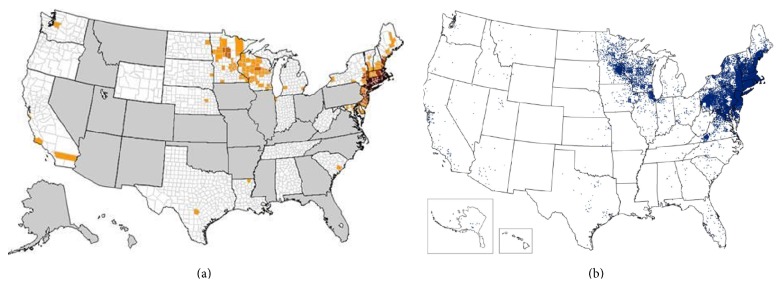
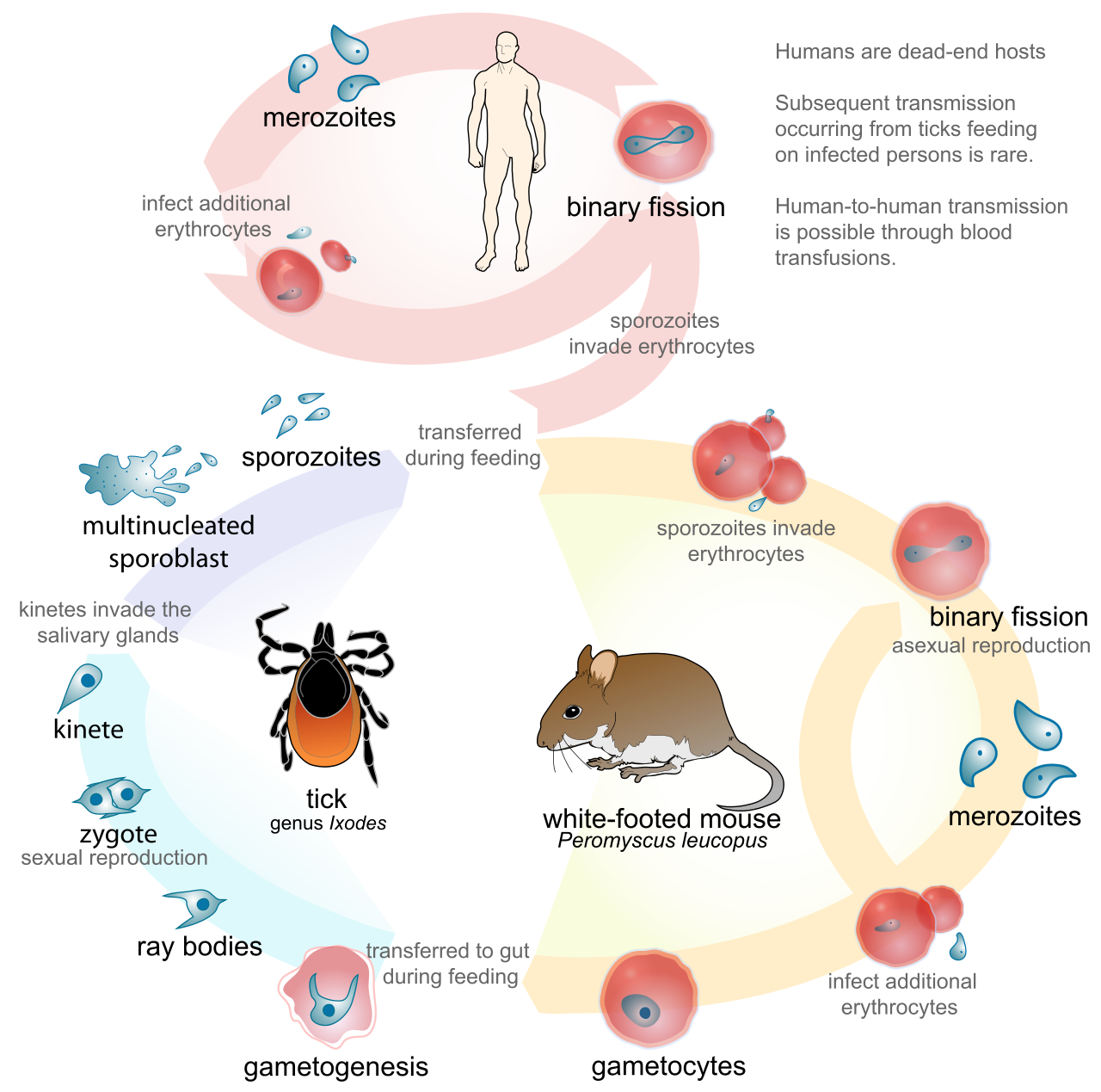
Babesiosis, also known as piroplasmosis, is a malaria-like vector-borne parasitic disease caused by infection with eukaryotic parasites of the order Piroplasmida, typically Babesia or Theileria, in the phylum Apicomplexa. It is transmitted primarily through tick bites, blood transfusions, or congenitally, and is most common in the Northeastern and Midwestern United States and parts of Europe. The disease can cause hemolytic anemia and fever, with symptoms ranging from asymptomatic to severe, particularly in immunocompromised individuals.
Quick Facts
- Pronounce
- Babesiosis b · @ · b · i: · z · ᵻ · ' · ou · s · ᵻ · s, babesiasis b · ae · b · ᵻ · ' · z · ai · @ · s · ᵻ · s
- Symptoms
- fever, chills, headache, fatigue
- Risks
- Removed spleen (splenectomy), weakened immune system, outdoor activities
- Field
- Infectious disease
- Differential Diagnosis
- Malaria
Facts from the source article.
Lore & Background
Babesiosis is caused by protozoan parasites in the phylum Apicomplexa, the same phylum as malaria. Four clades of Babesia species infect humans, including B. microti (small, <3 μm) and B. duncani, as well as B. divergens and B. venatorum, which are more closely related to large Babesia species. The parasites reproduce in red blood cells, forming characteristic 'Maltese cross' inclusions (four merozoites budding together), leading to hemolytic anemia. Unlike malaria parasites, Babesia rarely has an exoerythrocytic phase.
Reader's Guide
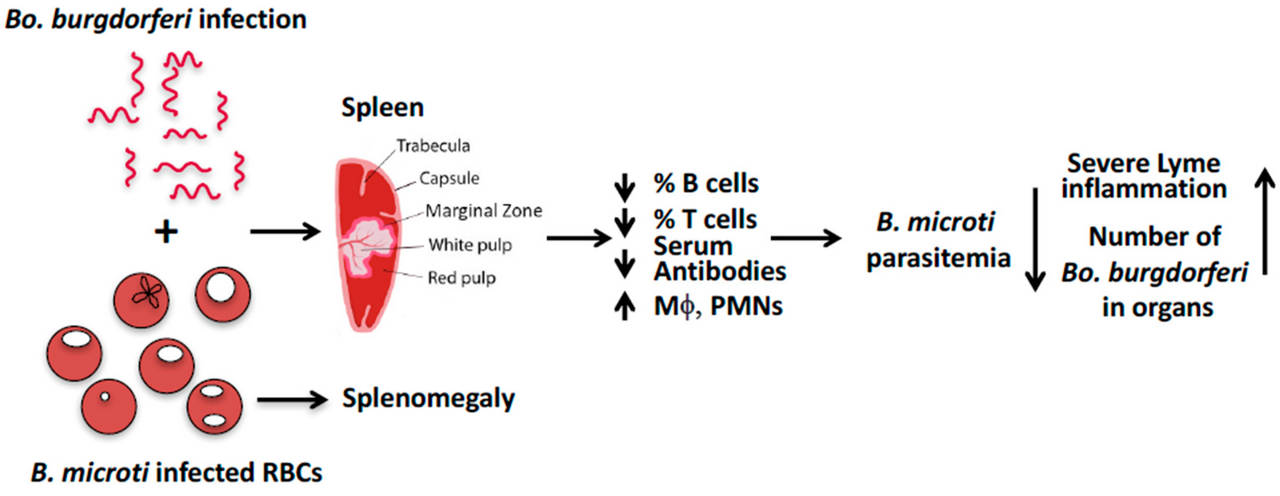
Babesiosis is significant as a vector-borne disease that often co-occurs with Lyme disease due to shared tick vectors (Ixodes scapularis). It is considered the second-most common blood parasite of mammals after trypanosomes. Diagnosis relies on Giemsa-stained blood smears to identify 'Maltese cross' formations, serology, or PCR testing. Treatment for mild cases uses atovaquone and azithromycin; severe cases require clindamycin and quinine, with exchange transfusion in life-threatening situations. The disease is under-reported due to the need for specialized laboratories. In cattle, it causes Texas cattle fever or redwater, with severe hemolytic anemia and hemoglobinuria. The increase in human diagnoses in the 2000s is attributed to more testing and higher numbers of immunodeficient individuals exposed to ticks.
Did You Know?
- Half of all children and a quarter of previously healthy adults with Babesia infection are asymptomatic.
- Babesia parasites reproduce in red blood cells, forming 'Maltese cross' inclusions that are pathognomonic for babesiosis.
- In cattle, babesiosis is known as Texas cattle fever or redwater, causing hemoglobinuria and severe anemia.
- The disease can be transmitted via blood transfusion, with symptoms appearing 1 to 9 weeks after transfusion.
Transmission Routes & Geographic Footprint
Babesiosis is a parasitic illness caused by eukaryotic organisms belonging to the order Piroplasmida within the phylum Apicomplexa, most often species of Babesia or Theileria. In humans, the primary route of acquisition is the bite of an infected tick, a pattern concentrated in the Northeastern and Midwestern United States and parts of Europe, with scattered cases reported elsewhere. The disease favors warm-weather months, mirroring the seasonal activity of its tick vectors. Because the same ticks that carry Lyme disease also transmit the human Babesia strains, co-infection is a recognized clinical concern. Beyond tick exposure, people can contract the parasite through transfusion of contaminated blood products or, more rarely, through congenital passage from an infected mother to her unborn child. Among all mammalian blood parasites, Babesia ranks as the second most prevalent after trypanosomes. In veterinary medicine, the infection carries significant weight in regions lacking harsh winters, where it strikes cattle as Texas cattle fever or redwater and produces major adverse health consequences for domestic livestock.
Clinical Spectrum: From Silent Infection to Organ Failure
A striking feature of babesiosis is its capacity to remain entirely silent: roughly half of infected children and a quarter of otherwise healthy adults never develop noticeable symptoms. When illness does manifest, it typically emerges one to four weeks after a tick bite or one to nine weeks after receiving contaminated blood products. The earliest signs are a creeping malaise and fatigue, soon followed by fever. The hallmark complication is hemolytic anemia, in which red blood cells are ruptured and cleared from circulation, producing a clinical picture that closely mimics malaria. Chills, sweats, and a drop in platelet counts are also common, and the episode can last from a few days to several months. In severe cases, temperatures can spike to 40.5 °C, shaking chills intensify, and the anemia deepens to the point of triggering organ failure, including adult respiratory distress syndrome. Patients who have had their spleen removed face a particularly dangerous trajectory, with sepsis developing rapidly. The very young, the elderly, and those with immunodeficiency such as HIV/AIDS are disproportionately vulnerable to these worst outcomes. A rise in reported diagnoses during the 2000s is attributed to broader testing and to growing numbers of immunocompromised individuals encountering ticks.
The Parasite and Its Intracellular Strategy
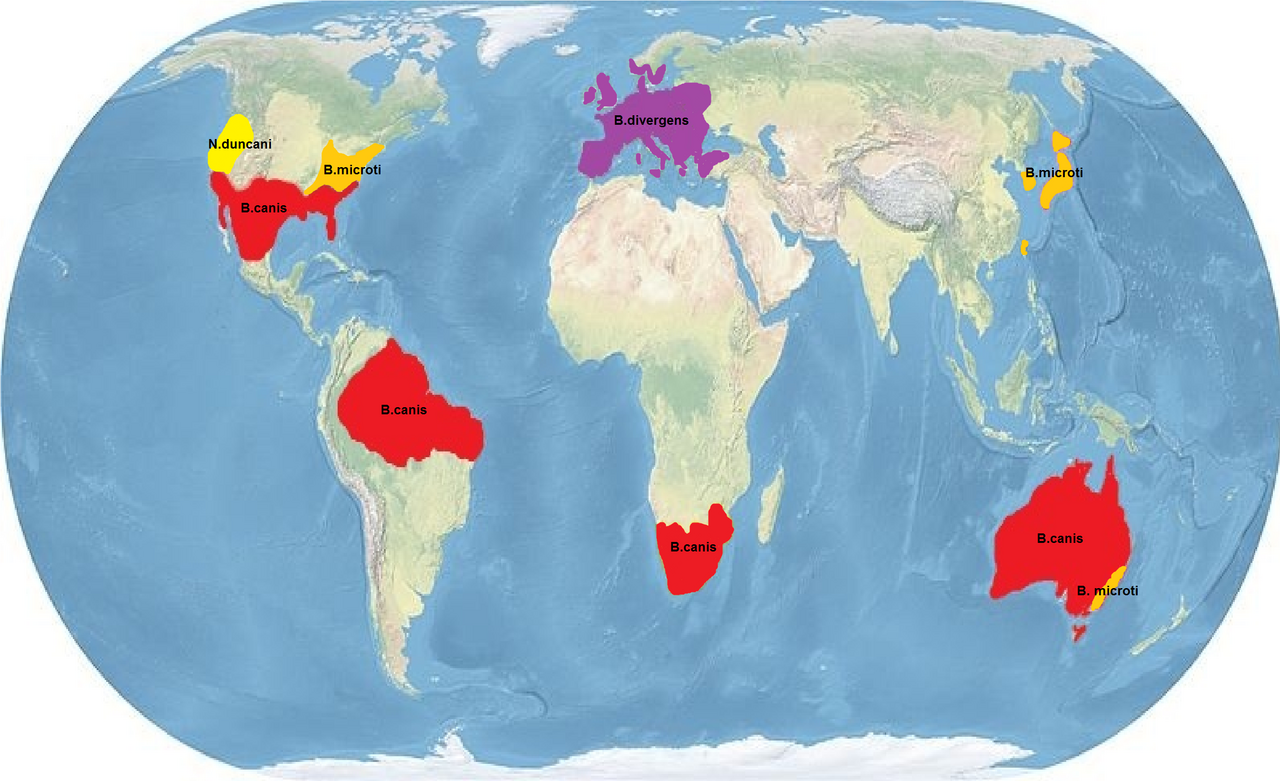
Babesia species occupy the phylum Apicomplexa, the same taxonomic group that includes the parasites responsible for malaria, toxoplasmosis, and cryptosporidiosis. Four distinct clades are known to infect humans: B. microti, which is smaller than three micrometers; B. duncani; a clade that includes B. divergens (a cattle parasite seen mostly in Europe) and B. venatorum (a roe deer parasite formerly designated EU1); and a large-Babesia group exceeding three micrometers that primarily targets ungulates, with a single isolated K01 strain documented in South Korea. The parasite's defining behavior is its replication inside red blood cells, where four merozoites can be seen asexually budding while remaining attached, forming a distinctive plus-shaped structure known as the Maltese cross. This intraerythrocytic strategy produces hemolytic anemia that closely parallels malaria. A key distinction from Plasmodium, however, is that Babesia rarely undergoes an exoerythrocytic phase involving trophozoite forms. In nonhuman animals, species such as B. canis rossi, B. bigemina, and B. bovis drive particularly devastating disease, with immune-mediated hemolysis, red-water hemoglobinuria, disseminated intravascular coagulation, and a condition termed cerebral babesiosis caused by sludging of erythrocytes in brain capillaries.
The Diagnostic Challenge
Because only specialized laboratories can reliably identify a Babesia infection, the disease is considered highly under-reported. A clinician's first clue is often the patient's history: residence in or travel to an endemic region, or receipt of a blood transfusion within the preceding nine weeks, paired with persistent fever and hemolytic anemia. The gold-standard test remains the Giemsa-stained thin-film blood smear, on which the pathognomonic Maltese cross formations—structures never seen in malaria—confirm the diagnosis. The difficulty is that Babesia may occupy fewer than one percent of circulating red blood cells, making the parasite easy to miss; careful examination of multiple smears is often necessary. Serologic testing for IgG and IgM antibodies can help detect low-level infections when smears are negative and can aid in distinguishing babesiosis from malaria in patients at risk for both. However, detectable antibody responses require roughly a week to develop, so early serology may be falsely negative. Polymerase chain reaction assays have been developed and appear at least as sensitive and specific as smear examination, though they carry a significantly higher cost. In practice, PCR is most often used alongside blood-film review and serology.
Gallery
Frequently Asked Questions
Who is Babesiosis?
Babesiosis (also called piroplasmosis) is a malaria-mimicking parasitic illness triggered by eukaryotic organisms in the Apicomplexa phylum, most often species of Babesia or Theileria. It belongs to the infectious-disease and parasitology fields and is classified as a zoonosis because it crosses from animal reservoirs into humans.
What are Babesiosis's powers/role?
Once it establishes itself, it lyses red blood cells, producing hemolytic anemia along with fever, chills, sweats, and thrombocytopenia. In immunocompetent hosts the episode can be mild or entirely silent, but in immunocompromised patients it can escalate to a life-threatening systemic crisis.
How does Babesiosis spread?
Its main route of entry is through an infected tick bite, but it can also be passed via contaminated blood transfusions or vertically from mother to fetus during pregnancy. It does not transmit through casual person-to-person contact.
Where is Babesiosis most active?
Cases cluster heavily in the Northeastern and Midwestern United States and in select European regions. The dominant species shifts by geography—Babesia microti and B. duncani are common in the U.S., whereas B. divergens and B. venatorum are more typical in Europe.
Why is Babesiosis important?
Its symptom profile overlaps with malaria and other febrile illnesses, which makes misdiagnosis a genuine clinical risk. Because many infections remain asymptomatic yet the same parasite can kill a vulnerable host, early recognition and targeted treatment are critical for patient safety.
More in Zoonoses 1-24
Spotted an error? Know more?
Reader corrections go straight into our review queue. Suggest an edit · How this site is sourced