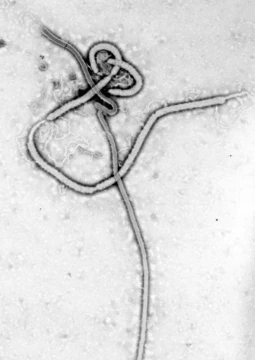
Campylobacter
Curved bacteria causing common gastroenteritis worldwide.

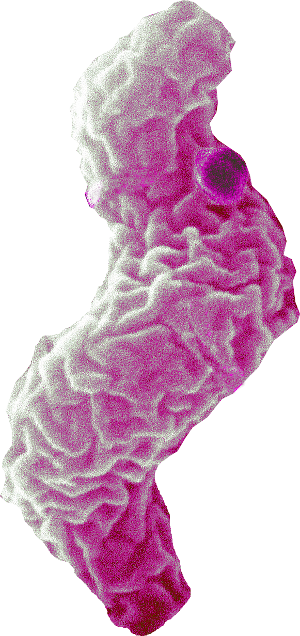
De Wood, Pooley, USDA, ARS, EMU. · Public domain
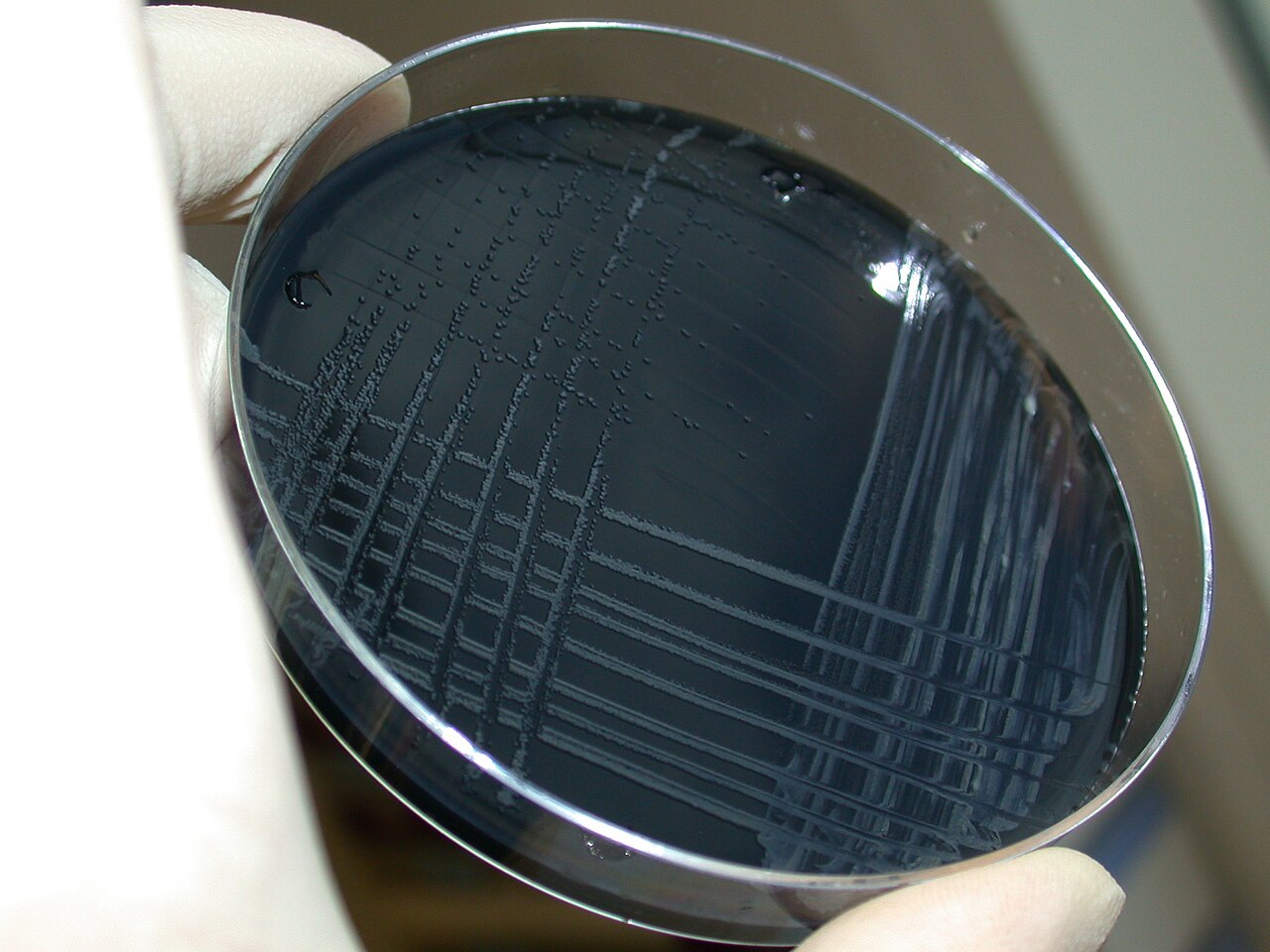
Campylobacter is a genus of bacteria that are Gram-negative and microaerophilic, meaning they require low oxygen levels. Their cells typically appear as curved, S-shaped, or spiral rods, and most species can move using flagella located at one or both ends. The name comes from the Greek *kampylos* (curved) and Neo-Latin *bacter* (rod). These bacteria live in humans and other animals, often in the gastrointestinal and reproductive tracts, and many animals carry them without getting sick. People usually get infected by eating contaminated food or water, or through contact with infected animals, with raw or undercooked poultry being a major source.
Several species cause campylobacteriosis, a leading bacterial cause of gastroenteritis globally. *C. jejuni* is responsible for most human cases, while *C. coli*, *C. upsaliensis*, *C. fetus*, and *C. lari* are less common. Symptoms include diarrhea, abdominal pain, and fever, but infections can sometimes lead to bloodstream infections or post-infectious problems like Guillain–Barré syndrome. Some species are also important in veterinary medicine; for example, *C. fetus* causes bovine genital campylobacteriosis, leading to infertility, embryonic loss, and occasional abortion in cattle.
Theodor Escherich first described these bacteria in 1886 in stool samples from infants who died from "cholera infantum." Over the following years, similar "spirilla" were reported in cases of cholera-like and dysenteric disease, often found in the colon or diarrheal mucus. In 1913, Sir John McFadyean and Stockman described Vibrio-like bacteria in fetal tissues from aborted sheep. For decades, these organisms were called Vibrio-like, until 1963, when Sebald and Veron named the genus *Campylobacter* based on their shape, microaerophilic growth, and key differences from *Vibrio* species.
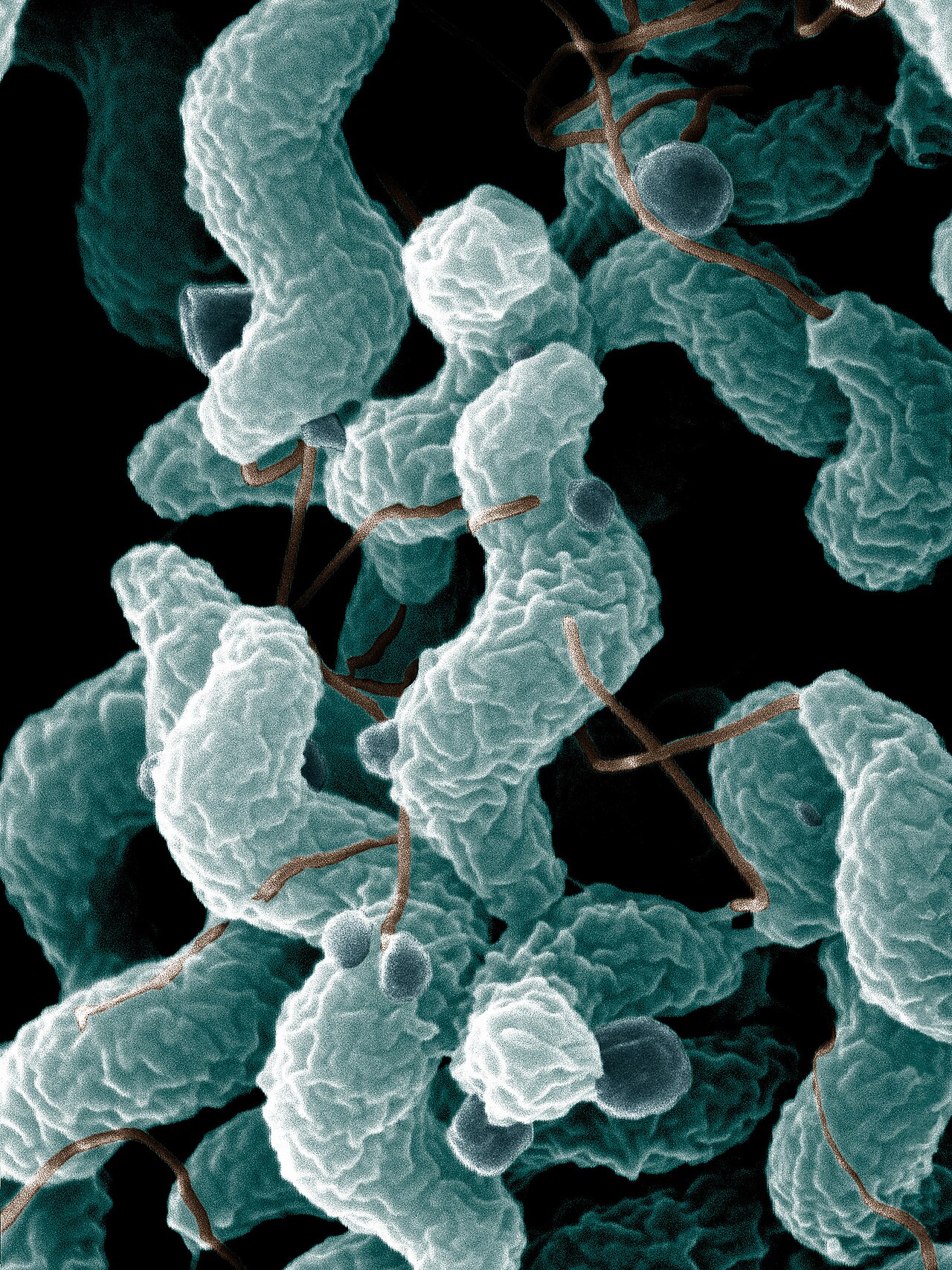
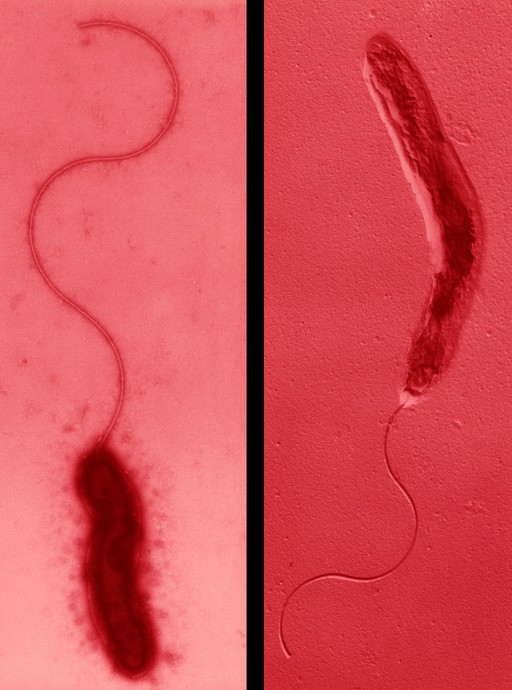
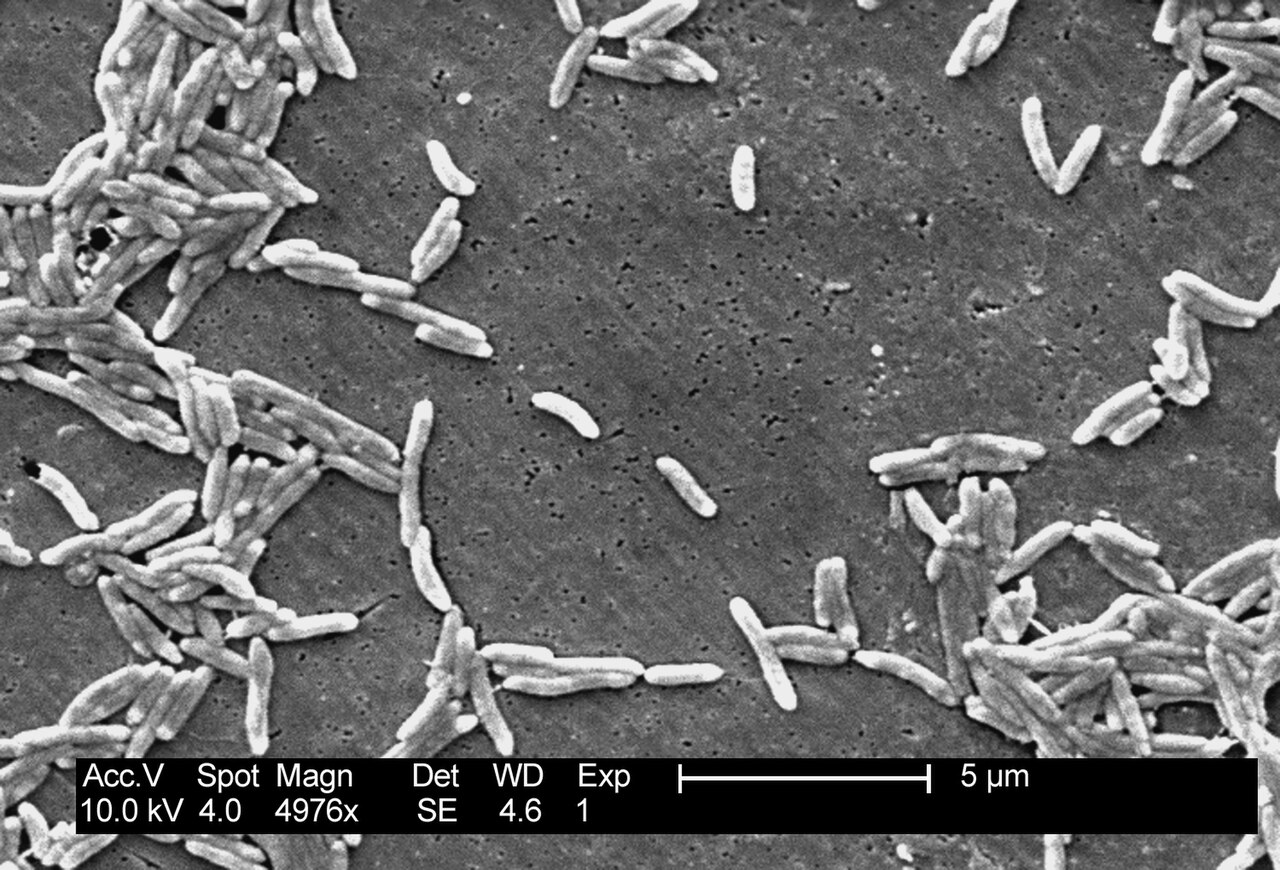
*Campylobacter* cells are slender and come in curved, comma, S-shaped, or spiral forms. Most are motile with one or more flagella at one or both poles, though nonmotile species exist. They are generally microaerophilic, but oxygen needs and optimal growth temperatures vary by species. The thermotolerant *C. jejuni* grows best at 37–42°C and can change from a curved rod to a coccoid form under stress, like prolonged exposure to air.
Quick Facts
- Taxon
- Campylobacter
- Type Species
- Campylobacter fetus
- Type Species Authority
- (Smith & Taylor 1919) Sebald & Veron 1963
Facts from the source article.
Lore & Background
Theodor Escherich first described what are now known as Campylobacters in 1886 in stool samples of infants who perished from a disease he named 'cholera infantum'. Over the following years, publications described similar 'spirilla' in cases of cholera-like and dysenteric disease. Vibrio-like bacteria were also described by Sir John McFadyean and Stockman in 1913 in fetal tissues of aborted sheep. For decades, these organisms were referred to as Vibrio-like, until 1963 when Sebald and Veron gave the name 'Campylobacter' based on their shape and microaerophilic growth requirement, showing significant biological differences from Vibrio species.
Reader's Guide
Campylobacter is a genus of major public health significance as a leading bacterial cause of gastroenteritis globally. Its species, particularly C. jejuni, cause campylobacteriosis, characterized by diarrhea, abdominal pain, and fever, and can lead to serious complications such as Guillain–Barré syndrome. The bacteria are transmitted primarily through contaminated food, especially raw or undercooked poultry, and water. Infection is usually self-limiting, but high-risk patients may require antibiotic treatment with azithromycin. Campylobacter also has veterinary importance, with C. fetus causing bovine genital campylobacteriosis leading to infertility and abortion. The genus has small genomes (1.60–1.90 Mbp) with hypervariable regions, and its motility genes (flaA and flaB) contribute to virulence. Research into Campylobacter-specific bacteriophages continues as a potential therapy against antibiotic-resistant strains.
Did You Know?
- The generic name combines Ancient Greek 'kampylos' (curved) with Neo-Latin 'bacter' (rod).
- Campylobacter infection is the most common trigger of Guillain–Barré syndrome.
- The first Campylobacter genomes were sequenced in 2000.
Curved Forms and Oxygen-Sensitive Metabolism
The very name Campylobacter encodes its most recognizable trait: a fusion of the Ancient Greek "kampylos," meaning curved, with the Neo-Latin "bacter," meaning rod. True to that etymology, the cells of this Gram-negative genus present as slender, comma-shaped, S-shaped, or spiral rods, a morphology that immediately distinguishes them from the straight rods of many other intestinal bacteria. Most species propel themselves through one or more flagella anchored at one or both poles, though a handful of nonmotile members do exist. Their metabolic niche is equally distinctive. Campylobacter organisms are microaerophilic, thriving in environments with reduced oxygen rather than the full atmospheric concentration found in open air. The thermotolerant species C. jejuni, for instance, grows optimally between 37 and 42 degrees Celsius. When subjected to prolonged oxygen exposure or other environmental stress, C. jejuni can abandon its characteristic curved rod shape and collapse into a coccoid form. Biochemically, most species test positive for oxidase, while catalase activity and nitrate-reduction capacity vary from one species to another—traits that have long served as practical tools for phenotypic identification in the laboratory.
A Long Misidentification and the 1963 Naming
For nearly eight decades, the organisms we now call Campylobacter went by a different name entirely. Theodor Escherich first described them in 1886, spotting curved bacteria in the stool samples of infants who had died from a condition he termed "cholera infantum." Over the following years, other researchers reported similar "spirilla" in cases of cholera-like and dysenteric illness, typically recovering them from the colon or from mucus-laden diarrhoeal specimens. In 1913, Sir John McFadyean and Stockman identified Vibrio-like bacteria in the fetal tissues of aborted sheep, further cementing the mistaken association. For years afterward, these organisms were catalogued simply as Vibrio-like, a classification that obscured their true biology. The breakthrough came in 1963, when Sebald and Veron demonstrated significant biological differences between these curved, microaerophilic organisms and true Vibrio species. On the strength of that evidence, they proposed the new genus name Campylobacter, a label that finally matched the organisms' distinctive shape and their unusual oxygen requirements.
From Poultry to Guillain–Barré: The Spectrum of Human and Animal Disease
Campylobacteriosis ranks among the most common bacterial causes of gastroenteritis worldwide, with C. jejuni responsible for the majority of reported human infections and C. coli, C. upsaliensis, C. fetus, and C. lari accounting for a smaller share. The typical presentation—inflammatory or bloody diarrhea, abdominal cramping, and fever—appears 24 to 72 hours after exposure. Transmission runs through the fecal-oral route, contaminated water, raw dairy, and especially raw or undercooked poultry. Because the bacteria are sensitive to gastric hydrochloric acid, the infectious dose is relatively high; fewer than 10,000 organisms rarely cause illness in a healthy adult. Individuals taking antacid medications for gastritis or ulcers, however, face elevated risk, since neutralized stomach acid removes a key barrier. Most C. jejuni strains produce cytolethal distending toxin, which halts cell division and triggers an inflammatory cascade in the jejunum, ileum, and colon. Though rare, complications can extend well beyond the gut, including bloodstream infection, hemolytic uremic syndrome, and the post-infectious autoimmune condition Guillain–Barré syndrome. In veterinary medicine, C. fetus causes bovine genital campylobacteriosis, linked to infertility, embryonic loss, and occasional abortion in cattle.
Compact Genomes, Shifting Flagella, and the Phage Frontier
The first Campylobacter genome to be sequenced was that of C. jejuni, completed in 2000, and subsequent studies have revealed a genus of remarkably compact genomes, ranging from 1.60 to 1.90 megabase pairs—noticeably smaller than those of many other gastrointestinal pathogens. A striking feature across most species is the presence of hypervariable regions that can differ dramatically between strains, offering a molecular fingerprint for identification. Motility genetics add another layer of complexity: some species carry two flagellin genes, flaA and flaB, arranged in tandem, and these genes undergo intergenic recombination, a mechanism that further contributes to virulence. Roughly one-third of Campylobacter species harbor a single Type VI secretion system cluster, organized into three distinct configurations and carrying up to five vgrG genes. Beyond the bacterial genome itself, Campylobacter-specific bacteriophages—natural viral predators—were first isolated from cattle and pigs in the 1960s, targeting what were then called Vibrio coli and Vibrio fetus. In the current era of mounting antibiotic resistance, phage-based therapy against Campylobacter has emerged as an active and promising area of research.
Gallery
Frequently Asked Questions
Who is Campylobacter?
Campylobacter is a genus of Gram-negative, microaerophilic bacteria first identified by Theodor Escherich in 1886, though the genus name was not formally established until Sebald and Veron described it in 1963. Its type species, C. jejuni, is the one most people know for causing illness in humans.
What does Campylobacter look like?
The cells take on a distinctive curved, S-shaped, or spiral-rod form, which is exactly where the name derives from — Greek kampylos for 'curved' plus Neo-Latin bacter for 'rod.' Most species also carry flagella at one or both ends, giving them a motile, whip-like appearance under the microscope.
What is Campylobacter's role in the story?
It primarily plays the antagonist by causing campylobacteriosis, a very common form of bacterial gastroenteritis. It resides in the gastrointestinal and reproductive tracts of humans and a wide range of animal hosts, with many animals serving as silent, asymptomatic reservoirs.
How does a Campylobacter infection typically start?
Infection usually kicks in when a person ingests contaminated food or water, or has direct contact with an infected animal. The thermotolerant species thrive at 37–42 °C, making the warm human gut an ideal environment for them to multiply.
Why is Campylobacter considered a major player?
It is one of the most prevalent causes of bacterial gastroenteritis worldwide, affecting a huge number of people every single year. With a compact genome of roughly 1.60–1.90 Mbp and a strict microaerophilic lifestyle, it occupies a very specific ecological niche that makes it both widespread and difficult to fully eradicate.
More in Zoonoses 1-24
Spotted an error? Know more?
Reader corrections go straight into our review queue. Suggest an edit · How this site is sourced