Capnocytophaga canimorsus
A dog- and cat-borne bacterium causing severe illness in immunocompromised humans.

Suryabrata Banerjee (microregistrar.com) · CC BY-SA 4.0
Capnocytophaga canimorsus is a fastidious, slow-growing, Gram-negative rod bacterium that is a commensal member of the normal microbiota of the gums of dogs and cats. It can cause illness in humans, typically through bites, licks, or even proximity to animals, and is of medical interest because it can lead to severe disease in individuals with pre-existing conditions such as asplenia.
Quick Facts
- Genus
- Capnocytophaga
- Species
- canimorsus
Facts from the source article.
Lore & Background
Capnocytophaga canimorsus was first observed in 1976 by Raymond Bobo and Eleanor Newton, who isolated the previously unknown Gram-negative bacterium from a patient with meningitis and sepsis following two dog bites. Earlier cases from 1961 to 1975 were analyzed by Butler et al., who noted the connection to dog bites, but the CDC had already assigned the organism the designation CDC group DF-2 (dysgonic fermenter) before Butler's 1977 publication. In 1989, Weaver et al. noted similarities to the genus Capnocytophaga, and later that year Brenner et al. proposed the name Capnocytophaga canimorsus based on morphology, G+C% content, and motility.
Reader's Guide
Capnocytophaga canimorsus is significant as a zoonotic pathogen that highlights the risks of animal contact, especially for vulnerable populations. Although it has low virulence in healthy individuals, it can cause fulminant sepsis, meningitis, and disseminated intravascular coagulation in those with asplenia, alcoholism, or immunosuppression. The bacterium's pathogenesis remains largely unknown, but its dependence on iron for growth explains why conditions with elevated blood iron—such as asplenia and alcohol use disorder—increase risk. Diagnosis relies heavily on clinicians knowing about recent animal exposure, as the organism is fastidious and slow-growing. Treatment with antibiotics is effective in most cases, but mortality is high in asplenic patients, who are 60 times more at risk of fatal outcomes. The bacterium's name reflects its carbon dioxide dependence (Capnocytophaga) and association with dog bites (canimorsus). Its genome, sequenced from strain Cc5, is a single circular chromosome of 2,571,406 bp with 36.11% G+C content.
Did You Know?
- About 26% of dogs carry C. canimorsus as a commensal in their mouths.
- The species name canimorsus comes from Latin canis (dog) and morsus (bite).
- Symptoms may appear within 2–3 days after exposure, or up to 4 weeks later.
- More than 60% of sufferers are 50 years of age or older.
From Mystery Bacillus to Named Species
In 1976, microbiologists Raymond Bobo and Eleanor Newton isolated an unidentified Gram-negative rod from a patient suffering from both meningitis and sepsis. The clinical picture was striking: the patient had received bites from two different dogs on two consecutive days just before symptoms erupted. Recognizing the temporal link, Butler and colleagues reviewed seventeen analogous cases collected between 1961 and 1975, all of which had been forwarded to the CDC because of an unidentifiable Gram-negative bacillus. Butler flagged the recurring association with dog bites to the agency, but the CDC could not pin down the organism's identity and assigned it the working label CDC group DF-2, shorthand for dysgonic fermenter, reflecting its sluggish, fermentative growth. For thirteen years the bacterium remained a taxonomic enigma. That changed in 1989 when Weaver and team observed morphological parallels to the genus Capnocytophaga, and Brenner and colleagues formally proposed the binomial Capnocytophaga canimorsus, drawing on the organism's shape, guanine-cytosine content, and motility profile. The genus name nods to the bacterium's carbon-dioxide dependence (Greek kapnos, meaning smoke), while the species epithet simply translates from Latin as dog bite.
Who Is at Risk and Where the Bacteria Lives
Capnocytophaga canimorsus is a routine resident of the oral microbiome in dogs and cats, colonizing roughly one in four canines, yet it is not part of the normal human flora. The species rarely sickens its animal hosts; a single documented case in a small dog produced only a localized wound infection without systemic spread, and a handful of rabbit infections following dog bites led to dramatic complications such as disseminated intravascular coagulation, tissue necrosis, hypotension, gangrene, and renal failure. In humans, however, the picture shifts dramatically. Tens of millions suffer significant dog bites worldwide each year, and in the United States alone an estimated 4.5 to 4.7 million people—about two percent of the population—are bitten annually. Infection rates after a dog bite range from three to twenty percent, climbing as high as fifty percent following cat bites. Cases have surfaced across the United States, Canada, Europe, Australia, and South Africa. Symptoms can manifest as early as two or three days post-exposure or as late as four weeks. More than sixty percent of affected individuals are fifty years or older, and those with heavy daily contact with pets—veterinarians, breeders, pet keepers—face elevated exposure.
Growing a Stubborn Bacterium in the Lab
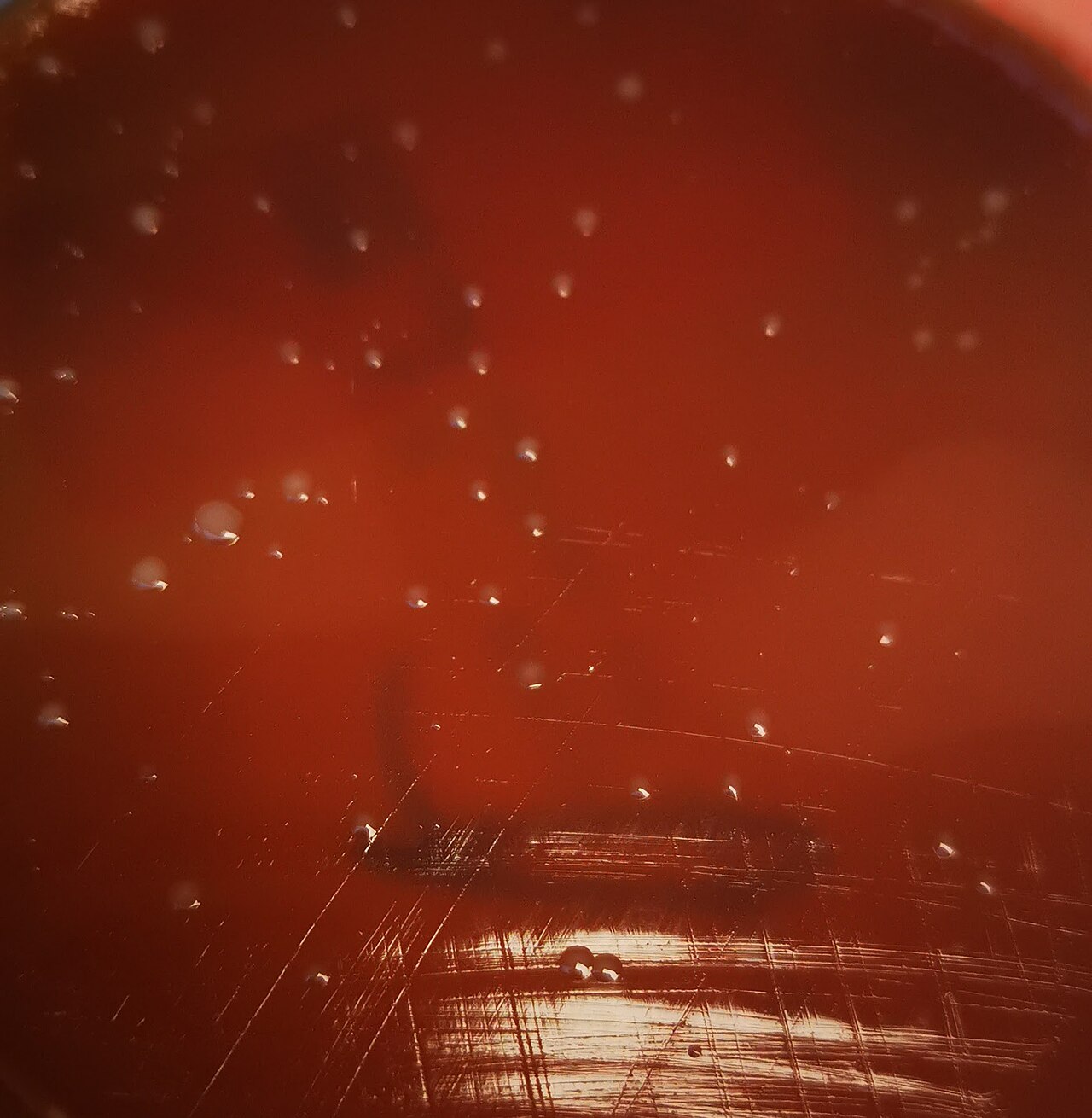
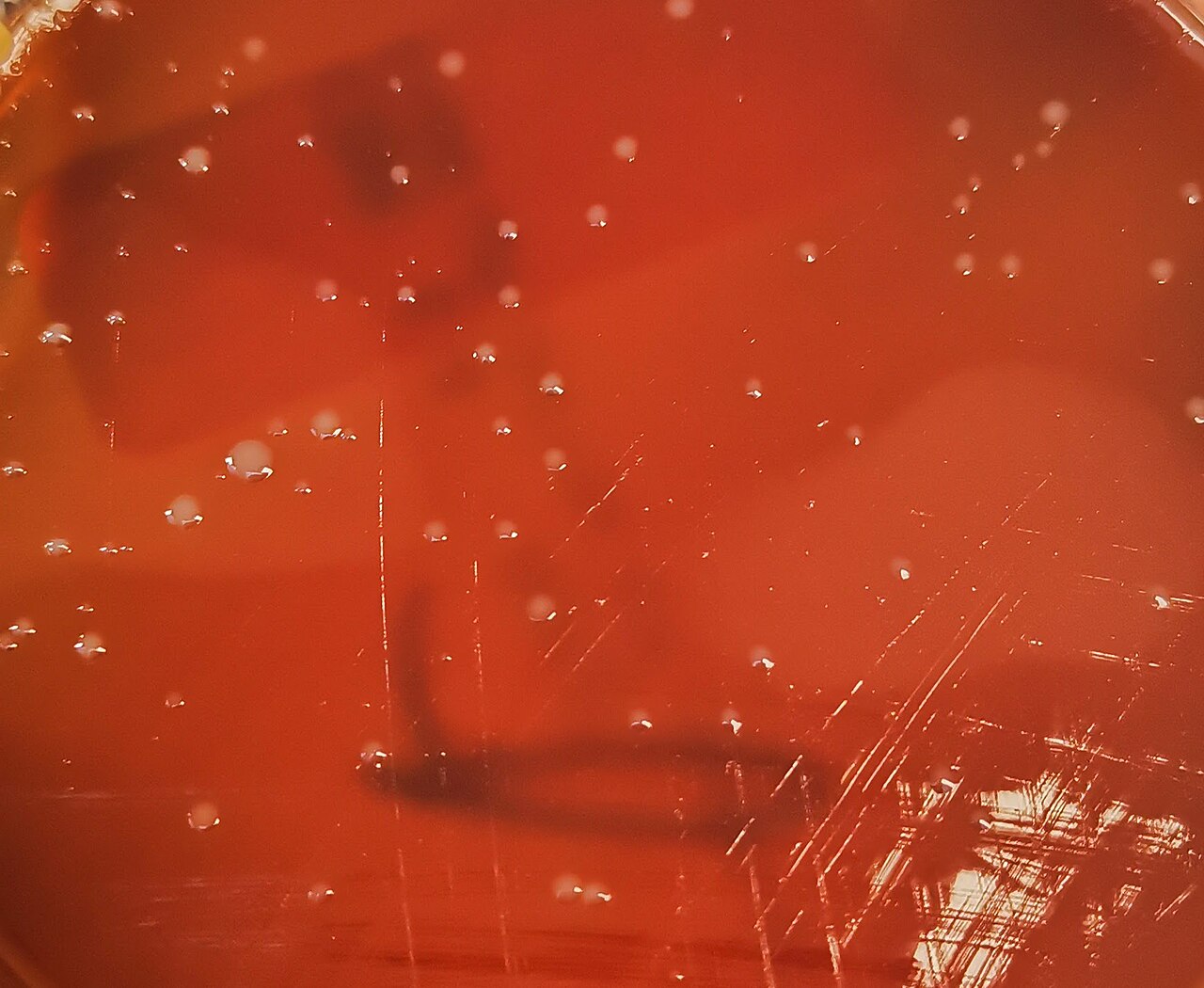
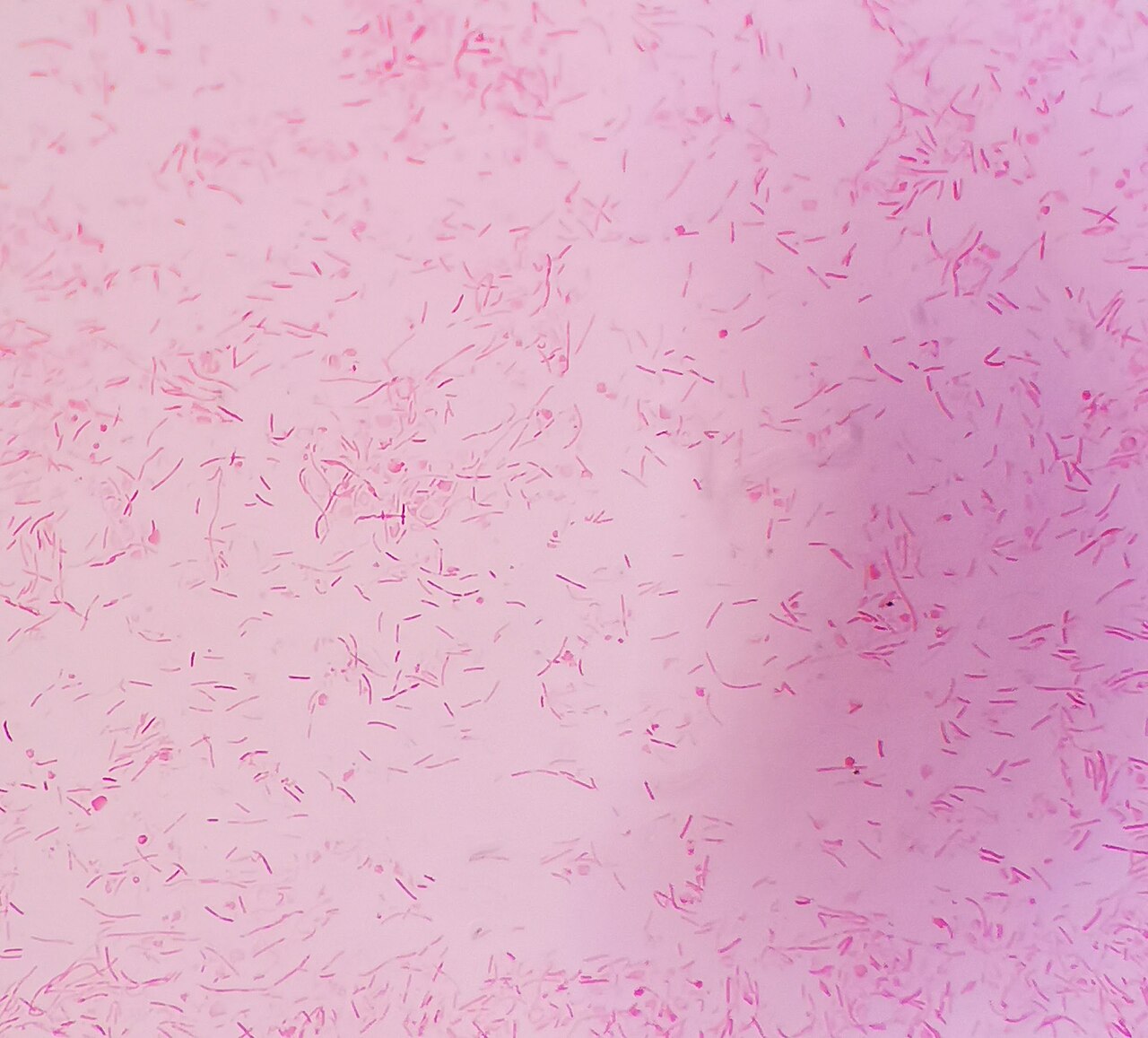
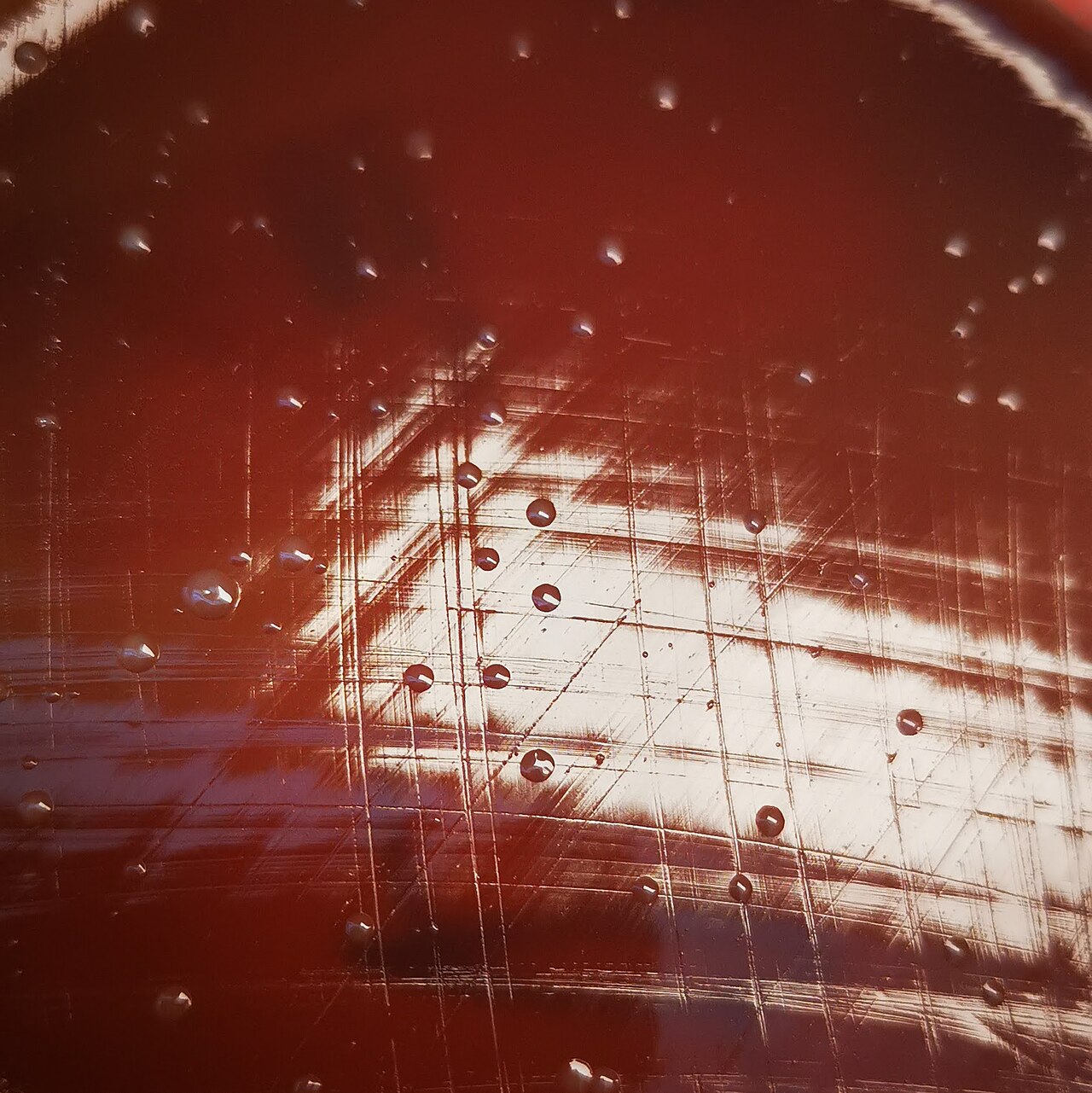
C. canimorsus is a fastidious, encapsulated, nonspore-forming, Gram-negative rod measuring one to three micrometers in length, with longer cells tending to curve after agar growth. The organism lacks flagella but exhibits a gliding motility that is notoriously hard to observe. Culturing it demands the right conditions: it thrives on blood agar (heart-infusion medium supplemented with five percent sheep or rabbit blood) and chocolate agar, and it requires elevated carbon dioxide—hence the genus name rooted in the Greek word for smoke. Growth is painfully slow. Colonies are often invisible for up to forty-eight hours. At eighteen hours they are barely half a millimeter across, spotty and convex; by twenty-four hours they may reach one millimeter; and only after the full two days do they display their characteristic narrow, flat, smooth morphology with spreading margins, a translucent white-grey or grey color, and a faint yellow tinge when scraped from the plate. The complete genome of strain Cc5 comprises a single circular chromosome of 2,571,406 base pairs with a G+C content of 36.11 percent, encoding 2,405 open reading frames.
Clinical Impact, the Iron Connection, and Treatment
In immunocompetent, healthy individuals, C. canimorsus tends to be a low-virulence pathogen, but in vulnerable hosts it can trigger overwhelming, even fatal, sepsis. The pathogenesis remains largely unresolved, though rising clinical diagnoses have sharpened research interest. Transmission is not limited to deep bites; licks and mere proximity to canines or felines have been implicated. A critical vulnerability lies in the bacterium's heavy iron demand. Conditions that elevate circulating iron—such as asplenia (surgical removal of the spleen), alcohol use disorder, β-thalassemia, and chronic steroid-induced immunosuppression—create an ideal internal environment for the bacillus to proliferate. Indeed, thirty-three percent of cases documented in the literature involved asplenic patients, and the organism's capsule makes it a classic culprit in post-splenectomy sepsis. Smokers also appear in the high-risk cohort. Despite these dangers, antibiotic therapy proves effective in most confirmed infections. The single most valuable diagnostic clue for clinicians remains a simple history: did the patient recently encounter a dog or cat?
Gallery
Frequently Asked Questions
Who is Capnocytophaga canimorsus?
It is a fastidious, slow-growing Gram-negative rod that quietly resides in the oral microbiome of dogs and cats as part of their normal gum flora. In fan-encyclopedia terms, it's a background NPC in the pet's mouth who only steps into the spotlight when circumstances go badly wrong.
What are Capnocytophaga canimorsus's powers/role?
In its natural habitat it does essentially nothing, but once it enters a human through a bite, a lick, or even close skin contact, it can unleash sepsis, meningitis, or disseminated intravascular coagulation—particularly in asplenic or otherwise immunocompromised hosts.
Why is Capnocytophaga canimorsus important?
It serves as a stark reminder that an ordinary household pet can harbour a bacterium capable of killing a person with a specific immune gap, such as a missing spleen. That makes it a must-know pathogen for emergency physicians, travel-medicine clinicians, and anyone advising asplenic patients on pet-safety precautions.
Who discovered Capnocytophaga canimorsus and when?
Raymond Bobo and Eleanor Newton first isolated and described the organism in 1976, and it went on to become the type species of the genus Capnocytophaga. Its fastidious growth requirements meant it was easy to overlook in routine lab work for years after that initial identification.
More in Zoonoses 1-24
Spotted an error? Know more?
Reader corrections go straight into our review queue. Suggest an edit · How this site is sourced