
Arles, Roman and Romanesque Monuments
A UNESCO site showing Roman and medieval adaptation in Arles.

Bjs · CC BY-SA 4.0
Arles, Roman and Romanesque Monuments is a UNESCO World Heritage Site in the city centre of Arles, France, designated in 1981. It comprises a collection of Roman and Romanesque structures that illustrate the adaptation of an ancient city to medieval European civilization.
- Location
- Arles, France
- Area
- 65 hectares (160 acres)
- Earliest monuments
- 1st century BCE
- Unesco listing
- 1981
- Key roman monuments
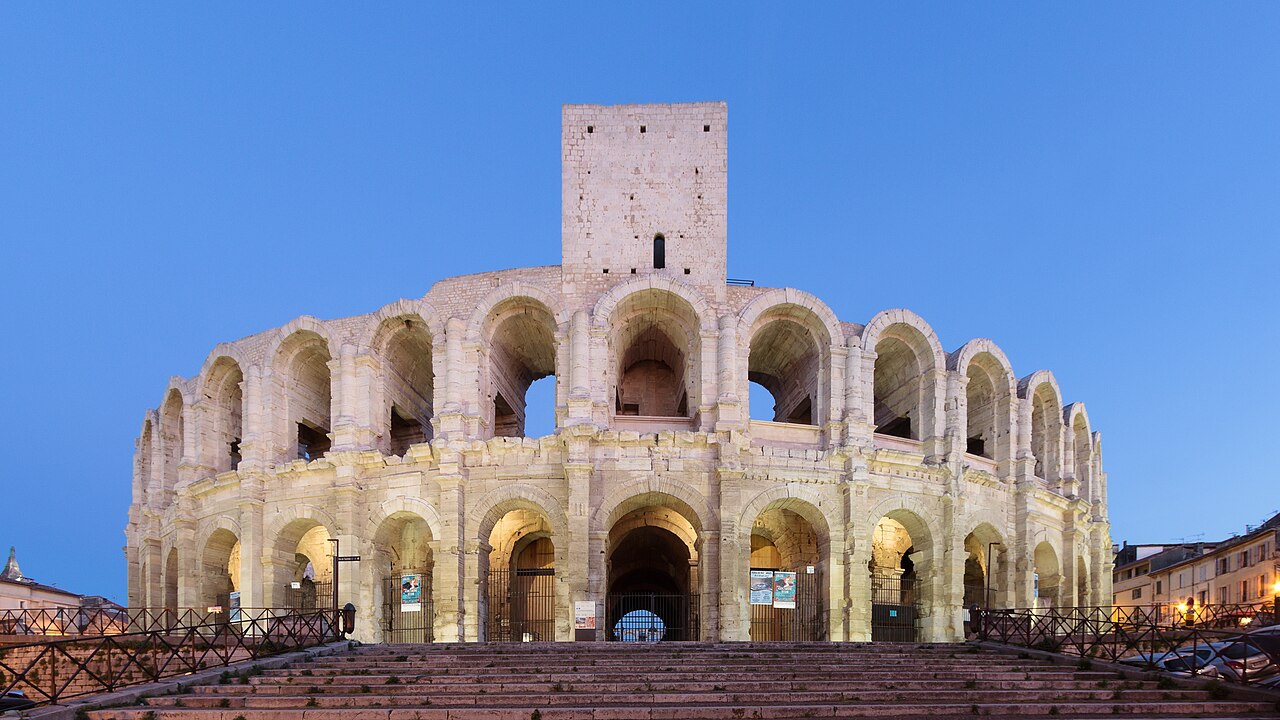
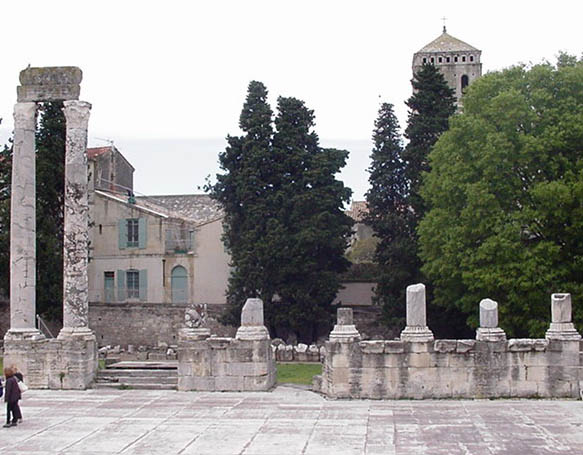
- arena, Roman theatre, cryptoporticus
- Key romanesque monument
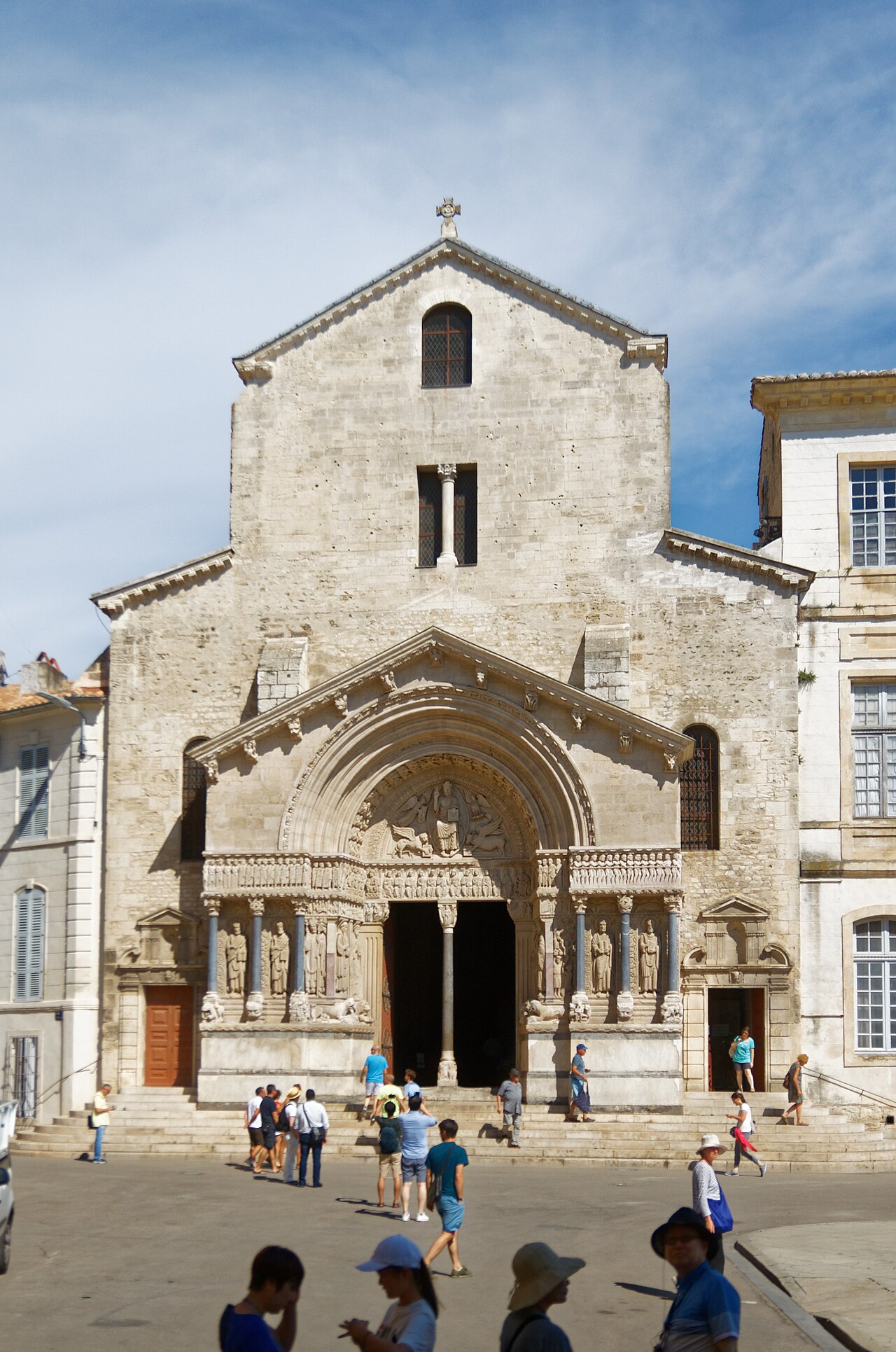
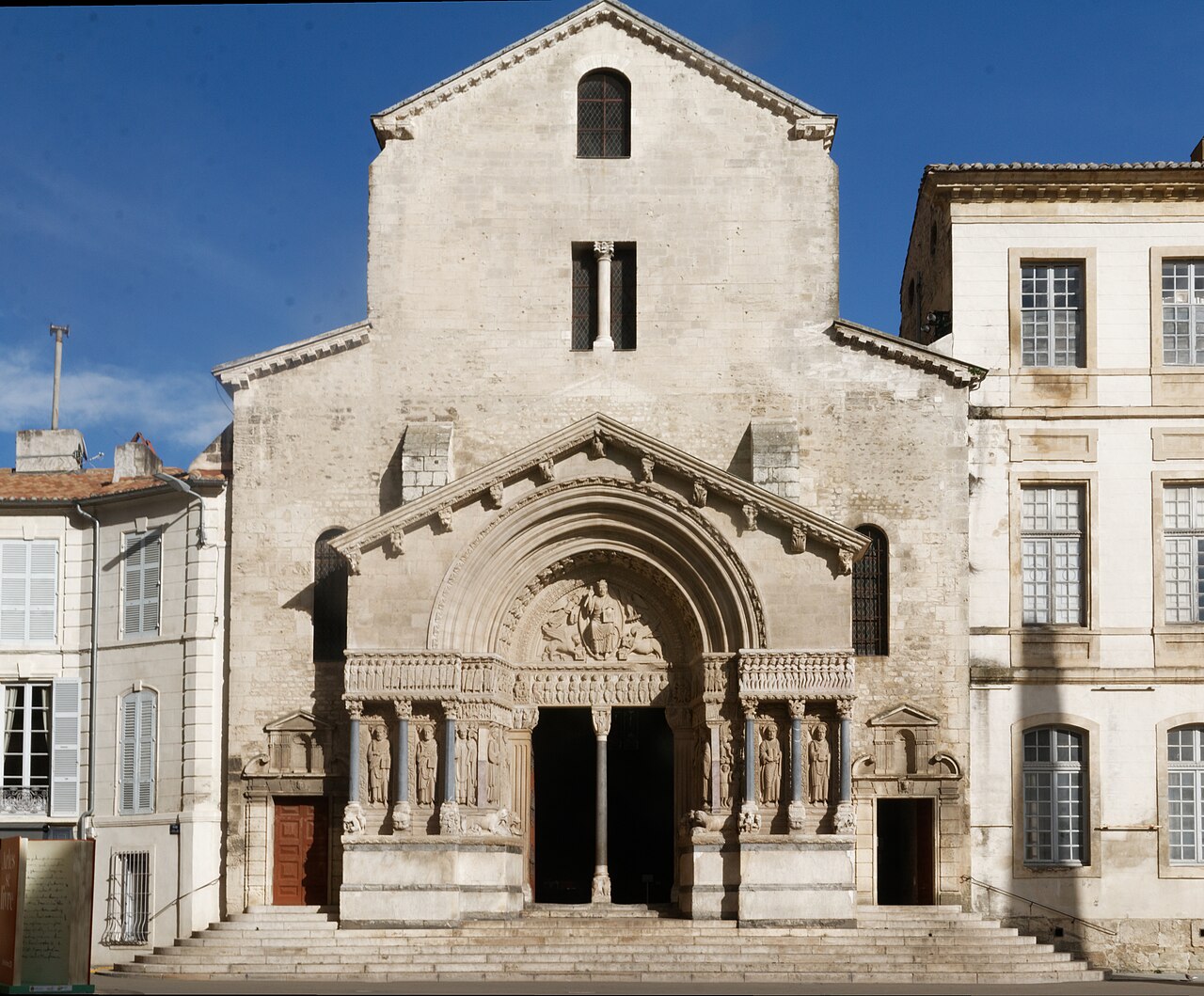
- Saint-Trophime with its cloister
Lore & Background
The site includes Roman monuments dating to the 1st century BCE, such as the arena, Roman theatre, and cryptoporticus—subterranean galleries built by the Romans as a foundation for the forum. During the 4th century, Arles experienced a second golden age, evidenced by the baths of Constantine and the necropolis of Alyscamps. In the 11th and 12th centuries, Arles became a prominent Mediterranean city, and within its walls, Saint-Trophime and its cloister emerged as major Romanesque monuments.
Reader's Guide
The significance of Arles, Roman and Romanesque Monuments lies in its layered history, showcasing how a Roman city adapted to medieval European civilization. The earliest structures, like the arena and theatre, date to the 1st century BCE, while later additions such as the baths of Constantine and Alyscamps reflect a 4th-century revival. The Romanesque Saint-Trophime and its cloister represent the city's medieval flourishing. The protected area covers 65 hectares and includes the amphitheatre, Roman theatre, cryptoporticus, Thermes of Constantine, ramparts, Alyscamps, Saint-Trophime, and the Roman exedra. This collection illustrates continuous urban evolution over more than a millennium.
Did You Know?
- The cryptoporticus was built by the Romans in the 1st century BCE as a foundation for the forum, not as a slave barracks.
- The Thermes of Constantine were built during the 4th century CE.
- The site includes the Church of St. Trophime and its cloister, a major Romanesque monument.
- The protected area covers 65 hectares (160 acres).
UNESCO Recognition and the Story of Adaptation
Arles, in southern France, earned its place on the UNESCO World Heritage list in 1981, a distinction that recognized something deeper than mere architectural beauty. The official framing of the site presents it as a compelling case study in how an ancient urban center could be reshaped to serve the needs of medieval European society. Rather than being a frozen relic, the city centre of Arles tells a continuous story of reinvention across millennia. The protected zone spans 65 hectares—roughly 160 acres—encompassing a dense cluster of structures that together illustrate this long dialogue between past and present. What makes Arles distinctive among Roman heritage sites is not simply the presence of antiquity, but the visible layering of civilizations: Roman engineering giving way to Christian worship, secular forums transforming into civic spaces, and a Mediterranean port city repeatedly reinventing its identity while retaining its foundational bones. The 1981 inscription cemented Arles as a benchmark for understanding how European cities absorbed and repurposed their classical inheritance.
The Roman Foundations
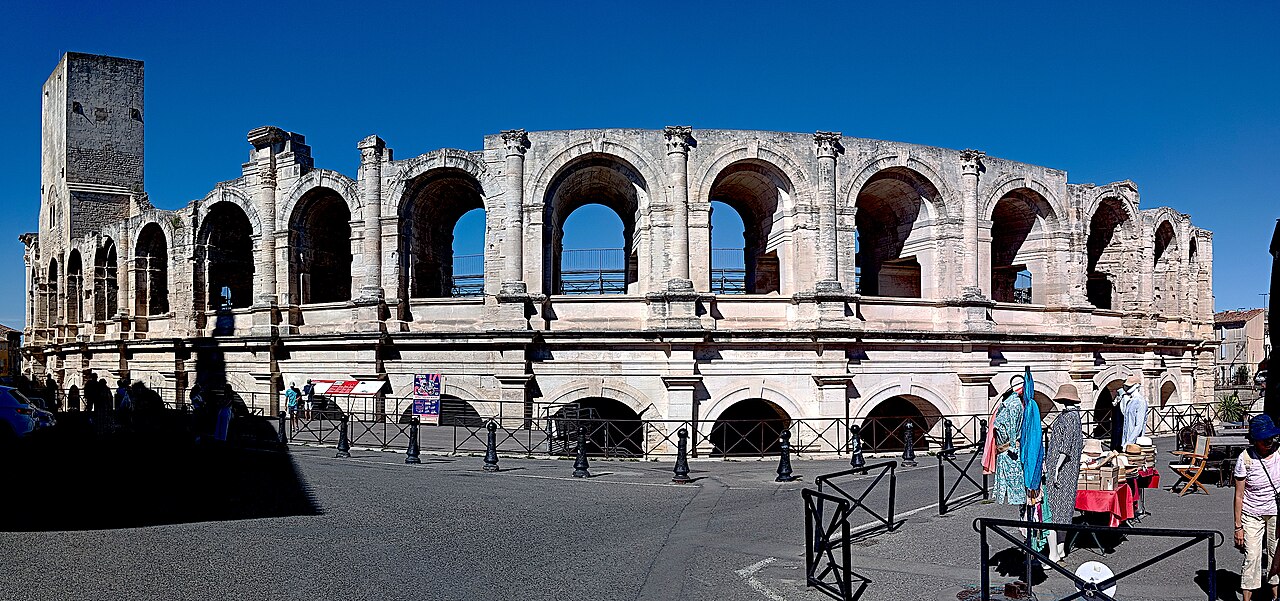
The oldest structures within the Arles heritage zone reach back to the 1st century BCE, a period when the city was already a thriving node in the Roman world. The arena, the Roman theatre, and the cryptoporticus—those subterranean galleries that now lie beneath the Chapel of the Jesuit College and the City Hall—form the earliest architectural layer. The cryptoporticus, in particular, carries an intriguing origin story: it was likely constructed by Greek builders, and its function may have extended to serving as a slave barracks, a grim reminder of the social machinery behind Roman urban life. Centuries later, in the 4th century CE, Arles entered what can be described as a second golden age. The Thermes of Constantine, a grand public bath complex, and the Alyscamps necropolis stand as testaments to this renewed prosperity. Together, these two Roman periods—early imperial and late imperial—bookend a span of several centuries during which Arles maintained its status as a significant Mediterranean city, leaving behind monuments that still anchor the modern cityscape.
The Romanesque Renaissance
After the long Roman chapters, Arles experienced yet another flowering in the 11th and 12th centuries, when it reasserted itself as one of the most compelling destinations along the Mediterranean coast. The defining monument of this era is the Church of Saint-Trophime, situated within the old city walls. Its cloister is singled out as one of the major Romanesque achievements in all of Provence, representing the high point of that architectural tradition in the region. The church and its surrounding cloister embody a shift in the city's cultural and spiritual priorities: where Roman Arles had been defined by public spectacle, civic administration, and imperial infrastructure, medieval Arles found its identity in faith, monastic life, and the artistic expression of Romanesque stonecraft. This period also reinforced Arles's role as a crossroads of Mediterranean trade and culture, a city that drew visitors and merchants from across the sea. The survival of Saint-Trophime and its cloister within the heritage zone ensures that this Romanesque voice remains audible alongside the older Roman ones.
The Protected Landscape and Its Structures
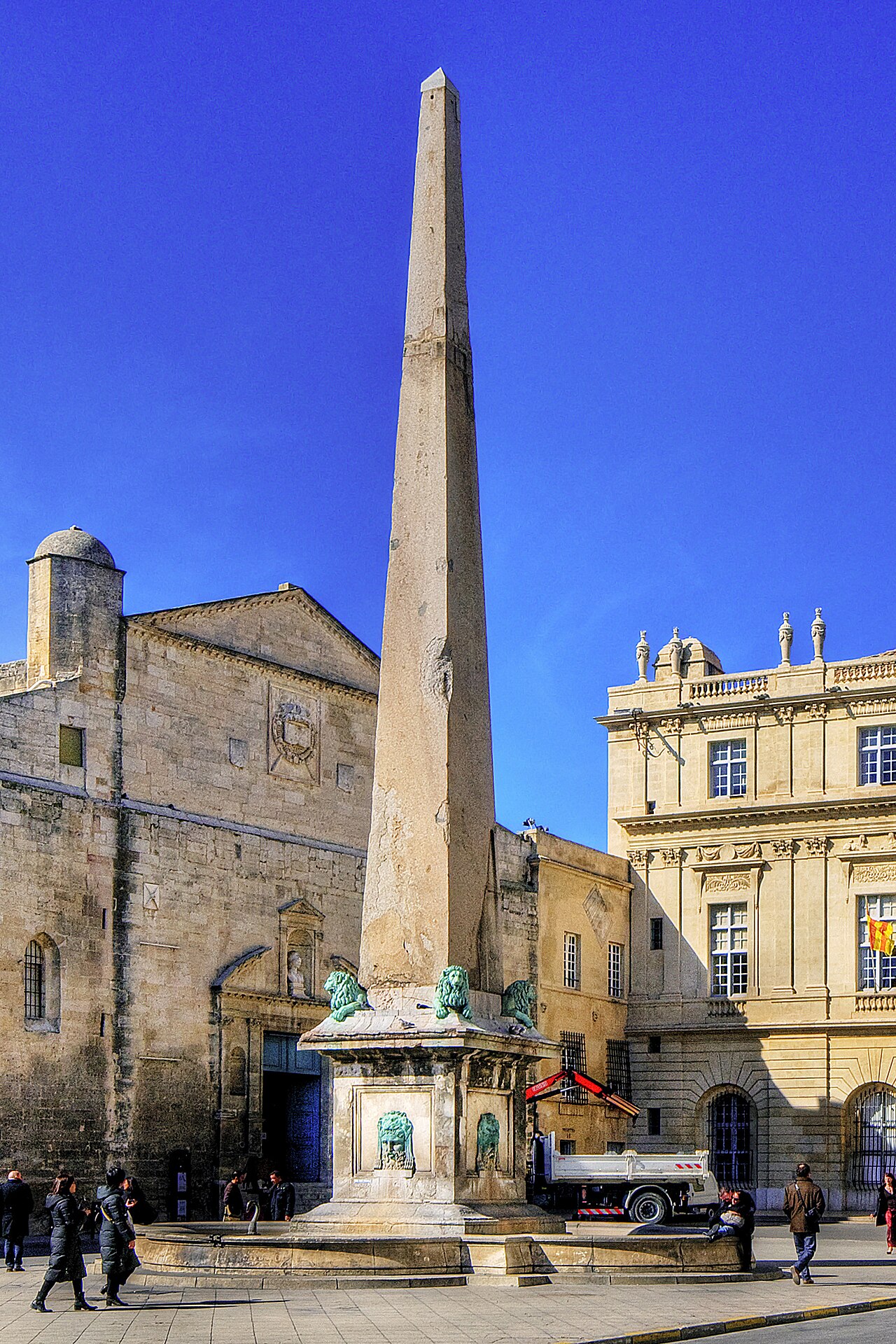
The 65-hectare protected area in Arles's city centre is not a single monument but a constellation of structures spanning nearly two millennia. Beyond the major names—the amphitheatre, the Roman theatre, the baths of Constantine, the Alyscamps, and Saint-Trophime—the zone also encompasses the ramparts of the Roman castrum, a physical reminder of the city's military and defensive history. The Roman exedra, now integrated into the courtyard of the Museon Arlaten, offers a more intimate glimpse of classical urban design, a curved architectural element that once framed a public space. The cryptoporticus, tucked beneath later buildings, demonstrates how Roman infrastructure was literally absorbed into the fabric of subsequent centuries. Each of these structures, individually remarkable, gains additional meaning from its proximity to the others. Walking through the heritage zone means moving continuously between the 1st century BCE and the 12th century CE, with the city walls, forums, baths, and churches forming a single, layered narrative that no single building could convey on its own.
Gallery
Frequently Asked Questions
What is Arles, Roman and Romanesque Monuments?
It is a UNESCO World Heritage Site in the heart of Arles, France, grouping together Roman-era and Romanesque-era buildings that trace how an ancient provincial city was reshaped into a medieval European one.
When was Arles, Roman and Romanesque Monuments added to the World Heritage List?
The site received its UNESCO inscription in 1981, acknowledged for preserving a rare, continuous urban record spanning from the 1st century BCE through the medieval period.
Which monuments are the standouts within the Arles, Roman and Romanesque Monuments site?
On the Roman side, the ancient arena, the open-air theatre, and the subterranean cryptoporticus are the most visited landmarks; on the Romanesque side, the Church of Saint-Trophime and its sculpted cloister take the spotlight.
Why do heritage fans consider Arles, Roman and Romanesque Monuments so significant?
Its value lies in showing, within a single compact district, how successive civilizations literally built on, reused, and transformed one another's structures over more than a millennium, making it a textbook case of urban layering.
How big is the protected area of Arles, Roman and Romanesque Monuments?
The designated zone stretches across roughly 65 hectares (about 160 acres) in central Arles, concentrating the city's most important ancient and medieval architecture into one walkable core.
More in World Heritage Sites in France 1-24
Spotted an error? Know more?
Reader corrections go straight into our review queue. Suggest an edit · How this site is sourced