
Ancient and Primeval Beech Forests of the Carpathians and Other Regions of Europe
Transnational serial UNESCO site protecting primeval beech forests across Europe.

DanelMar · CC BY 4.0
The Ancient and Primeval Beech Forests of the Carpathians and Other Regions of Europe is a transnational serial nature UNESCO World Heritage Site. It encompasses 94 component parts of European beech (Fagus sylvatica) forests in 18 European countries, protecting the largest and least disturbed forests dominated by the beech tree. In many stands, especially in the Carpathians, these forests have persisted without interruption or interference since the last ice age, documenting the undisturbed postglacial repopulation of the species.
- Component parts
- 94
Lore & Background
The Primeval Beech Forests of the Carpathians include ten separate massifs along a 185 km axis from the Rakhiv mountains and Chornohora ridge in Ukraine over the Poloniny Ridge to the Vihorlat Mountains in Slovakia. The Carpathian site covers 77,971.6 ha, with 29,278.9 ha as preserved area and the rest as buffer zone. Over 70% of the site is located in Ukraine, and it includes two national parks and habitat controlled areas, mostly in Slovakia. The two national parks, along with a neighboring area in Poland, compose the East Carpathian Biosphere Reserve.
In 2017, UNESCO extended the site to include forests in Albania, Austria, Belgium, Bulgaria, Croatia, Italy, Romania, Slovenia, and Spain. In 2021, further extensions added forests in Bosnia and Herzegovina, Czechia, France, Italy, North Macedonia, Poland, Slovakia, and Switzerland. In 2023, minor extensions included an expansion to the Dürrenstein-Lassingtal site in Austria and the addition of a forest at Paklenica National Park in Croatia. As of December 2023, the site encompasses 94 component parts in 18 European countries, with a total area of 99,947.81 ha and buffer zones of 396,223.61 ha.
Reader's Guide
The Ancient and Primeval Beech Forests of the Carpathians and Other Regions of Europe represent a unique transnational effort to protect the largest and least disturbed beech forests on the continent. These forests are significant because they document the undisturbed postglacial repopulation of the European beech since the last ice age, offering a natural archive of ecological and evolutionary processes. The serial nature of the site, spanning 18 countries and 94 component parts, highlights the widespread but fragmented distribution of ancient beech ecosystems. The inclusion of buffer zones and overlap with national parks, nature reserves, and Natura 2000 areas underscores the integration of conservation with existing protected area networks. The site's ongoing expansion—through additions in 2017, 2021, and 2023—reflects a growing recognition of the value of these forests for biodiversity and climate research. The largest total area of component parts is in Ukraine and Romania, which together account for 53% of the total area. The site also includes a tentative list for further expansion in Montenegro and Serbia.
Did You Know?
- Over 70% of the Carpathian component of the site is located in Ukraine.
- The Carpathian site includes two national parks that, with a neighboring area in Poland, compose the East Carpathian Biosphere Reserve.
A Transnational Natural Treasure
The Ancient and Primeval Beech Forests of the Carpathians and Other Regions of Europe stand as one of the most geographically dispersed entries on the UNESCO World Heritage List, shared across seventeen nations. This extraordinary breadth of participation distinguishes it from France's other five shared properties, which involve between one and six partner countries. The site exemplifies how a single ecological phenomenon—ancient beech woodland—can transcend borders and unite a vast stretch of European territory under a common conservation mandate. For France, which holds fifty of its fifty-six World Heritage sites within its metropolitan territory and six overseas, this transnational designation represents a unique opportunity to contribute to a broader continental narrative of natural heritage. The forests are recognized under the natural heritage category, which encompasses physical and biological formations, geological and physiographical formations including habitats of threatened species, and sites of scientific, conservation, or aesthetic significance. By joining seventeen other nations in this shared inscription, France reinforces its commitment to protecting ecosystems that no single country could safeguard in isolation.
The Framework of Natural Heritage Recognition
The designation of the Ancient and Primeval Beech Forests rests upon the UNESCO World Heritage Convention, a treaty established in 1972 that created a formal mechanism for identifying places of outstanding cultural or natural importance. Under this framework, natural heritage is defined to include physical and biological formations, geological and physiographical formations that serve as habitats for threatened animal and plant species, and natural sites valued for their scientific, conservation, or aesthetic qualities. Sites are evaluated against ten criteria, with criteria seven through ten reserved specifically for natural properties. The Beech Forests, as a natural heritage entry, must satisfy at least one of these natural criteria to qualify for inscription. France, which formally accepted the Convention on 27 June 1975, now carries seven natural sites and two mixed sites among its fifty-six total listings. The presence of the Beech Forests within this portfolio underscores that France's heritage obligations extend well beyond its own borders, engaging it in the stewardship of a shared European ecological legacy.
France's Standing in the Global Heritage Landscape
With fifty-six inscribed World Heritage properties, France occupies the third position worldwide in total site count, trailing only Italy and China. This substantial portfolio includes forty-seven cultural sites, seven natural sites, and two mixed designations that carry both cultural and natural significance. The country's first five entries were added to the list in 1979, and the most recent additions—the Beaches of the D-Day Landings and the Royal Capetian Fortresses of Languedoc—were inscribed in 2026, illustrating a continuous engagement spanning nearly five decades. France has also served on the World Heritage Committee on five occasions, giving it a direct voice in the governance of the global heritage system. The Ancient and Primeval Beech Forests, shared with seventeen nations, represent one of six transnational properties in France's portfolio. This site connects France to a broader European conservation effort, complementing its domestic holdings and reinforcing its role as a major steward of the world's natural and cultural legacy.
The Path from Tentative List to Inscription
Before any site can be nominated for the UNESCO World Heritage List, it must first appear on the member state's tentative list—a preliminary register of properties that a country may consider for future nomination. This procedural requirement ensures that nominations are well-prepared and strategically planned rather than impulsive. As of 2026, France maintains thirty-two sites on its tentative list, indicating a substantial pipeline of potential future inscriptions. The Ancient and Primeval Beech Forests of the Carpathians and Other Regions of Europe, now a fully inscribed shared property spanning seventeen countries, would have followed this preparatory pathway in each participating nation before achieving its final designation. The tentative list mechanism thus serves as a critical gatekeeping step, allowing states to signal their intent, develop conservation strategies, and build the administrative groundwork necessary for a successful nomination. For a transnational site of this scale, the coordination required across seventeen countries' tentative list processes adds a layer of diplomatic and logistical complexity that underscores the collaborative ambition behind the inscription.
Gallery
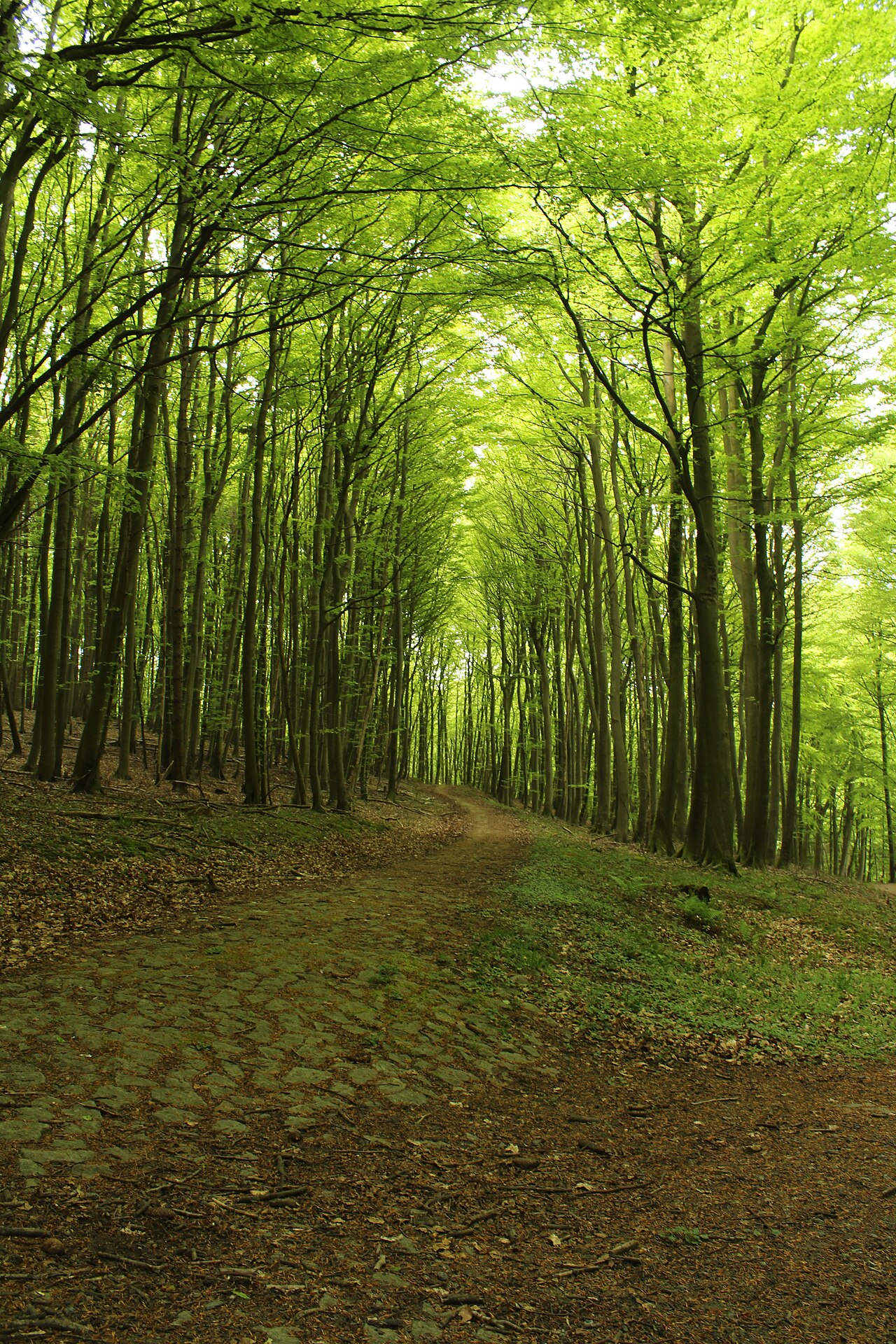
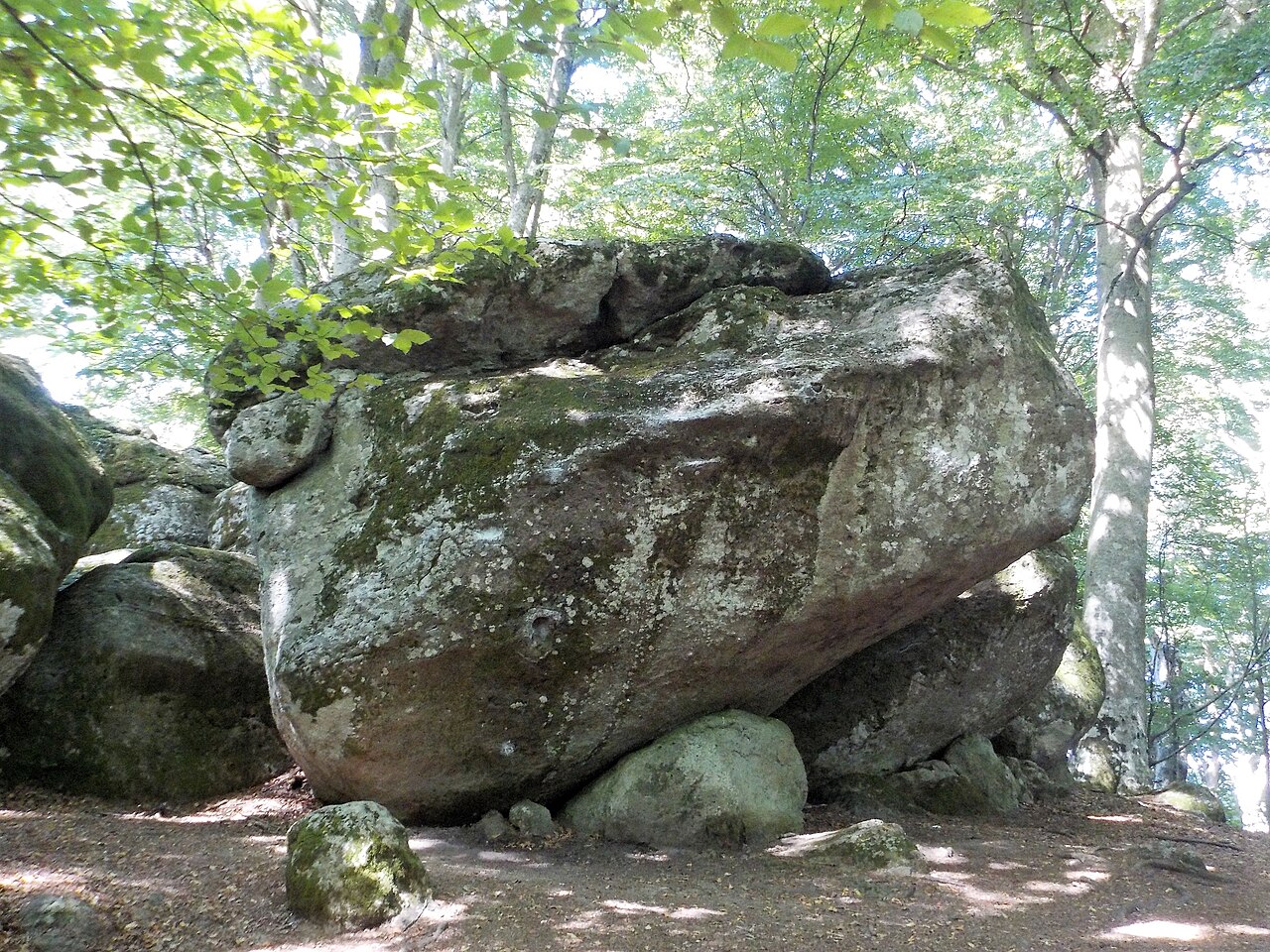
Frequently Asked Questions
What is the Ancient and Primeval Beech Forests of the Carpathians and Other Regions of Europe?
It is a transnational serial UNESCO World Heritage Site that groups 94 individual forest areas across 18 European countries. Together they safeguard the most extensive and least human-altered stands of European beech (Fagus sylvatica) on the continent.
How many component parts make up this World Heritage Site?
The serial listing comprises exactly 94 separate forest components. These are distributed across 18 different European nations, with a particularly strong concentration in the Carpathian range.
Why is this site considered important for understanding beech forest ecology?
In many of the older stands, especially those in the Carpathians, the forests have grown continuously since the end of the last ice age with virtually no human interference. This makes them a living record of how beech repopulated Europe after the glaciers retreated.
What species is at the heart of this World Heritage listing?
The European beech, Fagus sylvatica, is the dominant tree throughout all 94 component forests. The site exists specifically to protect the largest remaining tracts of this species in a natural, undisturbed state.
Which countries participate in this transnational site?
The listing spans 18 European countries, making it one of the broadest transnational nature designations in the World Heritage system. France is among the participating nations, contributing its own beech forest components to the serial site.
More in World Heritage Sites in France 1-24
Spotted an error? Know more?
Reader corrections go straight into our review queue. Suggest an edit · How this site is sourced