Lindisfarne
Tidal island and historic centre of Celtic Christianity.
Last updated

Michael Garlick · CC BY-SA 2.0
Where it is
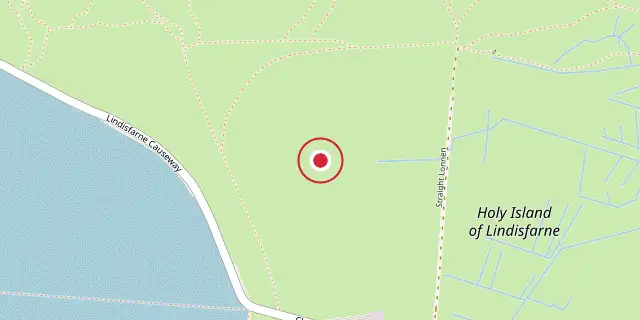
Coordinates: 55°40′48″N 1°48′07″W (55.6800, -1.8020) · Open in OpenStreetMap
Coordinates and connected clubs: the infobox of Wikipedia: Lindisfarne (CC BY-SA 4.0). Map: drawn by Codexery from OpenStreetMap tiles.
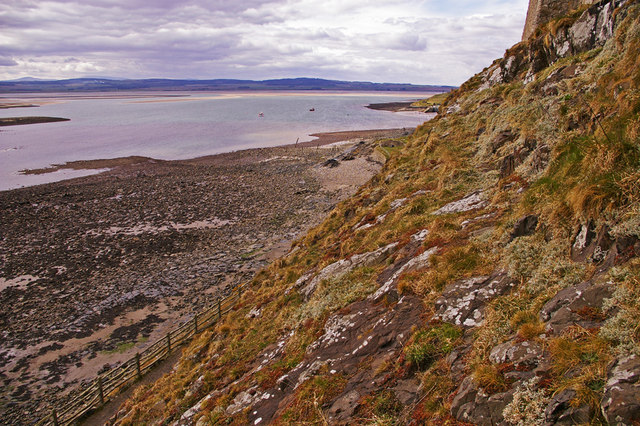
From east to west the island spans 3.0 miles, from north to south 1.5 miles, and at high tide its area is roughly 1000 acres.[1]
What happened
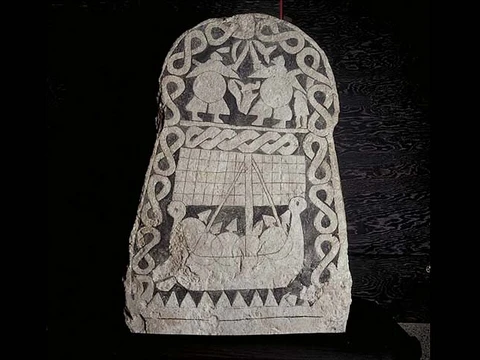
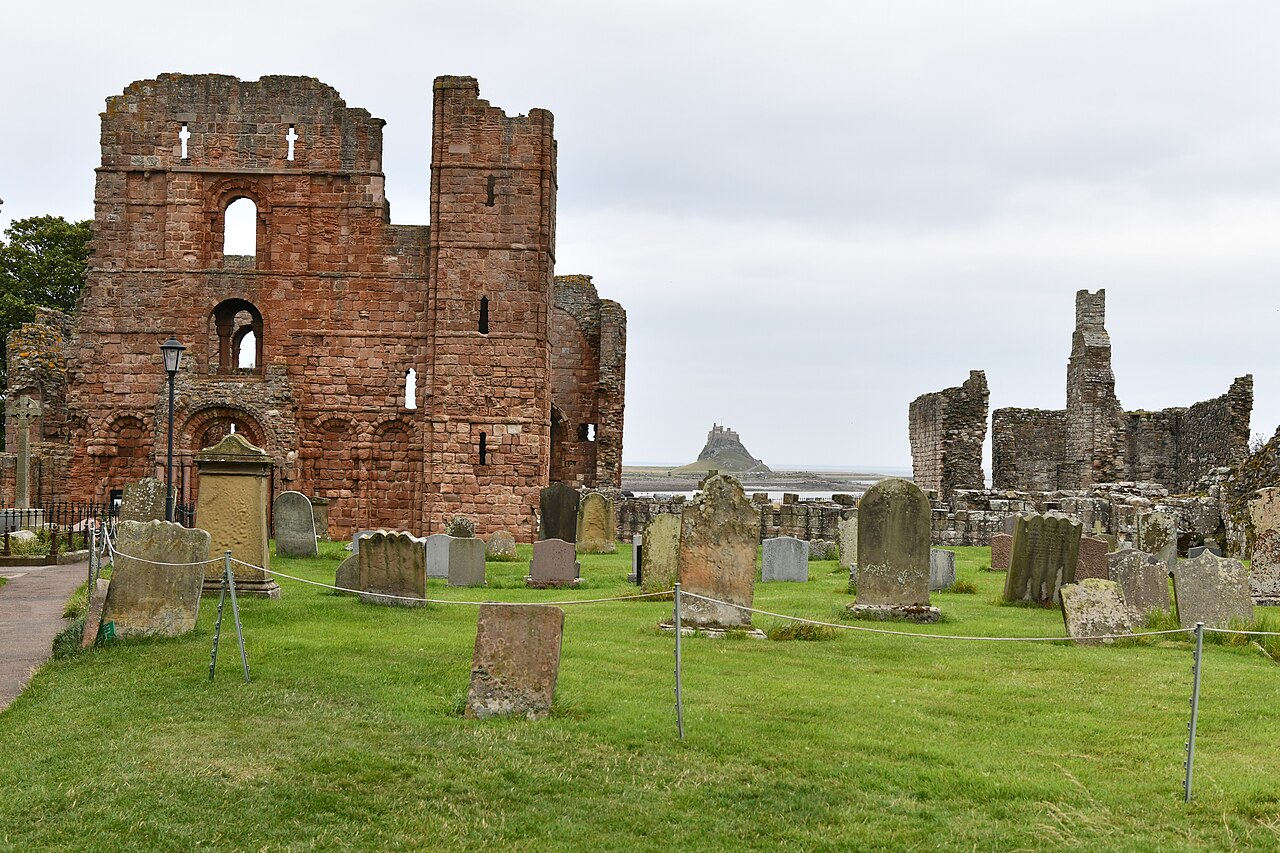
During the attack many of the monks were killed, or captured and enslaved.[2] For nearly three decades the abbey served as Northumbria's sole bishopric and was a hub for the region's Christianisation.[3] After the Northumbrian kingdom disintegrated, the monks abandoned the island in 875, carrying St Cuthbert's remains with them.[4] In 1093 Durham Priory set up a smaller priory on the island, run as a subordinate house of Durham.[5]
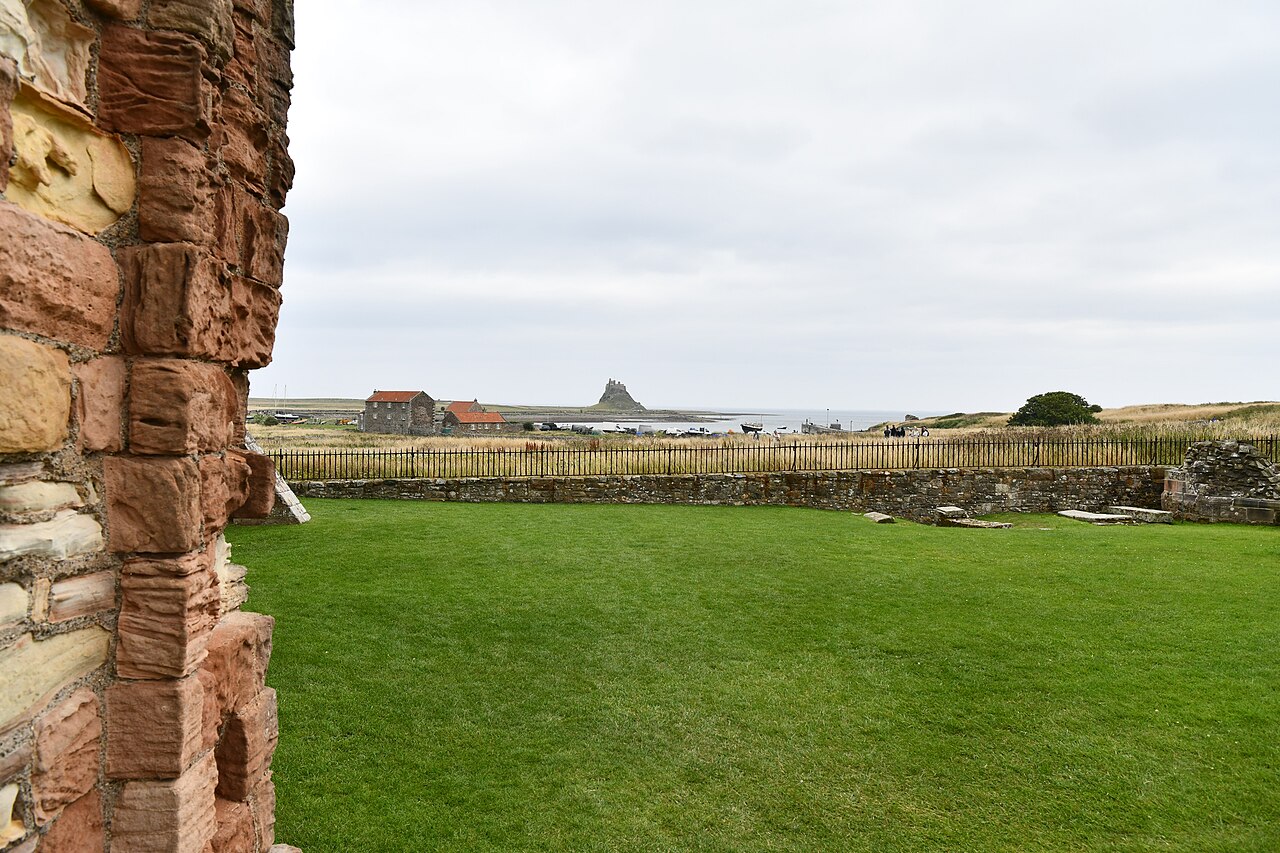
Although the priory was dissolved in 1536, religious pilgrimages to the island have continued without interruption.[6]
What the cited sources add
The Britain Express account notes that a series of Viking raids led the monks of Lindisfarne to flee, taking the shrine of St Cuthbert with them.[7] The Scotsman newspaper reports that since 1976 the Northern Cross group has walked various routes from Scotland and the north of England to Holy Island.[8] Current Publishing reports that archaeologists from DigVentures and Durham University have been excavating the remains of the island’s early medieval monastery founded by King Oswald.[9] The same source notes that Anglo-Saxon coins minted in Wessex were found, showing Lindisfarne was extremely well connected.[9]
References
- Wikipedia, "Lindisfarne" (CC BY-SA 4.0), which cites: "Lindisfarne Castle", Britain Express (we also read that source) en.wikipedia.org
- Wikipedia, "Lindisfarne" (CC BY-SA 4.0), which cites: Killeen 2012, p. 30; Marsden, "The Fury of the Northmen: Saints, Shrines and Sea-raiders in the Viking Age", Kyle Cathie, 1993, p. 41 (original not read by us) en.wikipedia.org
- Wikipedia, "Lindisfarne" (CC BY-SA 4.0), which cites: Stenton 1987, p. 118; Stenton 1987, p. 118; Stenton 1987, p. 118 (original not read by us) en.wikipedia.org
- Wikipedia, "Lindisfarne" (CC BY-SA 4.0), which cites: Stenton 1987, p. 118; Stenton 1987, p. 118; Stenton 1987, p. 118; Stenton 1987, p. 118; Stenton 1987, p. 118; Stenton 1987, p. 118; Richards, "Blood of the Vikings", Hodder & Stoughton, 2001, p. 24 (original not read by us) en.wikipedia.org
- Wikipedia, "Lindisfarne" (CC BY-SA 4.0), which cites: Finlayson Hardie 2009 (original not read by us) en.wikipedia.org
- Wikipedia, "Lindisfarne" (CC BY-SA 4.0), which cites: The Open Gate: Celtic Prayers for Growing Spiritually. November 17, 2006. By David Adam. Publisher: SPCK Publishing. Page 81.; Embarking on the Lanark to Lindisfarne pilgrimage Scotsman Newspaper. Published 31.3.2013. Retrieved 2023-05-08. (we also read that source) en.wikipedia.org
- "Lindisfarne Castle", Britain Express. facts only, no text reused. britainexpress.com
- Embarking on the Lanark to Lindisfarne pilgrimage Scotsman Newspaper. Published 31.3.2013. Retrieved 2023-05-08.. facts only, no text reused. scotsman.com
- "Summer of finds on Lindisfarne", Current Publishing, 5 November 2019. facts only, no text reused. archaeology.co.uk
Each numbered sentence above was checked against the source it cites before publication. Sentences citing Wikipedia adapt text from the English Wikipedia article Lindisfarne (contributors), used under CC BY-SA 4.0; this entry is available under the same licence. Other sources were used for facts only; no text or images are copied from them.
More in The Viking Age
Sources
Compiled from Wikipedia and the sources listed below. Text from Wikipedia is available under CC BY-SA 4.0; this entry is adapted from it.
- Wikipedia: Lindisfarne (CC BY-SA 4.0).
Spotted an error? Know more?
Reader corrections go straight into our review queue. Suggest an edit · How this site is sourced