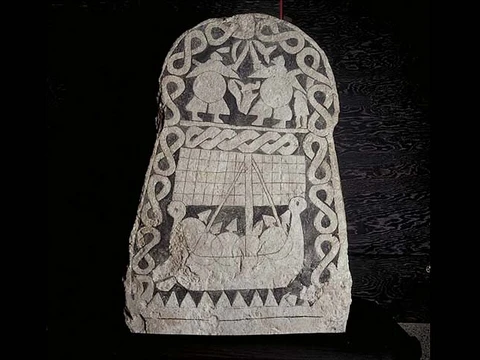
The Varangian Guard
Elite foreign bodyguards of the Byzantine emperors.
Last updated

Silar · CC BY-SA 4.0
The Varangian Guard was an elite unit of the Byzantine army from the 10th to the 14th century, serving as personal bodyguards to Byzantine emperors.[1] The recruitment of distant fighters was deliberate, as they lacked local political loyalties and could suppress revolts.[1]
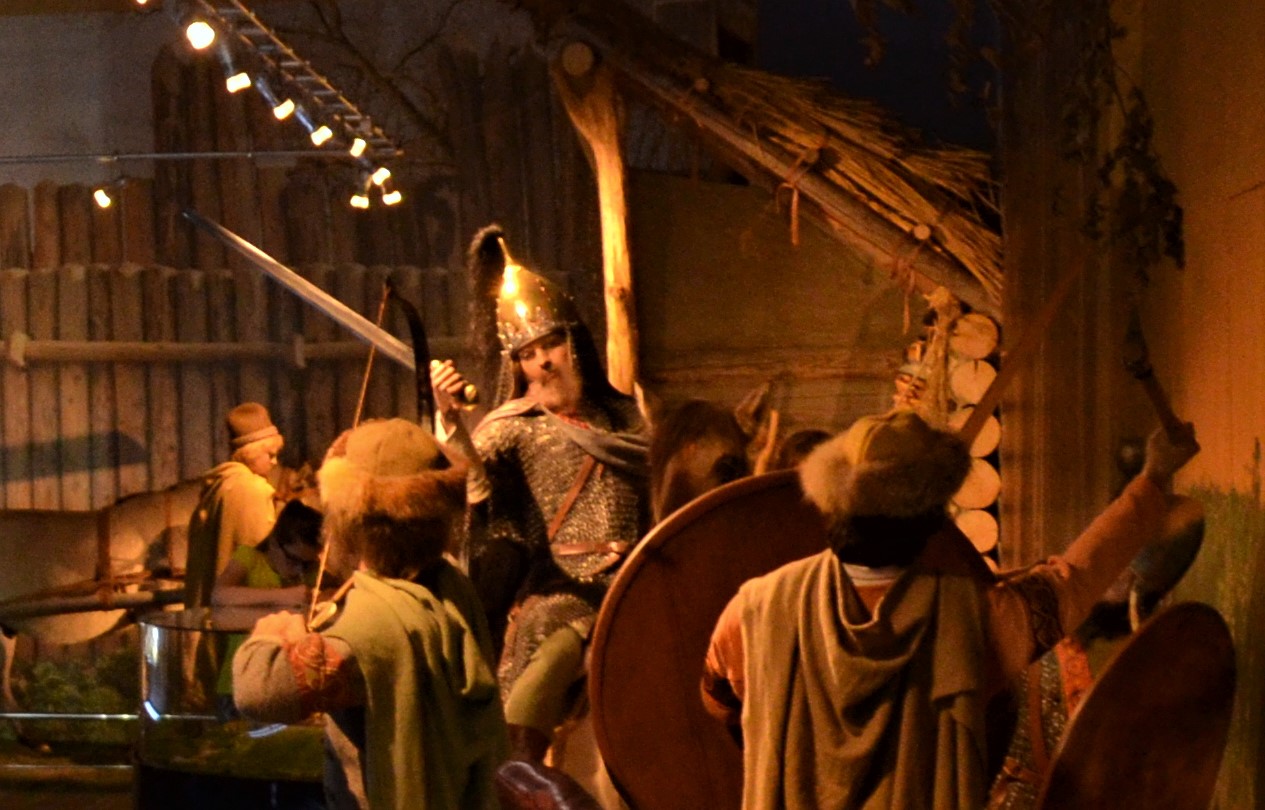
Quick Facts
- Active
- 10th to 14th century
- Origin
- Kievan Rus' (earliest members); later Scandinavia and England
- Role
- Elite personal bodyguards to Byzantine emperors
Facts from the source article.
What happened
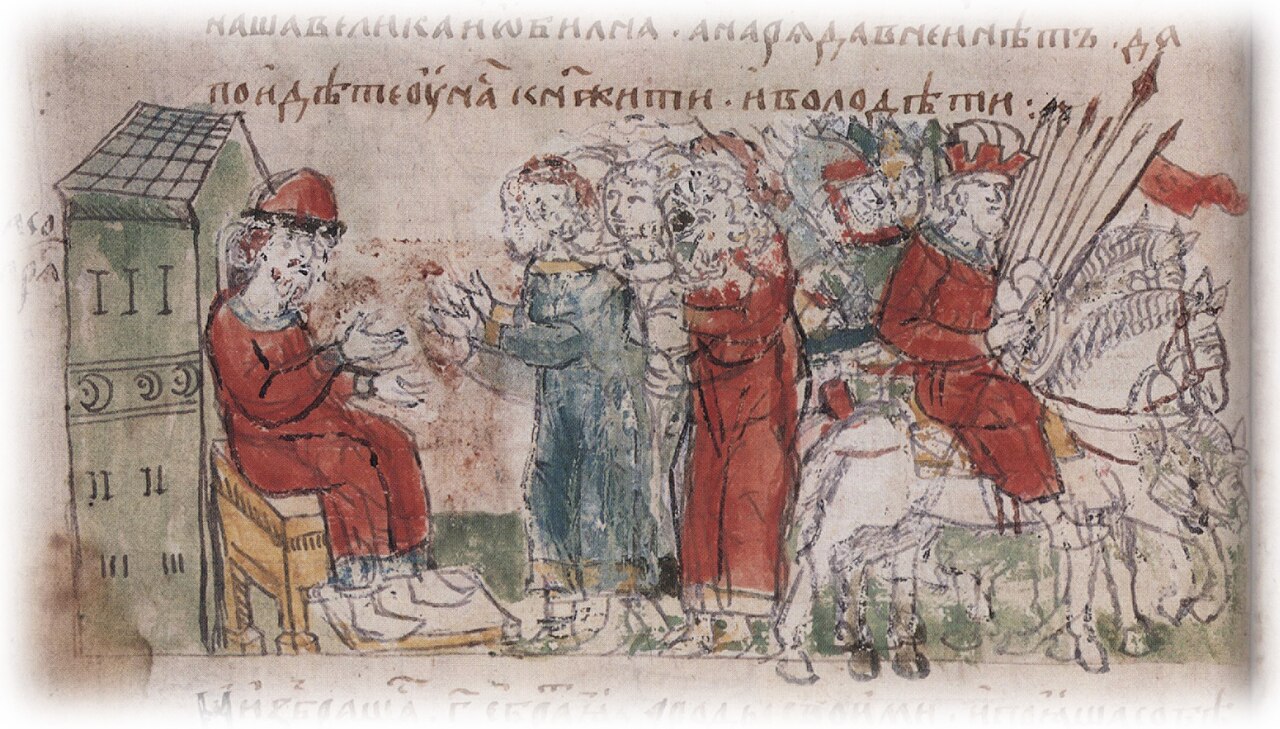
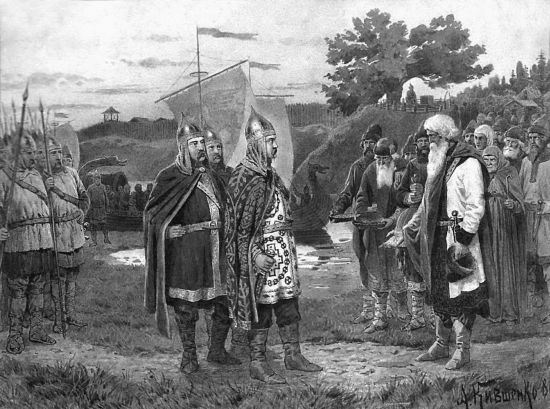
Vladimir sent 6,000 men to Basil as part of a military assistance agreement, and Basil employed them as his personal guardsmen due to his distrust of native Byzantine guards.[2] Swedish men left to enlist in such numbers that a medieval Swedish law declared no one could inherit while staying in "Greece" to stop the emigration.[3] Until the closing years of the 11th century, the organization's makeup was almost entirely Norse, due to an influx of immigrants from Scandinavia.[4] The Guard took part in numerous military campaigns and was frequently deployed at pivotal battle moments, where they could have a decisive impact.[5]
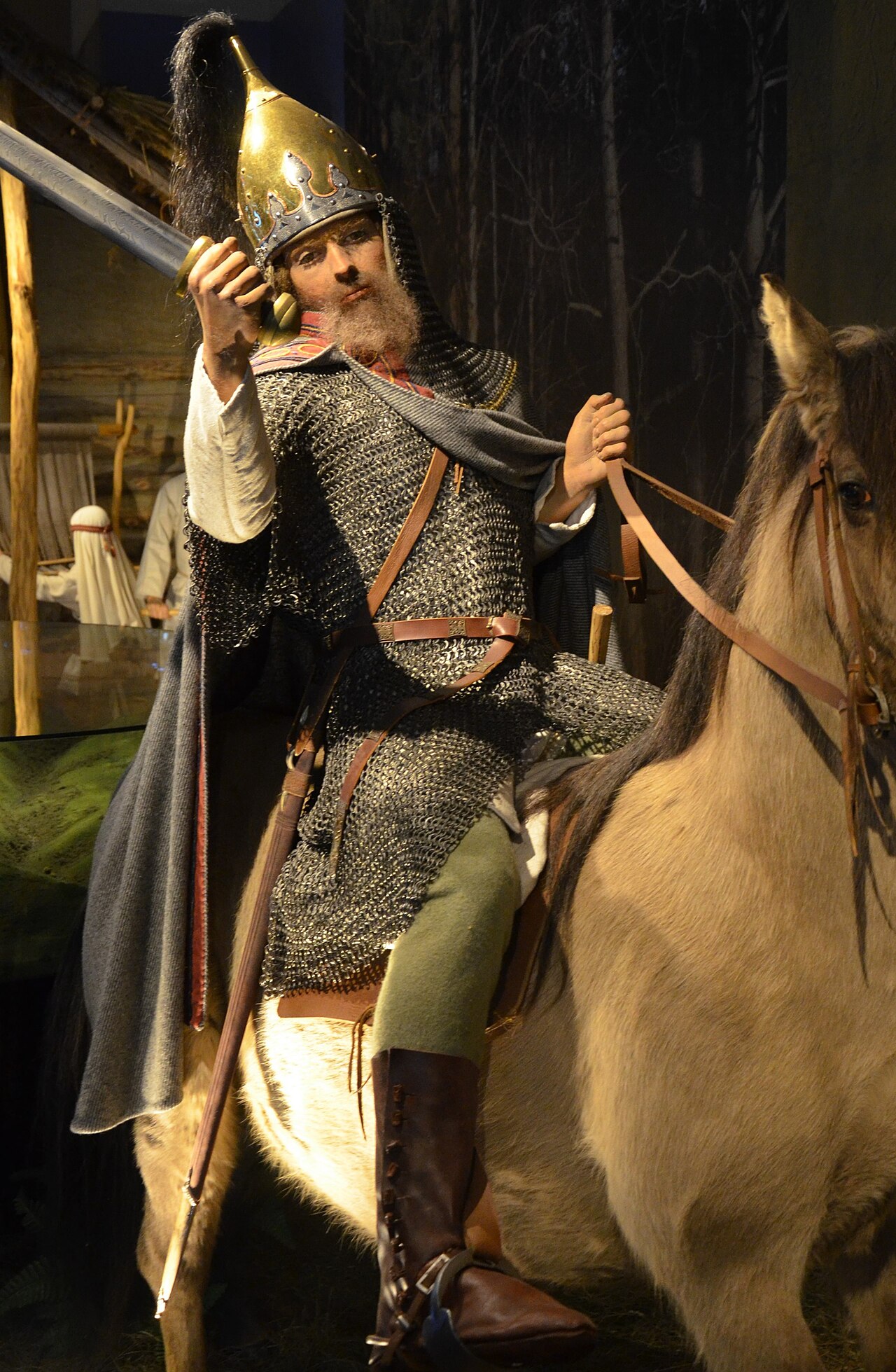
In 1400, individuals in Constantinople still identified as "Varangians", and as many as 3,000 Varangians were present in the city during the year 1453.[5] During the Fall of Constantinople, they joined with Byzantine Greek forces in a final defensive stand against the Ottoman Turks.[6]
What the cited sources add
The Alvarez account notes that the Varangian Guard's origin is veiled with ambiguity, and traditionally emperors employed foreign mercenaries for the Imperial guard since Constantine I.[7] Alvarez states that positions in the Hetaireia guards were venal, with recruits paying a bounty of 16, 10, and 7 pounds of gold for entrance into the Great, Middle, and Little Companies.[7] The first Varangians in Byzantine service were Christianized Russians who served with Dalmatians as marines in the time of Constantine Porphyrogenitus around 930-950.[7] Under Basil II, troops from Kievan Rus' were organized into a separate unit that became known as the Varangian Guard.[7]
The Alvarez account explains that the English exiles were warmly welcomed by the Greeks and sent into battle against Norman forces.[7] Chakraborty notes that as early as 911, Varangians were noted as mercenaries in Byzantine service, and approximately 700 Varangians served as marines against the Emirate of Crete in 902.[8] Chakraborty also states that the Varangian Guard was known for its dual role as protectors and formidable warriors, frequently playing pivotal roles in battles.[8]
References
- Wikipedia, "Varangian Guard" (CC BY-SA 4.0), which cites: Alvarez, "English Refugees in the Byzantine Armed Forces: The Varangian Guard and Anglo-Saxon Ethnic Consciousness", De Re Militari, 23 June 2014; Maggio, "Private Security in the 21st Century: Concepts and Applications", Jones and Bartlett Publishers, 1997, p. 4–5 (we also read that source) en.wikipedia.org
- Wikipedia, "Varangian Guard" (CC BY-SA 4.0), which cites: Raffaele D'Amato, "The Varangian Guard 988–1453", Bloomsbury USA, 22 June 2010; Abbot Gleason, "A companion to Russian history", Wiley, 6 April 2009; Thomas Craughwell, "How the Barbarian Invasions Shaped the Modern World", Fair Winds Press, 2008 (we also read that source) en.wikipedia.org
- Wikipedia, "Varangian Guard" (CC BY-SA 4.0), which cites: Jansson 1980:22; Pritsak 1981:386 (original not read by us) en.wikipedia.org
- Wikipedia, "Varangian Guard" (CC BY-SA 4.0), which cites: Forte, "Viking Empires", Cambridge University Press, 2005, p. 13–14; Marika Mägi, In Austrvegr: The Role of the Eastern Baltic in Viking Age Communication Across the Baltic Sea, The Northern World, 84 (Leiden: Brill, 2018), p. 19 (original not read by us) en.wikipedia.org
- Wikipedia, "Varangian Guard" (CC BY-SA 4.0), which cites: Mark Bartusis, The Late Byzantine Army: Arms and Society 1204–1453 (Philadelphia 1992), pp. 272–275. (original not read by us) en.wikipedia.org
- Wikipedia, "Varangian Guard" (CC BY-SA 4.0), which cites: Wolfe, "Imperial nostalgia: The war for the Kievan Rus legacy.", University of Louisville, 2024, p. 22 (we also read that source) en.wikipedia.org
- Alvarez, "English Refugees in the Byzantine Armed Forces: The Varangian Guard and Anglo-Saxon Ethnic Consciousness", De Re Militari, 23 June 2014. facts only, no text reused. deremilitari.org
- Chakraborty, "Varangian Guard: Protectors of the Byzantine Empire – Medieval History". facts only, no text reused. historymedieval.com
Each numbered sentence above was checked against the source it cites before publication. Sentences citing Wikipedia adapt text from the English Wikipedia article Varangian Guard (contributors), used under CC BY-SA 4.0; this entry is available under the same licence. Other sources were used for facts only; no text or images are copied from them.
More in The Viking Age
Sources
Compiled from Wikipedia and the sources listed below. Text from Wikipedia is available under CC BY-SA 4.0; this entry is adapted from it.
- Wikipedia: Varangian Guard (CC BY-SA 4.0).
Spotted an error? Know more?
Reader corrections go straight into our review queue. Suggest an edit · How this site is sourced