
Juilliard School
Private conservatory for dance, drama, and music.

Jmyjmyz814 · CC BY-SA 4.0
The Juilliard School (pronounced JOO-lee-ard) is a private performing arts conservatory based in New York City. It traces its origins to 1905, when Frank Damrosch founded the Institute of Musical Art. Over time, the institution added programs in dance and drama, eventually taking the name Juilliard School in honor of its main benefactor, Augustus D. Juilliard. The school is organized into three core divisions—dance, drama, and music—with music being both the largest and the oldest.
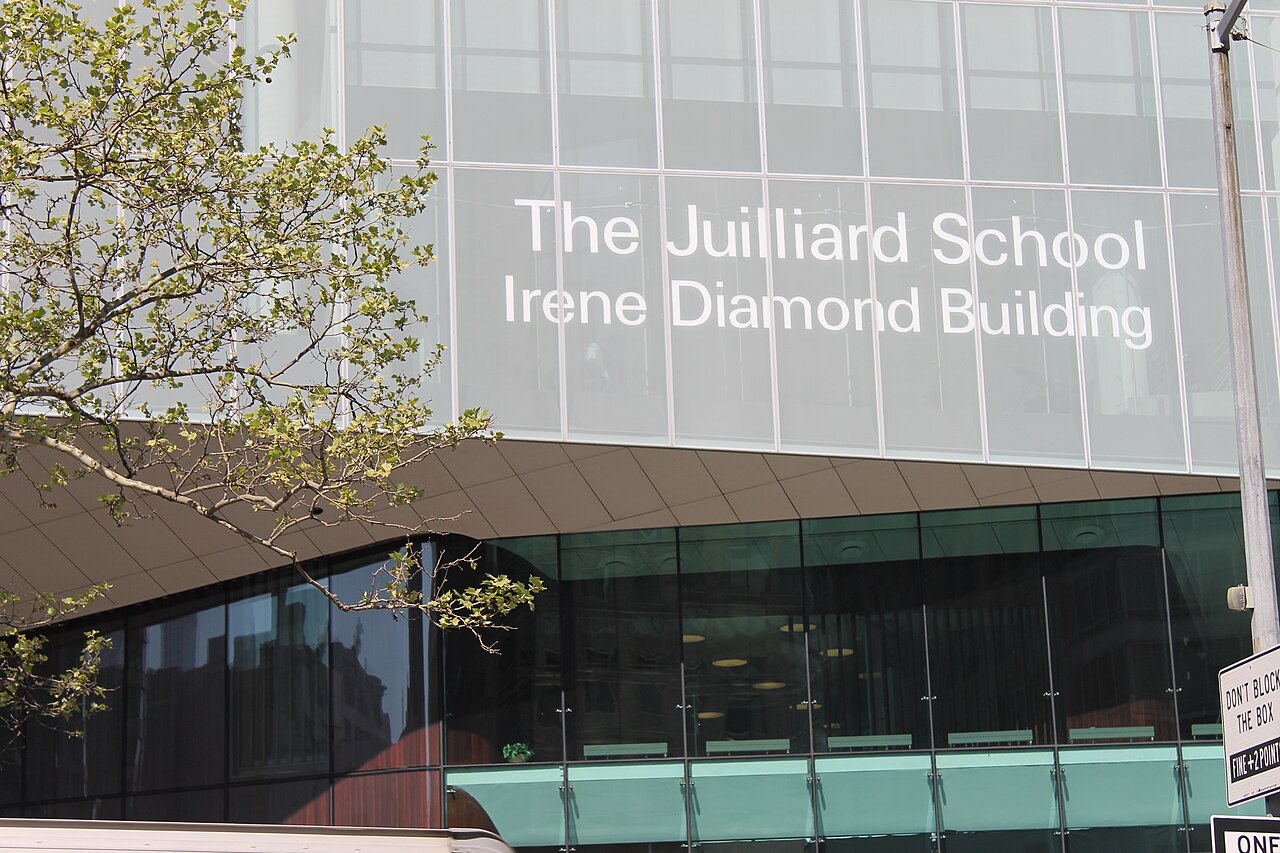
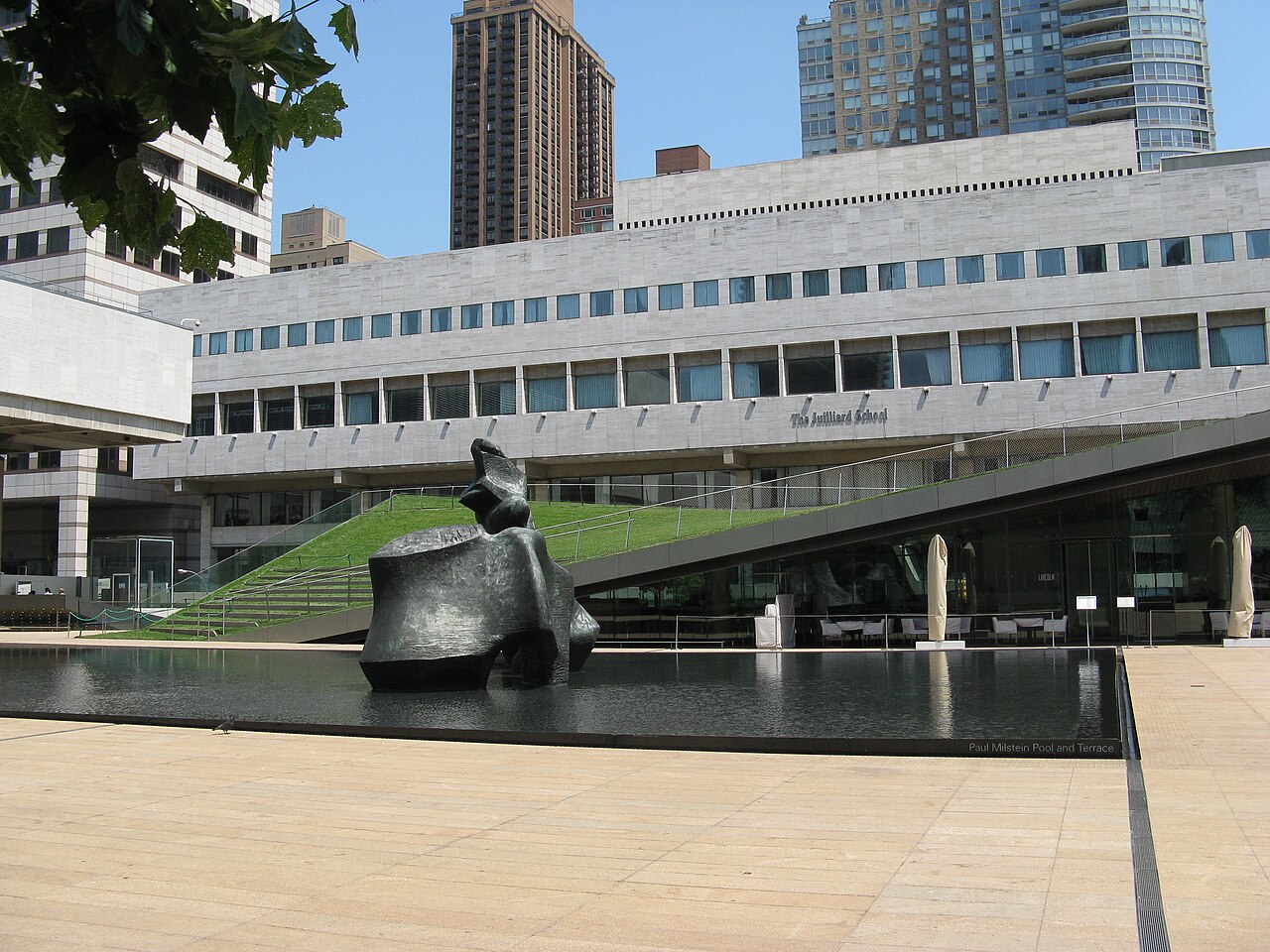
Juilliard grants undergraduate and graduate degrees, along with liberal arts courses, non-degree professional diplomas, and pre-college musical training for younger students. Its single campus sits at Lincoln Center for the Performing Arts and includes rehearsal studios, performance halls, a library with special collections, and a dormitory. The school is known for having one of the lowest acceptance rates in the United States. With roughly 950 students enrolled, Juilliard supports numerous student and faculty ensembles that perform year-round, most famously the Juilliard String Quartet.
Alumni of Juilliard have collectively won 105 Grammy Awards, 62 Tony Awards, 47 Emmy Awards, and 24 Academy Awards, including two who have achieved EGOT status. Many Juilliard-trained musicians have gone on to become international virtuosos or concertmasters of major symphony orchestras. The school’s alumni and faculty include more than 16 Pulitzer Prize winners and 12 recipients of the National Medal of Arts.
**History**
**Early years: 1905–1946**
In 1905, Frank Damrosch—a German-American conductor and godson of Franz Liszt—founded the Institute of Musical Art (IMA), Juilliard’s predecessor. He believed the United States lacked a premier music school and that too many American students were traveling to Europe for their training. Chartered by the Board of Regents of the University of the State of New York, the institute became one of the first endowed music schools in the country, with substantial backing from philanthropist and banker James Loeb.
Damrosch and Loeb aimed to create a musical institution with high teaching standards, a unified pedagogy, and a mission to foster “true musical culture among all classes.” The school’s endowment was intended to ensure that the quality of instruction did not depend on a student’s financial means.
Quick Facts
- Founders
- Frank Damrosch
- Former Names
- Institute of Musical Art (1905–1926) / Juilliard School of Music (1926–1968)
- Accreditation
- MSCHE
- Endowment
- $1.38 billion (2021)
- President
- Damian Woetzel
- City
- New York City
- Country
- United States
- Campus
- Small urban
- Students
- 1,028 (plus ~290 pre-college)
- Undergrad
- 619 (2023)
- Postgrad
- 409 (2023)
- Academic Staff
- 138 FT/ 314 PT (2023)
Facts from the source article.
Lore & Background
Under president William Schuman (1945–1961), the school consolidated fully in 1926, created the Juilliard String Quartet, cut enrollment by more than half, and opened admission to non-Americans. Schuman also established the Dance Department in 1951. In 1946, the school changed its name to The Juilliard School. The school moved to its current campus at Lincoln Center for the Performing Arts in 1969. President Joseph W. Polisi (1984–2017) modernized the school, founding the Music Advancement Program in 1991 and establishing a jazz program in 2001.
Reader's Guide
The Juilliard School is significant as one of the most prestigious performing arts conservatories in the United States, with one of the lowest acceptance rates in the country. Its alumni have won 105 Grammy Awards, 62 Tony Awards, 47 Emmy Awards, and 24 Academy Awards, including two alumni with EGOTs. Alumni and faculty include more than 16 Pulitzer Prize and 12 National Medal of Arts recipients. The school's legacy includes training musicians who have become international virtuosos and concertmasters of professional symphony orchestras. Its student and faculty ensembles, most notably the Juilliard String Quartet, perform throughout the year. The school offers degrees, non-degree diplomas, and pre-college training, and its single campus at Lincoln Center includes studio rooms, performance halls, a library with special collections, and a dormitory.
Did You Know?
- The school was founded in 1905 as the Institute of Musical Art by Frank Damrosch, a godson of Franz Liszt.
- Augustus D. Juilliard, a textile merchant, left a vast sum for music advancement in his will in 1919.
- The Juilliard String Quartet was created in 1946 as the school's main quartet-in-residence.
The Drama Division and Its Graduate Fellowships
The drama division at Juilliard traces its origins to 1968, when Group 1 began its four-year course of study and graduated in 1972. That numbering convention has persisted for nearly six decades; by 2025, Group 54 is completing its final year. In 2017, the school marked its anniversary by cataloguing every drama group from one through fifty, along with alumni of its specialized playwrights and directors tracks. Graduates of the core program may earn a Bachelor of Fine Arts, a diploma, or—since the fall of 2012—a Master of Fine Arts degree. Beyond the main track, the division houses two graduate-level fellowships. The Lila Acheson Wallace American Playwrights Program operates as a one-year residency that originally functioned as a short-term invitation before assuming its present structured form in 1993. John Guare and Terrence McNally led its inaugural year, followed by Marsha Norman and Christopher Durang until the latter's retirement in 2016. David Lindsay-Abaire and Tanya Barfield have since taken the helm. The Andrew W. Mellon Artist Diploma Program for Theatre Directors ran from 1995 until its discontinuation in autumn 2006, expanding from two to three years in 1997.
The Dance Division: A Half-Century of Leadership
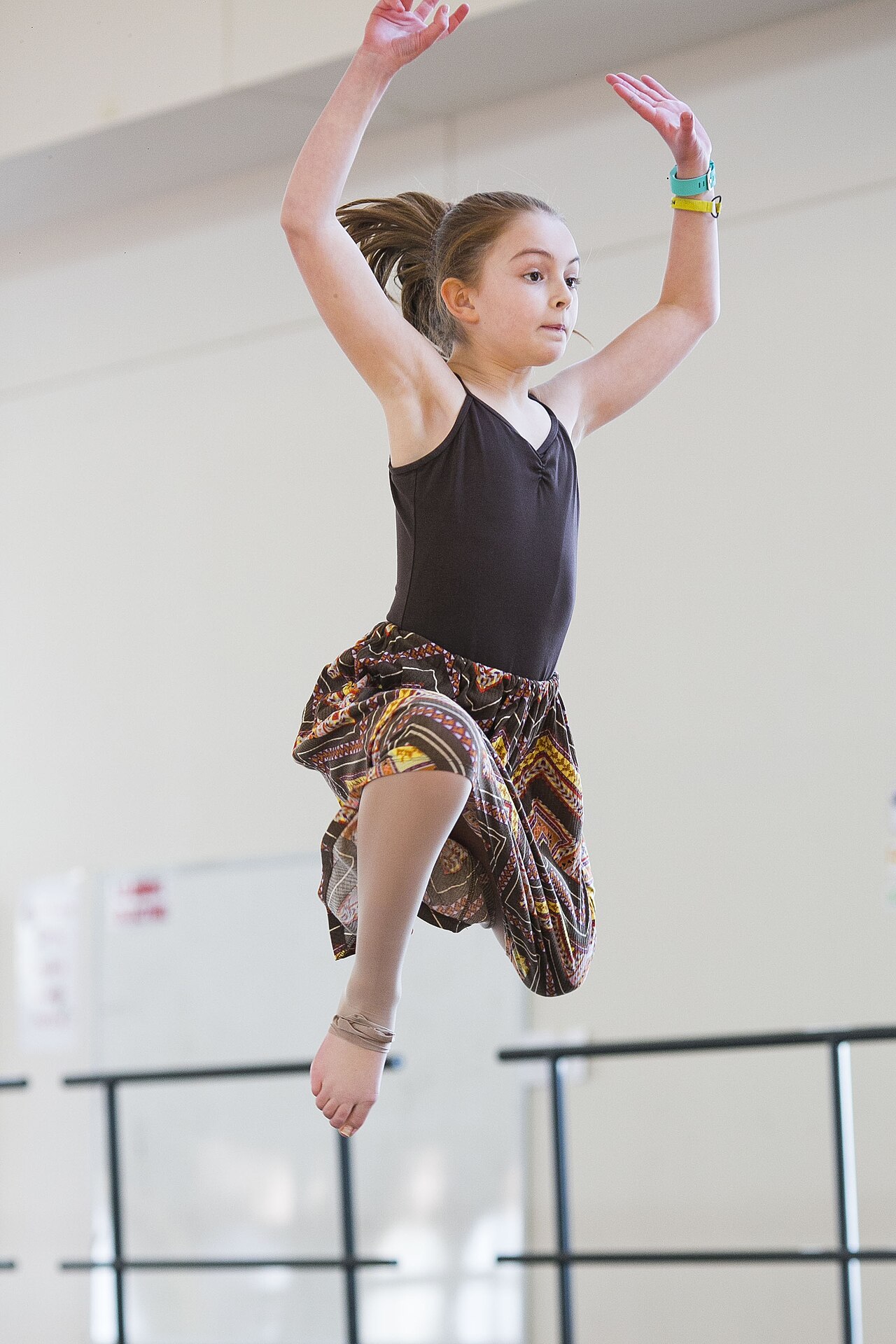
The dance division was established in 1951, making it one of Juilliard's earlier specialized programs. Students pursuing the four-year track may earn a Bachelor of Fine Arts degree or a diploma, while in earlier years the division also conferred B.S. and M.S. degrees. The program's trajectory has been shaped by a succession of directors, each serving distinct tenures that collectively span more than seven decades. Martha Hill held the position from 1952 to 1985, a remarkably long stretch of thirty-three years that defined the division's formative era. Muriel Topaz followed, leading from 1985 to 1991, and Benjamin Harkarvy guided the program from 1992 through 2002. Lawrence Rhodes then served a fifteen-year tenure from 2002 to 2017, and Alicia Graf Mack took the helm from 2018 to 2024. This unbroken chain of leadership—from Hill's early stewardship through Mack's more recent years—reflects a division that has maintained institutional continuity even as the broader landscape of dance education evolved around it.
The Music Division's Academic Architecture
The music division at Juilliard offers the broadest range of academic credentials among the school's divisions. Students may pursue a four-year Bachelor of Music degree, a Master of Music, a Doctor of Musical Arts, an Artist Diploma, or a general diploma. In earlier years, the division also awarded B.S. and M.S. degrees, reflecting a period when the institution's academic structure was still taking shape. This layered credential system allows musicians at every stage of training to find a pathway that matches their goals. The four-year BM provides a comprehensive undergraduate foundation, while the MM and DMA degrees serve those seeking advanced specialization or scholarly depth in their craft. The Artist Diploma and general diploma options offer more focused, performance-oriented tracks for students who may not wish to pursue a traditional degree sequence. The school's broader teaching community includes the resident ensembles—the American Brass Quintet and the Juilliard String Quartet—listed among its notable teachers. Their presence within the institutional framework suggests a pedagogical culture in which ensemble performance is woven directly into the academic experience, bridging the gap between individual study and collaborative musical practice.
Presidential Leadership Across 120 Years
Since 1904, Juilliard has been guided by a succession of presidents whose tenures collectively span more than 120 years of institutional life. Frank Damrosch served the longest early stretch, leading from 1904 to 1926, followed by John Erskine (1926–1937) and Ernest Hutcheson (1937–1945). William Schuman then held the post for fifteen years, from 1946 to 1961, a period that overlapped with the establishment of the dance division in 1951. Peter Mennin led the school for an extraordinary twenty-two years, from 1962 to 1984, a tenure that encompassed the founding of the drama division in 1968. Joseph W. Polisi followed, serving from 1984 to 2018—a thirty-four-year span that saw the playwrights program take its current form in 1993 and the directors program launch in 1995. Damian Woetzel has held the presidency from 2018 to the present. The continuity of this leadership line—seven individuals stewarding the institution across more than a century—underscores the depth of institutional memory that Juilliard carries, even as its divisions, programs, and credential structures have evolved substantially.
Gallery



Frequently Asked Questions
What is the Juilliard School?
Juilliard is a private performing arts conservatory in New York City that trains students in dance, drama, and music. It began in 1905 as the Institute of Musical Art, founded by Frank Damrosch, before expanding into the other two disciplines.
How did Juilliard get its name?
The school was renamed in honor of Augustus D. Juilliard, its principal benefactor, whose financial backing helped shape the institution. Prior to that, it operated simply as the Institute of Musical Art.
What are Juilliard's three core divisions?
The conservatory is structured around dance, drama, and music. Music is both the oldest and the largest division, a direct legacy of the school's 1905 founding as a music-focused academy.
How big is Juilliard's student body?
The school keeps enrollment deliberately small, at roughly 950 students across all programs. It offers undergraduate and graduate degrees as well as liberal arts coursework and non-degree professional development tracks.
Where is Juilliard located and when did it start?
Juilliard is based in New York City and traces its origins to 1905, when Frank Damrosch established the Institute of Musical Art. The institution grew over the following decades to add dance and drama before adopting the Juilliard name.
More in Universities 1-24
Spotted an error? Know more?
Reader corrections go straight into our review queue. Suggest an edit · How this site is sourced