Boxer Rebellion
An anti-foreign, anti-imperialist, and anti-Christian uprising in North China (1899–1901) by the Society of Righteous and Harmonious Fists, defeated by the Eight-Nation Alliance.
Last updated

via Wikipedia: Boxer Rebellion · see source
The Boxer Rebellion (also called the Boxer Uprising, Boxer Movement, Yihetuan Movement, or Boxer War) was an anti-foreign, anti-imperialist, and anti-Christian revolt in northern China from 1899 to 1901, near the end of the Qing dynasty. It was led by the Society of Righteous and Harmonious Fists. Its members were called "Boxers" in English because many practiced Chinese martial arts, then known as "Chinese boxing." The uprising was crushed by the Eight-Nation Alliance, a coalition of foreign powers. After the First Sino-Japanese War, villagers in northern China grew worried about expanding foreign influence and resented Christian missionaries who disregarded local customs and used their influence to protect converts in court.
Siege of the Beijing legations
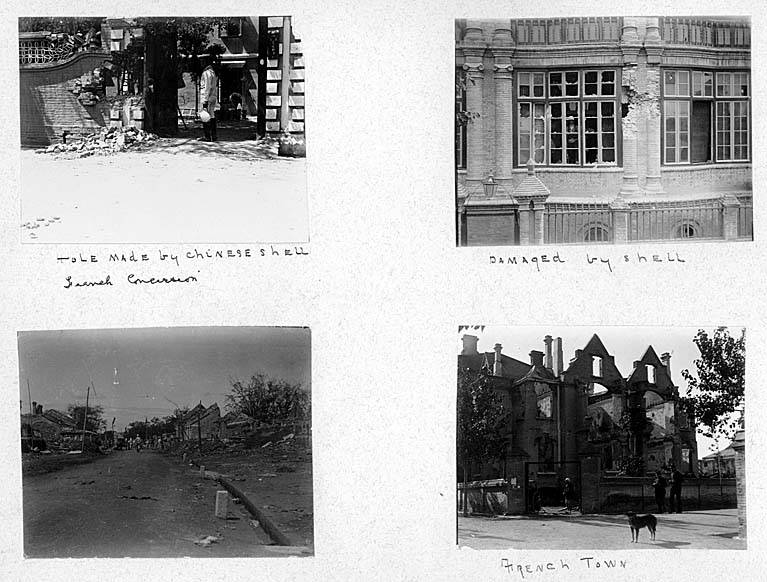
In 1898, natural disasters—including Yellow River floods and droughts—hit the region, and Boxers blamed these on foreigners and Christians. From 1899, the movement spread across Shandong and the North China Plain, destroying foreign property like railroads and attacking or killing Chinese Christians and missionaries. The crisis peaked in June 1900, when Boxer fighters, believing they were immune to foreign weapons, converged on Beijing with the slogan "Support the Qing government and destroy the foreigners." Diplomats, missionaries, soldiers, and some Chinese Christians took shelter in the Legation Quarter, which the Boxers besieged. The Eight-Nation Alliance—made up of American, Austro-Hungarian, British, French, German, Italian, Japanese, and Russian troops—invaded China to break the siege, storming the Dagu Fort at Tianjin on June 17.
Infighting among officials and commanders
Empress Dowager Cixi, initially hesitant, backed the Boxers and on June 21 issued an imperial decree that effectively declared war on the invading powers. Chinese officials were divided: some supported the Boxers, while others, led by Prince Qing, favored compromise. The supreme commander of Chinese forces, Manchu general Ronglu, later claimed he acted to protect foreigners. Officials in southern provinces ignored the order to fight the invaders.
Indemnity
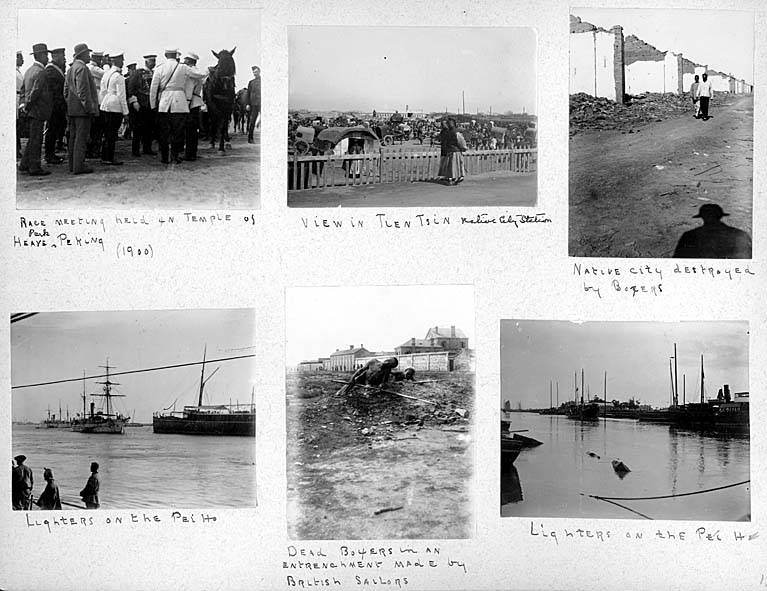
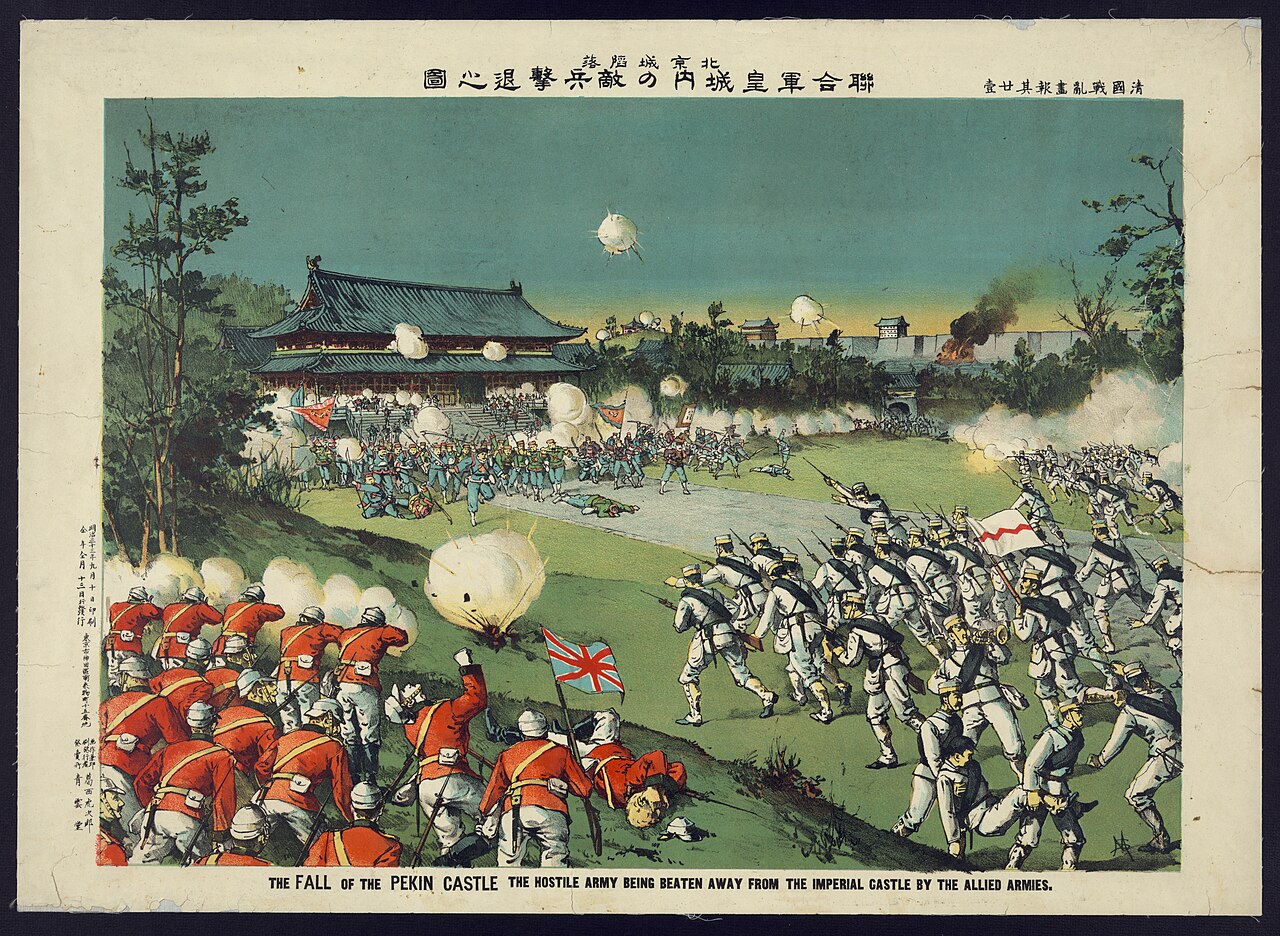
The Eight-Nation Alliance, after being repelled at first by the Imperial Chinese military and Boxer militia, brought 20,000 armed troops to China. They defeated the Imperial Army in Tianjin and reached Beijing on August 14, ending the 55-day Siege of the International Legations. The capital and surrounding countryside were plundered and looted, and suspected Boxers were summarily executed in retaliation. The Boxer Protocol, signed on September 7, 1901, required the execution of government officials who had supported the Boxers, allowed foreign troops to be stationed in Beijing, and demanded 450 million taels of silver—more than the government's annual tax revenue—be paid as indemnity over 39 years to the eight invading nations.
Origin of the Boxers
The Qing dynasty's handling of the rebellion further weakened its credibility and control, leading to the Late Qing reforms and, later, the Xinhai Revolution. The Righteous and Harmonious Fists emerged in the inland parts of Shandong, a northern coastal province long troubled by social unrest, religious sects, and martial societies. American Christian missionaries likely first called the well-trained, athletic young men "Boxers" because of the martial arts and weapons training they practiced. Their main ritual involved spiritual possession, with sword whirling, violent prostrations, and incantations to deities.
Unemployed village men, many teenagers, found the chance to resist Western encroachment appealing. The tradition of possession and invulnerability was centuries old but gained new meaning against modern Western weapons. Armed with rifles and swords, Boxers claimed supernatural protection from cannons, bullets, and knives. They said millions of heavenly soldiers would descend to help purify China of foreign oppression.
To prove their invulnerability to new members, they fired guns loaded with blanks at each other. In 1895, despite doubts about their unorthodox practices, Yuxian—a Manchu who was then prefect of Cao Prefecture and later provincial governor—worked with the Big Swords Society, originally formed to fight bandits. German Catholic missionaries from the Society of the Divine Word had expanded their presence in the area, partly by taking in converts who needed protection from the law. In one 1895 incident, a large bandit gang defeated by the Big Swords Society claimed to be Catholics to avoid prosecution.
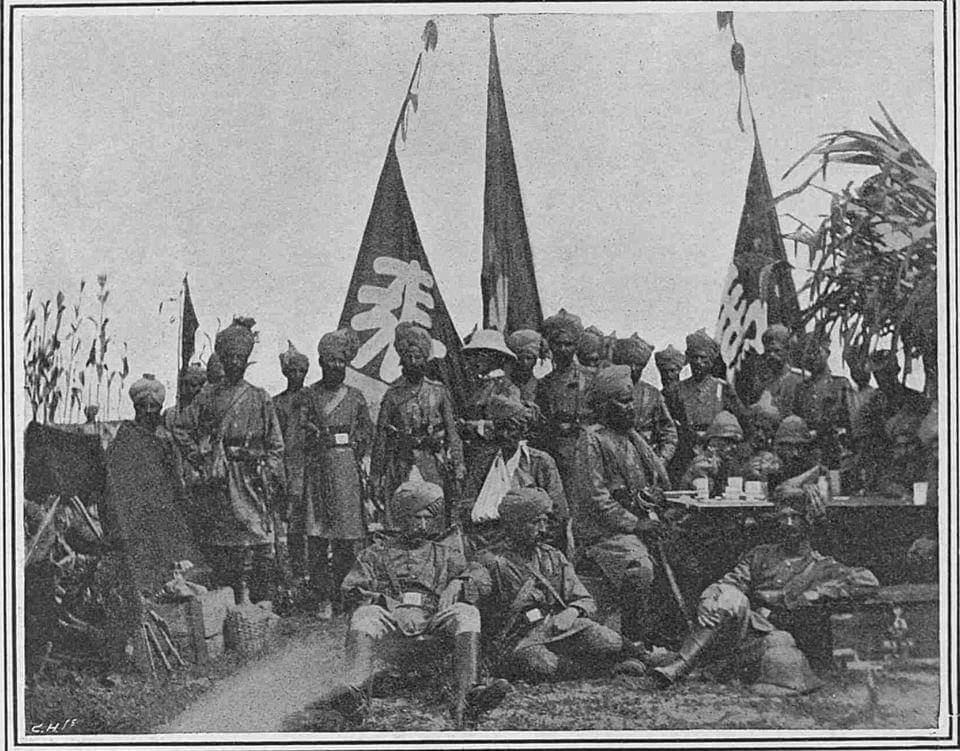
Historian Paul Cohen notes that "the line between Christians and bandits became increasingly indistinct." Some missionaries, like Georg Maria Stenz, used their privileges to intervene in lawsuits. The Big Swords responded by attacking and burning Catholic properties. Under diplomatic pressure in the capital, Yuxian executed several Big Sword leaders but punished no one else. More martial secret societies soon appeared.
In the early years, these were scattered village activities, not a unified movement. Folk-religious martial societies like the Baguadao (Eight Trigrams) paved the way for the Boxers. Like the Red Boxing school or the Plum Flower tradition, Shandong Boxers focused more on traditional social and moral values—such as filial piety—than on foreign influences. One leader, Zhu Hongdeng (Red Lantern Zhu), began as a wandering healer specializing in...
Lore & Background
Following the First Sino-Japanese War, villagers in North China feared the expansion of foreign spheres of influence and resented Christian missionaries who ignored local customs and used their power to protect their followers in court. In 1898, North China experienced natural disasters, including the Yellow River flooding and droughts, which Boxers blamed on foreign and Christian influence. Beginning in 1899, the movement spread across Shandong and the North China Plain, destroying foreign property such as railroads, and attacking or murdering Chinese Christians and missionaries.
The events came to a head in June 1900, when Boxer fighters, convinced they were invulnerable to foreign weapons, converged on Beijing with the slogan 'Support the Qing government and destroy the foreigners'. Diplomats, missionaries, soldiers, and some Chinese Christians took refuge in the Legation Quarter, which the Boxers besieged. The Eight-Nation Alliance—comprising American, Austro-Hungarian, British, French, German, Italian, Japanese, and Russian troops—invaded China to lift the siege; and on June 17 stormed the Dagu Fort at Tianjin.
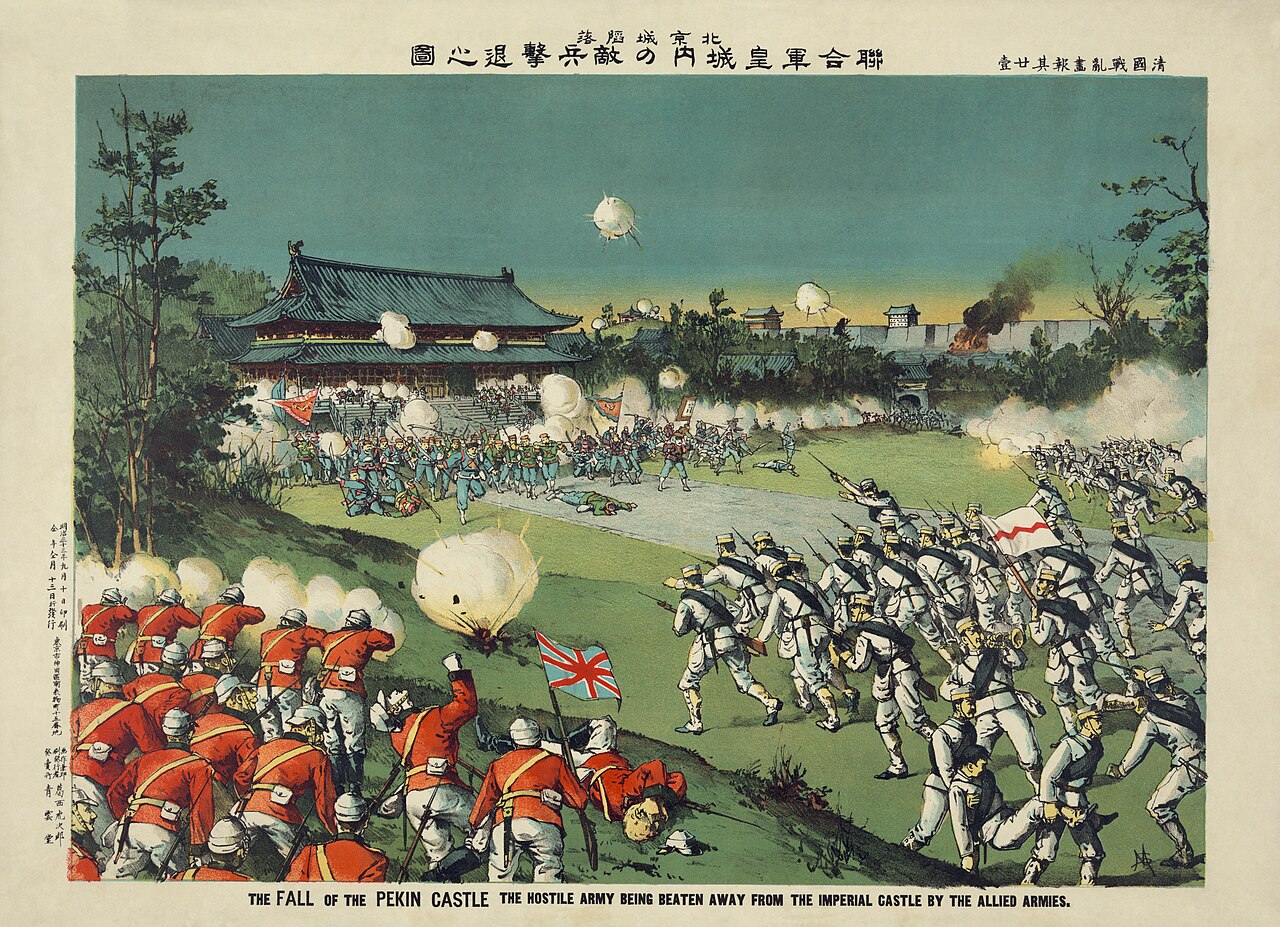
Empress Dowager Cixi, who had initially been hesitant, supported the Boxers and on June 21 issued an imperial decree that was a de facto declaration of war on the invading powers. Chinese officialdom was split between those supporting the Boxers and those favouring conciliation, led by Prince Qing. The supreme commander of the Chinese forces, the Manchu general Ronglu, later claimed he acted to protect the foreigners. Officials in the southern provinces ignored the imperial order to fight against foreigners.
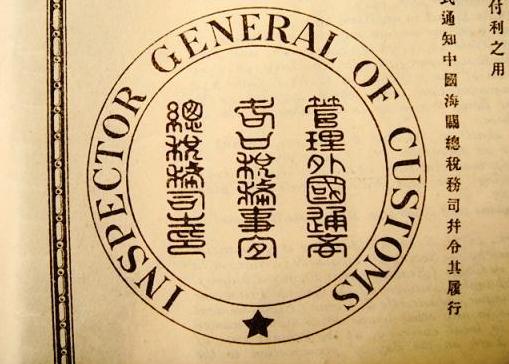
The Eight-Nation Alliance, after initially being turned back by the Imperial Chinese military and Boxer militia, brought 20,000 armed troops to China. They defeated the Imperial Army in Tianjin and arrived in Beijing on 14 August, relieving the 55-day Siege of the International Legations. Plunder and looting of the capital and the surrounding countryside ensued, along with summary execution of those suspected of being Boxers in retribution.
Reader's Guide
The Righteous and Harmonious Fists arose in the inland sections of the northern coastal province of Shandong, a region which had long been plagued by social unrest, religious sects, and martial societies. American Christian missionaries were probably the first people who referred to the well-trained, athletic young men as the 'Boxers', because of the martial arts which they practised and the weapons training which they underwent. Their primary practice was a type of spiritual possession which involved the whirling of swords, violent prostrations, and incantations to deities. The opportunities to fight against Western encroachment were especially attractive to unemployed village men, many of whom were teenagers.
The tradition of possession and invulnerability went back several hundred years but took on special meaning against the powerful new weapons of the West. The Boxers, armed with rifles and swords, claimed supernatural invulnerability against cannons, rifle shots, and knife attacks. The Boxer groups popularly claimed that millions of soldiers would descend out of heaven to assist them in purifying China of foreign oppression. Members demonstrated their claimed invulnerability to new initiates by firing guns loaded with blank rounds at one another.
In 1895, despite ambivalence toward their heterodox practices, Yuxian, a Manchu who was the then prefect of Cao Prefecture and would later become provincial governor, cooperated with the Big Swords Society, whose original purpose was to fight bandits. The German Catholic missionaries of the Society of the Divine Word had built up their presence in the area, partially by taking in a significant portion of converts who were 'in need of protection from the law'. On one occasion in 1895, a large bandit gang defeated by the Big Swords Society claimed to be Catholics to avoid prosecution. 'The line between Christians and bandits became increasingly indistinct', remarks historian Paul Cohen.
Some missionaries such as Georg Maria Stenz also used their privileges to intervene in lawsuits. The Big Swords responded by attacking Catholic properties and burning them. As a result of diplomatic pressure in the capital, Yuxian executed several Big Sword leaders but did not punish anyone else. More martial secret societies started emerging after this.
Did You Know?
- The movement had multiple causes, including extreme weather conditions, missionary activity, and economic hardship in Shandong.
Frequently Asked Questions
What is Boxer Rebellion known for?
In this entry, Boxer Rebellion's 'role' is that of an anti-imperialist resistance targeting foreign legations, missionaries, and their Chinese converts. Its signature 'act' was the weeks-long Siege of the Legation Quarter in Beijing, where Boxers and Qing troops held off foreign diplomats and their armed guards.
What is Boxer Rebellion's slogan?
The movement's rallying cry was 'Support the Qing government and destroy the foreigners,' a phrase that captured its dual loyalty to the imperial throne and its fierce opposition to foreign presence. This motto became the defining identity marker of the Boxers in popular memory.
More in Revolutions & Uprisings
Sources
Compiled from Wikipedia and the sources listed below. Text from Wikipedia is available under CC BY-SA 4.0; this entry is adapted from it.
- Wikipedia: Boxer Rebellion (CC BY-SA 4.0).
- Word definitions: the Codexery glossary, each quoted from its Wikipedia article.
Spotted an error? Know more?
Reader corrections go straight into our review queue. Suggest an edit · How this site is sourced