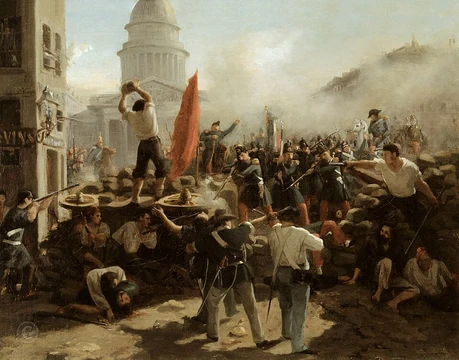
Hungarian Revolution of 1956
A 13-day uprising against Soviet domination, crushed by tanks in November 1956.
Last updated

Globetrotter19 · CC BY-SA 3.0
In late 1956, Hungarians rose up against their Soviet-backed government. The revolt began on October 23rd in Budapest, when university students called on the public to gather at Parliament and protest Soviet control over the country. A student group entered the Magyar Rádió building to broadcast sixteen reform demands, but security guards detained them. When protesters outside demanded the students’ release, ÁVH police opened fire, killing several.
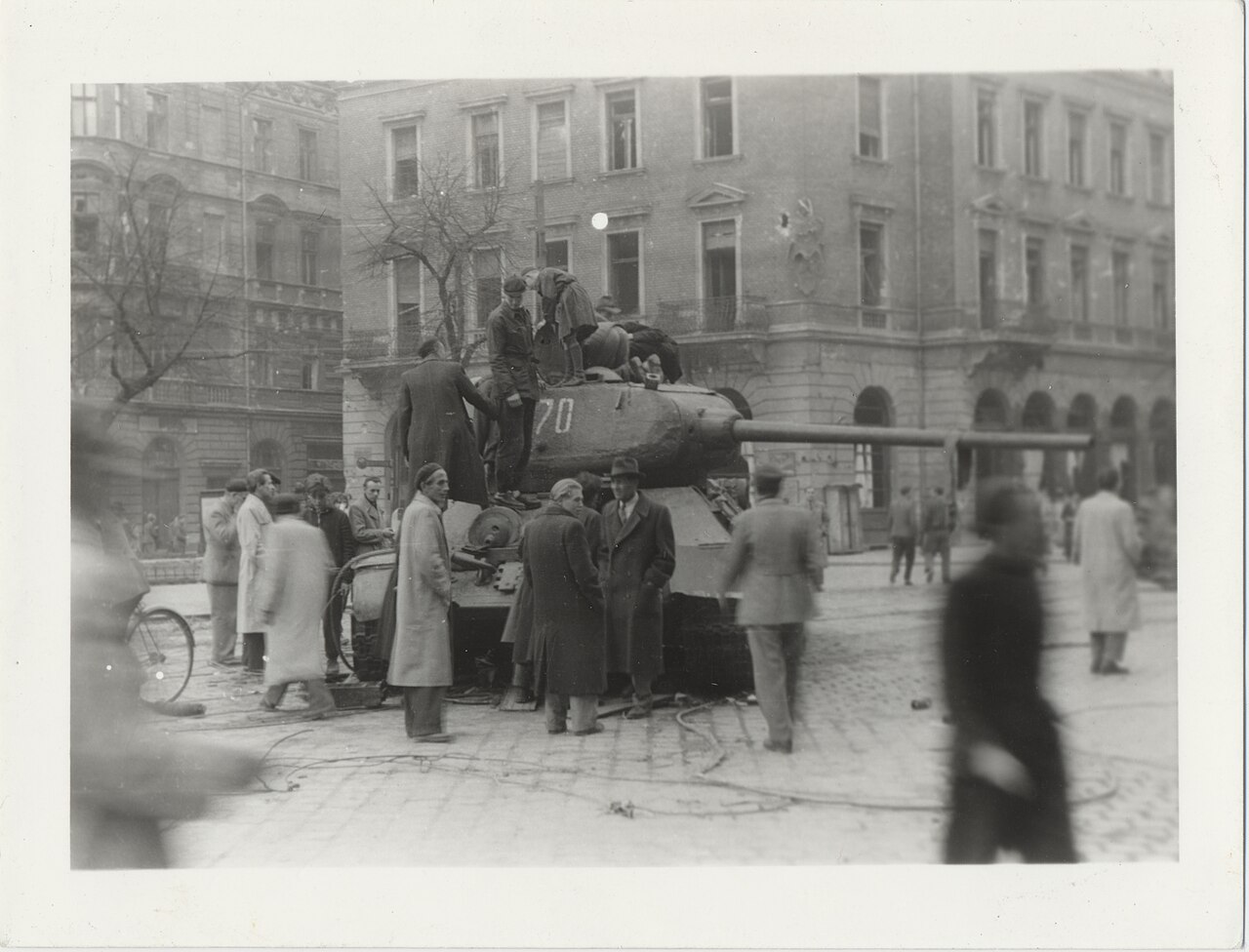
Fighting around the radio station started just after midnight and ended around 8:00 a.m., when revolutionaries broke in and took the soldiers, cadets, and ÁVH members inside as prisoners. One ÁVH officer, Major Fehér, was executed with a shot to the back of the head. After this, Hungarians formed militias to fight the ÁVH.
Local communist leaders and ÁVH policemen were captured and summarily executed, while political prisoners were freed and given weapons. Workers’ councils took over municipal government from the Hungarian Working People’s Party. The new prime minister, Imre Nagy, dissolved the ÁVH on October 28th, announced Hungary’s withdrawal from the Warsaw Pact on November 1st, and promised free elections. By the end of October, heavy fighting had mostly stopped.
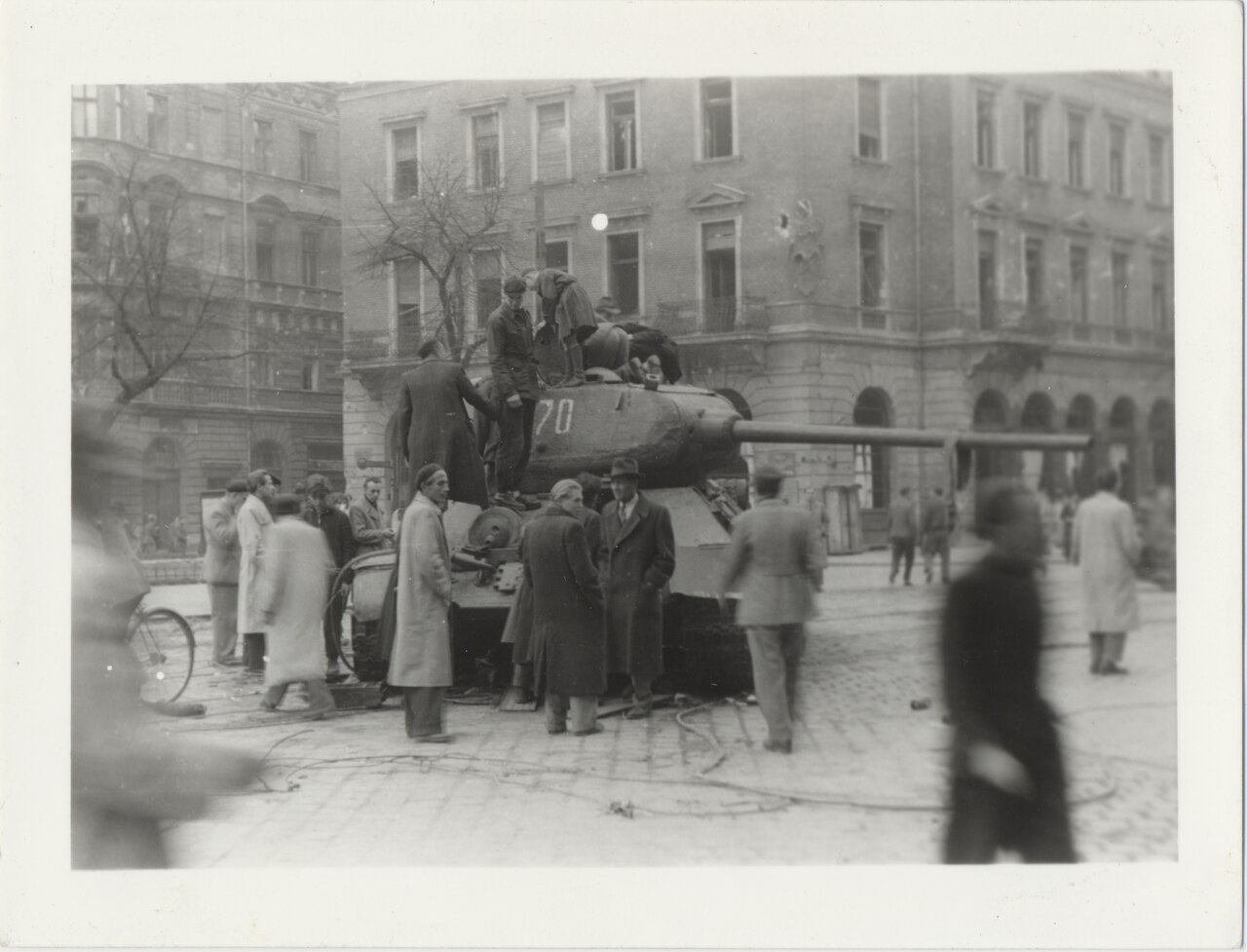
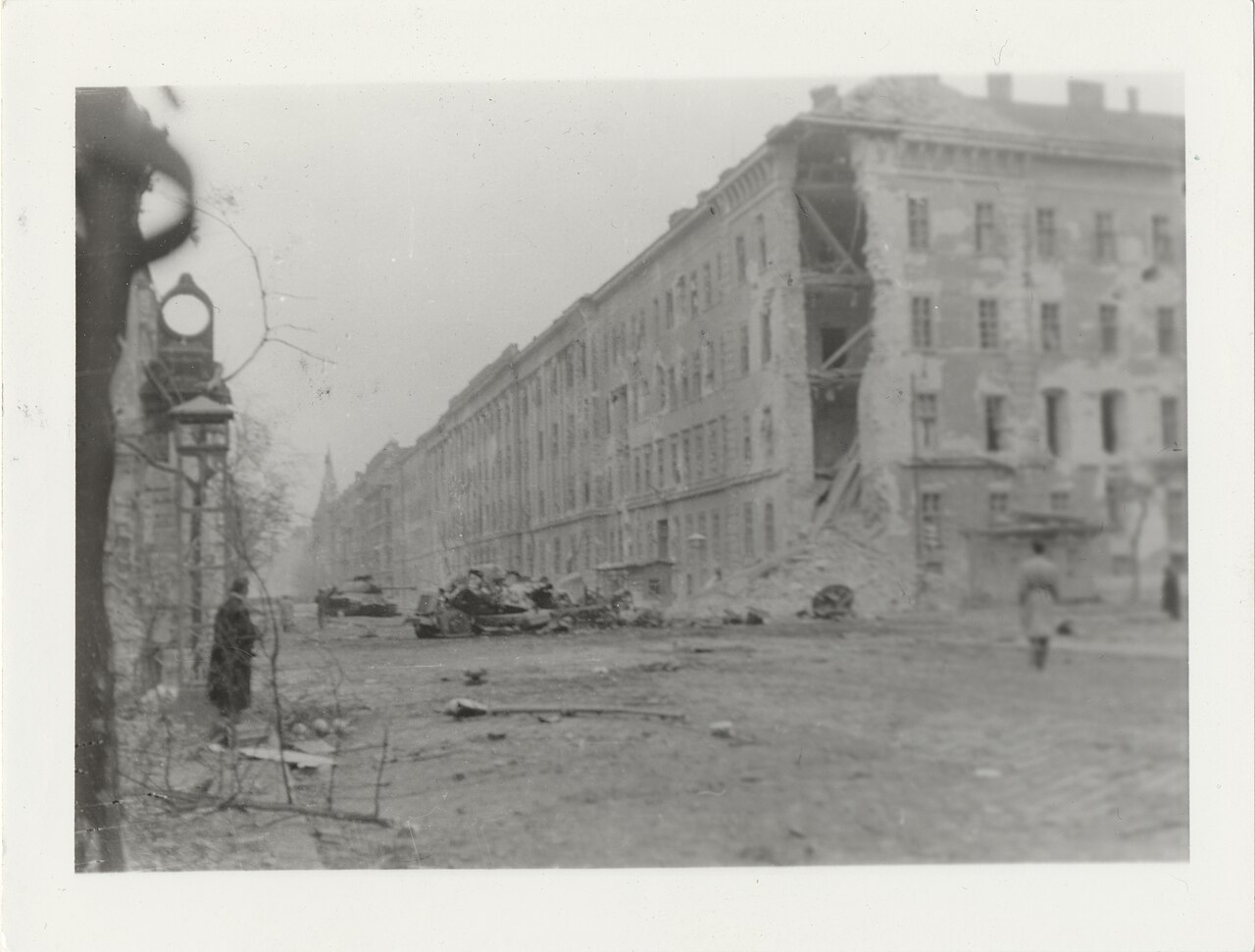
The USSR initially seemed willing to negotiate a troop withdrawal, holding talks on November 3rd. But on November 4th, Soviet forces attacked, crushing the revolution. Fighting continued until November 10th, with scattered firefights outside Budapest lasting until at least November 12th. The crackdown killed about 2,500 Hungarians and 700 Soviet soldiers, and nearly a quarter of a million Hungarians fled the country.
Second World War
The background to the uprising goes back to World War II. Hungary, then a kingdom, fought alongside Nazi Germany and the other Axis powers. Its army joined the invasions of Yugoslavia in April 1941 and the Soviet Union in June 1941.
By 1944, the Red Army had pushed the Axis forces out of Soviet territory and was advancing toward Hungary. The Hungarian government tried to negotiate an armistice with the Allies, but Germany responded by launching Operation Margarethe on March 12, 1944, installing a Nazi puppet government. Hungary was occupied by the Soviet Union in 1945 after the Siege of Budapest. After the war, Hungary fell under Soviet influence.
Lore & Background
The Hungarian Revolution began on 23 October 1956 in Budapest when university students appealed to the civil populace to join them at the Hungarian Parliament Building to protest against the USSR's geopolitical domination of Hungary through the communist government of Mátyás Rákosi. A delegation of students entered the building of Magyar Rádió to broadcast their sixteen demands for political and economic reforms to civil society, but were detained by security guards. When the student protestors outside the radio building demanded the release of their delegation, a group of police from the ÁVH fatally shot several of the students.
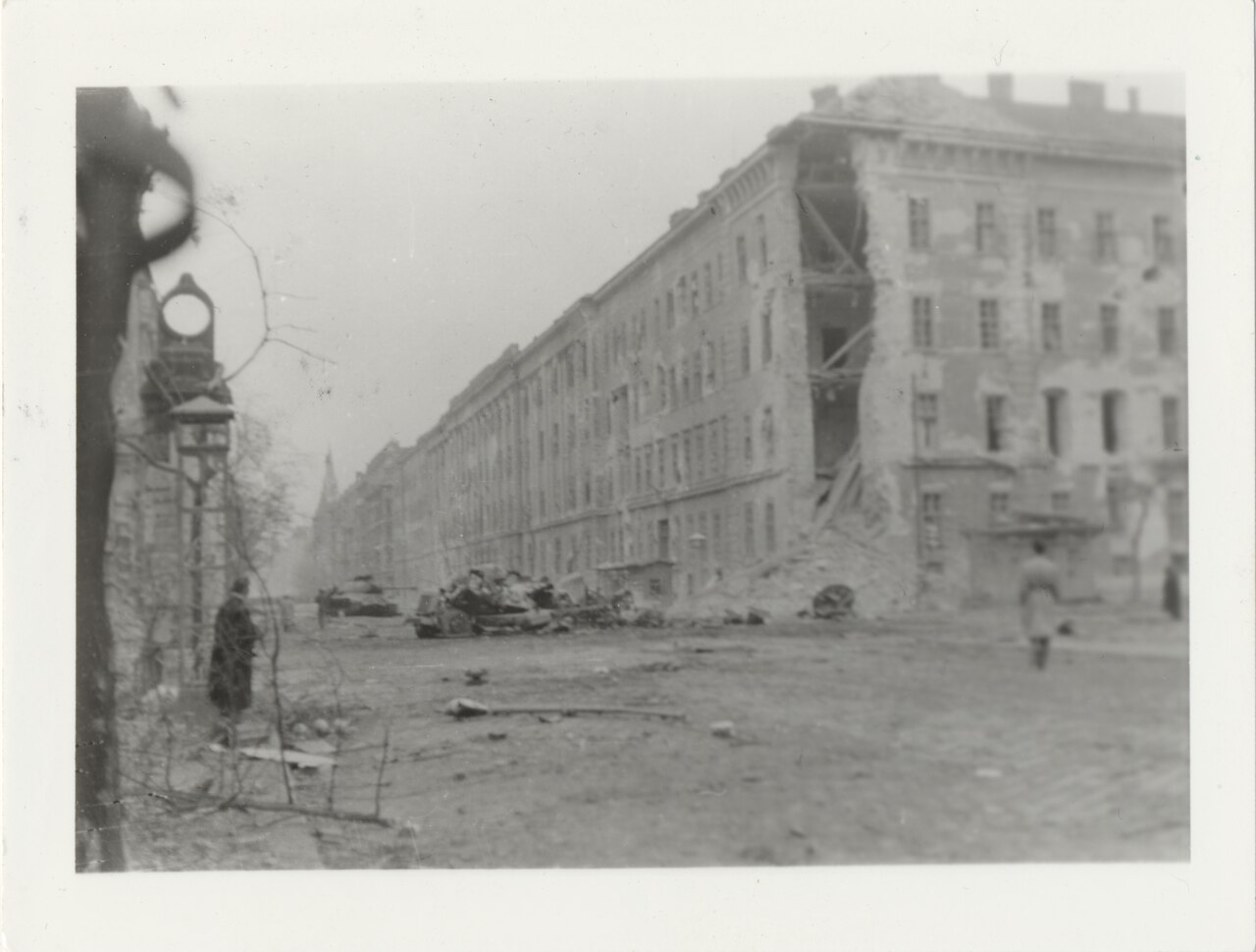
The siege of the Radio building began shortly after midnight and ended around 8:00am. At that point, the revolutionaries broke into the building and treated the soldiers, officer cadets, and members of the ÁVH found there as prisoners. ÁVH officer Major Fehér was executed with a shot to the back of the head. Consequently, Hungarians organized into revolutionary militias to fight against the ÁVH; local Hungarian communist leaders and ÁVH policemen were captured and summarily executed; and political prisoners were released and armed. To realize their political, economic, and social demands, local soviets assumed control of municipal government from the Hungarian Working People's Party.
The new government of Imre Nagy disbanded the ÁVH on 28 October, declared Hungary's withdrawal from the Warsaw Pact on 1 November, and pledged to re-establish free elections. By the end of October, the intense fighting had subsided. Although initially showing willingness to negotiate the withdrawal of the Soviet Army from Hungary (having negotiations on 3 November), the USSR repressed the Hungarian Revolution on 4 November 1956, and fought the Hungarian revolutionaries until Soviet victory on 10 November; repression of the Hungarian Uprising killed 2,500 Hungarians and 700 Soviet Army soldiers, and compelled 200,000 Hungarians to seek political refuge abroad, mostly to Austria.
The Spark: Students, the Radio Building, and the First Blood
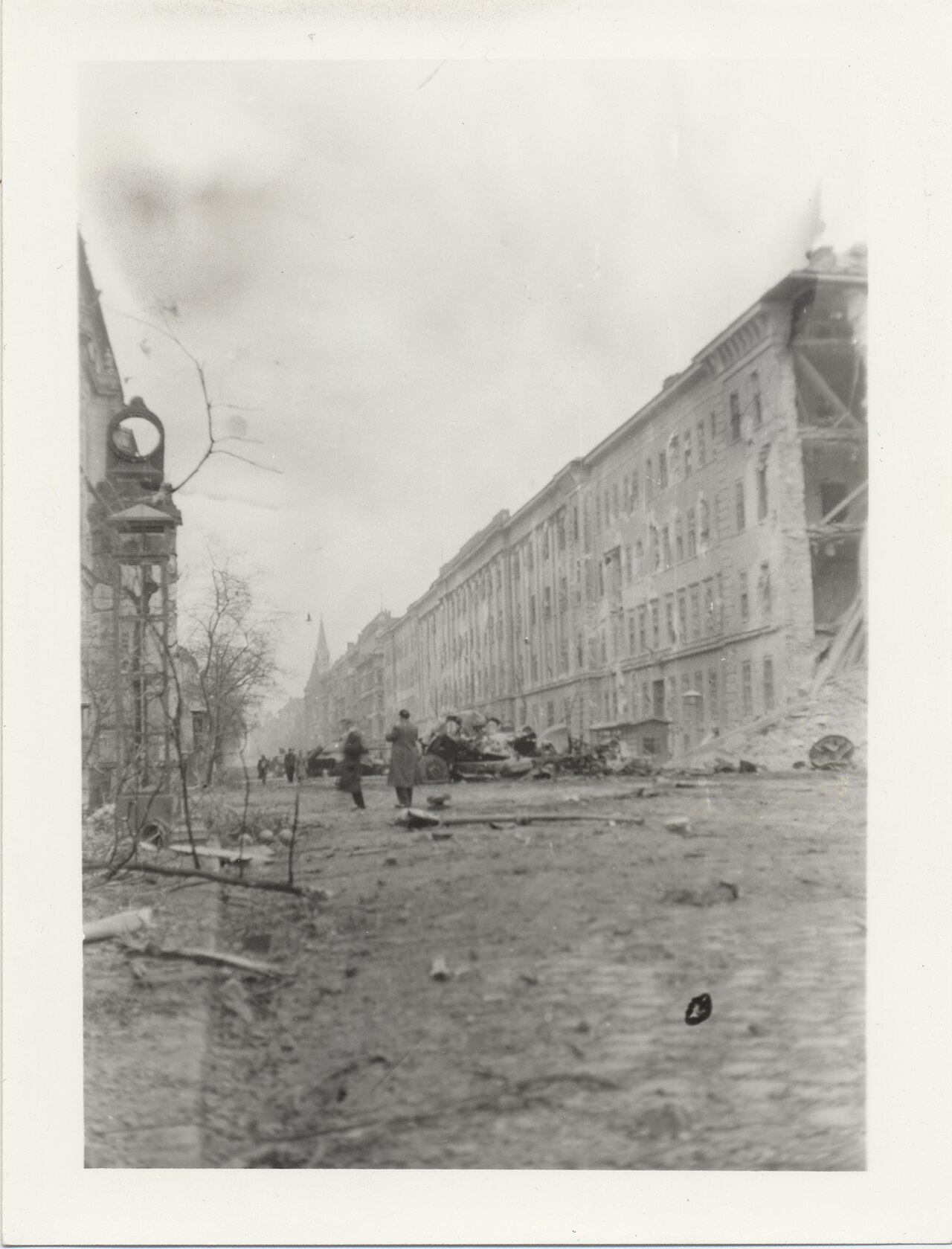
A student delegation entered Magyar Rádió to broadcast sixteen demands for political and economic reform, but security guards detained them. When the crowd outside demanded their release, ÁVH police opened fire, killing several students. What followed was a siege of the radio building that stretched from just after midnight until roughly 8:00 a.m.
By the time the revolutionaries finally breached the building, they had turned the tables: soldiers, officer cadets, and ÁVH personnel inside were taken as prisoners. In one of the uprising's most brutal early acts, ÁVH Major Fehér was executed with a shot to the back of the head. That single night transformed a student demonstration into a full-scale armed confrontation with the state security apparatus.
Fifteen Days of Self-Governance
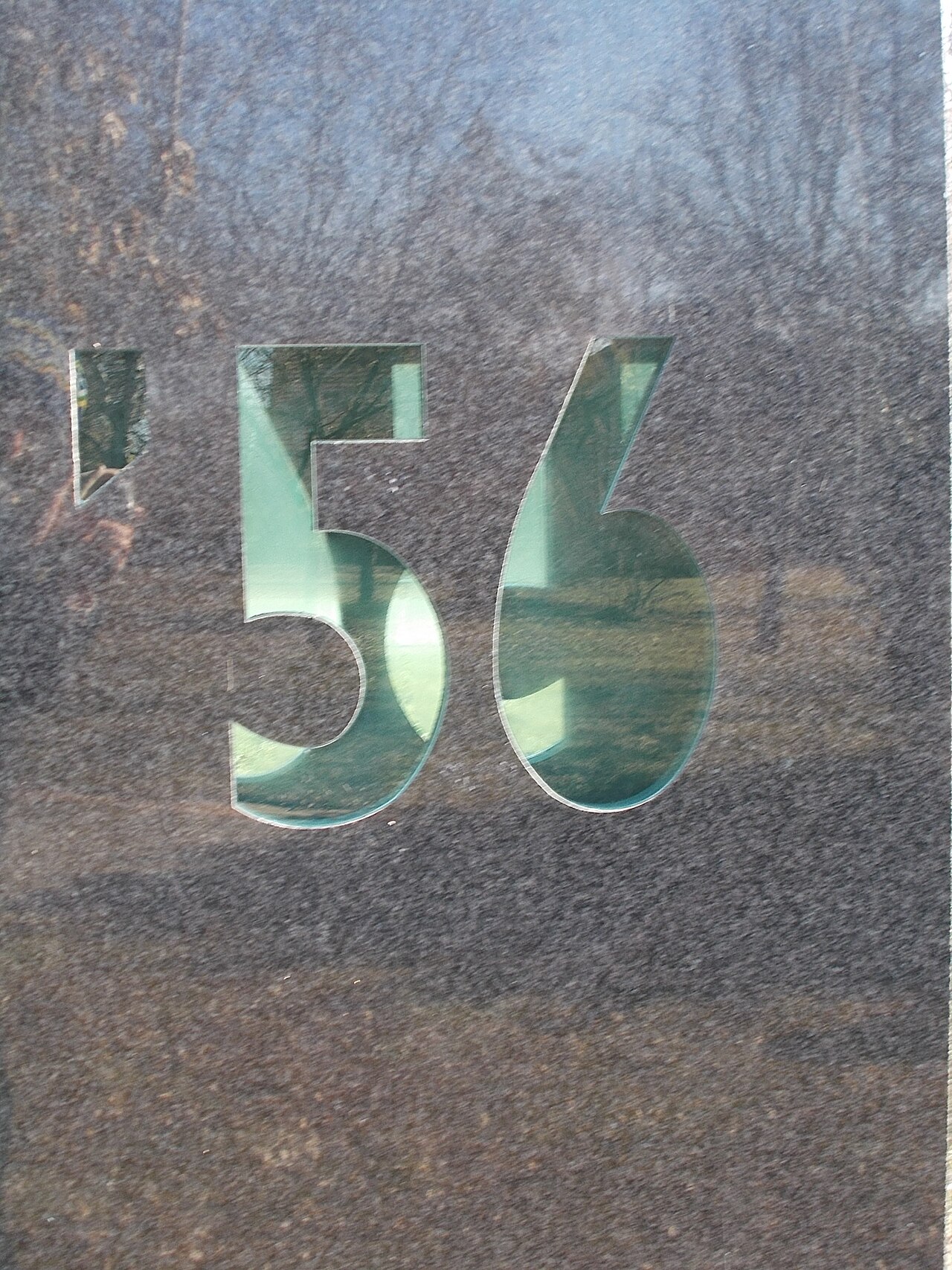
In the days following the radio building siege, the revolution rapidly restructured Hungarian society from the ground up. Citizens organized into revolutionary militias to confront the ÁVH, while local communist officials and security officers were captured and, in many cases, summarily executed. Political prisoners were freed and handed weapons.
To give their political, economic, and social demands institutional weight, local soviets—councils of workers—seized municipal authority from the Hungarian Working People's Party. The new government under Imre Nagy moved decisively: on 28 October the ÁVH was formally disbanded, on 1 November Hungary declared its withdrawal from the Warsaw Pact, and a pledge was made to restore free elections. By the end of October, the most intense street fighting in Budapest had largely subsided, and for a brief window the country appeared to be charting an independent political course free from Moscow's dictate.
Soviet Intervention and the Human Toll
Although the USSR initially appeared open to negotiating the withdrawal of its forces from Hungarian soil—holding talks on 3 November—Moscow ultimately chose military repression. Fighting continued until Soviet victory was secured on 10 November, though in areas outside Budapest sporadic firefights persisted until at least 12 November.
Far more consequential was the exodus that followed. Nearly a quarter of a million Hungarians—around 200,000—fled the country in search of political refuge, the vast majority crossing into Austria. What had begun as a fifteen-day revolution against Soviet domination ended in a mass displacement that reshaped Hungarian demographics and scattered a generation of intellectuals, workers, and families across the Western world.
The Road to 1956: Occupation, Stalinism, and Suppressed Freedom
The revolution did not emerge from a vacuum. In the postwar period, a brief multi-party democracy took root under President Zoltán Tildy and Prime Minister Ferenc Nagy, with the Independent Smallholders Party leading a coalition. Control of the ÁVH was transferred to the communists, who employed intimidation, false accusations, imprisonment, and torture against political opponents. The Hungarian People's Republic was proclaimed, COMECON was signed, and Rákosi's Stalinist regime used the ÁVH to purge thousands of dissidents.
Reader's Guide
The Hungarian Revolution of 1956 was a 15-day uprising against Soviet-backed Stalinist rule. It began with student protests on 23 October 1956, escalated after the ÁVH fired on demonstrators, and led to the siege of the Radio building ending around 8:00 am on 23 October. The revolution saw the formation of militias, the execution of ÁVH officers, and the release of political prisoners. Imre Nagy's government disbanded the ÁVH, withdrew from the Warsaw Pact, and promised free elections.
The USSR initially negotiated but then crushed the revolution on 4 November, with fighting ending by 10 November. Key figures include Mátyás Rákosi, Imre Nagy, and Major Fehér. The revolution resulted in thousands of casualties and a large refugee exodus.
Frequently Asked Questions
What is Hungarian Revolution of 1956 known for?
Its core 'ability' is mass popular mobilization against an occupying superpower—students, factory workers, and defected ÁVH officers seized weapons and built barricades in Budapest to demand national sovereignty and democratic reform. It functioned as a direct, on-the-ground challenge to Soviet military and political authority over Eastern Europe.
Who are the main participants in Hungarian Revolution of 1956?
On the revolutionary side, you have Hungarian university students, industrial workers, and defected ÁVH (secret police) personnel who organized the barricades and armed resistance. On the opposing side, the Soviet Army and remaining loyalist ÁVH units carried out the military suppression.
Also in the Codexery
More in Revolutions & Uprisings
Sources
Compiled from Wikipedia and the sources listed below. Text from Wikipedia is available under CC BY-SA 4.0; this entry is adapted from it.
- Wikipedia: Hungarian Revolution of 1956 (CC BY-SA 4.0).
- Word definitions: the Codexery glossary, each quoted from its Wikipedia article.
Spotted an error? Know more?
Reader corrections go straight into our review queue. Suggest an edit · How this site is sourced