Indian Rebellion of 1857
Last updated

via Wikipedia: Indian Rebellion of 1857 · see source
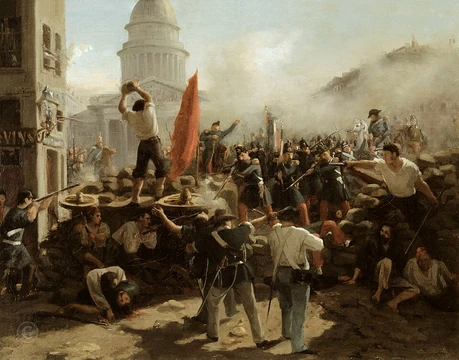
The Indian Rebellion of 1857 was a major uprising against British East India Company rule that began as a sepoy mutiny in Meerut on 10 May 1857.[1] It spread to civilian rebellions across the upper Gangetic plain and central India, posing a serious military threat to British power in the region.[2] The rebellion was contained only with the rebels' defeat at Gwalior on 20 June 1858, and hostilities formally ended on 8 July 1859.[2]
Key facts and history
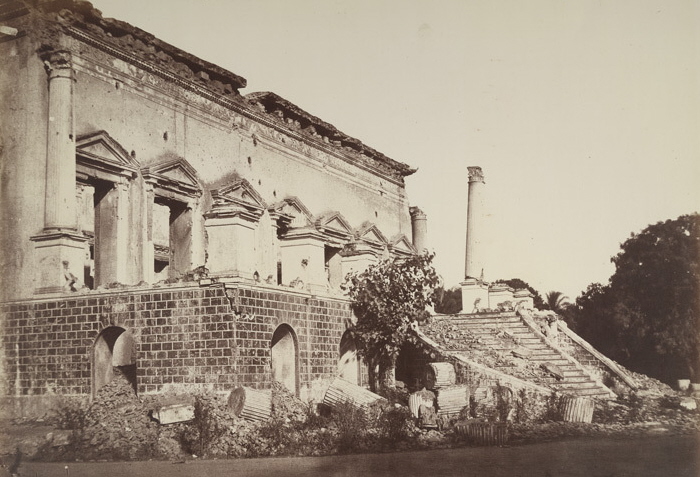
The rebellion was fed by resentments over invasive British social reforms, harsh land taxes, and the summary treatment of rich landowners and princes.[3] The immediate flashpoint was the introduction of the Pattern 1853 Enfield rifle, whose greased cartridges sparked rumors among sepoys that the grease came from cow tallow and pig lard, offensive to Hindus and Muslims.[4][5] Suppression of the rebellion in Jhansi, Lucknow, and the Awadh countryside took the remainder of 1857 and most of 1858.[6] The rebellion led to the dissolution of the East India Company and the direct administration of India by the British government under the Government of India Act 1858.[7]
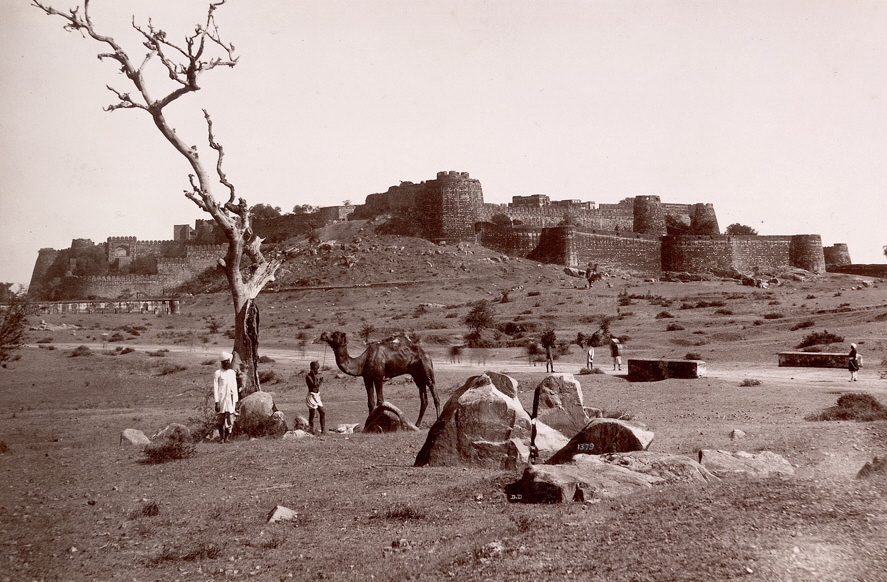
Violence was inflicted on both sides, with British reprisals sometimes destroying entire villages.[3] Territories including large portions of the North-Western Provinces and Awadh came under rebel control soon after the outbreak.[6]
What the research sources say
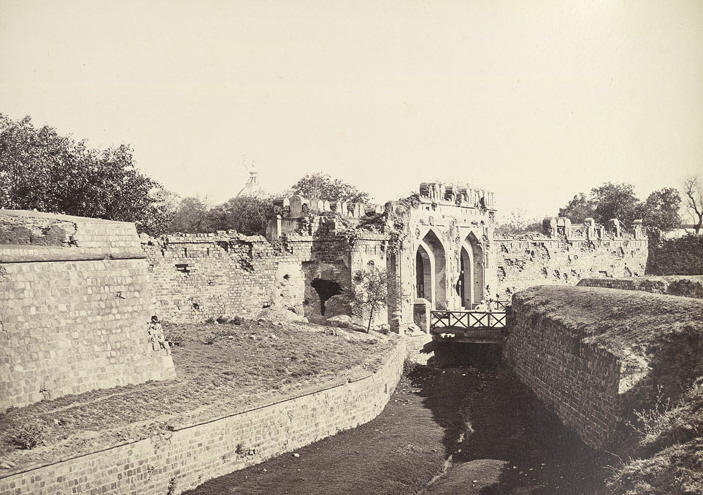
The same source states that Muslims formed a larger percentage of the 18 irregular cavalry units, while Hindus were mainly in the 84 regular infantry and cavalry regiments.[8][9] The Internet Indian History Sourcebook records that the East India Company was chartered in 1601, marking the beginning of English inroads into the Indian Ocean.[10]
References
- Wikipedia, "Indian Rebellion of 1857" (CC BY-SA 4.0), which cites: ; (original not read by us) en.wikipedia.org
- Wikipedia, "Indian Rebellion of 1857" (CC BY-SA 4.0), which cites: ; Marriott, "The other empire: Metropolis, India and progress in the colonial imagination", Manchester University Press, 2013, p. 195; Bender, "The 1857 Indian Uprising and the British Empire", Cambridge University Press, 2016, p. 3; ; , , and (original not read by us) en.wikipedia.org
- Wikipedia, "Indian Rebellion of 1857" (CC BY-SA 4.0), which cites: Metcalf Metcalf 2006, p. 100–103; Brown 1994, p. 85–86; Marshall, "The Cambridge Illustrated History of the British Empire", Cambridge University Press, 2001, p. 50; Marshall, "The Cambridge Illustrated History of the British Empire", Cambridge University Press, 2001, p. 50; Marshall, "The Cambridge Illustrated History of the British Empire", Cambridge University Press, 2001, p. 50 (we also read that source) en.wikipedia.org
- Wikipedia, "Indian Rebellion of 1857" (CC BY-SA 4.0), which cites: Hyam, "Britain's Imperial Century, 1815–1914", Palgrave Macmillan, 2002, p. 135 (original not read by us) en.wikipedia.org
- Wikipedia, "Indian Rebellion of 1857" (CC BY-SA 4.0), which cites: Headrick, "The Tools of Empire: Technology and European Imperialism in the Nineteenth Century", Oxford University Press, 1981, p. 88 (original not read by us) en.wikipedia.org
- Wikipedia, "Indian Rebellion of 1857" (CC BY-SA 4.0), which cites: , , and; , , and; Marriott, "The other empire: Metropolis, India and progress in the colonial imagination", Manchester University Press, 2013, p. 195; , , and; Marriott, "The other empire: Metropolis, India and progress in the colonial imagination", Manchester University Press, 2013, p. 195; , , and; (original not read by us) en.wikipedia.org
- Wikipedia, "Indian Rebellion of 1857" (CC BY-SA 4.0), which cites: ,; ; Peers, "A Companion to 19th-Century Britain", John Wiley & Sons, 2006, p. 63; ; ; ; Adcock, "The Limits of Tolerance: Indian Secularism and the Politics of Religious Freedom", Oxford University Press, 2013, p. 23–25; Taylor, "Crowns and Colonies: European Monarchies and Overseas Empires", Manchester University Press, 2016, p. 38–39; Embree, "Sources of Indian Tradition: Modern India and Pakistan", Columbia University Press, 1988, p. 85 (original not read by us) en.wikipedia.org
- Open Library record, ISBN 9780713710748 ("The Indian Army"). CC0 (metadata); book content not read. openlibrary.org
- Wikipedia, "Indian Rebellion of 1857" (CC BY-SA 4.0), which cites: Mollo, "The Indian Army", Littlehampton Book Services Ltd, 1981, p. 54 (we also read that source) en.wikipedia.org
- "Internet History Sourcebooks Project", Sourcebooks.fordham.edu. facts only, no text reused. sourcebooks.fordham.edu
Each numbered sentence above was checked against the source it cites before publication. Sentences citing Wikipedia adapt text from the English Wikipedia article Indian Rebellion of 1857 (contributors), used under CC BY-SA 4.0; this entry is available under the same licence. Other sources were used for facts only; no text or images are copied from them.
Also in the Codexery
More in Revolutions & Uprisings
Sources
Compiled from Wikipedia and the sources listed below. Text from Wikipedia is available under CC BY-SA 4.0; this entry is adapted from it.
- Wikipedia: Indian Rebellion of 1857 (CC BY-SA 4.0).
- Word definitions: the Codexery glossary, each quoted from its Wikipedia article.
Spotted an error? Know more?
Reader corrections go straight into our review queue. Suggest an edit · How this site is sourced