Shandong
Coastal province, cradle of Confucianism and Taoism.
Last updated

Mary Harrsch · CC BY-SA 4.0
Shandong is a coastal province in East China that has played a major role in the development of Chinese civilization and culture, serving as a pivotal cultural and religious center for Taoism, Chinese Buddhism, and Confucianism.
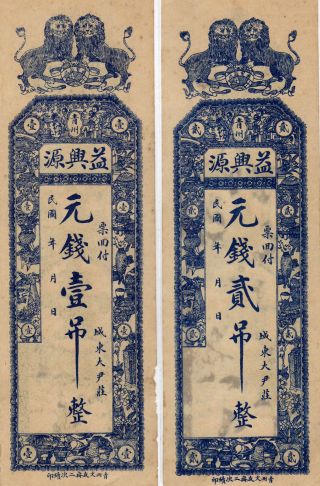
Lore & Background
Shandong's name literally translates to 'east of the mountain,' referring to its location east of the Taihang Mountains, and first came into use during the Jin Dynasty. A common nickname is Qilu, from the two major states of Qi and Lu that existed in the region during the Spring and Autumn period; while Qi was a major political power, Lu became renowned as the home of Confucius, and its cultural influence came to eclipse that of Qi. The province's official abbreviation, Lǔ, reflects this cultural legacy.
Sacred Grounds: A Cradle of Three Great Traditions
Few regions on Earth can claim to be the spiritual birthplace of three of the world's great philosophical traditions, yet Shandong holds that distinction. As a coastal province in East China, it has long served as the beating heart of Taoist, Buddhist, and Confucian thought. Mount Tai is regarded as the most sacred mountain within the Taoist tradition and carries one of the longest unbroken records of continuous religious devotion anywhere on the planet.
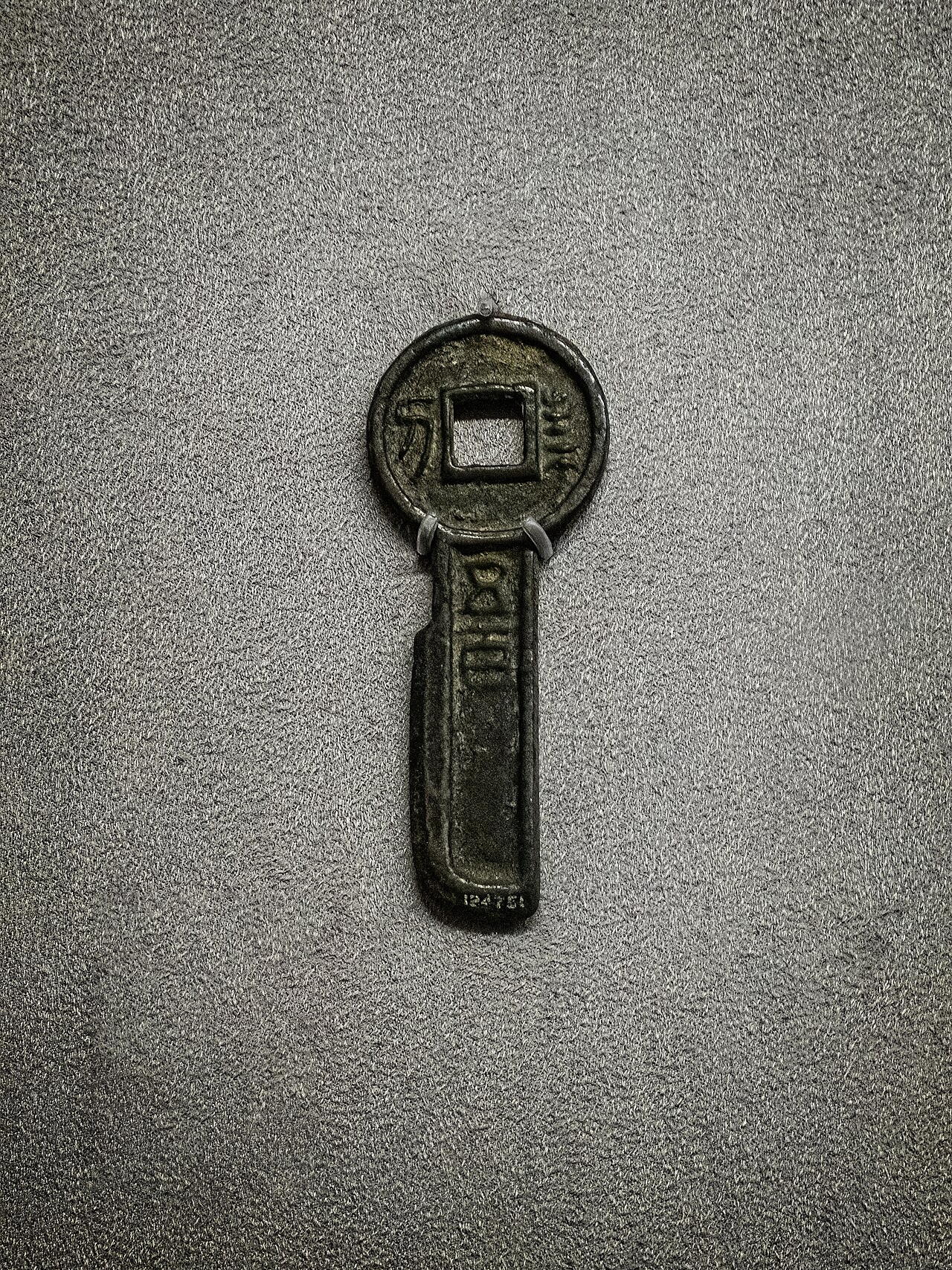
South of the provincial capital Jinan, clusters of Buddhist temples once ranked among the most important in all of China, a legacy vividly confirmed in 1996 when over two hundred buried stone statues—some bearing early examples of painted figures—were unearthed at Qingzhou. The city of Qufu is inseparable from Confucius himself; it was his birthplace, and it was there his teachings later crystallized into the Confucian tradition that shaped East Asian civilization for millennia. Even the great monk Faxian, returning from his travels through India and Pakistan in 412 AD, chose the Shandong coast at Laoshan as his landing point before heading to Qingzhou to translate the sacred texts he had carried home.
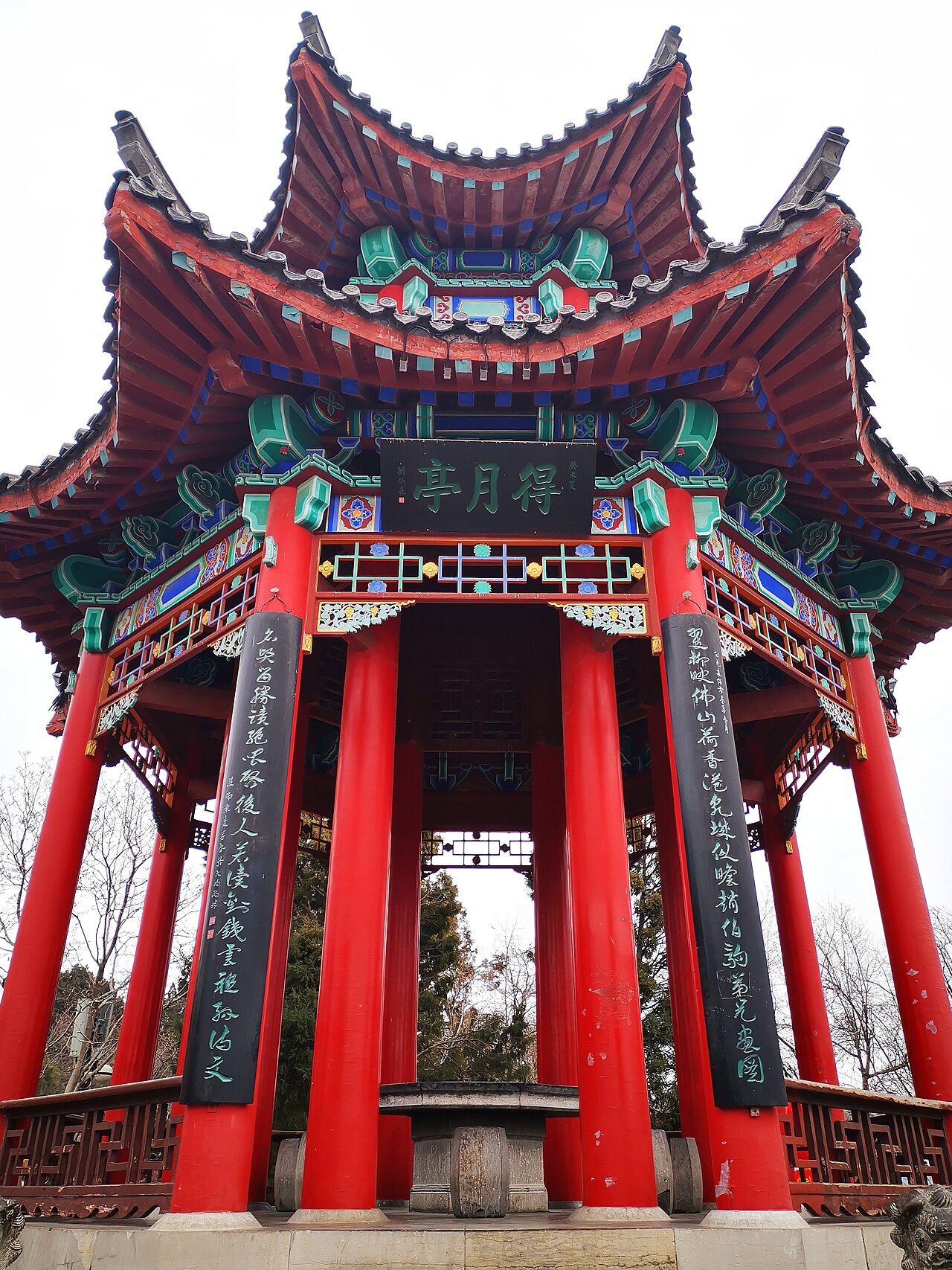
From Trade Routes to Trillion-Yuan Economy
Shandong's position at the crossroads of ancient and modern north–south and east–west trading routes gave it an early economic advantage, and that geographic fortune has only been amplified in the modern era. After a stretch of political instability and economic hardship that began in the late nineteenth century, the province surged forward in recent decades to become one of China's most powerful economic engines. Home to more than one hundred million people, it is the world's sixth-most populous subnational entity and China's second-most populous province.
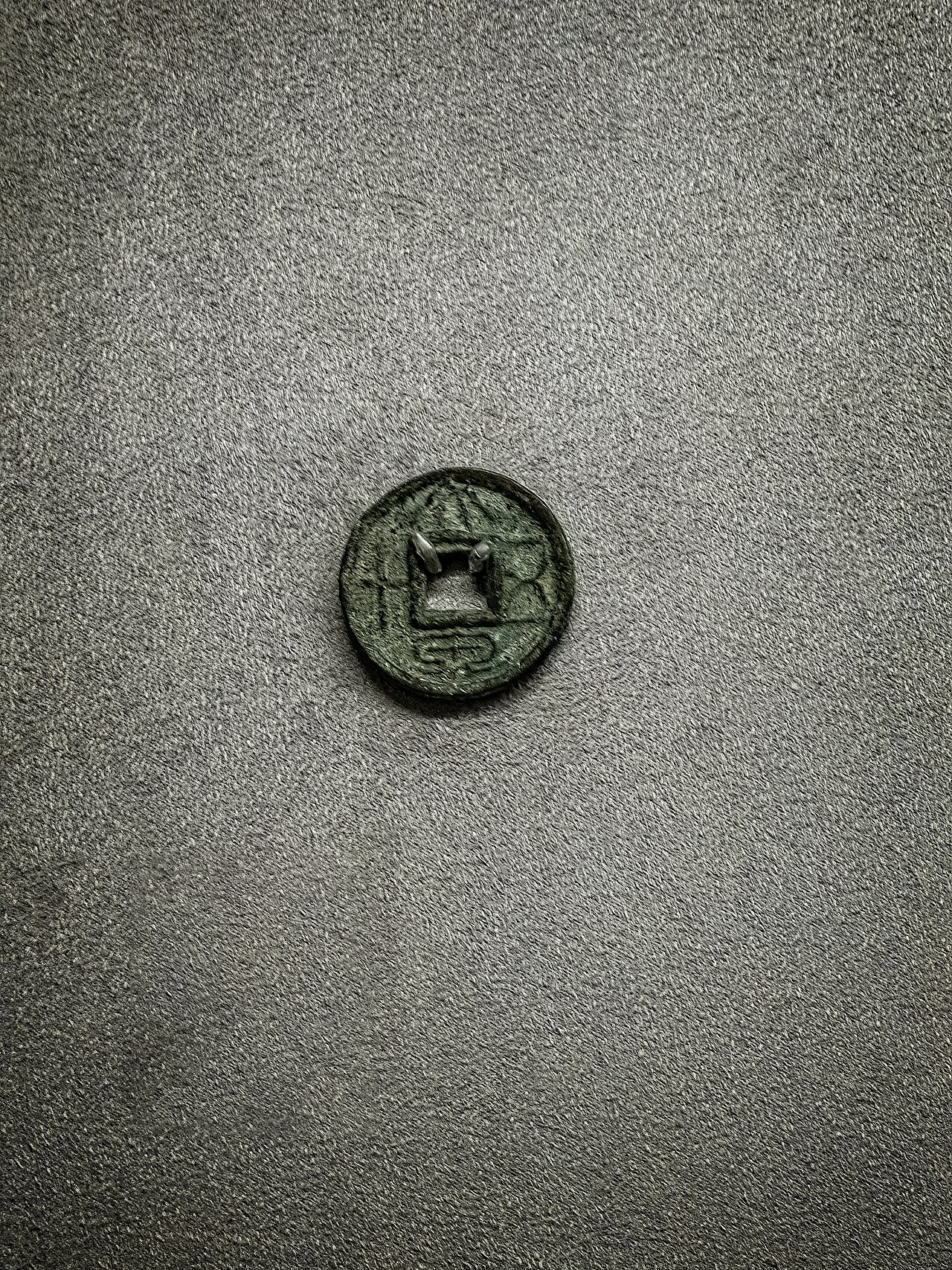
Its GDP reached CN¥8.3 trillion (roughly US$1.3 trillion) in 2021, making it the third-largest provincial economy in the country—an output comparable to the entire GDP of Mexico. Were Shandong a sovereign nation, it would rank as the fifteenth-largest economy and the fifteenth-most populous on Earth. Its GDP per capita sits slightly above the national average, underscoring that its strength is not merely a function of sheer scale but also of productive efficiency across its vast population.
Qi, Lu, and the Long Memory of a Name
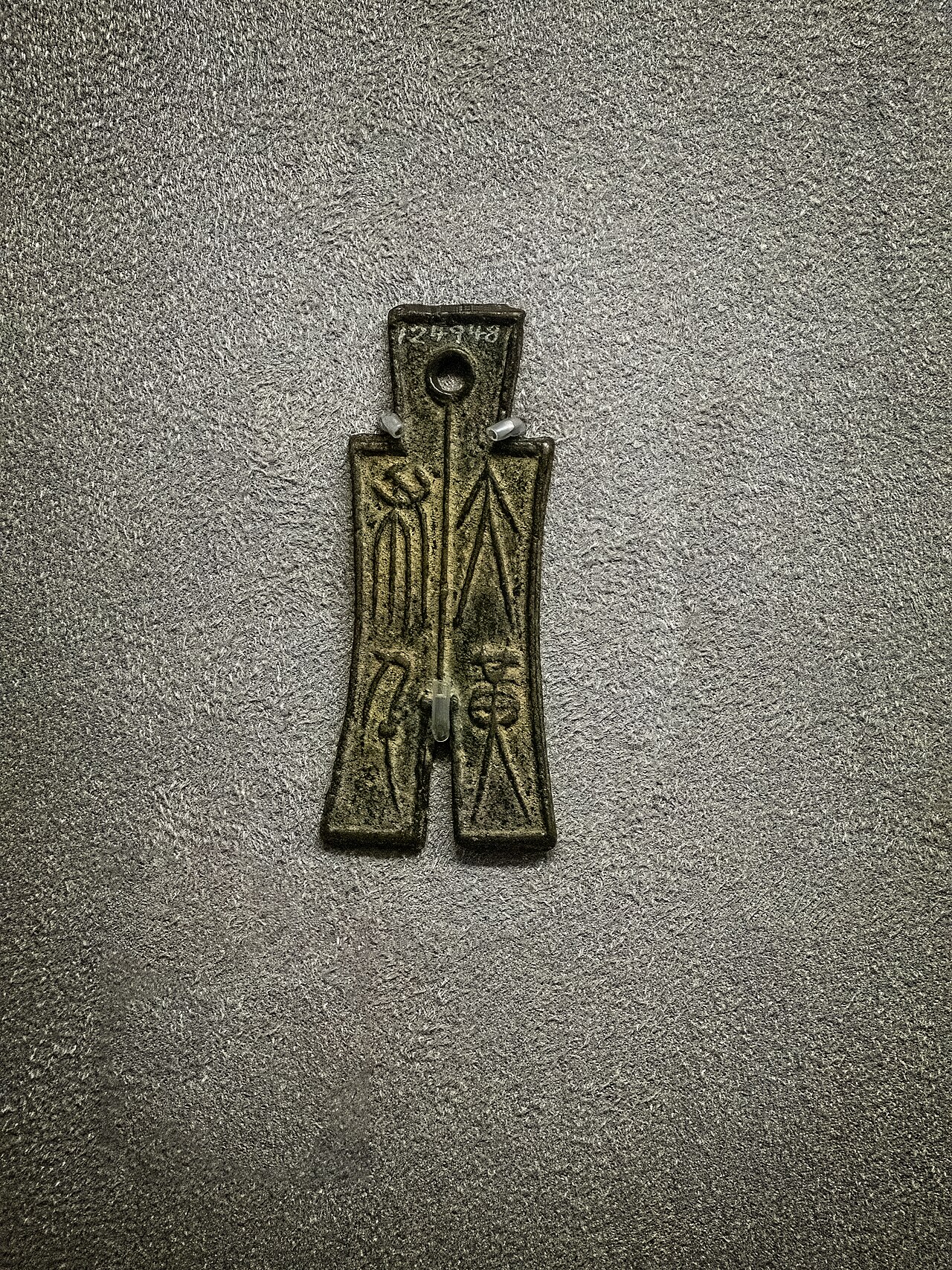
Shandong's story stretches back to the Neolithic era, when a succession of cultures—Houli, Beixin, Dawenkou, Longshan, and Yueshi—flourished on the eastern edge of the North China Plain over several thousand years. During the Spring and Autumn period, the region was home to two rival states: Qi, a formidable political power centered at Linzi, and Lu, a smaller polity in Qufu whose cultural influence, anchored by Confucius, ultimately eclipsed that of its larger neighbor. The Qin conquest of Qi in 221 BC folded Shandong into China's first centralized state, and subsequent dynasties layered their own administrative structures over the land.
The name "Shandong" itself—literally "east of the mountain," referring to the Taihang range—first appeared when the Jurchen Jin dynasty created Shandong East and West Circuits in 1142. The province's affectionate nickname, Qilu, preserves the memory of both Qi and Lu, while the old romanization "Shantung" still lingers in scientific names like Shantungosaurus. In 1376, the Ming dynasty moved the provincial capital from Qingzhou to Jinan, a seat it has held ever since.
A Modern Engine of Scholarship and Research
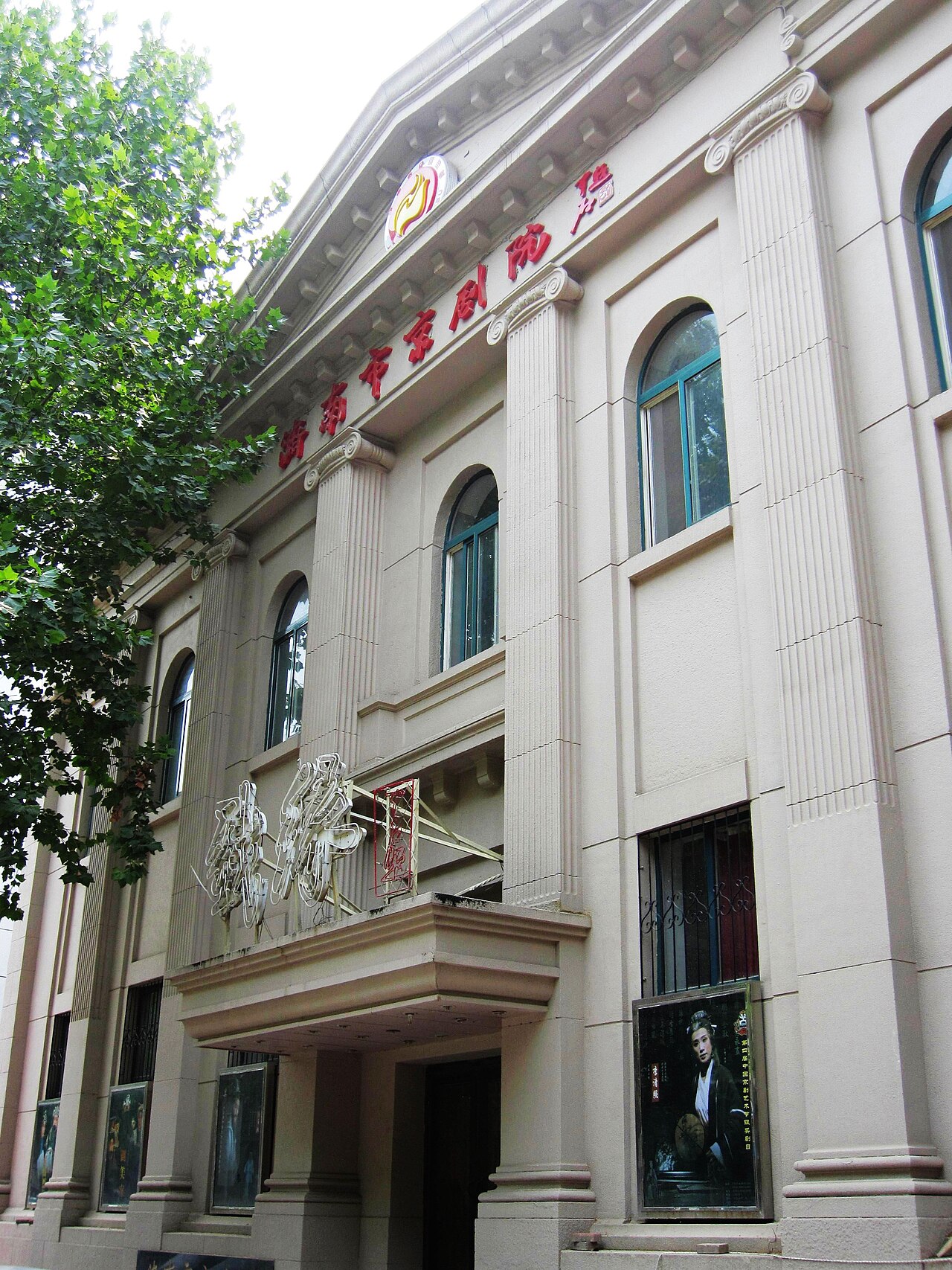
Beyond its ancient spiritual heritage and modern economic might, Shandong has carved out a distinctive reputation as one of China's foremost provinces for education and scientific inquiry. The province is home to 153 higher education institutions, a count that places it second in East China behind only Jiangsu and fourth across all of China's first-level divisions, trailing just Jiangsu, Guangdong, and Henan.
This depth of academic infrastructure translates into tangible global recognition: in the 2025 Nature Index, two of Shandong's major cities—Jinan at number twenty-seven and Qingdao at number thirty-one—cracked the world's top thirty-five cities by scientific research output. Such a ranking is remarkable for a province whose population exceeds one hundred million, suggesting that its research productivity is not simply a byproduct of size but reflects a concentrated culture of scholarly ambition. For a region whose intellectual roots reach back to the lecture halls of Qufu, this modern scientific standing feels like a natural continuation of a tradition that has always valued the pursuit of knowledge.
Reader's Guide
Shandong's significance lies in its dual role as a cradle of Chinese philosophy and religion and as a modern economic powerhouse. Mount Tai is the most revered mountain of Taoism and a site with one of the longest histories of continuous religious worship in the world. The Buddhist temples south of Jinan were once among the foremost Buddhist sites in China, and Qufu, the birthplace of Confucius, became the center of Confucianism. The province's history includes periods of political instability and economic hardship beginning in the late 19th century, followed by rapid growth in recent decades.
More in States And Regions
Sources
Compiled from Wikipedia and the sources listed below. Text from Wikipedia is available under CC BY-SA 4.0; this entry is adapted from it.
- Wikipedia: Shandong (CC BY-SA 4.0).
Spotted an error? Know more?
Reader corrections go straight into our review queue. Suggest an edit · How this site is sourced