French Revolution
The 1789–1799 upheaval that toppled the French monarchy and shaped liberal democracy.
Last updated

via Wikipedia: French Revolution · see source
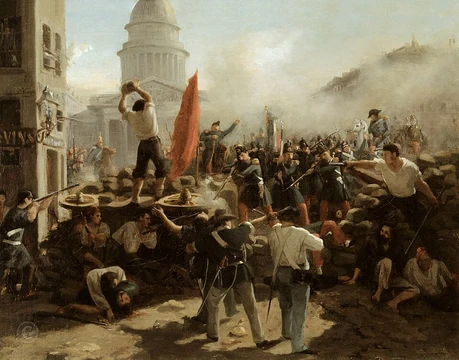
The French Revolution was a decade of political and social upheaval in France, opening with the Estates General of 1789 and closing with the Coup of 18 Brumaire on 9 November 1799. Many of its ideas became core principles of liberal democracy, and its values still sit at the heart of French political debate. It grew out of a mix of social, political and economic pressures that the old regime could not contain. Along the way it abolished feudalism, produced the Declaration of the Rights of Man and of the Citizen, ended the monarchy and passed through the Reign of Terror.
Lore & Background
Between 1715 and 1789 the population of France rose from 21 to 28 million, and the middle class tripled in size, yet wage labourers and tenant peasants saw their living standards fall. A recession from 1785 and poor harvests in 1787 and 1788 drove up unemployment and food prices.
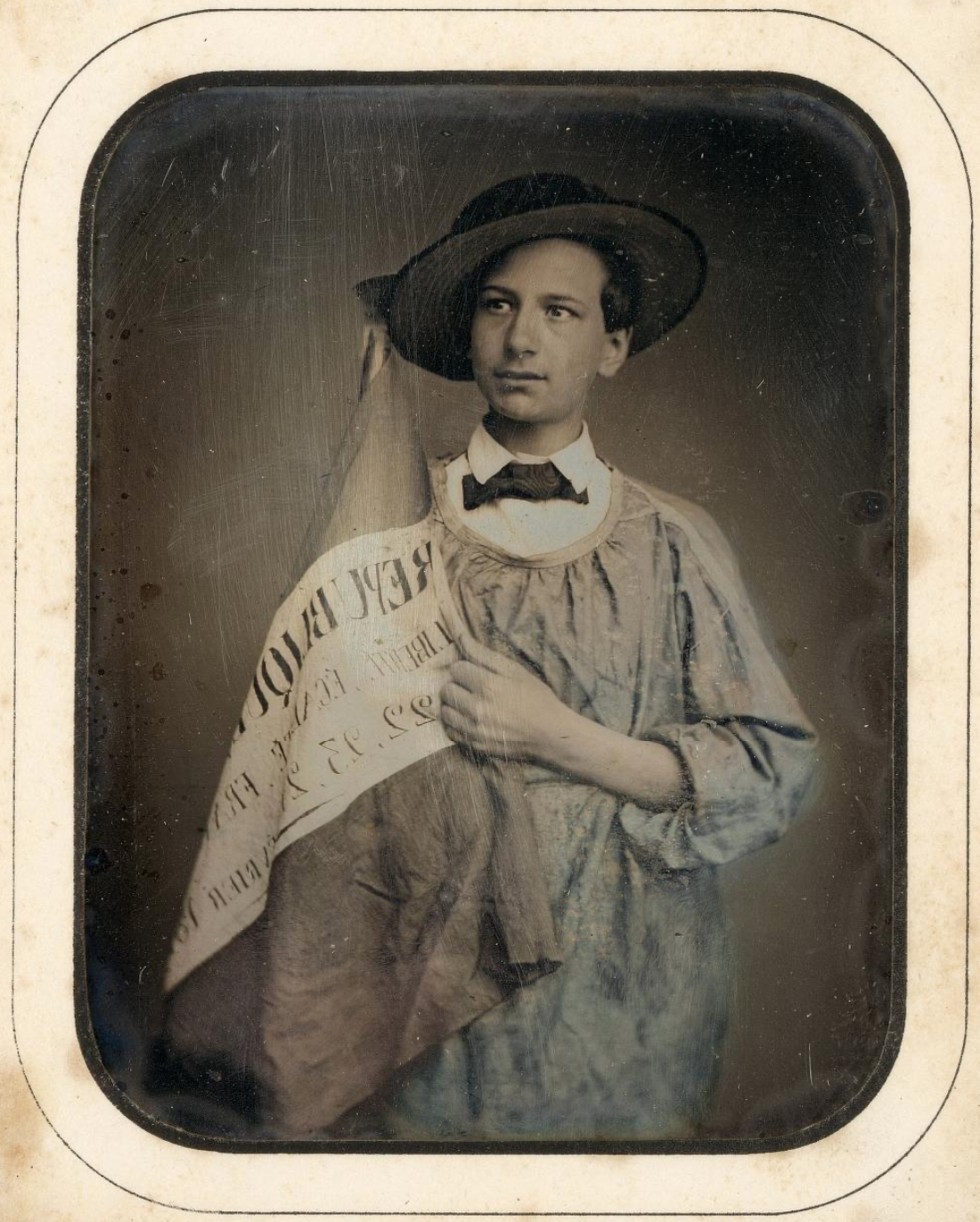
The state was also mired in debt from the 1778 to 1783 Anglo-French War, and by 1788 half its revenue went to servicing loans. When the finance minister Calonne and then Brienne proposed new taxes, the nobility and regional parlements blocked them, insisting only an Estates-General could approve them. That body had not met since 1614, and the call to revive it opened the crisis.
Reader's Guide
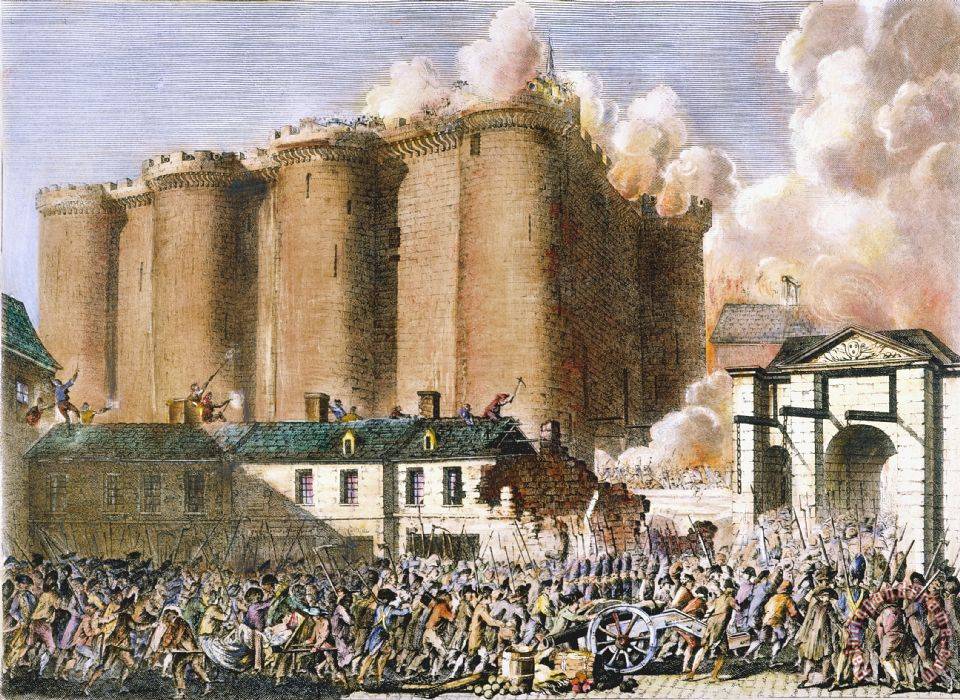
The Third Estate broke away in June 1789 to form a National Assembly, and the Storming of the Bastille on 14 July triggered sweeping reforms. Louis XVI's failed flight to Varennes in June 1791 damaged the crown, and war from April 1792 led to the insurrection of 10 August 1792.

The French First Republic replaced the monarchy that September, and the king was executed in January 1793. Under the Committee of Public Safety, led by Jacobins around Maximilien Robespierre, about 16,000 people were sentenced and executed before the Thermidorian Reaction of July 1794. The Directory followed in November 1795, until Napoleon Bonaparte became First Consul.
Did You Know?
- Paris had over 600,000 inhabitants on the eve of the Revolution.
- The Catholic Church in France owned nearly 10% of all land.
- Abbé Sieyès argued in What Is the Third Estate? that the commoners were the nation.
- From 25 September 1788, an average of 25 new political pamphlets appeared each week.
Frequently Asked Questions
What was the Reign of Terror?
A period when the Committee of Public Safety, dominated by radical Jacobins under Robespierre, held power; about 16,000 people were sentenced by the Revolutionary Tribunal and executed. It ended in July 1794.
What caused the Revolution?
Long- and short-term factors: a debt crisis, an unequal and inconsistent tax system, economic recession, bad harvests, resistance to reform by the elite and indecision by Louis XVI.
More in Revolutions & Uprisings
Sources
Compiled from Wikipedia and the sources listed below. Text from Wikipedia is available under CC BY-SA 4.0; this entry is adapted from it.
- Wikipedia: French Revolution (CC BY-SA 4.0).
- Word definitions: the Codexery glossary, each quoted from its Wikipedia article.
Spotted an error? Know more?
Reader corrections go straight into our review queue. Suggest an edit · How this site is sourced