Testicle
Male gonad producing sperm and testosterone.

Ezequiel69 · CC BY-SA 4.0
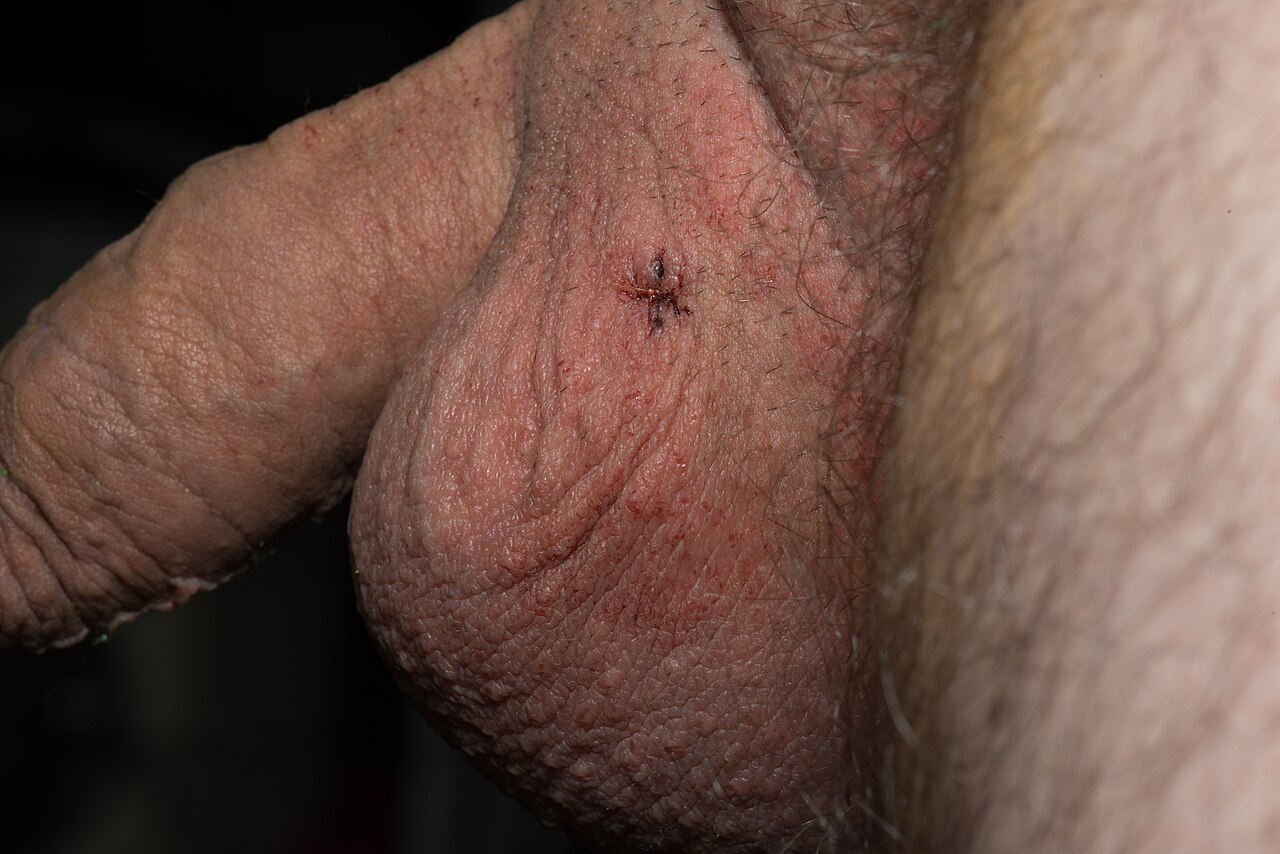
In humans, they are located in the scrotum, an extension of the abdominal wall.[1] The testes, which are the male reproductive glands, generate both spermatozoa and androgens such as testosterone.[2][3]
Quick Facts
- Latin
- testis
- Artery
- Testicular artery
- Vein
- Testicular vein, pampiniform plexus
- Nerve
- Spermatic plexus
- Lymph
- Lumbar lymph nodes
Facts from the source article.
Key facts and history
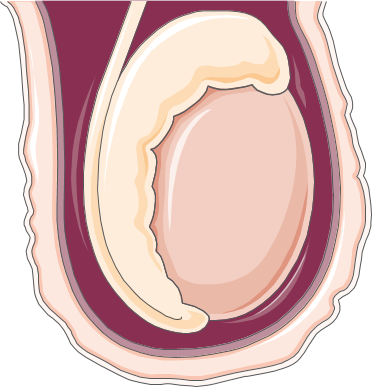
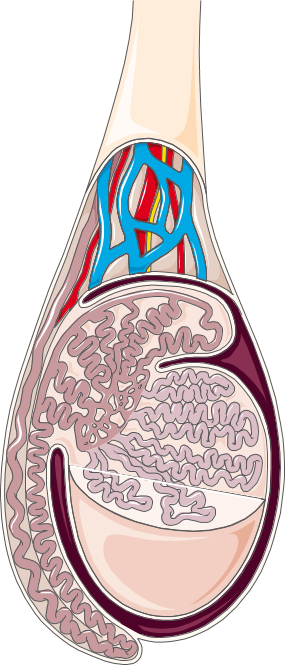
The testes are covered by a tough fibrous shell called the tunica albuginea.[2] Inside, fine-coiled seminiferous tubules produce sperm cells through spermatogenesis.[2][4] Between the tubules, Leydig cells produce testosterone and other androgens.[3] The blood–testis barrier, formed by tight junctions between Sertoli cells, prevents large molecules from entering the seminiferous tubule lumen.[5]
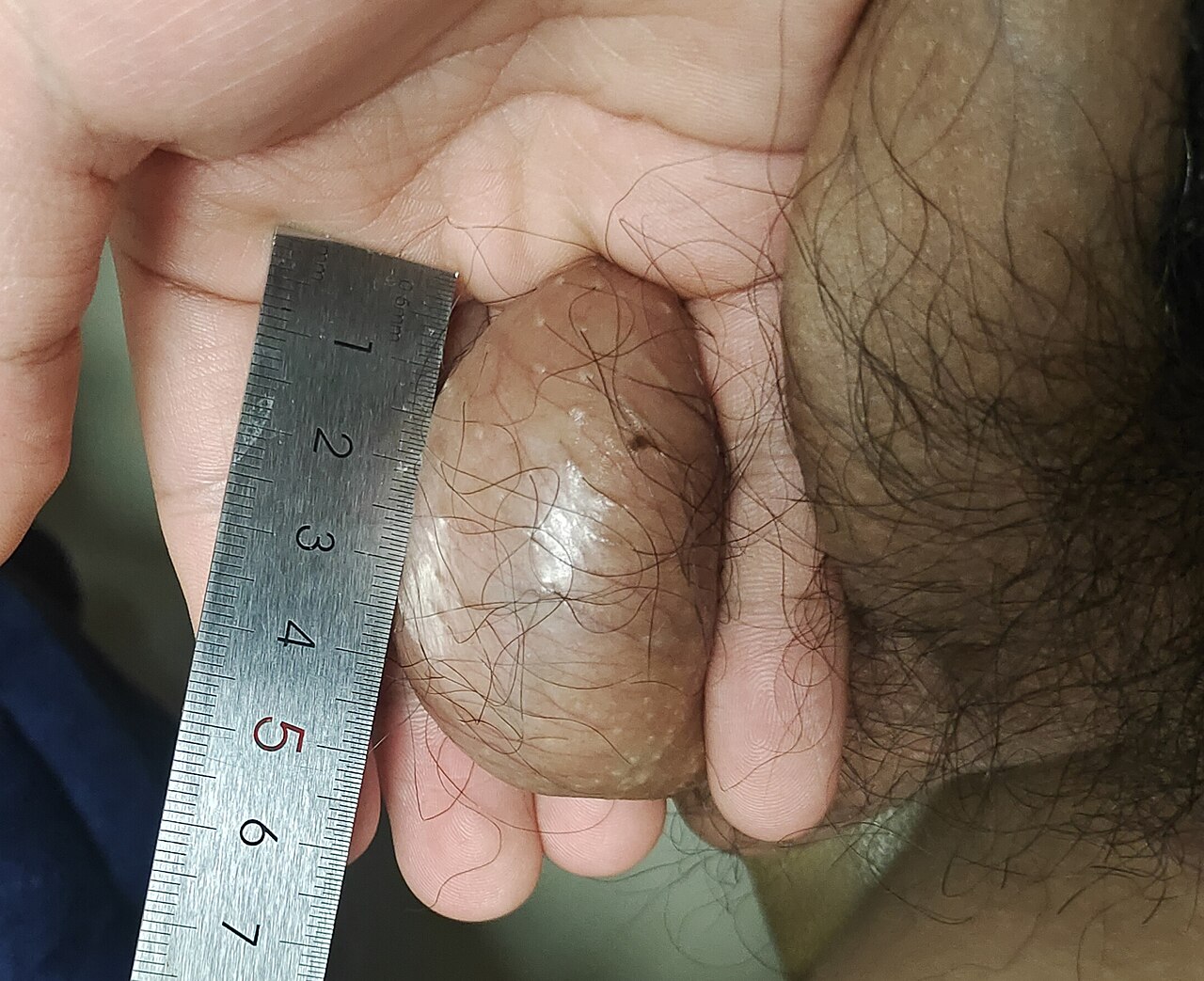
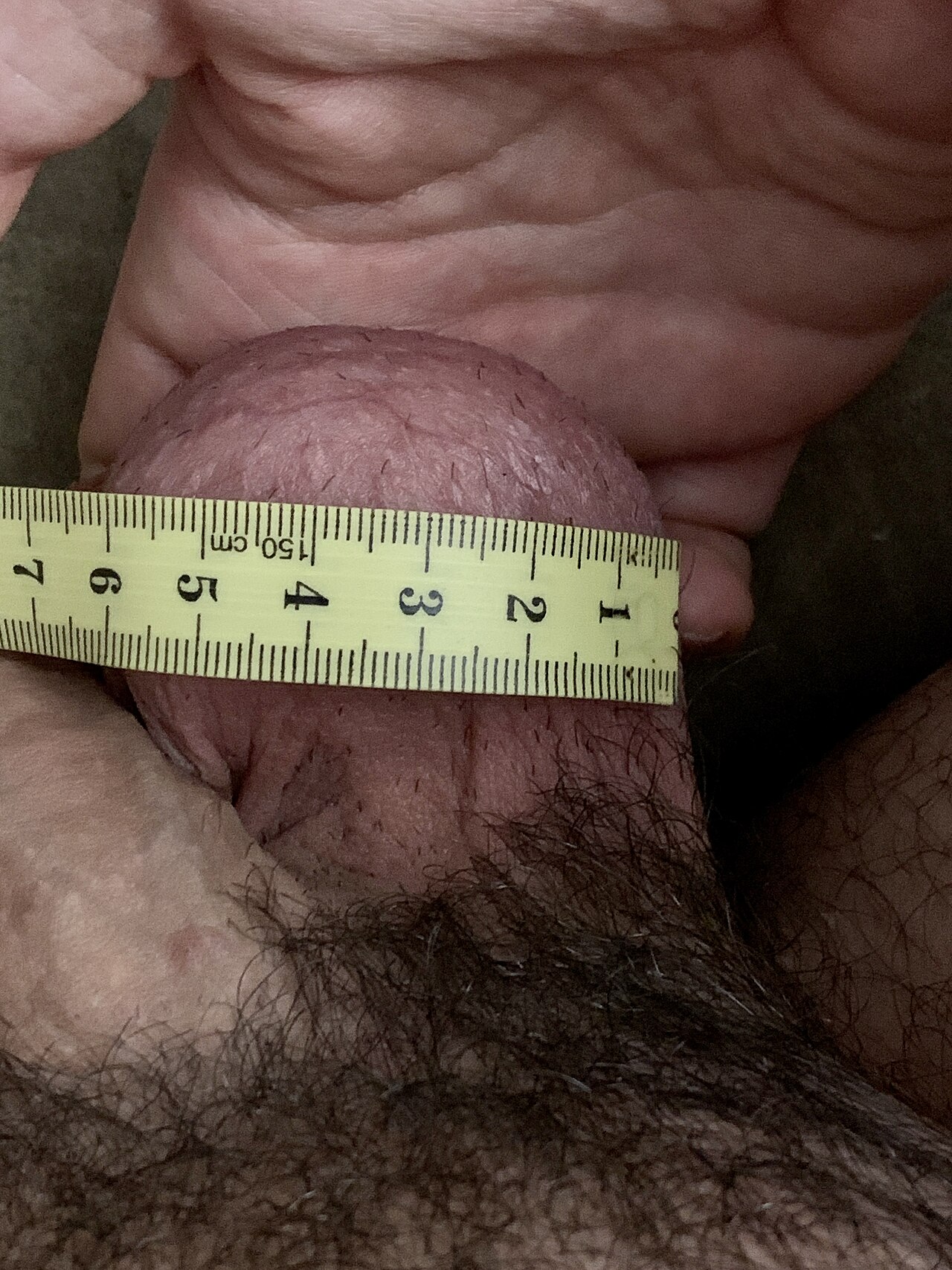
Inside the scrotum, which is an outpouching of the abdominal wall, male humans possess two testes that are roughly equal in size.[1] Per testis, the typical adult volume ranges from 12 to 30 cm³, with a normal range of 15 to 25 cm³ and an average value of 18 cm³.[1] Roughly 20,000 protein-coding genes exist in the human genome, and 80% of those are expressed in the testes of an adult.[6]
What the cited sources add
A 2024 Newsweek article reports that scientists have created tiny artificial testicles called organoids that resemble the tubular structures of a natural testicle.[7] The researchers noted signs of early sperm cell production in these organoids.[7] Nitzan Gonen stated that artificial testicles are a promising model for research on testicle development and function.[7]
Gallery
References
- Wikipedia, "Testicle" (CC BY-SA 4.0), which cites: Steger, "Practical Urology: Essential Principles and Practice", Springer Science & Business Media, 2011, p. 57–59 (original not read by us) en.wikipedia.org
- Wikipedia, "Testicle" (CC BY-SA 4.0), which cites: Cho, "Clinical Regenerative Medicine in Urology", Springer, 2017, p. 281; Cho, "Clinical Regenerative Medicine in Urology", Springer, 2017, p. 281; Cho, "Clinical Regenerative Medicine in Urology", Springer, 2017, p. 281; Pocock, "Human Physiology", Oxford University Press, 2018, p. 766; Pocock, "Human Physiology", Oxford University Press, 2018, p. 766 (original not read by us) en.wikipedia.org
- Wikipedia, "Testicle" (CC BY-SA 4.0), which cites: Bitzer, "Handbook of Contraception and Sexual Reproductive Healthcare", Cambridge University Press, 2022, p. 16 (original not read by us) en.wikipedia.org
- Wikipedia, "Testicle" (CC BY-SA 4.0), which cites: Histology, A Text and Atlas by Michael H. Ross and Wojciech Pawlina, Lippincott Williams & Wilkins, 5th ed, 2006; Miell, "Clinical Biochemistry: Metabolic and Clinical Aspects", Elsevier Health Sciences, 2014, p. 451; Huhtaniemi, "Encyclopedia of Endocrine Diseases", Academic Press, 2018, p. 667; Anderson RA, Sharpe RM, "Regulation of inhibin production in the human male and its clinical applications", Int J Androl, June 2000, p. 136-44; Schlegel, "Urologic Principles and Practice", Springer Nature, 2020, p. 50 (original not read by us) en.wikipedia.org
- Wikipedia, "Testicle" (CC BY-SA 4.0), which cites: Steger, "Practical Urology: Essential Principles and Practice", Springer Science & Business Media, 2011, p. 63; Steger, "Practical Urology: Essential Principles and Practice", Springer Science & Business Media, 2011, p. 63 (we also read that source) en.wikipedia.org
- Wikipedia, "Testicle" (CC BY-SA 4.0), which cites: Uhlén, "Tissue-based map of the human proteome", Science, 2015-01-23; Djureinovic, "The human testis-specific proteome defined by transcriptomics and antibody-based profiling", MHR: Basic Science of Reproductive Medicine, 2014-06-01, p. 476–488; Uhlén, "Tissue-based map of the human proteome", Science, 2015-01-23 (original not read by us) en.wikipedia.org
- Dewan, "Scientists create lab-grown testicles", Newsweek, 2024-02-19. facts only, no text reused. newsweek.com
Each numbered sentence above was checked against the source it cites before publication. Sentences citing Wikipedia adapt text from the English Wikipedia article Testicle (contributors), used under CC BY-SA 4.0; this entry is available under the same licence. Other sources were used for facts only; no text or images are copied from them.
More in Reproduction & Development
Spotted an error? Know more?
Reader corrections go straight into our review queue. Suggest an edit · How this site is sourced