
Tadpole
Larval stage of amphibians, undergoing metamorphosis to adult form.

Brittany Sears · CC BY-SA 4.0
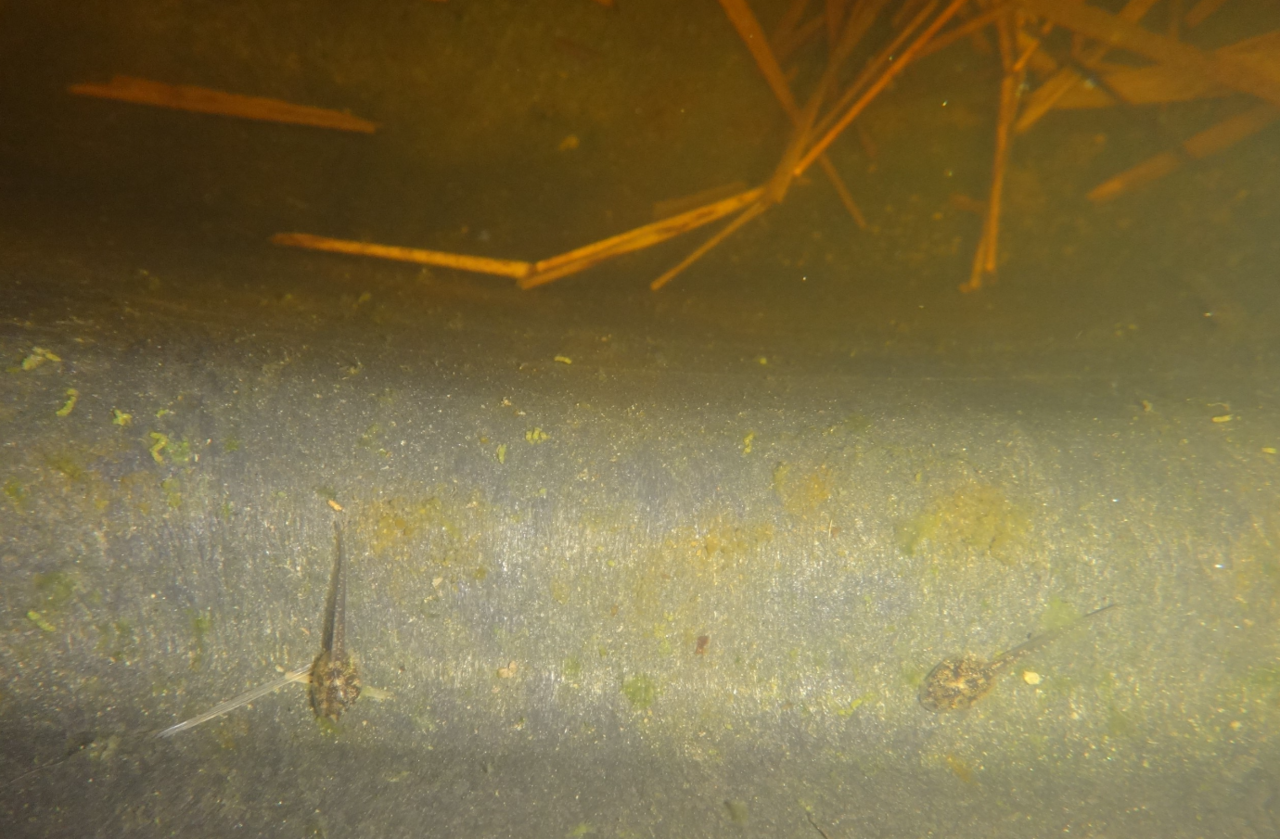
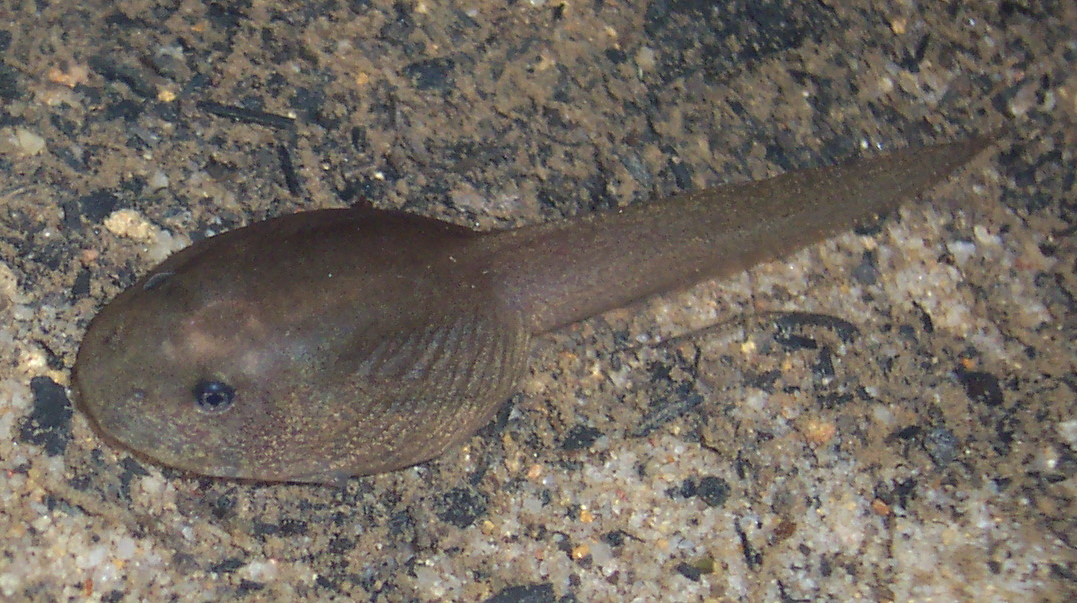
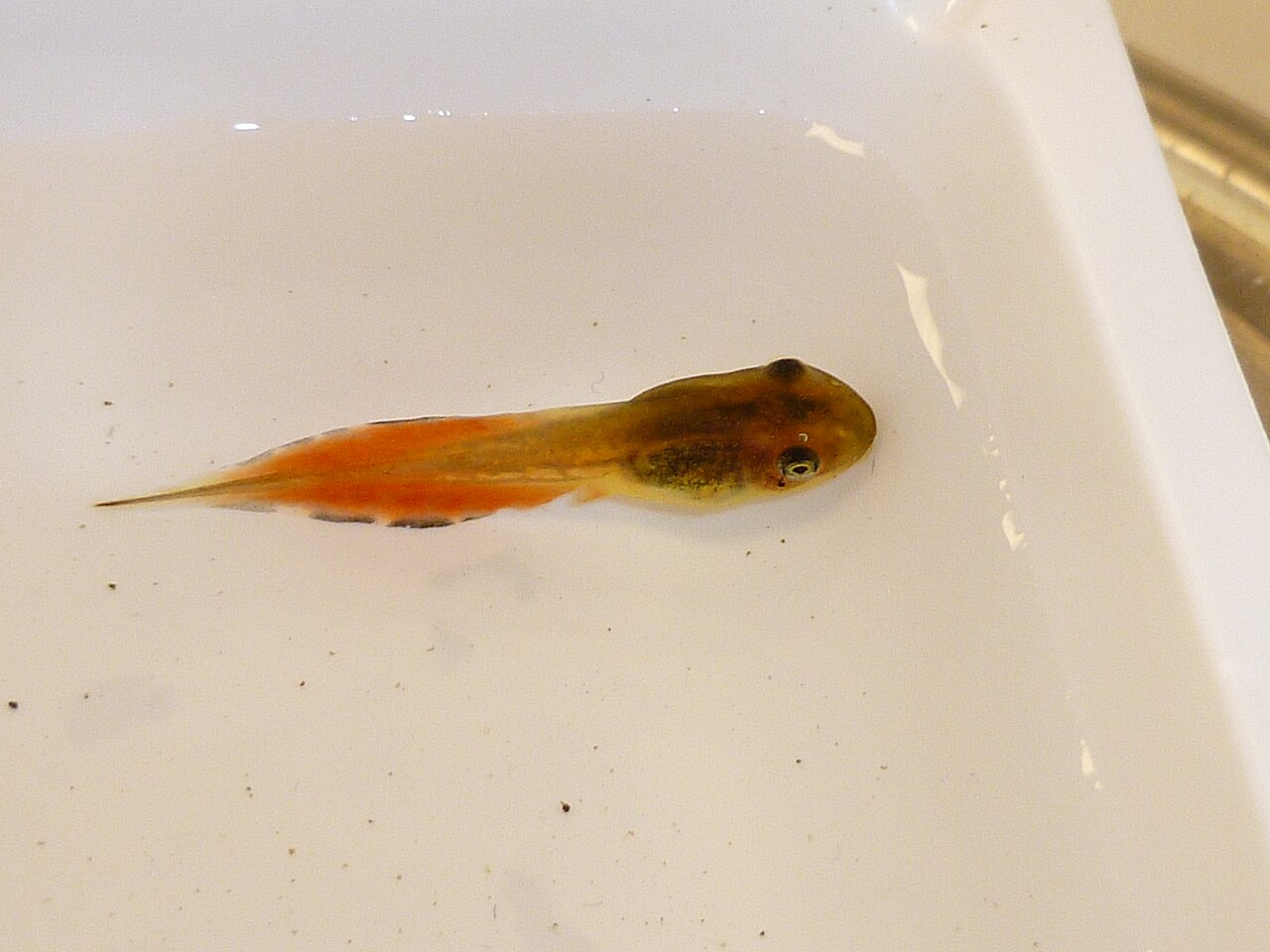
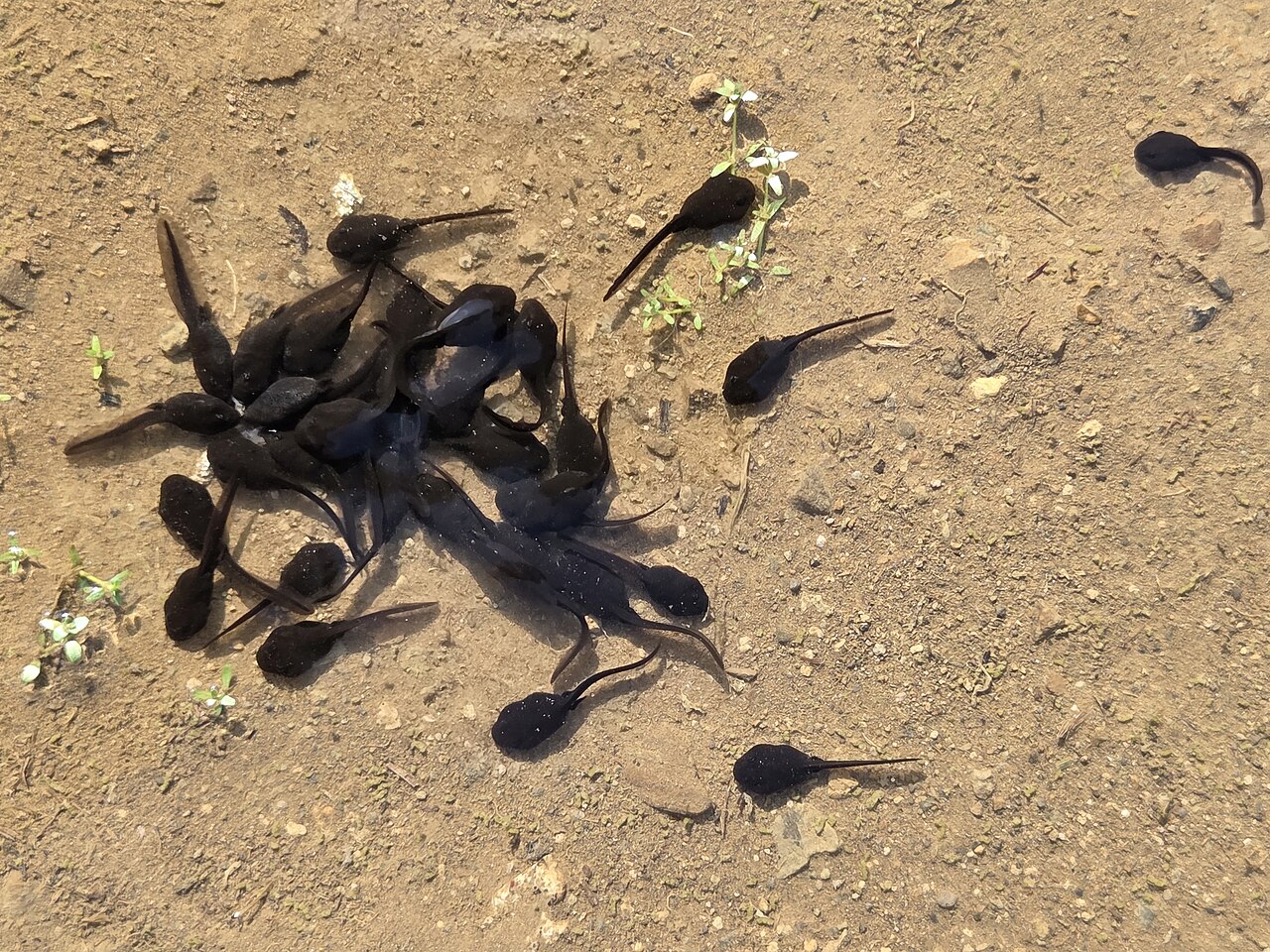
A tadpole—also called a polliwog or porwigle—is the larval form of an amphibian. Most tadpoles live entirely in water, but some amphibian species have tadpoles that live on land. Unlike adult amphibians, tadpoles often have fish-like features such as a lateral line, gills, and a swimming tail. During metamorphosis, they develop lungs for breathing air, and their diet changes dramatically.
Quick Facts
- Field
- Amphibian larval stage
Facts from the source article.
Lore & Background
The life cycle of all amphibians involves a larval stage that is intermediate between embryo and adult. In most cases this larval stage is a limbless free-living organism that has a tail and is referred to as a tadpole, although in a few cases (e.g., in the Breviceps and Probreviceps genera of frogs) direct development occurs in which the larval stage is confined within the egg. Tadpoles of frogs are mostly herbivorous, while tadpoles of salamanders and caecilians are carnivorous. Anuran tadpoles are usually globular, with a laterally compressed tail with which they swim by lateral undulation. When first hatched, anuran tadpoles have external gills that are eventually covered by skin, forming an opercular chamber with internal gills vented by spiracles. Newly hatched tadpoles are also equipped with a cement gland which allows them to attach to objects. The tadpoles have a cartilaginous skeleton and a notochord which eventually develops into a proper spinal cord.
Reader's Guide
Tadpoles represent a critical developmental stage in the life cycle of most amphibians, serving as the intermediate form between embryo and adult. Their significance extends beyond biology into human culture and paleontology. Despite having no hard skeletons, fossil tadpoles have been found dating back to the Middle Jurassic, preserved by biofilms. Tadpoles are eaten as human food in some parts of the world and are mentioned in various folk tales from around the world. In the origin myths of the Wa people in China and Myanmar, the first Wa originated from two female ancestors who spent their early phase as tadpoles in a lake. The name tadpole is from Middle English taddepol, made up of the elements tadde, 'toad', and pol, 'head'. Similarly, polliwog and porwigle are from Middle English polwygle, made up of pol, 'head', and wiglen, 'to wiggle'. Tadpoles vary greatly in size, both during their development and between species, with the tadpoles of the paradoxical frog reaching up to 27 centimetres, the longest of any frog.
Gallery
Frequently Asked Questions
What is a tadpole in the context of amphibian development?
A tadpole, sometimes called a polliwog or porwigle, is the larval stage that sits between the embryo and the adult form in an amphibian's life cycle. It represents the first free-living phase after hatching and is the stage during which the organism prepares for its major body reorganization.
How does a tadpole transition into an adult amphibian?
During metamorphosis the larva grows functional lungs so it can breathe air, reshapes its skeleton and limbs, and reorganizes its digestive tract. The tail is gradually resorbed as the animal shifts from an aquatic, filter-feeding lifestyle to a terrestrial, often carnivorous one.
More in Reproduction & Development
Spotted an error? Know more?
Reader corrections go straight into our review queue. Suggest an edit · How this site is sourced