Sexual dimorphism
Condition where sexes differ in morphology beyond reproduction.

Heidi Hopkins · CC BY 4.0
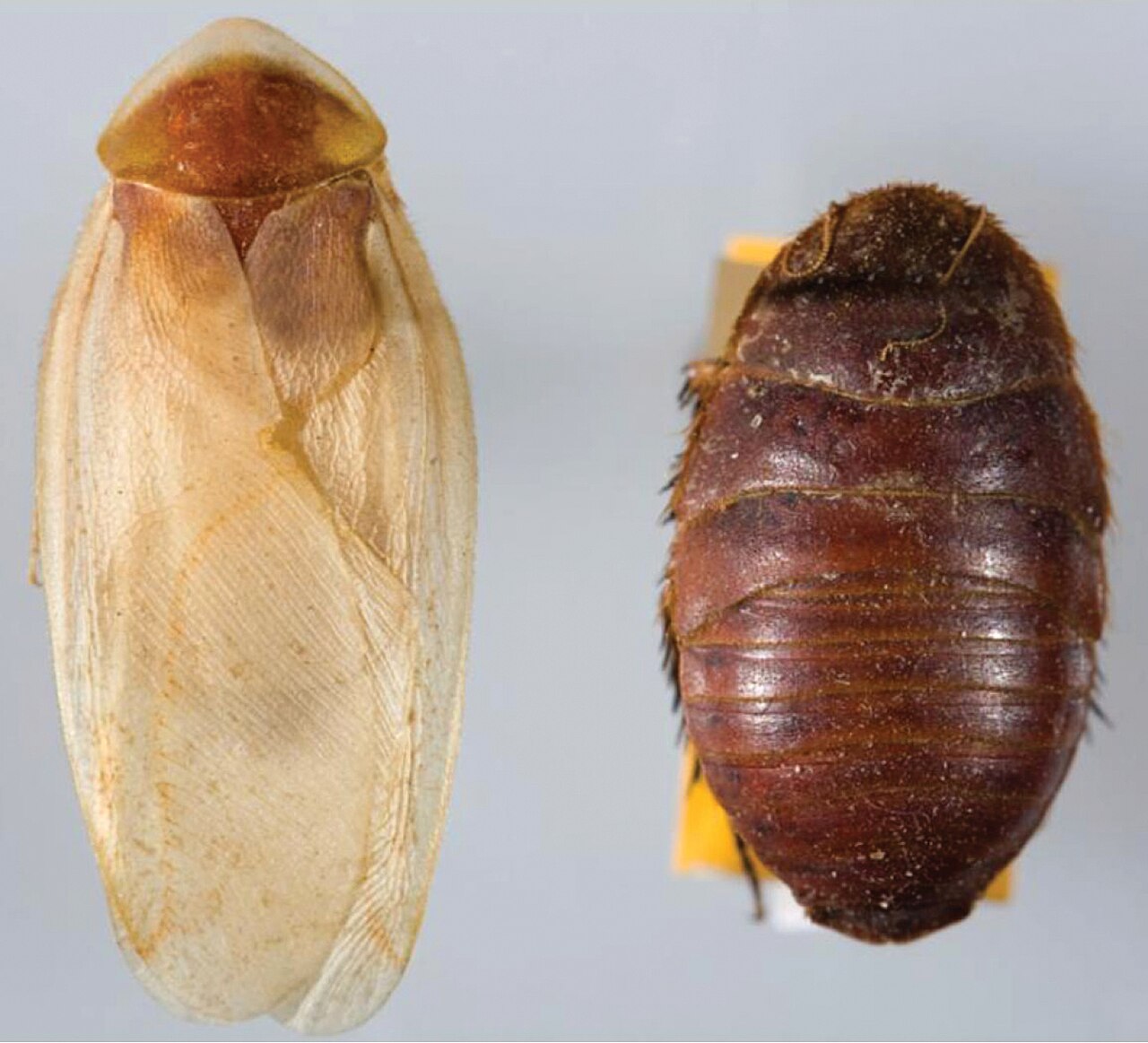
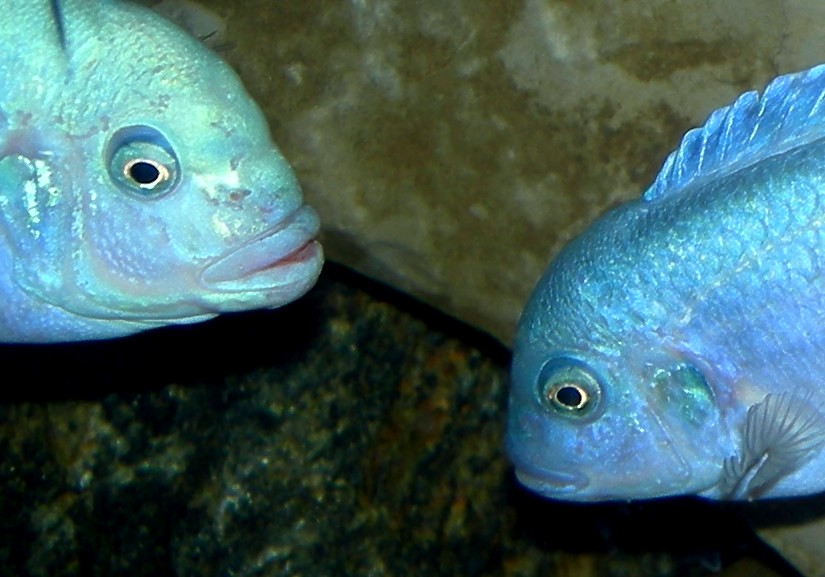
Sexual dimorphism is the condition where different sexes of the same species exhibit different morphological characteristics not directly involved in reproduction.[1] When the two biological sexes cannot be told apart by their physical appearance, the condition is termed monomorphism.[2]
Quick Facts
- Field
- Biology, evolutionary biology
- Types
- Ornamentation
- coloration
- size
- behavioral traits
- Opposite
- Monomorphism
Facts from the source article.
Key facts and history
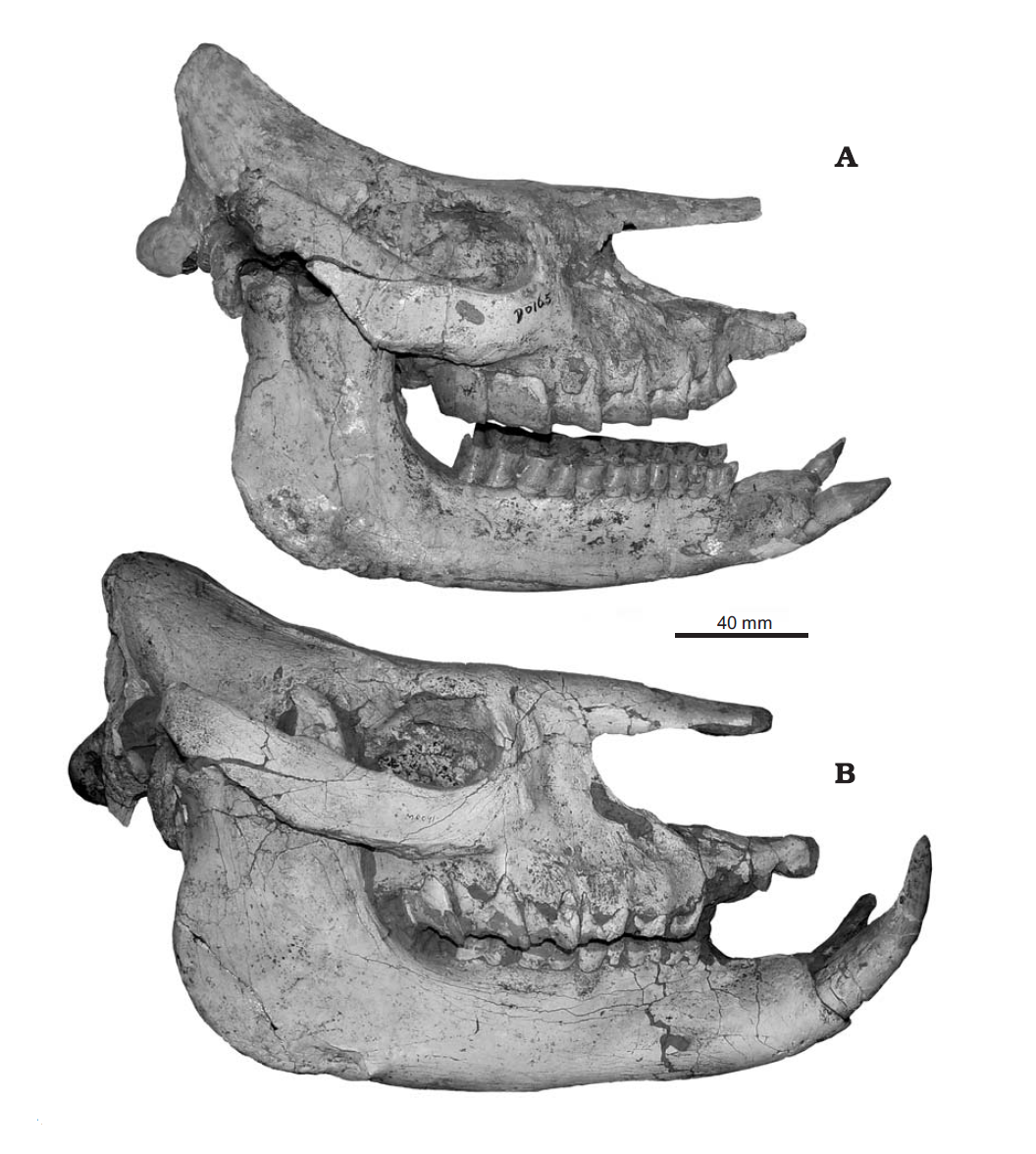
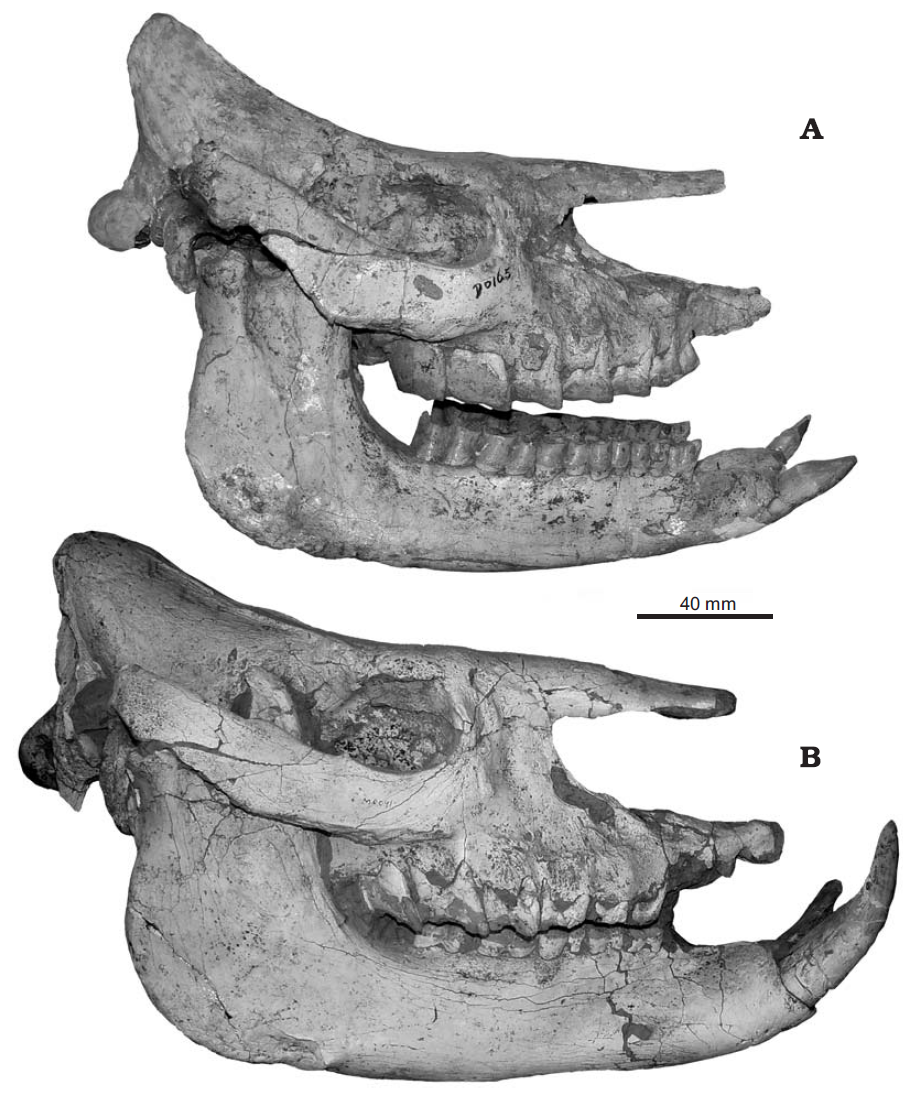
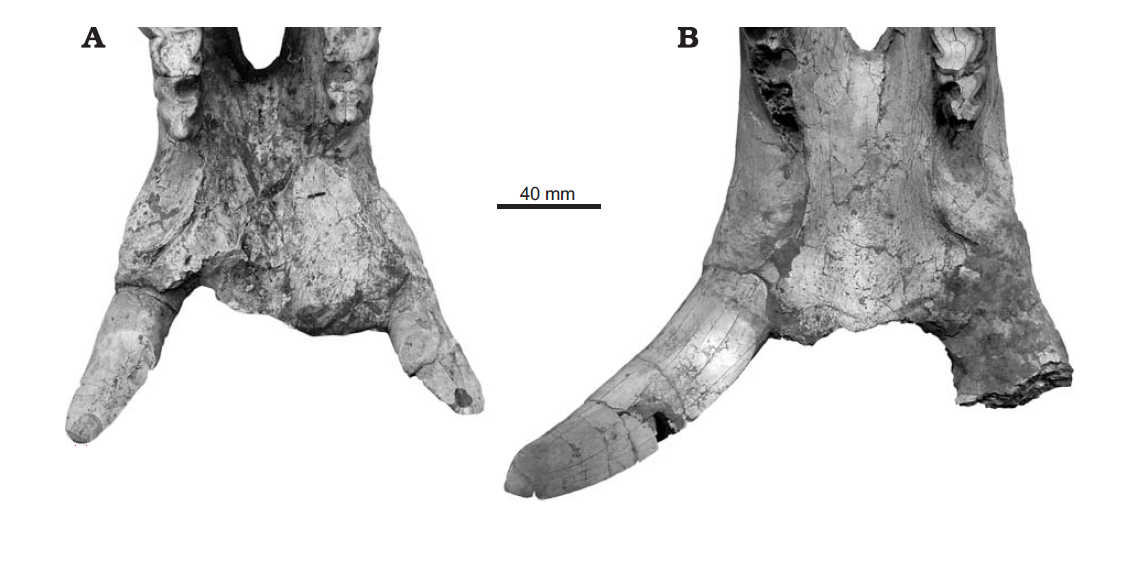
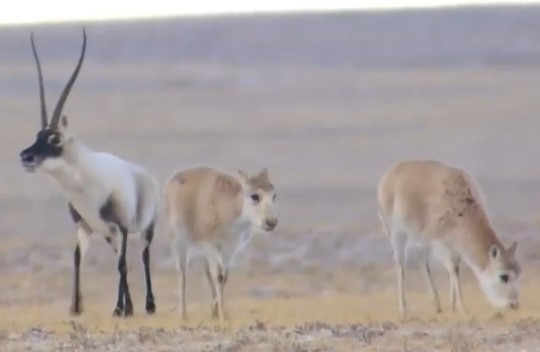
Competition among males for reproduction has generated a wide variety of traits that differ between the sexes.[3] Weapons used in fights between competitors include "battle" teeth and blunt heads that function like battering rams.[3] When females are larger or possess more ornamentation than males, this is known as reversed sexual dimorphism (RSD).[4] Raptors, spiders, the leopard seal, and certain waders are notable examples of species that exhibit RSD.[4]
Sexual dichromatism describes a difference in coloration between the sexes, a phenomenon frequently observed in birds and reptiles.[5] Peafowl serve as a clear example of this principle.[6] During courtship, the elaborate feathers of peacocks serve to attract peahens.[6] About 6% of flowering plant species have separate male and female individuals, while the majority are hermaphroditic.[7]
What the cited sources add
The National Geographic Society account notes that birds-of-paradise show high levels of sexual dimorphism, with large differences between males and females of a given species.[8] Darwin's theory of sexual selection explains that traits can evolve if they improve an individual's ability to attract mates, even if detrimental to survival.[8] The HawkWatch International account states that biologists have put forth more than 20 possible explanations for Reverse Size Dimorphism.[9] Some biologists propose that smaller males may be more attractive for their increased agility during courtship displays, which is the leading explanation for RSD in shorebirds.[9]
The BBC News article reports that across 13 spider species showing extreme dimorphism and using bridging, smaller males attempted it more often and were more successful.[10] The Mid-Atlantic Apiculture Research and Extension Consortium describes that in honeybees, the queen's body is normally much longer than either the drone's or worker's, especially during the egg-laying period.[11]
Gallery
References
- Wikipedia, "Sexual dimorphism" (CC BY-SA 4.0), which cites: "Encyclopedia of Animal Behaviour", Academic Press, 21 January 2019, p. 7 (original not read by us) en.wikipedia.org
- Wikipedia, "Sexual dimorphism" (CC BY-SA 4.0), which cites: "Dictionary of Human Evolution and Biology", Human-biology.key-spot.ru (original not read by us) en.wikipedia.org
- Wikipedia, "Sexual dimorphism" (CC BY-SA 4.0), which cites: Ralls, "Encyclopedia of Marine Mammals", 2009, p. 1005–1011 (we also read that source) en.wikipedia.org
- Wikipedia, "Sexual dimorphism" (CC BY-SA 4.0), which cites: "Why Are Female Raptors Bigger Than Males? Understanding Reverse Sexual Dimorphism (RSD)", HawkWatch International; "Spider size is a question of gravity", BBC News, 2010-08-03; Giroux, "Sexing a sex-role-reversed species based on plumage: potential challenges in the red phalarope", PeerJ, May 2, 2016; "Wilson's Phalarope: The Rebel", Audubon, 2015-09-18 (we also read that source) en.wikipedia.org
- Wikipedia, "Sexual dimorphism" (CC BY-SA 4.0), which cites: "Quantifying avian sexual dichromatism: a comparison of methods", The Journal of Experimental Biology, August 2008, p. 2423–30; ; "Mate selection-a selection for a handicap", Journal of Theoretical Biology, September 1975, p. 205–14 (original not read by us) en.wikipedia.org
- Wikipedia, "Sexual dimorphism" (CC BY-SA 4.0), which cites: "Coloration strategies in peacock feathers", Proceedings of the National Academy of Sciences of the United States of America, October 2003, p. 12576–8; "Coloration strategies in peacock feathers", Proceedings of the National Academy of Sciences of the United States of America, October 2003, p. 12576–8; "Birds-of-Paradise: Beauty Kings", National Geographic Society, 19 October 2023; "Great Argus", www.bukitlawang.com (we also read that source) en.wikipedia.org
- Wikipedia, "Sexual dimorphism" (CC BY-SA 4.0), which cites: "Dioecy and its correlates in the flowering plants", American Journal of Botany, 1995, p. 596–606; "Progress in Botany / Fortschritte der Botanik: Structural Botany Physiology Genetics Taxonomy Geobotany / Struktur Physiologie Genetik Systematik Geobotanik", Springer Science & Business Media, 6 December 2012; "Reproductive Biology of Plants", CRC Press, 19 April 2016 (original not read by us) en.wikipedia.org
- "Birds-of-Paradise: Beauty Kings", National Geographic Society, 19 October 2023. facts only, no text reused. education.nationalgeographic.org
- "Why Are Female Raptors Bigger Than Males? Understanding Reverse Sexual Dimorphism (RSD)", HawkWatch International. facts only, no text reused. hawkwatch.org
- "Spider size is a question of gravity", BBC News, 2010-08-03. facts only, no text reused. bbc.co.uk
- "The Colony and Its Organization", Mid-Atlantic Apiculture Research and Extension Consortium. facts only, no text reused. canr.udel.edu
Each numbered sentence above was checked against the source it cites before publication. Sentences citing Wikipedia adapt text from the English Wikipedia article Sexual dimorphism (contributors), used under CC BY-SA 4.0; this entry is available under the same licence. Other sources were used for facts only; no text or images are copied from them.
More in Reproduction & Development
Spotted an error? Know more?
Reader corrections go straight into our review queue. Suggest an edit · How this site is sourced