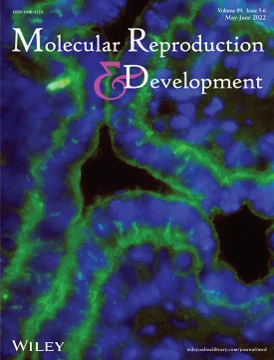
Reproduction
Biological process producing offspring from parent or parents.

MAKY.OREL · CC BY 4.0
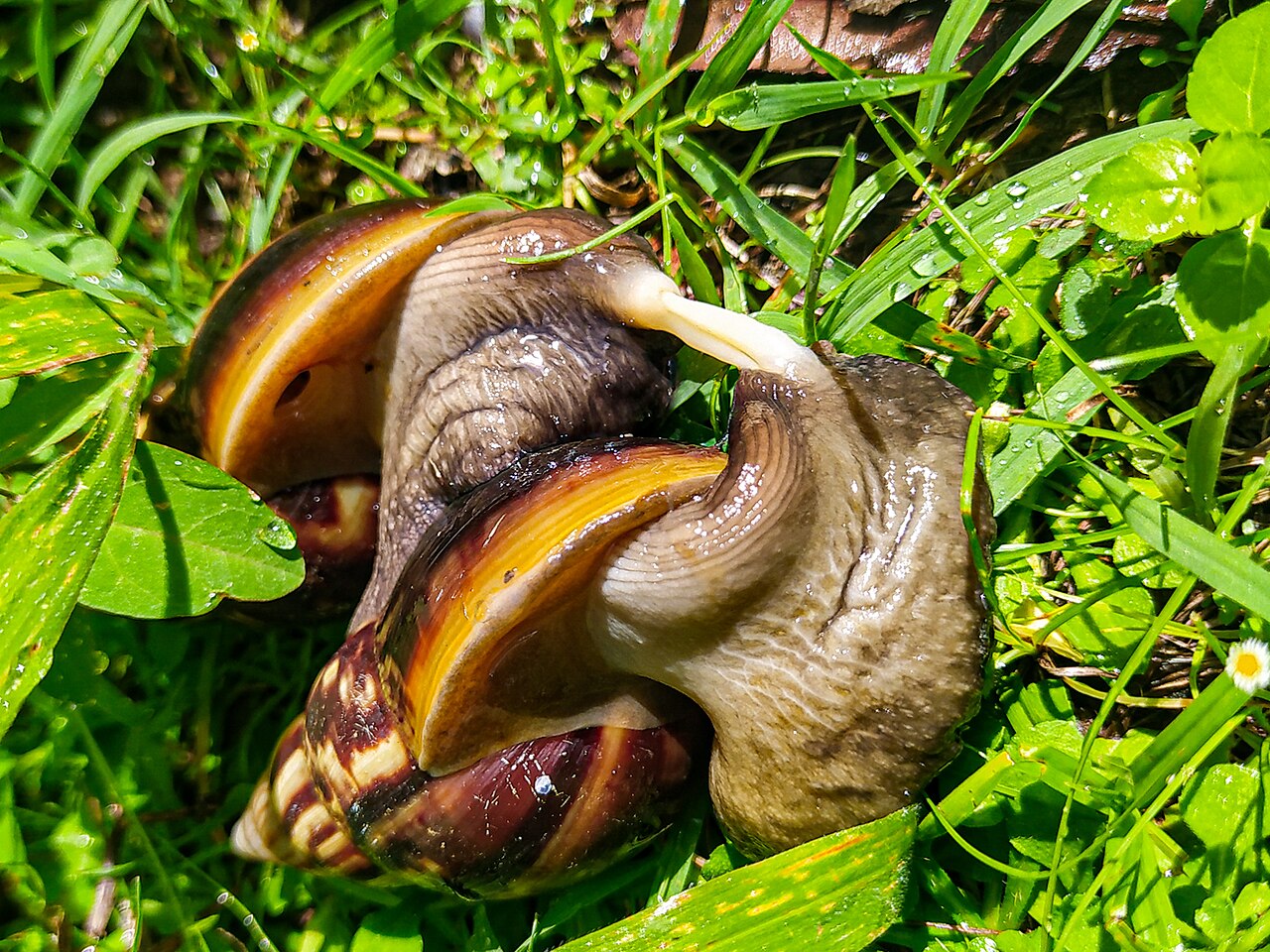
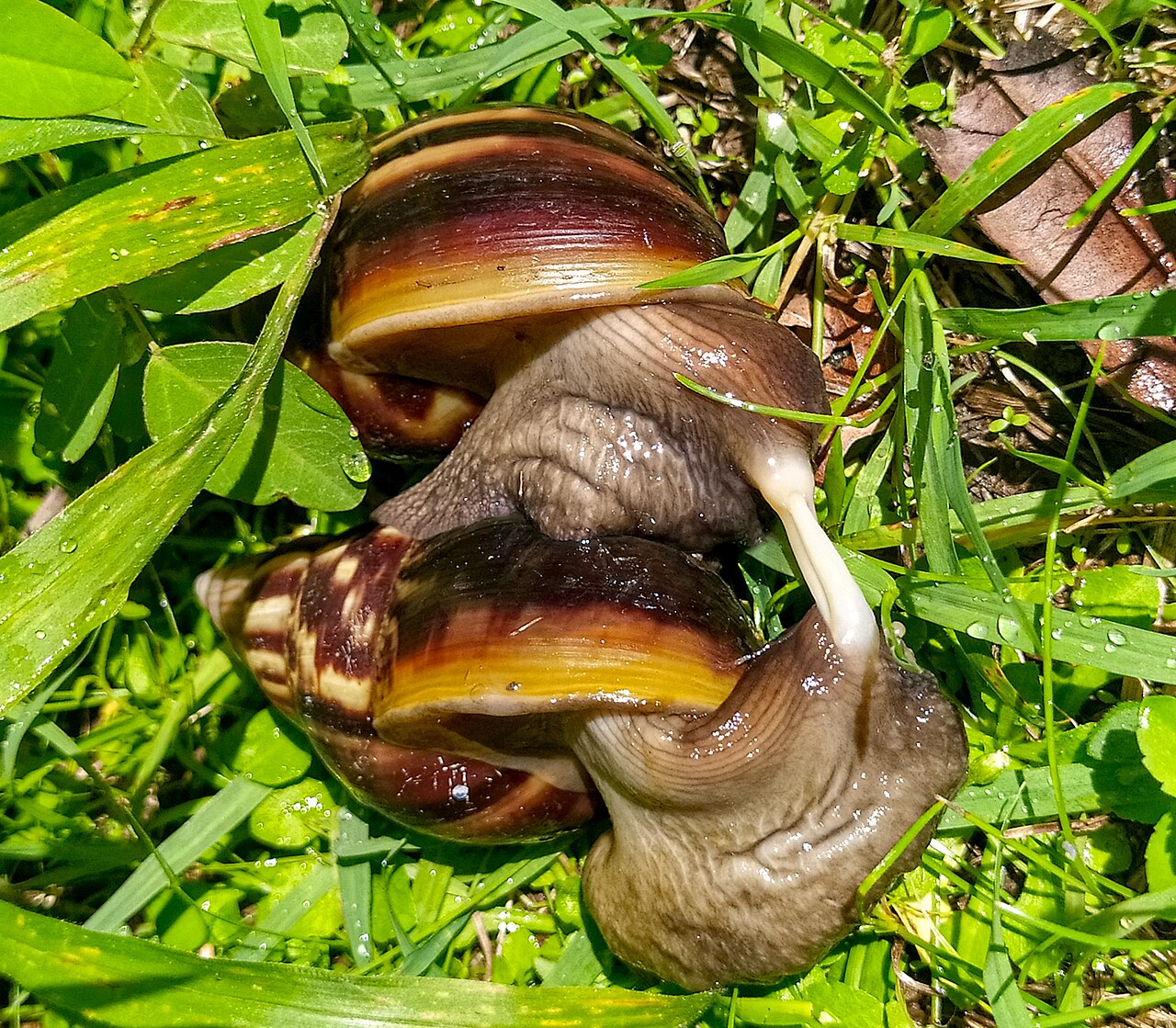
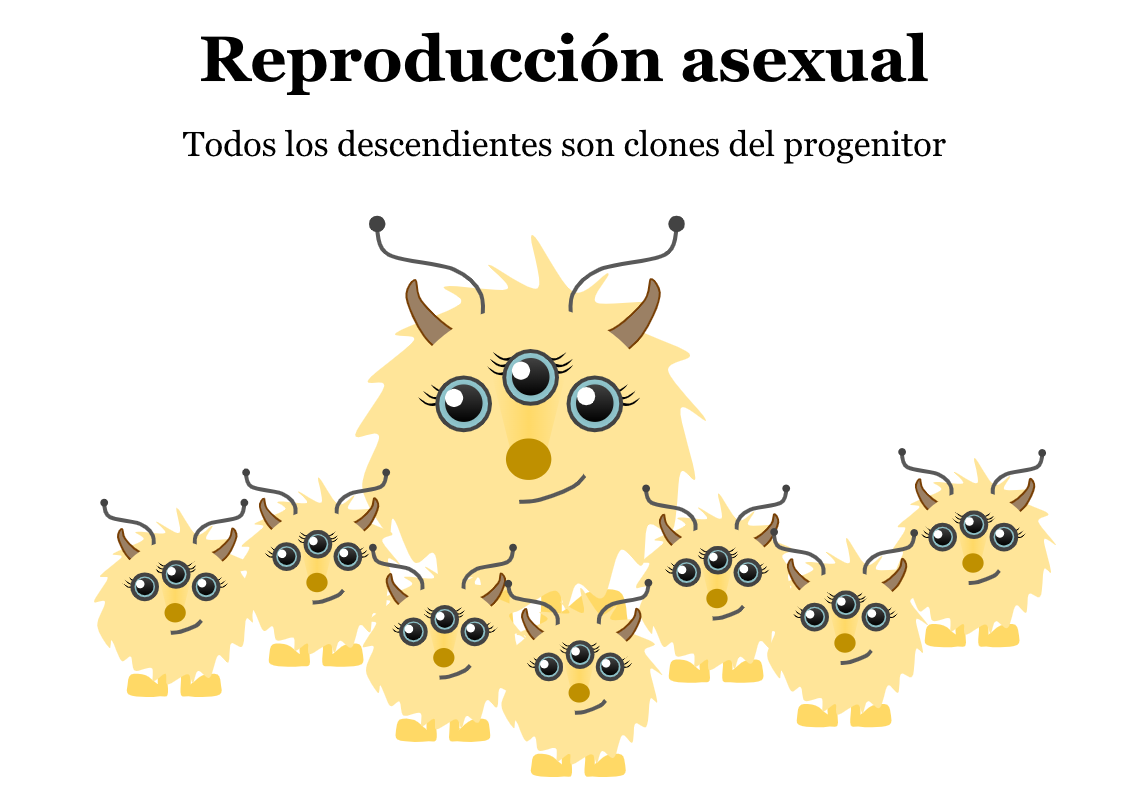
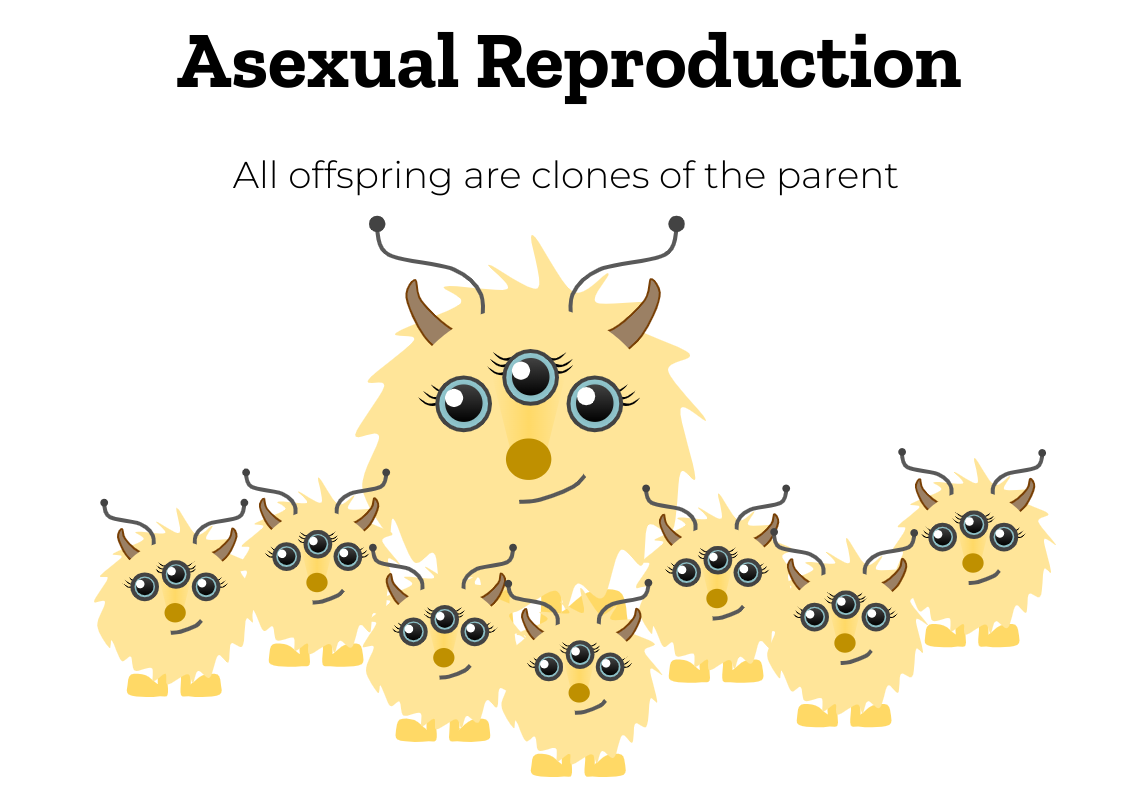
Sexual reproduction combines genetic material from two organisms through meiosis to create offspring.[1] Organisms create new individuals through two primary biological pathways: one that involves a partner and one that does not.[2][1] When an organism reproduces without genetic input from another, the resulting offspring are genetically similar or identical to the parent.[2]
Quick Facts
- Forms
- asexual and sexual
- Asexual methods
- binary fission
- budding
- parthenogenesis
- fragmentation
- spore formation
- Sexual gametes
- sperm and egg (or microspores and megaspores)
- Cell division types
- mitosis (somatic cells) and meiosis (gametes)
- Key puzzle
- evolution of sexual reproduction and its two-fold cost
Facts from the source article.
Key facts and history
Parthenogenesis allows embryo or seed development without fertilization and occurs naturally in some plants, invertebrates, and vertebrates.[3] Many organisms, including aphids and sea anemones, can reproduce both sexually and asexually depending on environmental conditions.[4] When conditions are favorable, asexual reproduction allows populations to increase exponentially.[4] When conditions become hostile, these organisms switch to sexual reproduction to mix the gene pool.[4]
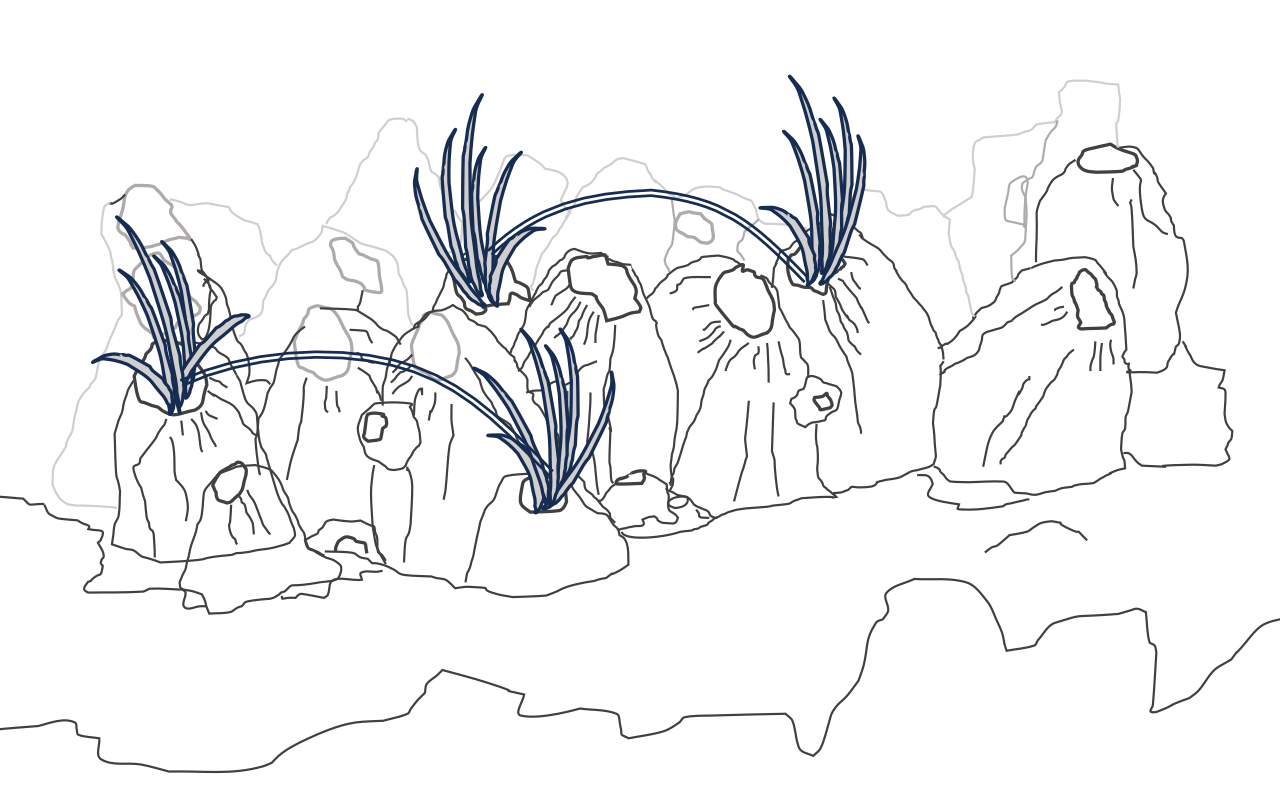
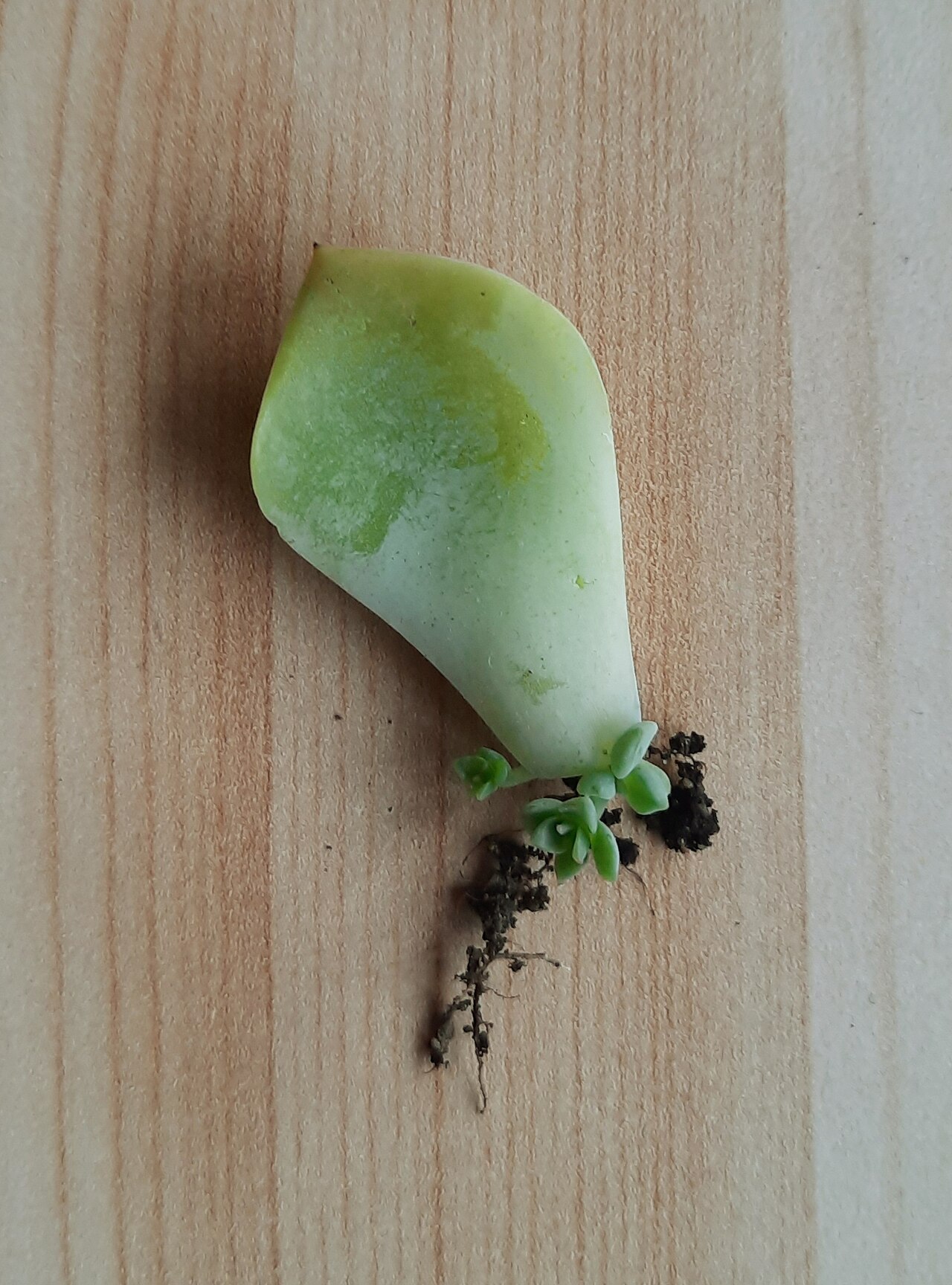
Binary fission in bacteria, budding in Hydras and yeasts, parthenogenesis, fragmentation, and spore formation are all methods of asexual reproduction.[5][3] In anisogamous species, the two sexes are called male and female.[6]
What the cited sources add
The Biology Online account defines allogamy as cross-fertilization where a flower's ovum is fertilized by spermatozoa from another flower's pollen.[7] A 2010 Science Daily report describes researchers using stem cell technology to produce mice from two fathers, combining alleles from two males.[8] The same report notes this technique could be applied to agriculturally important animals to combine desirable traits from two males.[8] A 2023 Guardian article states scientists created mice with two biological fathers by generating eggs from male cells.[9]
Gallery
References
- Wikipedia, "Reproduction" (CC BY-SA 4.0), which cites: Griswold, "Brenner's Encyclopedia of Genetics", 2013, p. 338–341 (we also read that source) en.wikipedia.org
- Wikipedia, "Reproduction" (CC BY-SA 4.0), which cites: Ridley M (2004) Evolution, 3rd edition. Blackwell Publishing, p. 314.; John Maynard Smith The Evolution of Sex 1978. (original not read by us) en.wikipedia.org
- Wikipedia, "Reproduction" (CC BY-SA 4.0), which cites: "Reptiles & Amphibians", Torstar Books, 1986, p. 101; Eilperin, "Female Sharks Can Reproduce Alone, Researchers Find", The Washington Post, 2007-05-23; Savage, "A Guide to the Recognition of Parthenogenesis in Incubated Turkey Eggs", Oregon State University, September 12, 2005 (we also read that source) en.wikipedia.org
- Wikipedia, "Reproduction" (CC BY-SA 4.0), which cites: Yan, "Reproductive polyphenism and its advantages in aphids: Switching between sexual and asexual reproduction", Journal of Integrative Agriculture, June 2020, p. 1447–1457 (original not read by us) en.wikipedia.org
- Wikipedia, "Reproduction" (CC BY-SA 4.0), which cites: "Asexual reproduction Zoology Research Starters EBSCO Research", EBSCO (original not read by us) en.wikipedia.org
- Wikipedia, "Reproduction" (CC BY-SA 4.0), which cites: "Anisogamy", Springer International Publishing, 2019, p. 1–5; Lehtonen, "What do isogamous organisms teach us about sex and the two sexes?", Philosophical Transactions of the Royal Society B: Biological Sciences, 2016-10-19 (original not read by us) en.wikipedia.org
- "Allogamy", Biology Online, 7 October 2019. facts only, no text reused. biologyonline.com
- "Viable female and male mice from two fathers produced using stem cell technology", Science Daily, 9 December 2010. facts only, no text reused. sciencedaily.com
- "Scientists create mice with two fathers after making eggs from male cells", The Guardian, 8 March 2023. facts only, no text reused. theguardian.com
Each numbered sentence above was checked against the source it cites before publication. Sentences citing Wikipedia adapt text from the English Wikipedia article Reproduction (contributors), used under CC BY-SA 4.0; this entry is available under the same licence. Other sources were used for facts only; no text or images are copied from them.
More in Reproduction & Development
Spotted an error? Know more?
Reader corrections go straight into our review queue. Suggest an edit · How this site is sourced