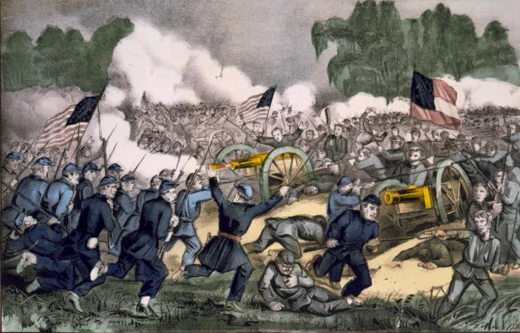
John Brown's raid on Harpers Ferry
Abolitionist whose raid on Harpers Ferry preceded the Civil War.

Wikipedia / Wikimedia Commons
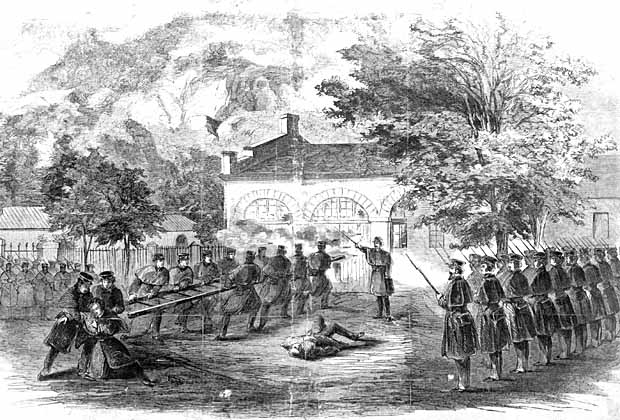
John Brown, a white American abolitionist, led a small group in seizing a federal armory at Harpers Ferry, Virginia, from October 16 to 18, 1859. His goal was to spark a slave uprising across the South. The event is often named as a key trigger for the American Civil War.
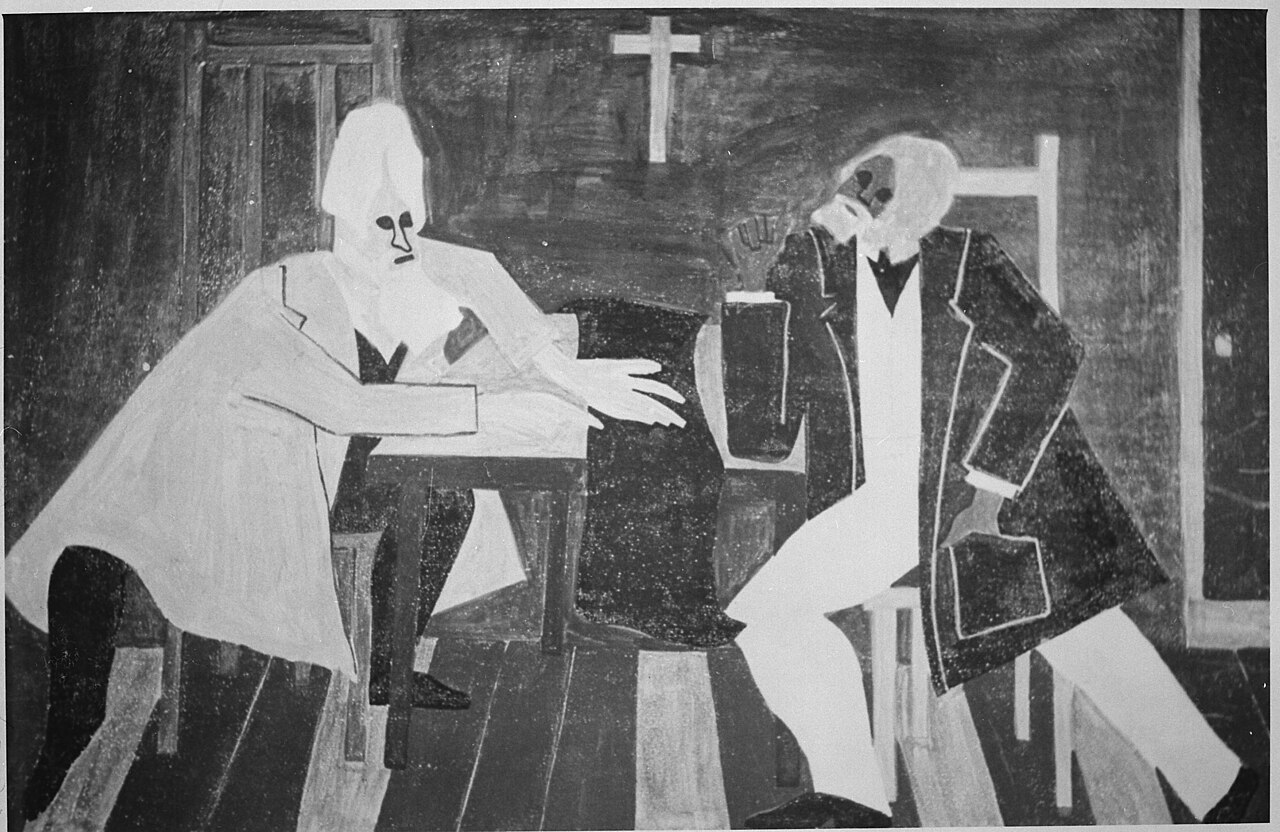
Brown’s force of 22 men—16 white and five Black—was crushed by a detachment of U.S. Marines under First Lieutenant Israel Greene. Ten raiders died in the fighting, seven were convicted and hanged afterward, and five got away. Several figures present would later become Civil War icons: Colonel Robert E. Lee commanded the operation to retake the arsenal; Jeb Stuart helped guard the captured Brown; and John Wilkes Booth watched Brown’s execution. Brown had asked Harriet Tubman and Frederick Douglass to join him, having met both during his years as an abolitionist (though the meeting with Tubman likely occurred elsewhere, not in Springfield, Massachusetts). Tubman was too ill to come; Douglass refused, calling the plan suicidal.
The raid was the first national crisis covered via the new electrical telegraph. Reporters boarded the first train out for Harpers Ferry after news broke at 4 p.m. on Monday, October 17. That train carried Maryland militia and stopped on the Maryland side of the bridge, three miles east of town at Sandy Hook. Since few official messages were sent, the telegraph itself arrived on the next train, was reconnected to wires cut during the raid, and was “given up to reporters,” who were “in force strong as military.” By Tuesday morning the line was fixed, and correspondents from *The New York Times* and other distant papers were filing stories.
The raid stirred intense fear and excitement. The South saw it as a direct threat to slavery and their way of life; many in the North viewed it as bold abolitionism. Initially, it was widely dismissed as the work of a mad fanatic. But Brown’s own words and letters during his trial—*Virginia v. John Brown*—along with writings from supporters like Henry David Thoreau, transformed him into a Union hero and icon.
**Etymology** The word “raid” wasn’t used at the time. A month later, a Baltimore newspaper listed 26 terms for the event, including “insurrection,” “rebellion,” “treason,” and “crusade.” “Raid” was not among them.
Quick Facts
- Conflict
- John Brown's raid on Harpers Ferry
- Part Of
- the prelude to the American Civil War
- Date
- October 16–18, 1859
- Location
- Harpers Ferry, Virginia, US / (now West Virginia)
- Result
- Government victory
Facts from the source article.
Lore & Background
John Brown rented the Kennedy Farmhouse in Maryland, living under the name Isaac Smith, and gathered a group of 21 men (16 white, five Black). He ordered 950 pikes from a Connecticut blacksmith for use by untrained Black men, though they were never used. Brown attempted to recruit Frederick Douglass and Harriet Tubman; Douglass declined, calling the plan suicidal, while Tubman was prevented by illness (the meeting with Tubman likely occurred somewhere other than Springfield, Massachusetts). Brown's raid was extensively covered in the press, using the new electrical telegraph, and reporters arrived by train on October 17.
Reader's Guide
John Brown's raid on Harpers Ferry caused great excitement and anxiety throughout the United States. The South saw it as a threat to slavery and their way of life, while some in the North perceived it as a bold abolitionist action. Initially viewed as madness, Brown's words and letters after the raid and at his trial—aided by writings of supporters like Henry David Thoreau—turned him into a hero and icon for the Union. The raid is frequently cited as one of the primary causes of the American Civil War. Several figures present at the raid or its aftermath later became prominent in the Civil War, including Robert E. Lee, Stonewall Jackson, Jeb Stuart, and John Wilkes Booth.
Did You Know?
- The label 'raid' was not used at the time; a Baltimore newspaper listed 26 terms including 'insurrection' and 'rebellion', but not 'raid'.
- John Brown had originally asked Harriet Tubman and Frederick Douglass to join him, though the meeting with Tubman likely happened outside Springfield, Massachusetts.
The Three-Day Assault and Its Toll
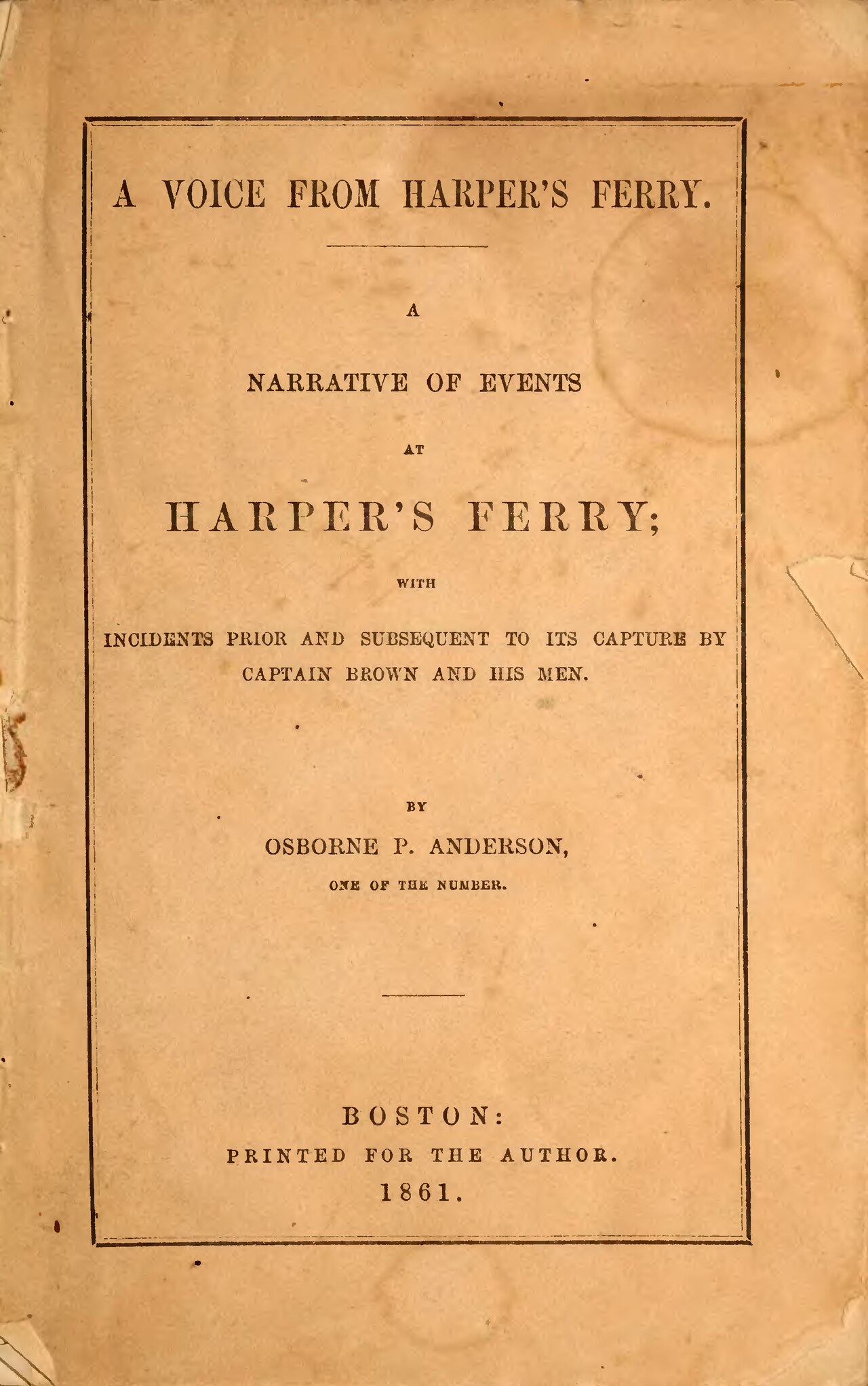
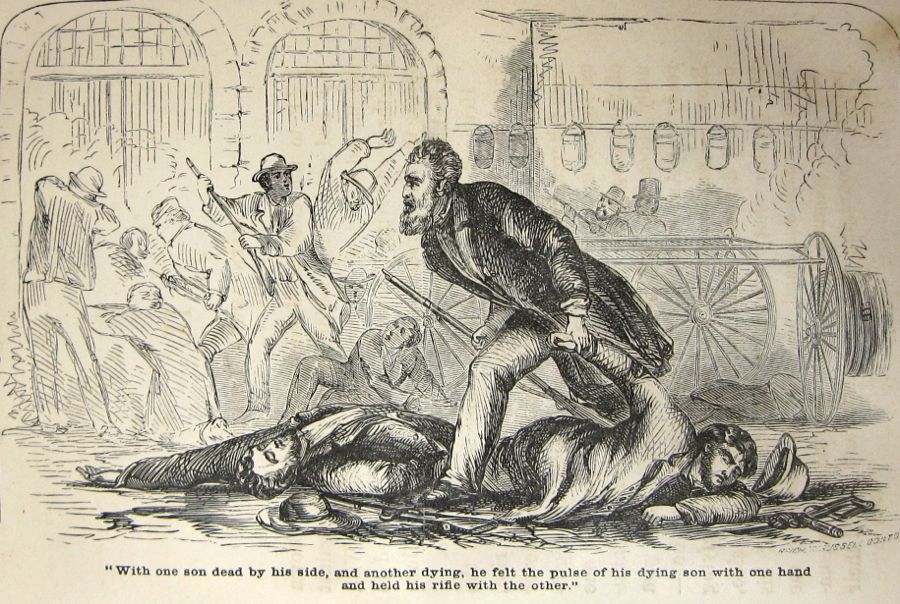
Between October 16 and 18, 1859, a party of twenty-two men led by abolitionist John Brown struck the federal armory at Harpers Ferry, Virginia, hoping to spark a slave uprising across the South. The operation ended in swift defeat. A platoon of U.S. Marines under First Lieutenant Israel Greene overwhelmed the raiders, and ten of the twenty-two were killed during the three days of fighting. Seven more faced trial and execution in the weeks that followed, while five managed to slip away. What makes the episode haunting is the constellation of future Civil War figures who passed through it: Colonel Robert E. Lee commanded the overall retaking of the arsenal, Stonewall Jackson and Jeb Stuart stood guard over the captured Brown, and John Wilkes Booth sat in the crowd watching the execution. In a single October, the men who would later define the war's two sides briefly occupied the same small Virginia town, separated by a few hundred yards and a handful of days.
The Farmhouse Before the Storm
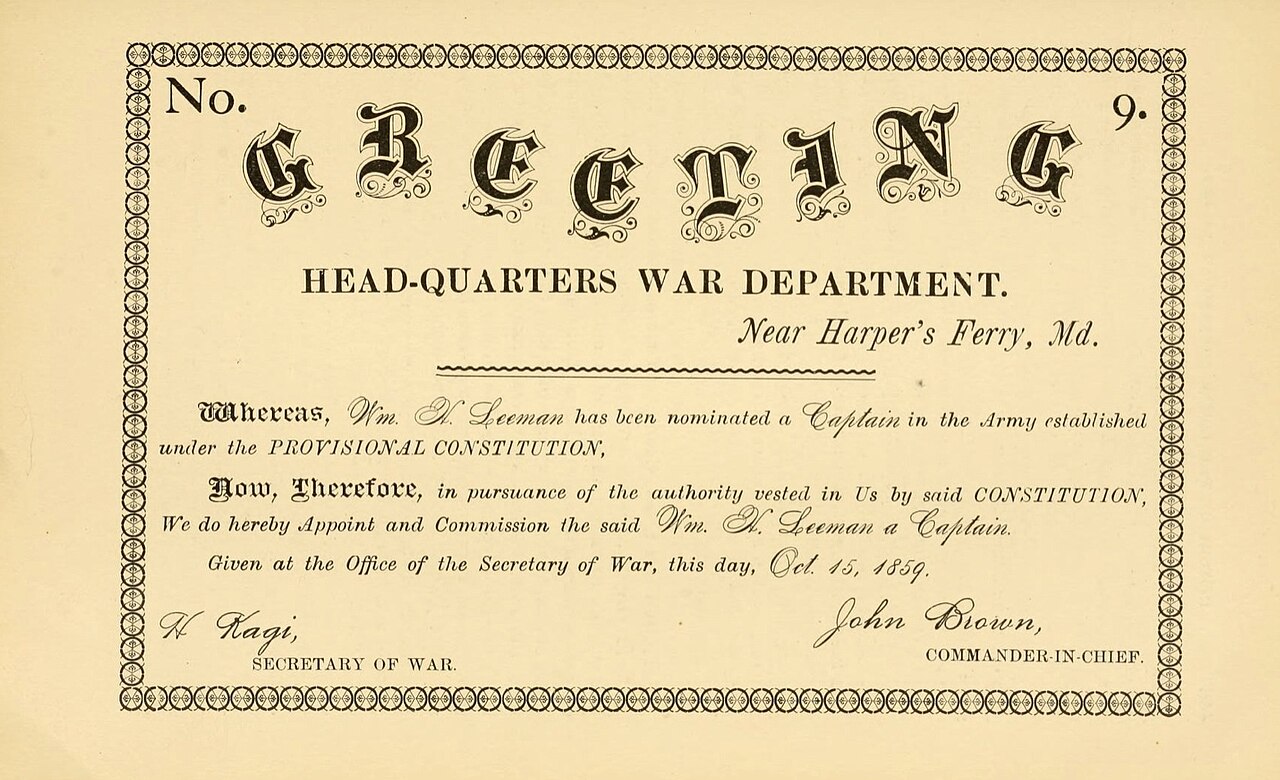
Months before the assault, Brown settled into the Kennedy Farmhouse four miles north of Harpers Ferry, living under the alias Isaac Smith. The property became a cramped compound serving as barracks, mess hall, debate club, and home. His group of twenty-one companions—sixteen white men and five Black men—spent tedious daylight hours indoors, studying Plutarch, drilling, arguing politics, and playing checkers, while Brown's daughter Annie kept lookout and his daughter-in-law Martha cooked. Brown had procured 198 breech-loading Sharps carbines from Northern abolitionist groups and ordered 950 pikes from a Connecticut blacksmith for Black recruits unlikely to handle firearms. To neighbors, the pikes were mining tools; Brown carried parcels of earth home to analyse for minerals, performing the part so well that locals saw him as a man of profound learning. At a meeting in an abandoned quarry near Chambersburg, Pennsylvania, ex-slave Shields Green decided to join the plan, while Frederick Douglass—whom Brown had asked to serve as a liaison—refused, warning that the whole country would turn against them and that no one would survive. Brown acknowledged they stood nine chances to one of being killed, yet insisted there are moments when men accomplish more dead than alive.
The First Telegraph Crisis
The Harpers Ferry attack was the first national crisis in American history to be reported in real time via the electrical telegraph. At 4 p.m. on Monday, October 17, the first train carrying Maryland militia pulled to a stop at Sandy Hook, a hamlet just three miles east of the town on the Maryland side of the bridge. Because the telegraph wires had been cut at the raid's start and few official messages were in transit, the telegraph equipment itself was carried aboard that same train. Once the line was restored by Tuesday morning, the wires were essentially handed over to the press. Reporters from The New York Times and other distant papers descended on the scene in numbers described as "strong as military." A month later, a Baltimore newspaper catalogued twenty-six different labels the public had applied to the event—insurrection, rebellion, treason, crusade—yet the word "raid" was not among them. The South read the episode as an existential threat to slavery and their way of life; some Northerners saw a bold abolitionist gesture. Initially, most Americans simply called it the work of a madman.
From Fanatic to Icon
What transformed Brown from a figure of national ridicule into a martyr for the Union was not the raid itself but the words he spoke afterward. During his trial—Virginia v. John Brown—and in letters written from his cell, Brown articulated a moral vision that, aided by the writings of supporters like Henry David Thoreau, recast his actions as a sacred duty rather than a criminal act. The pikes he had ordered for the attack became potent symbols. After the principals were dead or imprisoned, the weapons were sold at high prices as souvenirs; Harriet Tubman kept one, as did Abby Hopper Gibbons, and the Marines who retake the arsenal each carried one home. A mechanic began manufacturing new pikes for demand, and it was estimated that enough were sold as "genuine" to outfit a large army. Virginian fire-eater Edmund Ruffin had copies sent to the governors of every slave state, labeled "Sample of the favors designed for us by our Northern Brethren," and paraded one through Washington, D.C., to stoke fear of insurrection. The raid, frequently cited as a primary cause of the Civil War, thus left behind an artifact trail that outlived the men who carried it.
Gallery
Frequently Asked Questions
Who led the raid on Harpers Ferry in 1859?
John Brown, a white American abolitionist, commanded a 22-man group—16 white and five Black—in the assault on the federal armory in Virginia.
What was John Brown's goal with the Harpers Ferry raid?
He planned to capture weapons at the armory and use them to spark a mass slave uprising that would spread across the Southern states.
How did the raid on Harpers Ferry end?
A U.S. Marine detachment led by First Lieutenant Israel Greene overwhelmed the small force over three days, killing ten raiders in combat and capturing the remainder.
Why is the Harpers Ferry raid considered a key trigger for the Civil War?
The event sharply deepened the North-South divide over slavery and is widely cited as one of the final flashpoints before open conflict broke out.
What happened to the raiders after the assault?
Seven captured men were convicted and hanged, five escaped, and Colonel Robert E. Lee had overseen the military operation that suppressed the raid.
More in Rebellions against the United States 1-23
Spotted an error? Know more?
Reader corrections go straight into our review queue. Suggest an edit · How this site is sourced