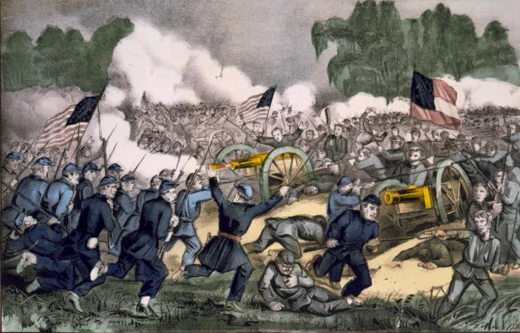
Battle of Alcatraz
A failed 1946 escape attempt at Alcatraz prison.

Wikipedia / Wikimedia Commons
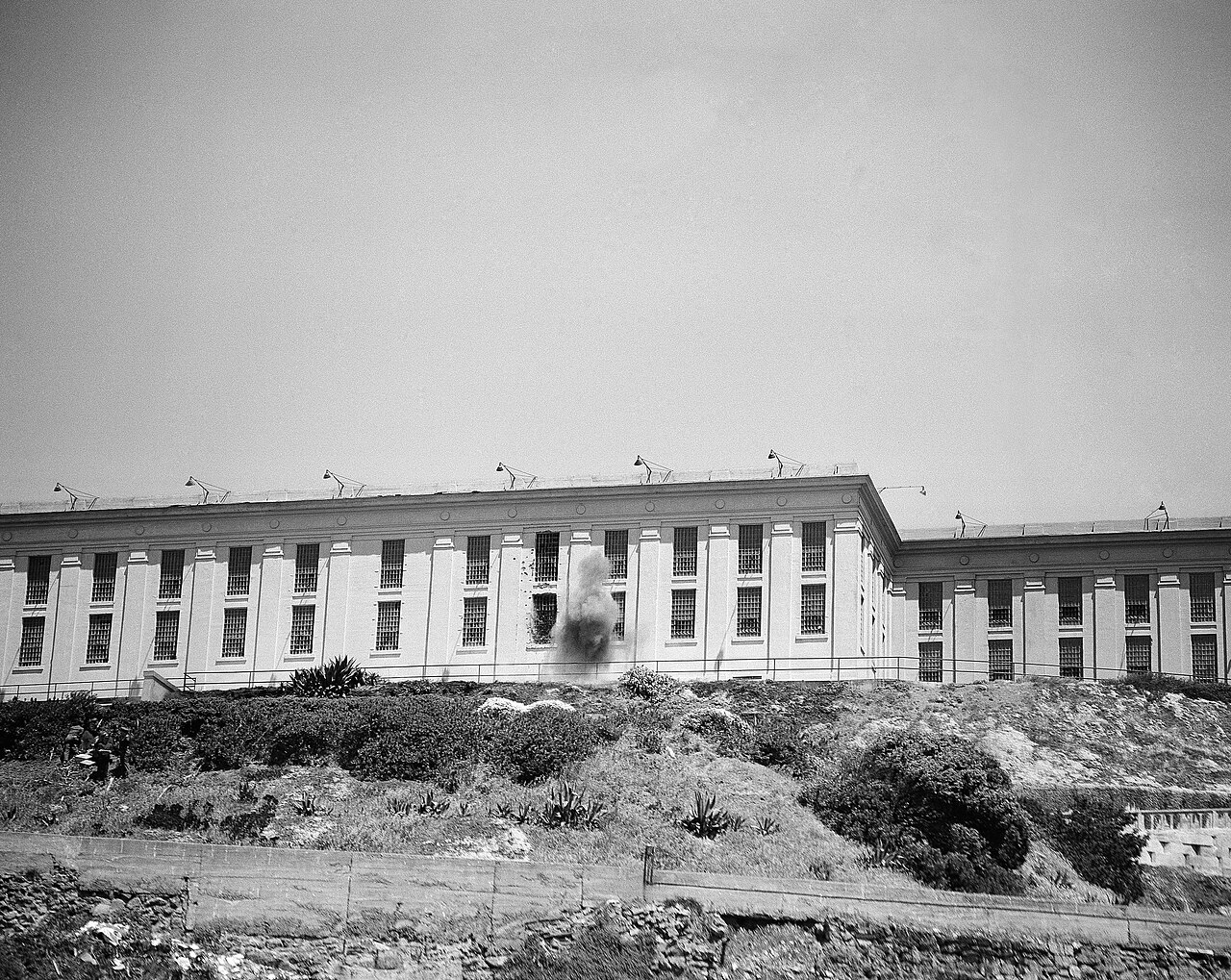
The Battle of Alcatraz was a failed escape attempt at Alcatraz Federal Penitentiary that took place from May 2 to 4, 1946. It resulted in the deaths of two Federal Bureau of Prisons officers and three inmates, and led to the execution of two prisoners in 1948. The incident highlighted the extreme security measures at the prison and the desperation of its inmates.
Quick Facts
- Conflict
- Battle of Alcatraz
- Date
- May 2–4, 1946
- Location
- Alcatraz Federal Penitentiary, San Francisco, California, United States
- Result
- Escape attempt failed
Facts from the source article.
Lore & Background
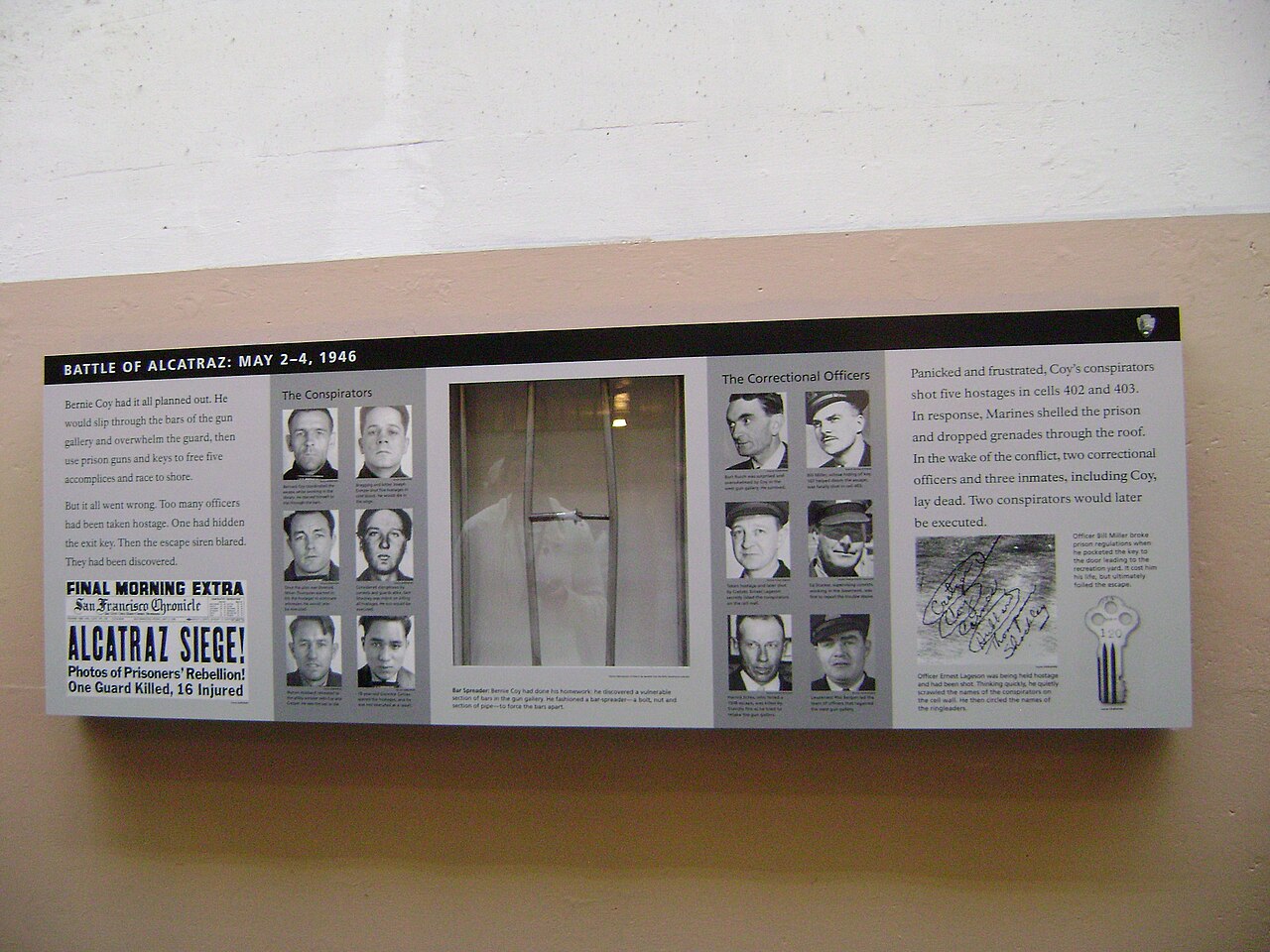
The escape attempt was planned by Bernard Coy, a cell-house orderly who noticed flaws in the prison's security. He starved himself to fit through widened bars of a gun gallery, then overpowered an officer and obtained weapons. With accomplices Marvin Hubbard, Joseph Cretzer, and Clarence Carnes, he released other convicts including Sam Shockley and Miran Thompson. The plan was to seize the yard door key and escape via the prison launch, but the key was hidden and the lock jammed, trapping the escapees inside the cellhouse.
Reader's Guide
The Battle of Alcatraz is significant as one of the most violent escape attempts in the history of the federal prison system. It demonstrated the extreme lengths to which inmates would go to escape the supposedly escape-proof prison, and the deadly consequences for both guards and prisoners. The incident led to increased security measures and reinforced Alcatraz's reputation as a place of last resort for the most dangerous criminals. The involvement of U.S. Marines and the use of military tactics underscored the severity of the situation.
Did You Know?
- Officer Harold Stites was killed by friendly fire during the incident.
- Bernard Coy dropped twenty pounds in weight to fit through the widened bars of the gun gallery.
- The escape attempt was foiled because the yard door key was hidden and the lock was jammed by trying other keys.
- Two prisoners were executed in 1948 for their roles in the escape attempt.
The Conspirators and Their Criminal Histories
The escape was orchestrated by Bernard Coy, a Depression-era bank robber sentenced to twenty-five years in 1937 and transferred to Alcatraz from Atlanta in 1938. His assignment as cell-house orderly granted him unusual freedom of movement within the main cellblock. Joseph Cretzer, a West Coast gangster and member of the Cretzer-Kyle Gang, had already attempted two escapes during his incarceration, one of which led to an additional murder charge. In May 1941, he and three others tried to flee from the prison workshop. Clarence Carnes was the youngest inmate ever held on the island, convicted of murder at just sixteen in 1943. By the time he arrived at Alcatraz in 1946, his record included a life sentence plus ninety-nine years for kidnapping, along with multiple prior escape attempts. Marvin Hubbard, a kitchen orderly, and later joiners Sam Shockley and Miran Thompson rounded out the group.
Exploiting a Fatal Flaw in the Security Architecture
Coy's years as a cell-house orderly gave him an intimate understanding of the prison's vulnerabilities. He identified a critical weakness at the west end of the cellhouse: the gun-gallery was shielded only by bars, with no mesh or additional barriers behind them. The officer patrolling that gallery followed a predictable routine, creating windows when both the main cellblock and the gallery went unobserved. Coy designed a bar-spreading device, a nut and bolt fitted with a client metal sleeve that expanded when the nut was turned with a small wrench. To squeeze through the widened gap, he starved himself and lost twenty pounds. His plan was to exploit the unobserved moment, spread the bars, slip into the gallery, seize the Springfield rifle, and lower weapons, keys, and clubs to his accomplices below. He would then force his way into D Block, the isolation section, and use the rifle to compel the officer there to open the main cellhouse door, freeing his co-conspirators and seizing additional hostages.
The Takeover and the Jammed Lock
On the morning of May 2, 1946, with most staff and inmates in outside workshops, Coy swept near C Block while Hubbard called for officer William Miller to admit him from the kitchen. As Miller frisked Hubbard, Coy struck from behind, and together they subdued him. They freed Cretzer and Carnes. Coy spread the gun-gallery bars, squeezed through, and bound officer Burt Burch on his return. He kept the Springfield rifle and lowered an M1911 pistol, keys, clubs, and gas grenades to his men. Moving to D Block, he used the rifle to force officer Cecil Corwin to open the main cellhouse door. About a dozen convicts were released, including Shockley and Thompson, who joined the core group. Miller and Corwin were locked in a C Block cell. The critical problem emerged immediately: the escapees needed key 107 for the yard door to reach the dock, where the prison launch arrived daily between 14:10 and 14:30. Miller had kept the key against regulations. When they finally found it hidden in the toilet of their cell, the yard door would not open—the lock had been jammed by their own earlier attempts with wrong keys.
The Desperate Shootout and Its Toll
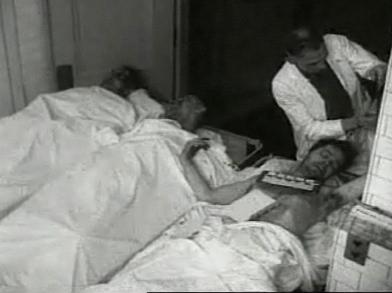
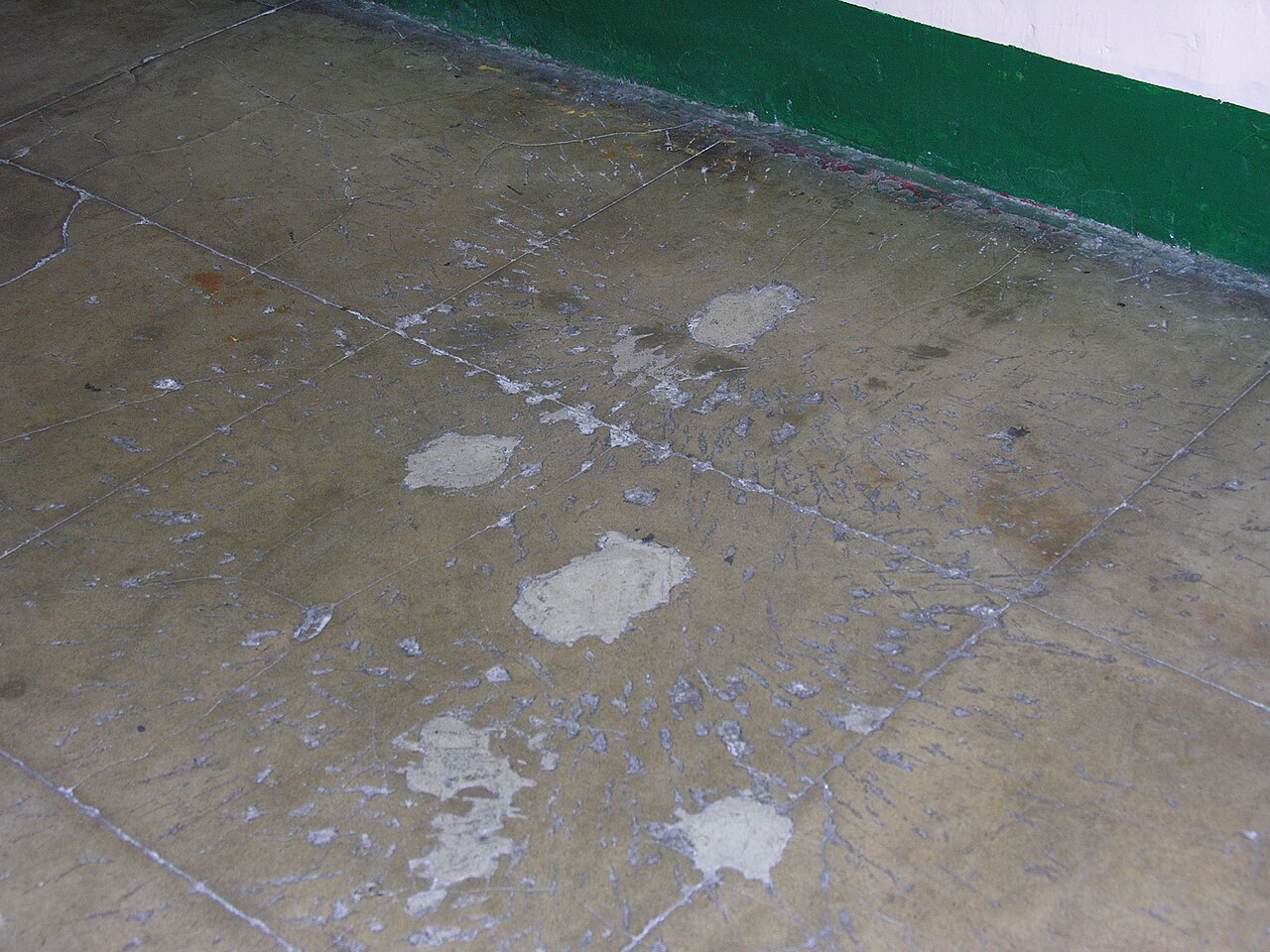
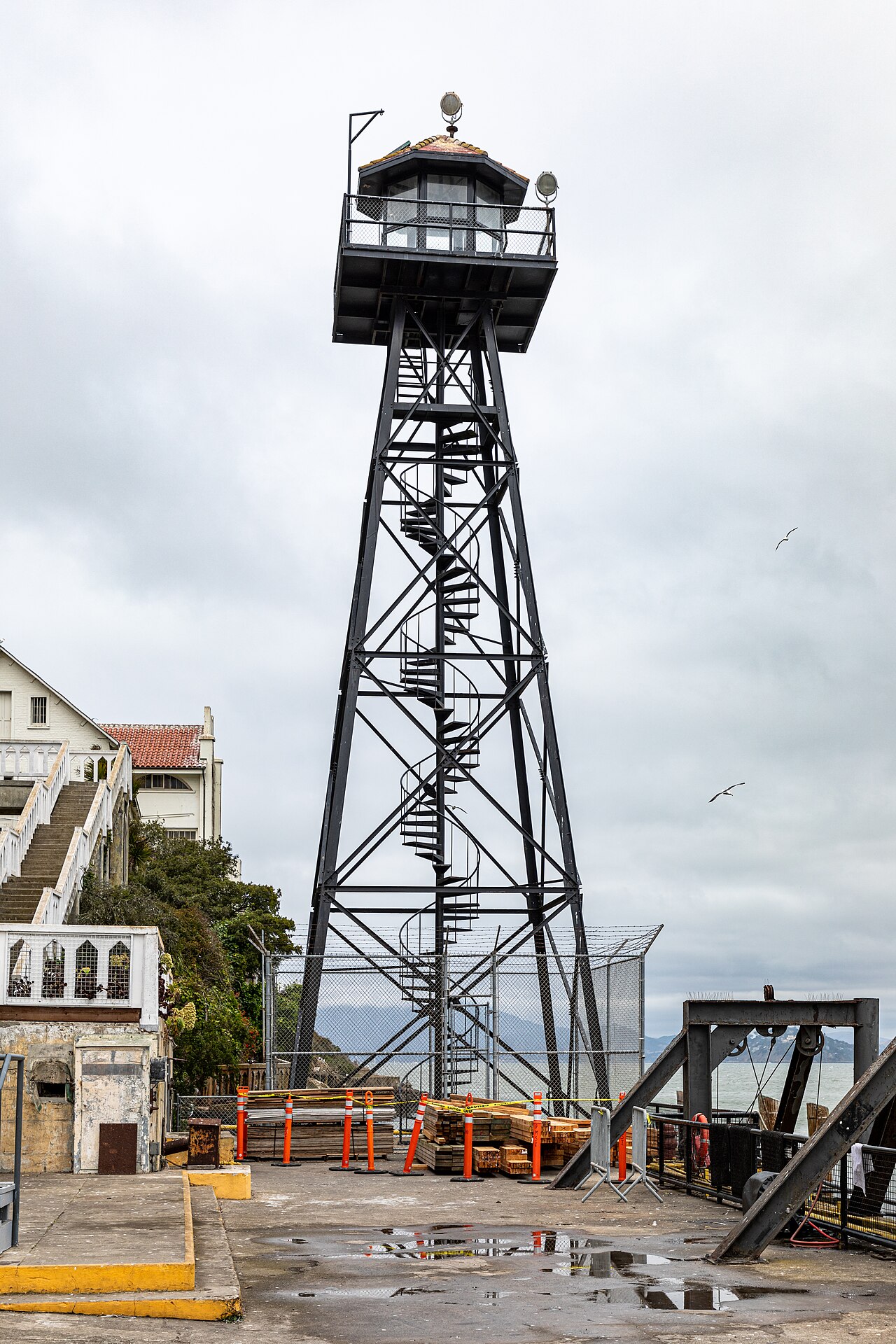
With their escape route blocked, the prisoners held nine officers captive in two separate cells but had nowhere to go. Despair set in. At 14:35, Coy took the rifle and fired at officers in neighboring watchtowers, wounding one. Associate warden Ed Miller entered the cellhouse armed with a gas billy club to investigate, but Coy shot at him, forcing him to retreat. The alarm was raised. Shockley and Thompson urged Cretzer to kill the hostages to prevent them from testifying. Cretzer opened fire on the officers, wounding five, three seriously, including Bill Miller, who later died of his wounds. Carnes, Shockley, and Thompson retreated to their cells, but Coy, Hubbard, and Cretzer refused to surrender. The three-day battle that followed, from May 2 to 4, ended with two Federal Bureau of Prisons officers dead: Miller killed by Cretzer, and Harold Stites killed by friendly fire. Three inmates were also killed during the incident. Fourteen officers and one uninvolved convict sustained injuries. In 1948, two of the surviving prisoners were executed for their roles in the attack.
Gallery
Frequently Asked Questions
What was the Battle of Alcatraz?
It was a violent, ultimately unsuccessful prison break at Alcatraz Federal Penitentiary in San Francisco Bay, carried out between May 2 and 4, 1946. A group of inmates attempted to overpower guards and escape the island, but the effort collapsed into a deadly standoff.
Who planned the Alcatraz escape?
Bernard Coy is credited as the key organizer behind the 1946 breakout. He coordinated the group of prisoners who staged the armed confrontation with the Federal Bureau of Prisons staff.
Who died during the incident?
Two prison officers, William A. Miller and Harold Stites, were killed in the confrontation. Three inmates also lost their lives during the failed attempt, bringing the total death toll to five.
What were the legal consequences for the surviving inmates?
Two of the prisoners involved faced capital punishment and were executed in 1948 for their part in the killings. No inmate successfully left the island, and the escape was officially declared a failure.
Why is the Battle of Alcatraz remembered?
The episode exposed the raw desperation of men locked in one of the most heavily guarded facilities in the country. It also cemented Alcatraz's reputation as a prison where virtually no one could break out, reinforcing the extreme security culture that defined the institution.
More in Rebellions against the United States 1-23
Spotted an error? Know more?
Reader corrections go straight into our review queue. Suggest an edit · How this site is sourced