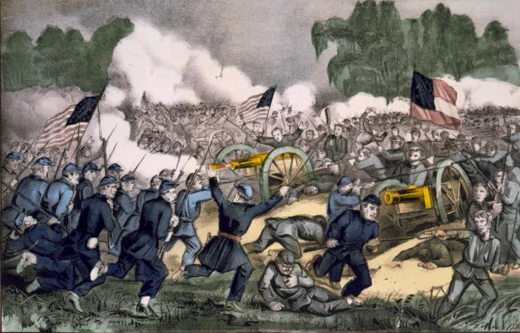
Jayuya Uprising
Nationalist revolt against U.S. sovereignty in Puerto Rico.

Wikipedia / Wikimedia Commons
The Jayuya Uprising, also known as the Jayuya Revolt or Cry of Jayuya (Spanish: Grito de Jayuya), was a Nationalist revolt that took place on October 30, 1950, in the town of Jayuya, Puerto Rico. Led by Blanca Canales, it was one of several coordinated uprisings across Puerto Rico that day against the Puerto Rican government supported by the United States. The Nationalists opposed U.S. sovereignty over Puerto Rico and sought independence.
Quick Facts
- Conflict
- Jayuya Uprising
- Part Of
- Puerto Rican Nationalist Party revolts of the 1950s
- Date
- October 30, 1950
- Location
- Jayuya, Puerto Rico
- Result
- American victory / Uprising suppressed
Facts from the source article.
Lore & Background
The Puerto Rican Nationalist Party, formed in 1922, worked for independence. By 1930, Pedro Albizu Campos, a Harvard Law graduate, became its president. In the 1930s, U.S.-appointed governor Blanton Winship and police colonel Elisha Francis Riggs applied harsh repressive measures. In 1936, Albizu Campos and other leaders were arrested and imprisoned, first in San Juan and later in Atlanta. The Ponce massacre on March 21, 1937, saw police fire on a Nationalist parade, killing 19. Albizu Campos returned to Puerto Rico on December 15, 1947, after ten years in prison.
On June 10, 1948, the Ley de la Mordaza (Gag Law) was signed, making it a crime to print or exhibit material intended to destroy the insular government, to organize groups with similar intent, to sing patriotic songs, or to display the Puerto Rican flag. Violators faced up to ten years imprisonment and fines up to $10,000. Dr. Leopoldo Figueroa, a member of the Puerto Rico House of Representatives, called the law repressive and a violation of the First Amendment. On June 21, 1948, Albizu Campos gave a speech in Manatí explaining how the Gag Law violated the U.S. Constitution.
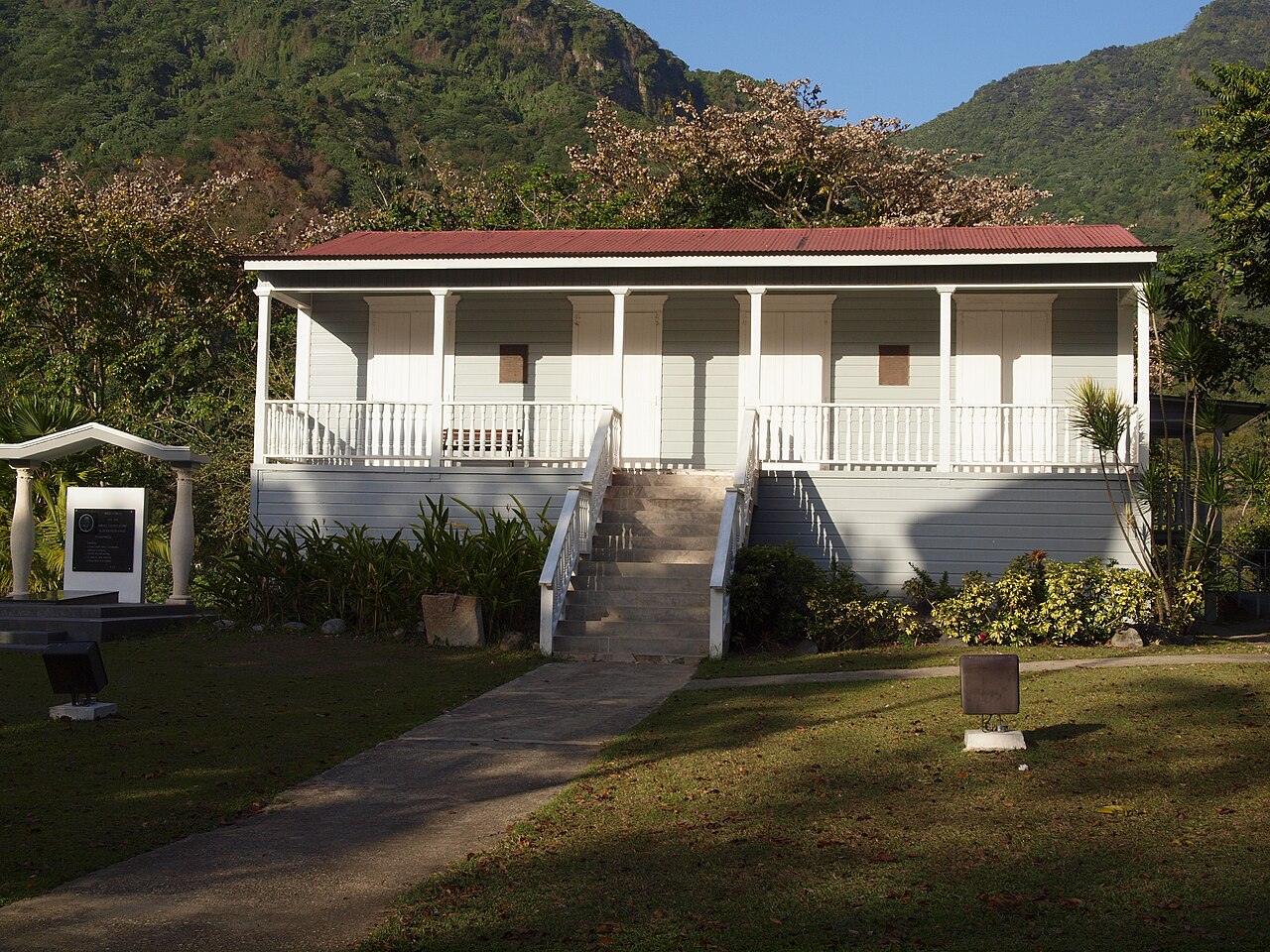
From 1949 to 1950, Nationalists planned an armed revolution intended for 1952, when the U.S. Congress was to approve the Estado Libre Asociado status. Albizu Campos called for revolution, considering the status a colonial farce. He chose Jayuya as headquarters because of its location and weapons stored in Blanca Canales's home. On October 26, 1950, Albizu Campos learned his house was surrounded by police and ordered the revolution to start. On October 27, police in Peñuelas fired on a Nationalist caravan, killing four. On October 30, uprisings occurred in Ponce, Mayagüez, Naranjito, Arecibo, Utuado, San Juan, and Jayuya.
Reader's Guide
The Jayuya Uprising was a pivotal armed challenge to U.S. authority in Puerto Rico, rooted in decades of repression and the 1948 Gag Law that criminalized nationalist expression. Led by Blanca Canales, Nationalists seized the police station, raised the Puerto Rican flag, and declared a free republic. The U.S. response was severe: Governor Luis Muñoz Marín declared martial law, and American P-47 Thunderbolt fighter planes bombed Jayuya, leaving the town in ruins. News was suppressed, with President Truman calling it 'an incident between Puerto Ricans.' The uprising directly inspired the November 1, 1950, attempt on Truman's life by Griselio Torresola and Oscar Collazo. Thousands of independence supporters were arrested afterward. The revolt highlighted the ongoing colonial status of Puerto Rico and the lengths to which the U.S. would go to maintain control. It remains a symbol of resistance for Puerto Rican independence advocates.
Did You Know?
- The revolt was led by Blanca Canales, who raised the Puerto Rican flag in the town square in defiance of the Gag Law.
- The U.S. used ten P-47 Thunderbolt fighter planes from Ramey Air Force Base to bomb Jayuya.
- The uprising prompted Griselio Torresola and Oscar Collazo to attempt to assassinate President Harry S. Truman on November 1, 1950.
- According to police estimates, 28 people were killed and 50 wounded in the uprising across Puerto Rico.
Roots of Resistance
The Puerto Rican Nationalist Party, founded in 1922, committed itself to ending U.S. sovereignty over the island. Under Pedro Albizu Campos, a lawyer and the first Puerto Rican to graduate from Harvard Law School, the movement gained considerable momentum. Yet the U.S.-appointed governor Blanton Winship and police colonel Elisha Francis Riggs answered with severe repression. In 1936, Albizu Campos and party leaders were arrested, held at La Princesa prison in San Juan, and subsequently transferred to a federal facility in Atlanta. Violence peaked on March 21, 1937, when police opened fire on a Nationalist parade in Ponce, killing nineteen civilians. Albizu Campos did not return until December 15, 1947, after a decade in custody. By mid-1948, U.S.-appointed governor Jesús T. Piñero had signed the Ley de la Mordaza into law, criminalizing the display of the Puerto Rican flag, the singing of patriotic songs, and any speech deemed destructive to the government, with penalties reaching ten years in prison and fines of up to ten thousand dollars.
The Jayuya Uprising
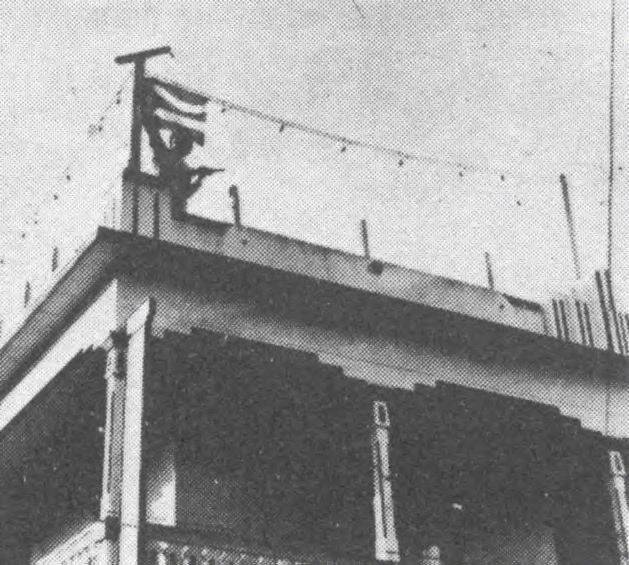
In the pre-dawn hours of October 30, 1950, Blanca Canales, her cousin Elio Torresola, and Carlos Irizarry led armed Nationalists into the streets of Jayuya. They stormed the local police station; shots rang out, one officer was killed, three were wounded, and the remaining officers surrendered. In a deliberate act of defiance against the Gag Law, which had made the Puerto Rican flag illegal to display, the Nationalists severed telephone lines, set fire to the U.S. post office, and assembled in the town square to raise the island's flag. There, Canales proclaimed Puerto Rico a free Republic. Jayuya had been selected as the revolution's headquarters partly because weapons had been stored in Canales's own home. The broader uprising that day saw simultaneous Nationalist actions in Ponce, Mayagüez, Naranjito, Arecibo, Utuado, and San Juan. The revolution had originally been planned for 1952, the year Congress was to approve Puerto Rico's Free Associated State status, which Albizu Campos dismissed as a colonial farce.
Devastation from Above
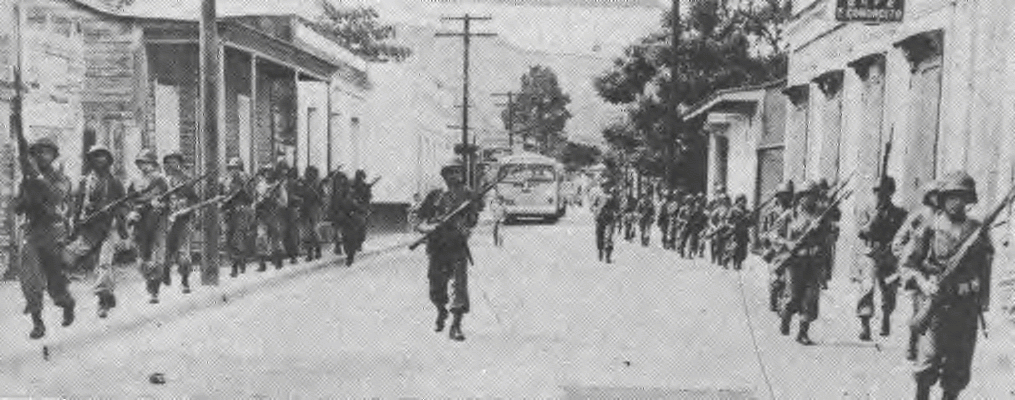
Governor Luis Muñoz Marín declared martial law, and the U.S. military response was crushing. Ten P-47 Thunderbolt fighter planes launched from Ramey Air Force Base to bomb the town. American infantry and the Puerto Rico National Guard, commanded by Major General Luis R. Esteves, deployed land-based artillery, mortar fire, and grenades in a combined assault on the Nationalists. The aircraft dropped 500-pound bombs and machine-gunned nearly every rooftop in Jayuya, leaving the town in ruins. The scale of destruction was extraordinary for a small Puerto Rican municipality. Yet despite the extensive devastation, news of the military action was deliberately kept from spreading beyond the island. American media instead reported President Truman characterizing the events as merely an incident between Puerto Ricans, effectively erasing the role of U.S. military forces and the colonial context from public discourse.
A Movement Under Siege
The Jayuya Uprising was the culmination of decades of escalating state repression against Puerto Rican independence advocates. The 1930s brought the imprisonment of party leaders and the Ponce massacre. The 1948 Gag Law, modeled on the U.S. Smith Act, criminalized even singing a patriotic song. Dr. Leopoldo Figueroa, the sole non-PPD member of the Puerto Rico House, publicly argued the law violated the First Amendment. On June 21, 1948, Albizu Campos addressed a gathering in Manatí to denounce the legislation, with Nationalists from across the island arriving to shield him from arrest. By 1949 and 1950, the Nationalists were planning an armed revolution. On October 26, 1950, Albizu Campos learned his San Juan home was surrounded by police and that other leaders had already been arrested; he escaped Fajardo and ordered the revolution to begin. The following day, police in Peñuelas intercepted and killed four Nationalists in a caravan.
Gallery
Frequently Asked Questions
What was the Jayuya Uprising?
It was a 1950 armed revolt by Puerto Rican Nationalists in the town of Jayuya, aimed at overthrowing the U.S.-backed colonial government. It was part of a broader coordinated series of attacks launched across the island that same day.
Who led the Jayuya Uprising?
Blanca Canales was the primary leader who directed the assault on Jayuya. The broader independence movement she represented was built on the ideology championed by Pedro Albizu Campos.
When and where did the Jayuya Uprising take place?
The revolt broke out on October 30, 1950, in the mountainous town of Jayuya in western Puerto Rico. It was one of several simultaneous uprisings launched across the island that day.
How did the Jayuya Uprising end?
U.S. military aircraft bombed the town, and government forces quickly suppressed the fighting. Canales and other Nationalist leaders were captured, and police reported 28 dead and 50 wounded among all parties.
Why is the Jayuya Uprising remembered?
It stands as one of the most dramatic acts of resistance against American sovereignty over Puerto Rico in the 20th century. The bombing of a civilian town by U.S. planes during the suppression remains a powerful symbol of the human cost of colonial rule.
More in Rebellions against the United States 1-23
Spotted an error? Know more?
Reader corrections go straight into our review queue. Suggest an edit · How this site is sourced