Alexanderson alternator
Rotating machine generating continuous radio waves for longwave communication.

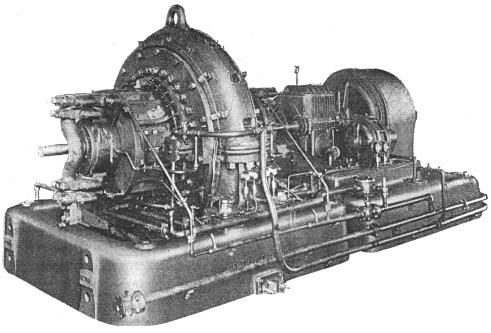
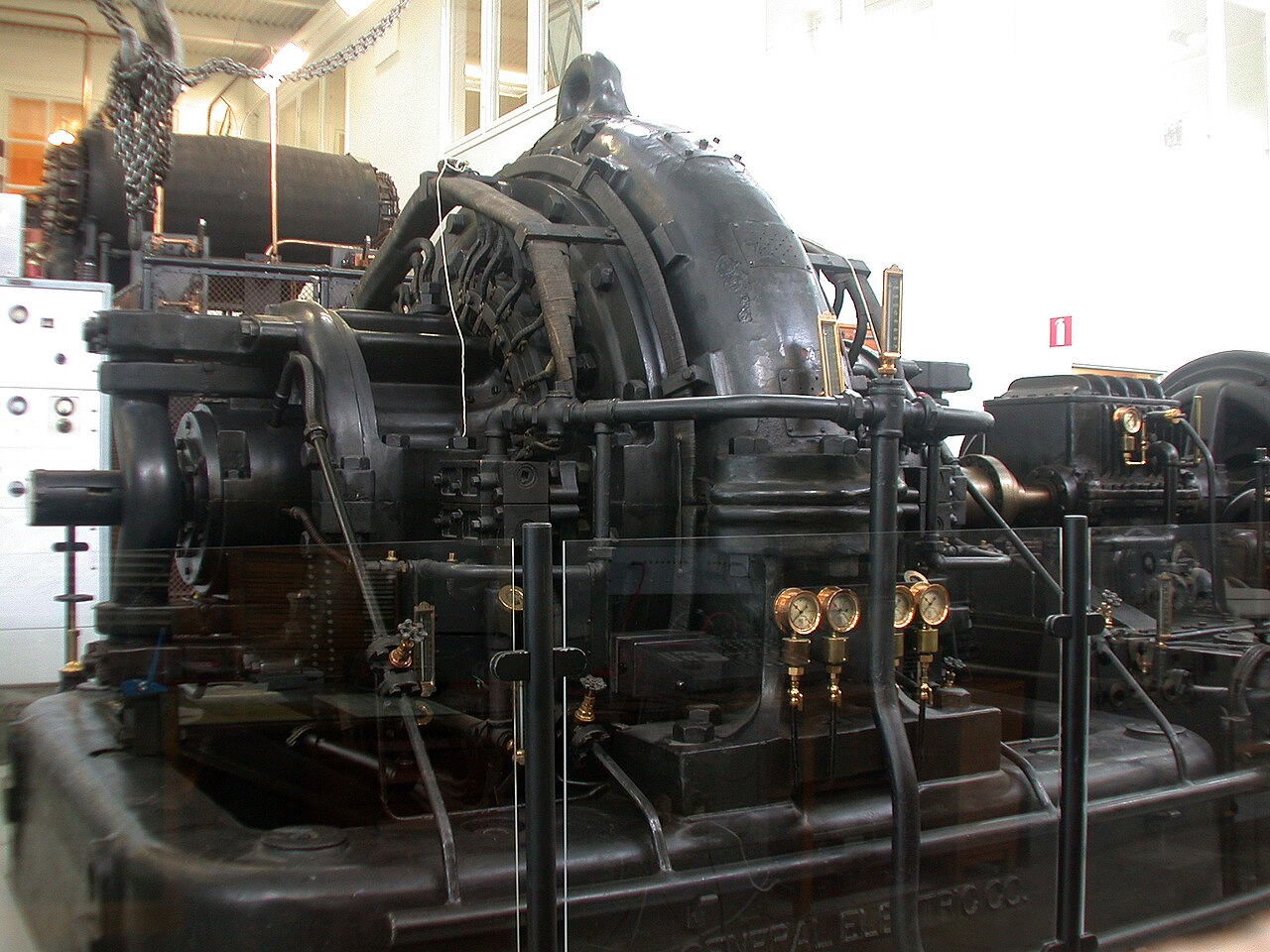
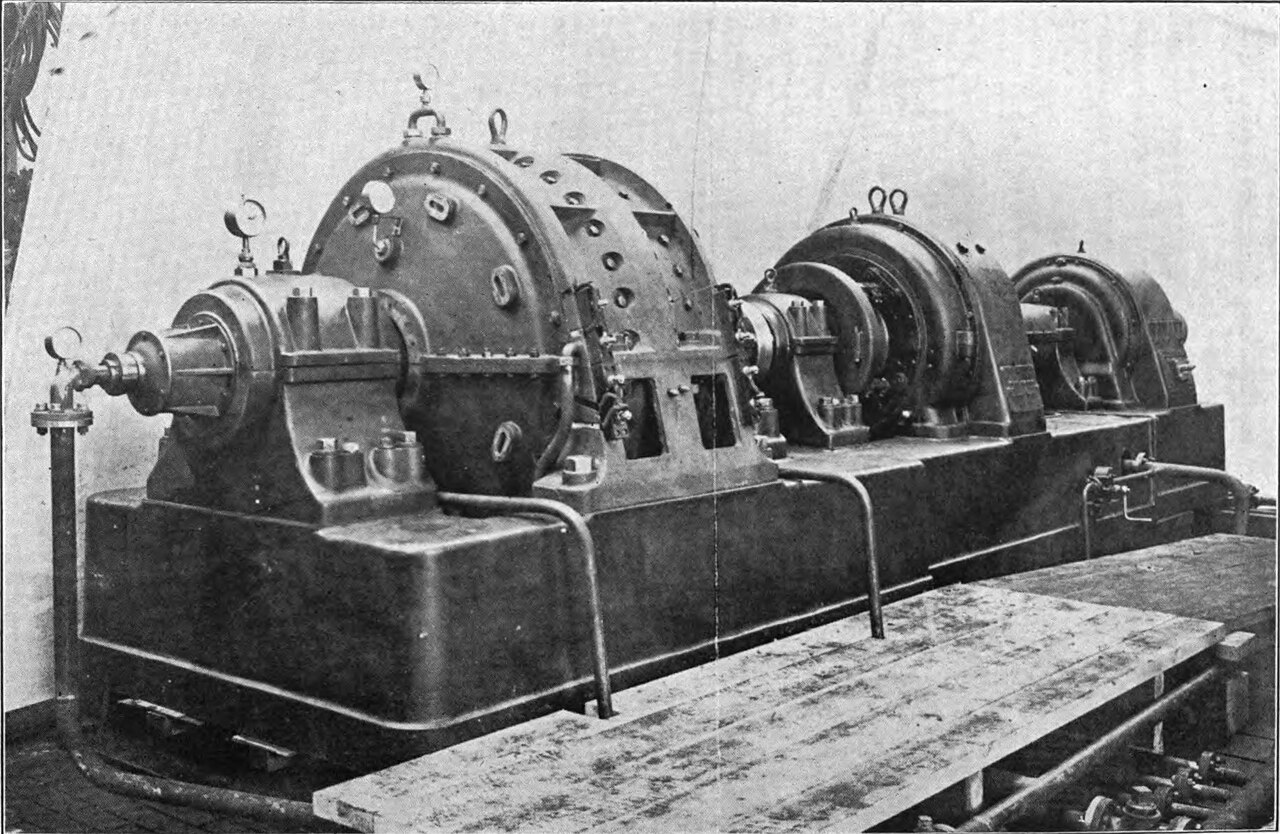
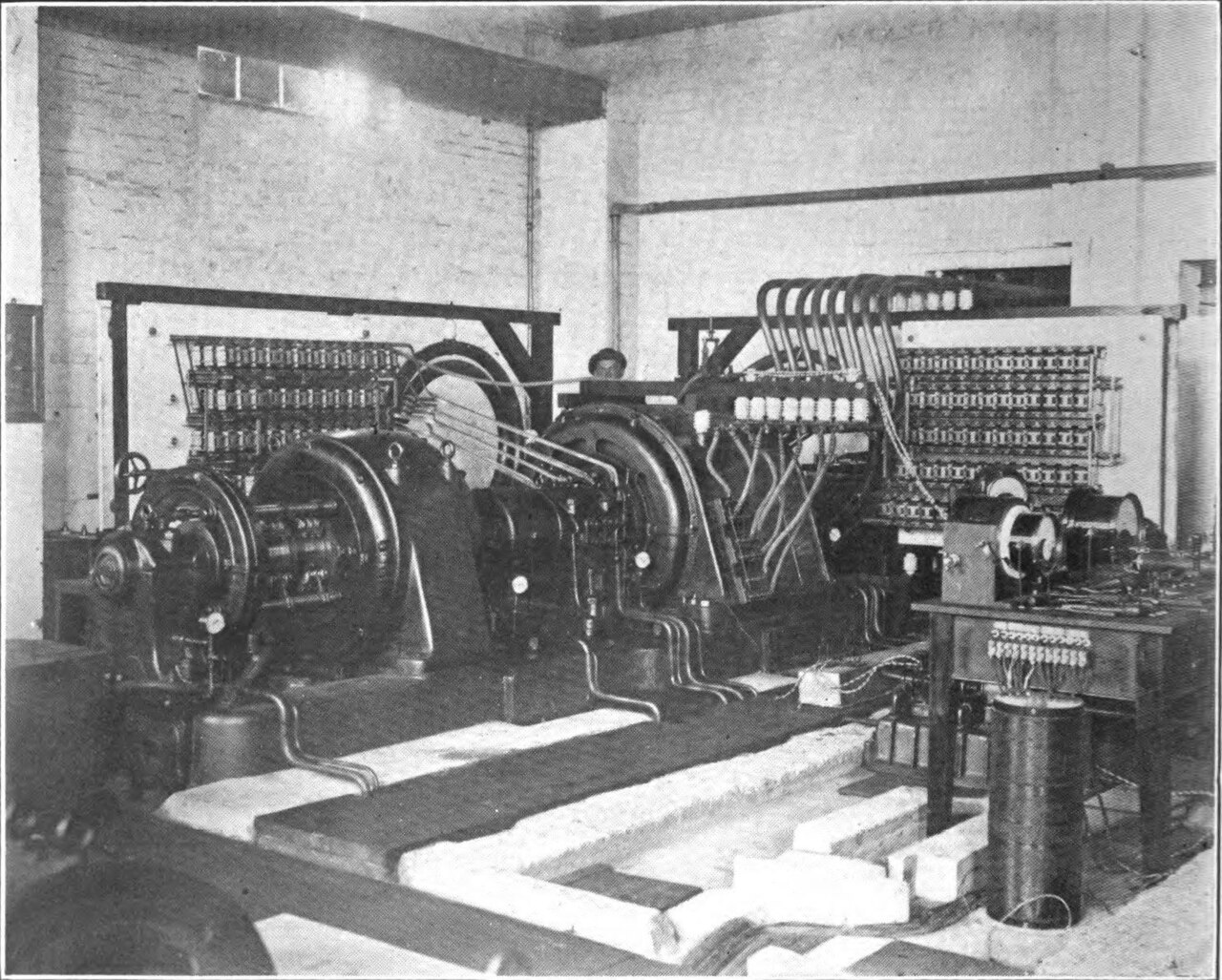
The Alexanderson alternator is a rotating machine that Ernst Alexanderson started developing in 1904. Its purpose was to create high-frequency alternating current for radio transmission. It ranks among the earliest devices able to generate the continuous radio waves required for amplitude modulated (AM) signals. Around 1910, a handful of powerful longwave radiotelegraphy stations began using it to send transoceanic Morse code messages to similar stations worldwide.
Though vacuum-tube transmitters replaced it in the early 1920s, the Alexanderson alternator remained in use until World War II. It is recognized as an IEEE Milestone for its significance in electrical engineering.
Before the alternator, the first radio transmitters—spark gap types—produced damped waves that quickly faded to zero. By the 1890s, engineers knew these waves had drawbacks: their energy spread across a broad frequency band, causing interference, and they could not carry audio signals. Researchers sought transmitters that could generate continuous waves—a single-frequency sinusoidal alternating current.
In an 1891 lecture, Frederick Thomas Trouton suggested that an electrical alternator running at a very high speed, with many magnetic poles on its armature, could produce radio-frequency continuous waves. Starting with Elihu Thomson in 1889, several researchers built high-frequency alternators: Nikola Tesla (1891, 15 kHz), Salomons and Pyke (1891, 9 kHz), Parsons and Ewing (1892, 14 kHz), Siemens (5 kHz), and B. G. Lamme (1902, 10 kHz). None reached the frequencies needed for radio, above 20 kHz.
In 1904, Reginald Fessenden contracted General Electric to build an alternator that could generate 100,000 hertz for continuous-wave radio. Ernst Alexanderson designed it. The Alexanderson alternator saw extensive use in long-wave radio communications at shore stations, but it was too large and heavy for most ships. The first 50 kW units were delivered in 1906: one to Fessenden at Brant Rock, Massachusetts; another to John Hays Hammond Jr. in Gloucester, Massachusetts; and a third to the American Marconi Company in New Brunswick, New Jersey.
Alexanderson received a patent for his device in 1911. The alternator was the second radio transmitter, after Fessenden's rotary spark-gap transmitter, to be modulated to carry the human voice.
Quick Facts
- Classification
- Alternator
- Industry
- Telecommunications
- Application
- Signal transmission
- Inventor
- Ernst Alexanderson
Facts from the source article.
Lore & Background
The Alexanderson alternator was developed after earlier high-frequency alternators by Nikola Tesla, Elihu Thomson, and others failed to reach radio frequencies above 20 kHz. In 1904, Reginald Fessenden contracted with General Electric for an alternator generating 100,000 Hz, designed by Ernst Alexanderson. The first 50 kW alternators were delivered in 1906, with one going to Fessenden at Brant Rock, Massachusetts. Alexanderson received a patent in 1911. The alternator followed Fessenden's rotary spark-gap transmitter as the second radio transmitter to carry the human voice. It was too large and heavy for most ships but was extensively used by shore stations for longwave communications. During World War I, the United States increased development of transoceanic radio, and by the war's end the alternator provided reliable transoceanic service. British Marconi offered General Electric $5,000 in business for exclusive rights, but President Woodrow Wilson requested GE decline, leading to the formation of the Radio Corporation of America (RCA) with AT&T, United Fruit Company, Western Electric, and Westinghouse. Twenty 200 kW alternators were produced up to 1924. During World War II, the U.S. Navy installed two at Haiku, Hawaii, and operated one at Bolinas, California. The Air Force later used the Haiku and Marion, Massachusetts facilities until 1957. The last operable alternator is at the VLF transmitter Grimeton in Sweden, in regular service until 1996, and still operated on Alexanderson Day.
Reader's Guide
The Alexanderson alternator was a key achievement in electrical engineering, recognized as an IEEE Milestone. It was one of the first devices to generate continuous radio waves, enabling amplitude modulation and voice transmission. Although superseded by vacuum-tube transmitters in the early 1920s, it continued in use until World War II. Its design—a rotor with magnetic steel teeth and a stator with DC and RF coils—operated by variable reluctance, producing VLF frequencies. Frequency was controlled by a feedback loop using a high-Q tuned circuit. The alternator's significance lies in its role in establishing reliable transoceanic radio communication, particularly during World War I, and in shaping the formation of RCA, which gave American companies control of American radio. Its legacy includes the preservation of the Grimeton transmitter, which remains operational for annual demonstrations.
Did You Know?
- It was used from about 1910 in superpower longwave stations for transoceanic Morse code communication.
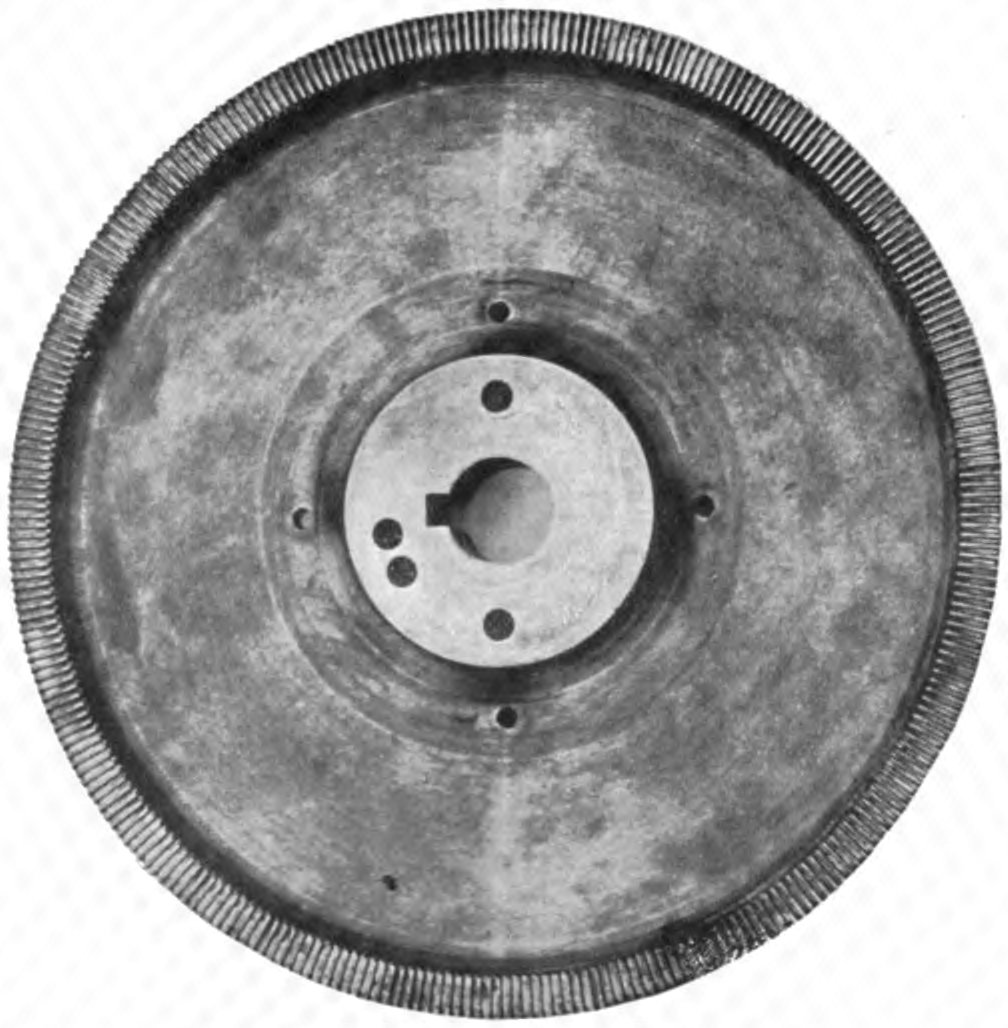
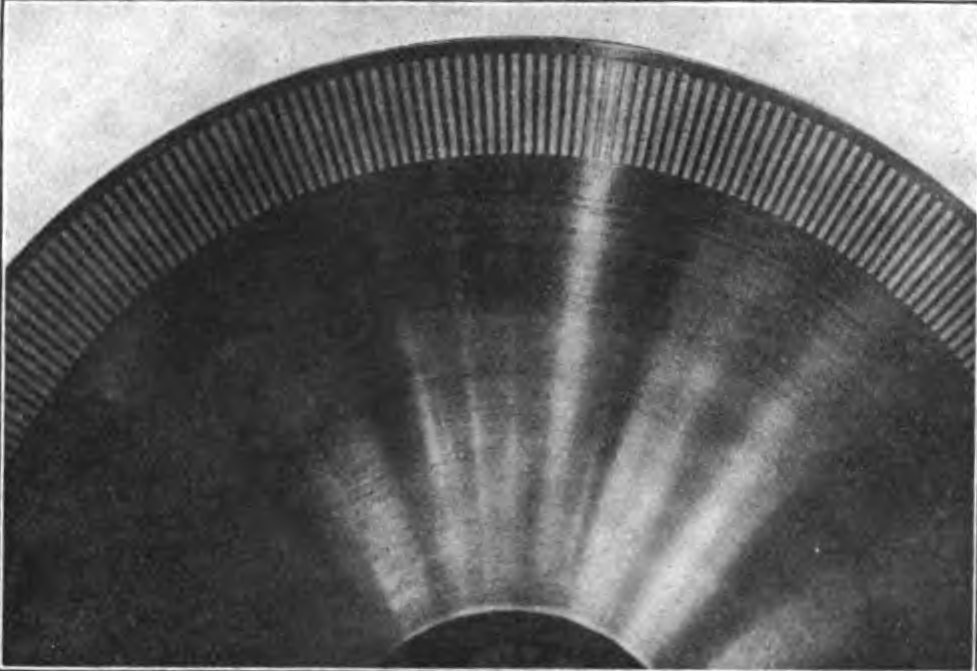
- The alternator's rotor had 300 narrow slots cut through it, with the teeth functioning as magnetic poles.
Engineering Breakthrough in High-Frequency Generation
The Alexanderson alternator solved a problem that had stumped multiple researchers for over a decade. While spark-gap transmitters produced damped wave pulses that spread energy across broad frequency bands and could not carry audio, the field needed a machine generating pure sinusoidal current at a single radio frequency. Frederick Thomas Trouton identified the theoretical path in 1891—an alternator spinning fast enough with enough magnetic poles would work—but practical attempts by Tesla, Salomons and Pyke, Parsons and Ewing, Siemens, and B.G. Lamme all stalled below the 20 kHz threshold needed for radio. Ernst Alexanderson, designing for a 1904 General Electric contract commissioned by Reginald Fessenden, cracked the problem. His rotor eliminated conductive windings entirely, using a solid disc of high-tensile magnetic steel with narrow circumferential slots forming tooth-like poles. Nonmagnetic material filled the gaps to smooth the surface and reduce aerodynamic drag. Driven by a motor through a speed-increasing gearbox, the machine operated on variable reluctance, producing the continuous waves that made amplitude-modulated voice transmission possible.
From Fessenden's Commission to Transoceanic Service
The device entered practical service around 1910, when a handful of superpower longwave radiotelegraphy stations began using it to beam Morse code messages across oceans to partner stations worldwide. The first 50 kW units delivered in 1906 went to Fessenden at Brant Rock, Massachusetts, to John Hays Hammond Jr. in Gloucester, and to the American Marconi Company in New Brunswick, New Jersey. By the end of World War I, the alternator was reliably providing transoceanic radio service, a capability the war had accelerated as European nations paused their international network development while the United States pushed forward. The machine was too bulky and heavy for most ships, confining it to shore installations. Alexanderson received his patent in 1911, and the device became the second radio transmitter—after Fessenden's rotary spark-gap—to be modulated for human voice, holding that role until vacuum-tube oscillators like Armstrong's appeared in 1913.
Geopolitics and the Birth of RCA
The alternator's strategic value became apparent during and after World War I, when the United States sought to build transoceanic radio capacity while European powers temporarily set aside their international communications networks. British Marconi approached General Electric with a deal worth $5,000 in business in exchange for exclusive rights to the alternator. The transaction was nearly finalized when President Woodrow Wilson intervened, asking GE to decline the offer. Wilson's concern was that granting the British—who were already dominant in submarine communications cables—exclusive control would give them leverage over worldwide radio. GE complied with the request. Instead, it partnered with AT&T, the United Fruit Company, Western Electric, and Westinghouse to form the Radio Corporation of America, placing American companies in control of American radio for the first time. This single decision reshaped the global communications landscape.
A Century of Service and Enduring Legacy
Though vacuum-tube transmitters rendered the alternator obsolete for new installations in the early 1920s, the machines proved remarkably durable in existing roles. During World War II, the U.S. Navy deployed seven of the original twenty 200 kW units, installing two at Haiku, Hawaii, for reliable VLF communication with the Pacific fleet, and operating another at Bolinas, California. The Air Force later assumed control of Haiku and Marion, Massachusetts, finding longwave transmissions more dependable than shortwave for weather reports to Arctic researchers and bases in Greenland, Labrador, and Iceland. The Marion transmitters served until 1957. The last operable Alexanderson alternator in the world stands at the Grimeton VLF transmitter in Sweden, where it remained in regular service until 1996. It is still switched on for a few minutes each year on Alexanderson Day, and the device holds a place on the IEEE Milestones list as a defining achievement in electrical engineering.
Gallery
More in Radio Electronics 1-24
Spotted an error? Know more?
Reader corrections go straight into our review queue. Suggest an edit · How this site is sourced