Sistan and Baluchestan province
Iran's southeastern province, home to Baloch and Sistani peoples.

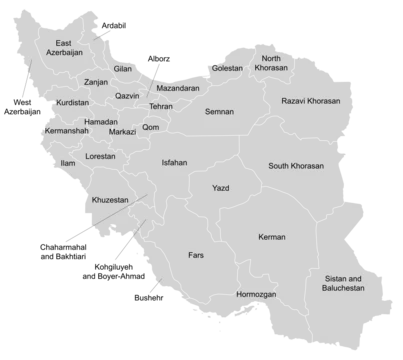
Sistan and Baluchestan province, the second largest of Iran’s 31 provinces, covers an area of 180,726 square kilometers in the country’s southeast, sharing borders with Afghanistan and Pakistan. Its capital is Zahedan. The region was originally called Balochistan, meaning “land of the Baloch,” before the name evolved to include Sistan. The Baloch form the majority of the population, comprising 70 to 76 percent, while Sistani Persians are the second largest group; smaller communities of Kurds, Brahuis, and Romani also reside there. Unlike most of Iran, the majority of inhabitants are Sunni Muslims of the Hanafi school. The province’s history stretches back to the pre-Islamic era: Sistan appears in the inscriptions of Darius the Great at Behistun and Persepolis as an eastern territory. The name Sistan derives from the Saka (or Sagastan), a Central Asian tribe that seized control around 128 BC. During the Arsacid dynasty, the area became the seat of the Suren-Pahlav clan, and it flourished under the Sassanians and into the early Islamic period. After the Arab conquest in 644 AD under Caliph Umar, the region was governed by various dynasties, including the Saffarids, Samanids, Ghaznavids, and Seljuqids. In 1508, Shah Ismail I of the Safavid dynasty conquered Sistan. Following Nader Shah’s assassination in 1747, the province fell under the Brahui Khanate of Kalat until 1896, when it became part of Qajar Iran. The province is one of the driest in Iran, subject to seasonal winds such as the “120-day wind” of Sistan, known locally as Levar. It is also the poorest province in Iran, with a Human Development Index of 0.688.
- Capital
- Zahedan
- Major Ethnic Groups
- Baloch (70–76%), Persian Sistanis
- Major Religion
- Sunni Islam (Hanafi)
- Known for
- Poorest province in Iran, Chabahar Free Trade-Industrial Zone
Lore & Background
From the Sassanian period through early Islamic times, Sistan flourished. Later, the Saffarid ruler Ya'qub ibn al-Layth al-Saffar became governor, and his descendants dominated the area for centuries. The province is the second largest in Iran, covering over 180,000 square kilometers in the country’s southeast, bordering Afghanistan and Pakistan. Its capital is Zahedan. The population is predominantly Baloch, with a smaller Sistani Persian minority, and unlike most of Iran, the majority follows Sunni Islam, with local culture heavily influenced by neighboring Pakistan. The region is one of the driest in Iran, with rainfall increasing slightly from east to west and higher humidity along the coast. It experiences notable seasonal winds, including the famous 120-day wind of Sistan, known locally as Levar. The province is also the poorest in Iran by human development index. Its economy relies on new industrial projects, including a cement factory in Khash producing 2,600 tons daily, and the Chabahar Free Trade-Industrial Zone. Mineral resources include chrome, copper, gold, silver, and other metals. The area known as Sistan today comprises the counties of Zabol, Hamun, Hirmand, Zehak, and Nimruz.
Reader's Guide
The government has implemented plans such as the Chabahar Free Trade-Industrial Zone to stimulate the economy. The province has important mineral potentials including chrome, copper, gold, and silver. The Chel Kooreh copper mine is a major site. The region suffers from severe water shortages, exacerbated by corruption and political favoritism, with the IRGC controlling water resources. This has led to drying rivers, dust storms, and land subsidence, worsening living conditions for marginalized communities. The province's cultural heritage includes Sistani embroidery, an ancient handicraft traced back to the 5th century BC. The Port of Chabahar is a key infrastructure project, with India investing in it, and it is to be connected by railway to Zahedan.
Did You Know?
- The majority of the population is Sunni Muslim, belonging to the Hanafi school of thought.
- The province has important mineral potentials including chrome, copper, gold, and silver.
Frequently Asked Questions
Who are the main ethnic and religious groups in Sistan and Baluchestan province?
The Baloch people make up the clear majority of the population (around 70–76%), with a smaller community of Sistani Persians also present. Most residents follow Sunni Islam of the Hanafi school, which distinguishes the province from Iran's predominantly Shia demographic.
What makes Sistan and Baluchestan province unique among Iran's 31 provinces?
It is the only province where Sunni Islam is the dominant faith and where a non-Persian ethnic group forms the overwhelming majority of residents. Its sheer size—nearly double that of most other provinces—also sets it apart geographically.
What is the historical background of Sistan and Baluchestan province?
The region has been claimed by a long succession of powers, from Darius the Great's eastern domains through the Saffarid, Samanid, Ghaznavid, and Seljuq dynasties, before coming under Safavid control. Its position as a crossroads between South and Central Asia gave it a layered, multi-ethnic heritage.
More in Provinces Of Iran 1-24
Spotted an error? Know more?
This is a living reference — every entry is fact-audited, and reader corrections feed straight into our audit queue. Suggest an edit · See this site's audit record