Alborz province
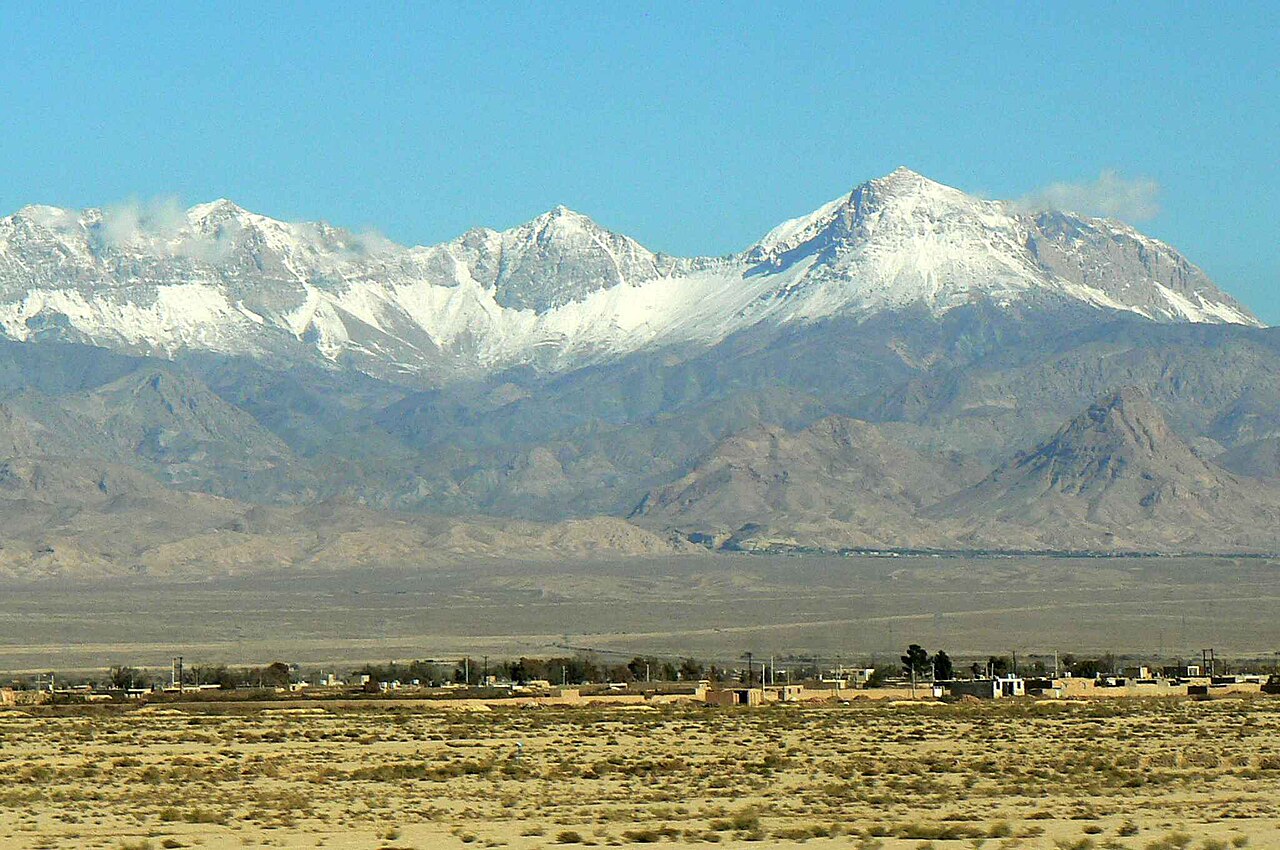
Established in 2010 with capital Karaj, Alborz is a diverse and rapidly urbanizing province.

Parsa 2au · CC BY-SA 4.0
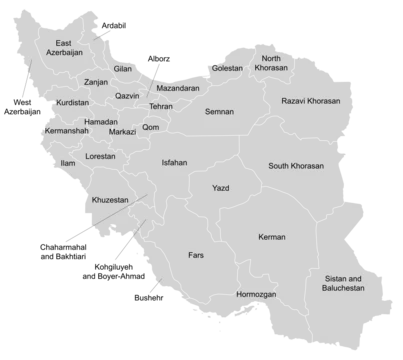
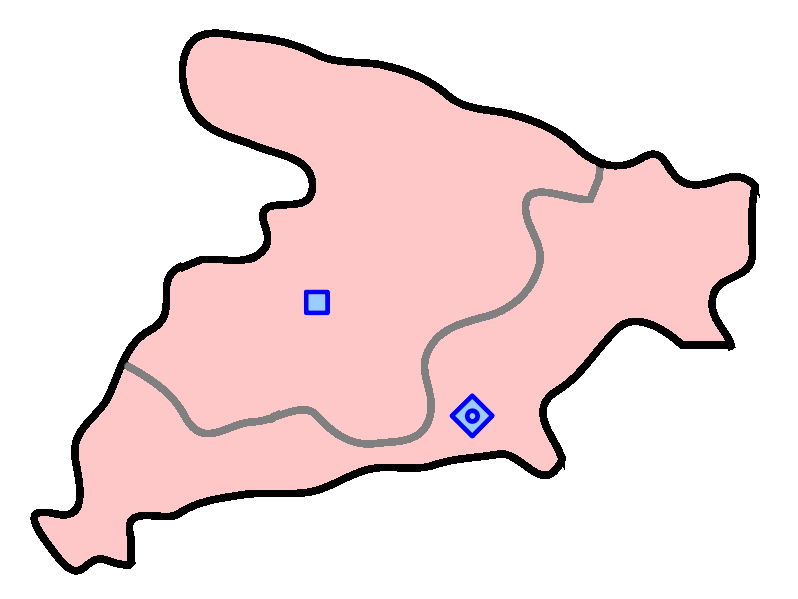
Alborz province is one of Iran's 31 provinces, and the smallest in terms of area. Its capital is Karaj, situated about 40 kilometers west of Tehran at the base of the Alborz mountain range. The province was created in 2010, when Karaj, Nazarabad, and Savojbolagh Counties were split off from Tehran Province.
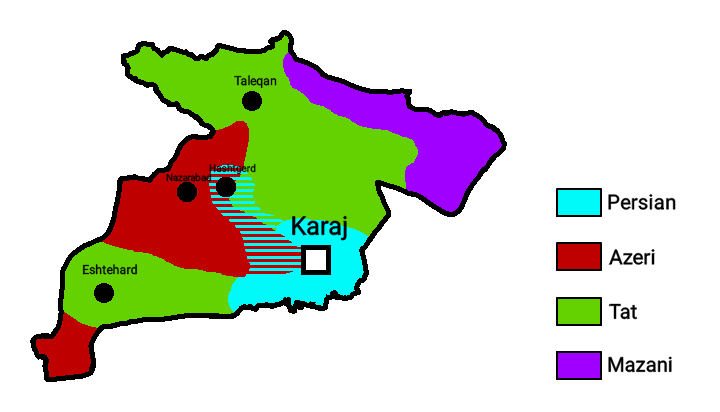
The majority of Alborz's population is ethnically Persian. According to the 2006 census, the areas that would later become the province had 2,053,233 residents. By the first official census after its creation in 2011, the population had grown to 2,412,513, and it reached 2,712,400 by the 2016 census.
Over 92 percent of the province's people—2,512,737 individuals as of 2016—live in its cities. The province is connected to Tehran by Freeway 2, and the Tehran Metro's Line 5 (dark green) serves three stations in Alborz: Karaj, Mohammadshahr, and Golshahr. Another metro line runs 25 kilometers from Golshahr to Hashtgerd, with a daily capacity of 250,000 passengers. Trains traveling between Tehran and western Iran, as well as those bound for Turkey, pass through Karaj, with most stopping at its railway station. Shared taxi stations in Tehran's Vanak, Tajrish, Enghelab, and Azadi neighborhoods offer service to various parts of Alborz Province, with fares ranging from 40,000 to 50,000 rials depending on the route.
- Area
- Smallest province in Iran
Lore & Background
Alborz province, the smallest in Iran by area, was established in 2010 when the counties of Karaj, Nazarabad, and Savojbolagh were separated from Tehran Province. Its capital, Karaj, is situated 40 kilometers west of Tehran, at the foothills of the Alborz mountains. The province’s population has grown rapidly, rising from over 2.05 million in 2006 to more than 2.41 million in 2011, and reaching about 2.71 million by 2016. The majority of residents are ethnic Persians. Karaj is a major transportation hub: it lies on Freeway 2 connecting Tehran and Tabriz, and all trains linking Tehran to western Iran and Turkey pass through its railway station. The Tehran Metro extends into the province via Line 5, with stations at Karaj, Mohammadshahr, and Golshahr, while a separate 25-kilometer line from Golshahr to Hashtgerd can carry 250,000 passengers daily. Shared taxi services from several stations in Tehran provide frequent connections to different parts of the province. Over 92 percent of the population lives in urban areas, with the province’s cities accounting for more than 2.5 million residents according to the 2016 census.
Reader's Guide
Alborz province, the smallest of Iran’s 31 provinces by area, was established in 2010 when the counties of Karaj, Nazarabad, and Savojbolagh were separated from Tehran Province. Its capital, Karaj, lies approximately 40 kilometers west of Tehran at the base of the Alborz mountain range. The province is densely populated, with over 92 percent of its residents living in urban areas. According to the 2016 census, the total population reached 2,712,400, up from 2,412,513 in 2011 and 2,053,233 in 2006 (when the area was still part of Tehran Province). Ethnic Persians form the majority of the population. Transport links are well-developed: the Tehran Metro’s Line 5 connects to Karaj, Mohammadshahr, and Golshahr, with an additional 25-kilometer line from Golshahr to Hashtgerd capable of carrying 250,000 passengers daily. Karaj lies on Freeway 2, which connects Tehran and Tabriz, and its railway station serves all trains linking Tehran to western Iran and Turkey. Shared taxi services from several stations in Tehran—including Vanak, Tajrish, Enghelab, and Azadi—provide frequent connections to various parts of the province, with fares varying by route.
Did You Know?
- Alborz province is Iran's smallest province in area.
- The province was established in 2010 from counties formerly part of Tehran Province.
- The Tehran Metro's Line 5 connects to Karaj with three stations: Karaj, Mohammadshahr, and Golshahr.
Founding and Administrative Identity
Alborz province stands as one of Iran's thirty-one provincial divisions, yet it occupies a uniquely compact footprint, holding the distinction of being the country's smallest province by land area. The entity was formally established in 2010, when three counties—Karaj, Nazarabad, and Savojbolagh—were carved out of the larger Tehran Province to create this new administrative unit. The provincial capital, Karaj, sits roughly forty kilometres to the west of the national capital, nestled at the base of the Alborz mountain range. This geographic placement at the mountain foothills gives the province a distinct topographic character that sets it apart from the flatter terrain of greater Tehran. Despite its modest size, the province carries significant administrative weight, housing a dense urban population and serving as a critical transit corridor. The 2010 reorganisation reflected a practical need to manage the growing suburban and peri-urban communities that had been administratively absorbed into Tehran Province for decades. The three founding counties together form a cohesive western gateway to the capital region, each contributing its own municipal identity to the broader provincial structure.
Demographic Profile and Urban Concentration
The population of Alborz province has shown steady growth across successive national censuses. In 2006, the three counties that would eventually be reorganised into the new province recorded a combined total of 2,053,233 residents. Following the 2010 administrative split, the first dedicated provincial census in 2011 counted 2,412,513 inhabitants. By the 2016 census, that figure had climbed to 2,712,400, reflecting a gain of nearly 660,000 people over just five years. Ethnically, the province is predominantly Persian, with the majority of residents identifying as members of that group. What is particularly striking is the degree of urbanisation: according to the 2016 data, 2,512,737 people—representing more than 92 percent of the total provincial population—reside within the province's cities. This extraordinary concentration means that Alborz is overwhelmingly an urban entity, with very little rural hinterland. The rapid numerical growth between 2011 and 2016 underscores how the province has continued to attract residents even after its formal establishment, reinforcing its role as a major suburban and commuter zone adjacent to Tehran.
Transportation Network and Daily Mobility
Alborz province benefits from a layered transportation system that links it tightly to Tehran and to destinations far beyond. The Tehran Metro extends into the province via Line 5, the dark green route, which serves three stations: Karaj, Mohammadshahr, and Golshahr. An additional 25-kilometre rail segment runs from Golshahr to Hashtgerd, designed to carry up to 250,000 passengers per day. Beyond the metro, Karaj functions as a key node on the national rail network; virtually every train travelling between Tehran and western Iran, as well as services bound for Turkey, passes through the city, and the majority make a stop at Karaj Railway Station. Road connections are equally vital: Karaj sits along Freeway 2, the major highway linking Tehran with Tabriz in the northwest. For shorter, more flexible commutes, shared taxi stations at Vanak, Tajrish, Enghelab, and Azadi in Tehran dispatch passengers to various points within Alborz province, with fares ranging between 40,000 and 50,000 rials depending on the specific route. Together, these modes create a dense web of daily mobility options for the province's two-and-a-half-million residents.
Geographic Setting and Strategic Corridor Role
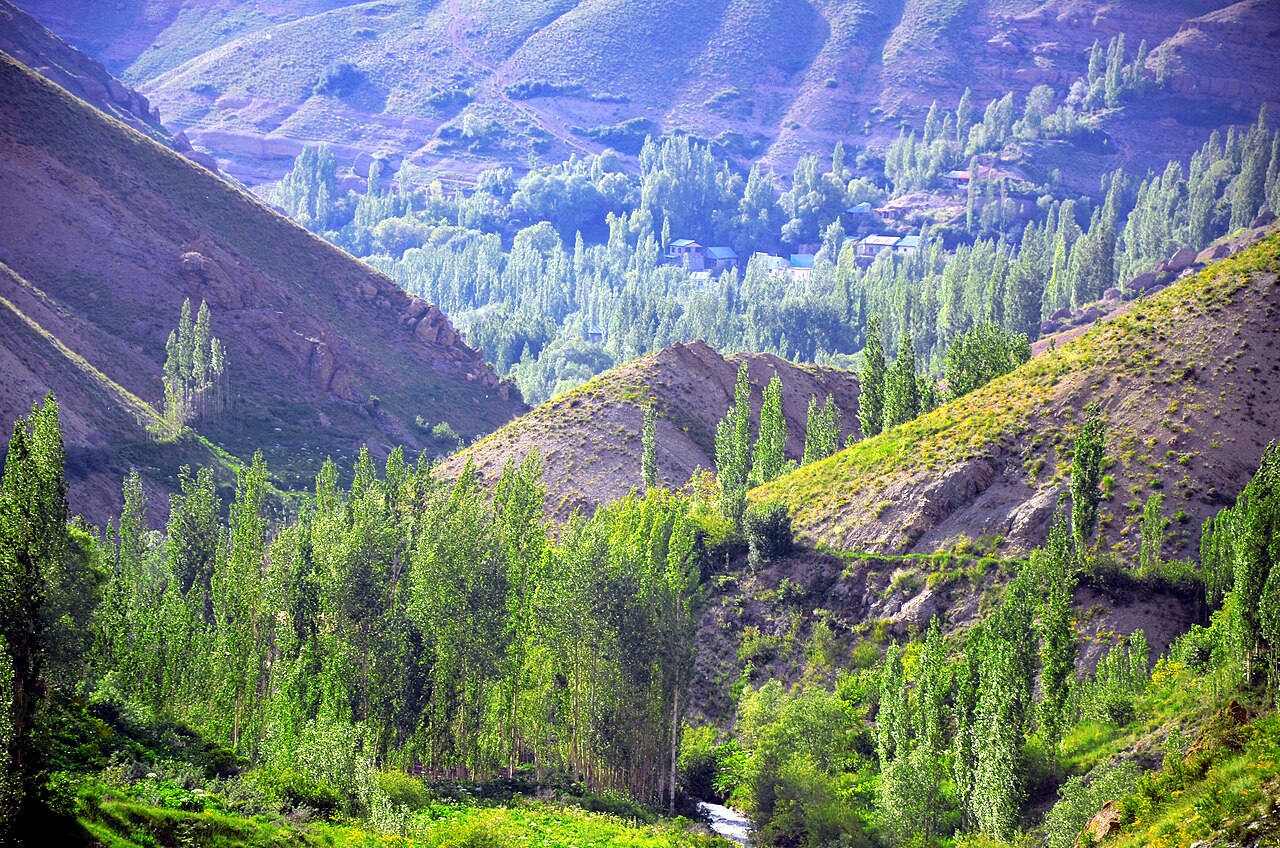
Although Alborz province is the smallest of Iran's thirty-one provinces in terms of territory, its geographic position grants it an outsized strategic significance. The province stretches along the western foothills of the Alborz mountain range, with its capital Karaj positioned approximately forty kilometres west of Tehran. This placement at the mountain's base creates a natural transition zone between the capital's urban sprawl and the higher terrain to the north. More importantly, the province occupies a critical corridor: it is the route through which rail traffic destined for western Iran and Turkey must pass, making Karaj an unavoidable waypoint on long-distance journeys. The same corridor logic applies to road transport, as Freeway 2 threads through the province on its way from Tehran to Tabriz. The combination of mountainous backdrop, proximity to the capital, and its role as a transit artery means that despite its compact area, Alborz province punches well above its size in terms of regional connectivity. Its three founding counties—Karaj, Nazarabad, and Savojbolagh—collectively form this narrow but vital western gateway, threading between the Alborz peaks and the plains that lead toward the country's interior.
Gallery

Frequently Asked Questions
What is Alborz province?
Alborz is one of Iran's 31 provincial divisions, carved out of the former Tehran Province in 2010. Its capital city is Karaj, which sits at the base of the Alborz mountain range roughly 40 km west of Tehran.
When and why was Alborz province created?
The province was officially established in 2010 by splitting territory away from Tehran Province. The move was driven by rapid urbanization and population growth in the region, making separate administrative governance more practical.
What is the capital of Alborz province?
Karaj serves as the provincial capital, positioned at the foothills of the Alborz mountains about 40 kilometers to the west of Tehran.
Is Alborz the smallest province in Iran?
Yes, Alborz holds the distinction of being the smallest of Iran's 31 provinces by area. Despite its compact size, it is one of the most densely populated and fast-urbanizing regions in the country.
Why is Alborz province significant?
Its proximity to Tehran and location at the mountain foothills make it a key residential and economic zone for the capital region. The province's rapid growth and urbanization have made it a focal point for infrastructure and planning discussions in Iran.
More in Provinces Of Iran 1-24
Spotted an error? Know more?
This is a living reference — every entry is fact-audited, and reader corrections feed straight into our audit queue. Suggest an edit · See this site's audit record