Strontium
Alkaline earth metal used in CRTs and fireworks.
Last updated
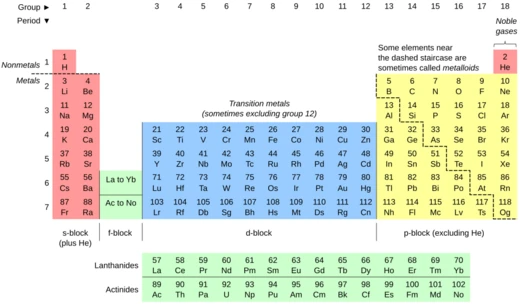
Strontium, a divalent metal, appears silvery with a pale yellow tint, and its characteristics generally fall between those of calcium and barium.[1]
Quick Facts
- Atomic number
- 38
- Group
- alkaline earth metal
- Melting point
- 777 °C
- Boiling point
- 1377 °C
- Discovered
- 1790 by Adair Crawford and William Cruickshank
Facts from the source article.
Key facts and history
Strontium is the 15th most abundant chemical element on Earth.[2] Only two minerals, strontianite and celestite, contain sufficient strontium for commercial use.[2] The mineral strontianite was found in 1790 close to the village of Strontian in Scotland, and both the mineral and the element derived their names from this location.[2] Adair Crawford and William Cruickshank observed that the ores from Strontian had properties unlike those from other sources of "heavy spars".[3]
The strontium industry saw a sharp downturn after flat panel displays replaced cathode-ray tubes.[2]
What the research sources say
The U.S. Geological Survey notes that celestite is by far the most abundant strontium mineral and that virtually all strontium compounds are processed from it.[2] Most strontium compound producers require raw celestite to contain at least 90 percent strontium sulfate because it commonly occurs with barium and calcium minerals.[2] World strontium production peaked in 2005 at 525,000 metric tons, then declined to 219,000 metric tons in 2010.[2] WebMD states that strontium is a trace mineral naturally found in the body and in some foods in very small amounts.[4]
WebMD also notes that a specific form, strontium ranelate, can increase the risk of a blood clot in arteries or veins.[4]
References
- Wikipedia, "Strontium" (CC BY-SA 4.0), which cites: Greenwood and Earnshaw, pp. 112–13 (original not read by us) en.wikipedia.org
- "Mineral Resource of the Month: Strontium", U.S. Geological Survey, 8 December 2014. facts only, no text reused. earthmagazine.org
- Wikipedia, "Strontium" (CC BY-SA 4.0), which cites: Crawford, "On the medicinal properties of the muriated barytes", Medical Communications, 1790, p. 301–59 (original not read by us) en.wikipedia.org
- "Strontium", WebMD. facts only, no text reused. webmd.com
Each numbered sentence above was checked against the source it cites before publication. Sentences citing Wikipedia adapt text from the English Wikipedia article Strontium (contributors), used under CC BY-SA 4.0; this entry is available under the same licence. Other sources were used for facts only; no text or images are copied from them.
Also in the Codexery
More in Periodic Table & Elements
Sources
Compiled from Wikipedia and the sources listed below. Text from Wikipedia is available under CC BY-SA 4.0; this entry is adapted from it.
- Wikipedia: Strontium (CC BY-SA 4.0).
- Word definitions: the , each quoted from its Wikipedia article.
Spotted an error? Know more?
Reader corrections go straight into our review queue. Suggest an edit · How this site is sourced