Dirk Gates
Founder of Xircom and Xirrus, pioneer of notebook Ethernet adapters.

Department of the Interior. National Business Center. Administrative Operations · Public domain
Dirk I. Gates was born on June 25, 1961, in Fort Wayne, Indiana. He is an American businessman who founded and led two companies: Xircom and Xirrus.
Gates earned a Bachelor of Science in Engineering from California State University, Northridge in 1983. He completed an MBA at Pepperdine University in 1990 at age 27, the same year he co-founded Xircom with Kirk Mathews. Xircom developed the first Ethernet Pocket Adapter, which let notebook computers connect to Ethernet LANs, and the first Type III PC Card, the RealPort, which allowed direct Ethernet and phone cable connections without dongles. Gates became Xircom’s president after its launch in November 1988, CEO in 1991, and chairman in 1995. In March 2001, after 13 years, he negotiated Xircom’s sale to Intel for $748 million. He then served as Intel’s vice president and general manager of mobile communications. In early 2004, he co-founded Xirrus with Patrick Parker and Steve DeGennaro, a Wi-Fi technology company that designs and sells Wi-Fi Arrays based on IEEE standards 802.11a, 802.11b, 802.11g, and 802.11n. He was Xirrus’s CEO until June 2012, when he became Executive Chairman.
In 1992, Gates was named High Technology Entrepreneur of the Year for Greater Los Angeles. In 1994, he appeared on Forbes Magazine’s Whiz Kid list of the five youngest CEOs of America’s best small companies. He appeared on the Dylan Ratigan show on MSNBC in September 2010 and on a ForbesTV segment with Kym McNicholas in January 2011. He has given many speeches on Wi-Fi, including the keynote at Interop New York 2010. He has served on the CSUN Foundation Board, as Chairman of the Viewpoint School Board of Trustees, and as a member of the Pepperdine Board of Visitors. In 1997, he donated $1 million each to CSUN and Pepperdine University.
Gates is active in high-power rocketry, flying large model rockets in California and Nevada. He started a side company, Gates Brothers Rocketry, with his brother Erik. The duo appeared on several episodes of the Discovery Channel’s *MythBusters* involving rocketry, including the pilot episode.
Quick Facts
- Birth Date
- June 25, 1961
- Education
- MBA
- Alma Mater
- Pepperdine University
- Occupation
- CEO of Xircom and Xirrus
Facts from the source article.
Lore & Background
Dirk Gates co-founded Xircom in November 1988 with Kirk Mathews, creating the industry's first Ethernet Pocket Adapter for notebook computers and the first Type III PC Card, the RealPort, which allowed direct connection of Ethernet and phone cables without dongles. He served as Xircom's president from launch, became CEO in 1991, and chairman in 1995. In March 2001, after 13 years, he negotiated Xircom's sale to Intel for US$748 million, then served as Intel's vice president and general manager of mobile communications. In early 2004, he co-founded Xirrus, a Wi-Fi technology company, with Patrick Parker and Steve DeGennaro, serving as CEO until June 2012, then as Executive Chairman. Xirrus designs and sells wireless networking equipment called Wi-Fi Arrays based on IEEE standards 802.11a, 802.11b, 802.11g, and 802.11n. Gates is an avid high-power rocketry hobbyist, flying large model rockets in California and Nevada, and started a side company, Gates Brothers Rocketry, with his brother Erik. The duo appeared on several episodes of the Discovery Channel series MythBusters involving rocketry, including the pilot episode.
Reader's Guide
Dirk Gates's significance lies in his founding of Xircom, which produced the first Ethernet Pocket Adapter and the first Type III PC Card (RealPort), innovations that enabled notebook computers to connect to Ethernet LANs without external dongles. This advancement was foundational for mobile computing connectivity in the late 1980s and 1990s. The sale of Xircom to Intel for US$748 million in 2001 marked a major exit in the tech industry. His subsequent company, Xirrus, advanced Wi-Fi technology with its Wi-Fi Arrays, supporting multiple IEEE standards. Gates also contributed to education through $1 million donations to California State University, Northridge and Pepperdine University in 1997, and served on boards including the CSUN Foundation Board, Viewpoint School Board of Trustees, and Pepperdine Board of Visitors. His public appearances include the Dylan Ratigan show on MSNBC (September 2010) and a ForbesTV segment (January 2011), as well as a keynote address at Interop New York 2010. His rocketry hobby, featured on MythBusters, adds a cultural dimension to his legacy.
Did You Know?
- Dirk Gates co-founded Xircom with Kirk Mathews in November 1988.
- He appeared on the pilot episode of the Discovery Channel series MythBusters with his brother Erik.
The Name Behind the Name
The story of how Windows NT earned its initials is layered with competing claims. One popular theory, attributed to architect Dave Cutler, suggests "WNT" was a deliberate letter-by-letter increment of "VMS," the operating system he had previously worked on at Digital Equipment Corporation. However, two of the project's original developers, Mark Lucovsky and Dave W. Plummer, offered a different explanation: the name traced back to the Intel i860 processor, which carried the internal code name N10, or "N-Ten." The project itself was initially conceived as a successor to OS/2 and even went by the working title "NT OS/2" before Microsoft attached its Windows brand. In a 1991 promotional video, Bill Gates described the initials as standing for "New Technology," yet by a 1998 question-and-answer session he had walked that back, declaring the letters no longer carried any particular meaning. Adding a commercial wrinkle, "NT" was also a registered trademark of Northern Telecom (later Nortel), a fact Microsoft had to acknowledge on product packaging. By the time Windows 2000 shipped, the initials had been quietly retired from the product name entirely.
A Kernel Built for the Future
At its core, Windows NT represented a fundamental architectural break from the Windows that came before it. Where earlier releases like Windows 3.1 relied on segmented memory and 16-bit addressing with occasional 32-bit page switches, NT 3.1 introduced a true 32-bit flat virtual memory model on 32-bit processors. Its kernel operated in supervisor mode—what x86 systems call ring 0—and delivered full preemptive multitasking, meaning the system could interrupt a running task and reschedule another without waiting for the application to voluntarily yield the CPU. The design also emphasized portability through a Hardware Abstraction Layer, allowing the same codebase to target multiple processor architectures including IA-32, MIPS, DEC Alpha, and later PowerPC, Itanium, x86-64, and ARM. Security was woven in from the start via per-object access control lists, and the NTFS journaled file system provided a secure storage layer. Newer iterations extended the kernel to 64-bit while maintaining backward compatibility with 32-bit software.
From Server Room to Living Room
When Windows NT 3.1 launched on July 27, 1993, it was squarely aimed at the commercial world: workstations, offices, and server rooms. It was designed to sit alongside the consumer-facing Windows releases that still depended on MS-DOS underneath, from Windows 1.0 through the 3.1x line. The 1996 arrival of NT 4.0 marked a visual turning point, as Microsoft grafted the familiar Windows 95 shell onto the NT foundation, replacing the older Program Manager interface. Over the following years, Microsoft made the strategic decision to fold NT technology into the personal-computing product line and phase out the Windows 9x family entirely. Starting with Windows 2000, the "NT" label was dropped from the product name, though the technology remained embedded in low-level system components. Windows XP in 2001 finally brought the NT lineage to a broad consumer audience. The product family has continued to evolve, with Windows Server 2025, announced in 2024, representing the latest iteration of the same underlying architecture.
The Foundation That Never Left
What makes Windows NT's story remarkable is not just what it introduced in 1993 but how persistently its architecture has endured. The underlying technology continues to underpin every modern Windows release, evolving through incremental refinements rather than wholesale replacement. The installation process itself reflects this lineage: Windows Setup, the Windows Preinstallation Environment (a lightweight NT build designed specifically for deployment), the Windows Imaging Format for storing installation files, and the Deployment Image Servicing and Management tool for command-line installs all trace back to NT-era design decisions. The system's networking stack, originally derived from a STREAMS-based implementation by Spider Systems and later rewritten in-house, and its per-object security model remain recognizable descendants of the original NT design. Even the API personalities that once let NT speak POSIX and OS/2—phased out by the Windows XP era—illustrate how the platform was built with an eye toward broad compatibility from day one. Three decades on, the NT kernel remains the beating heart of Microsoft's operating system strategy.
Gallery
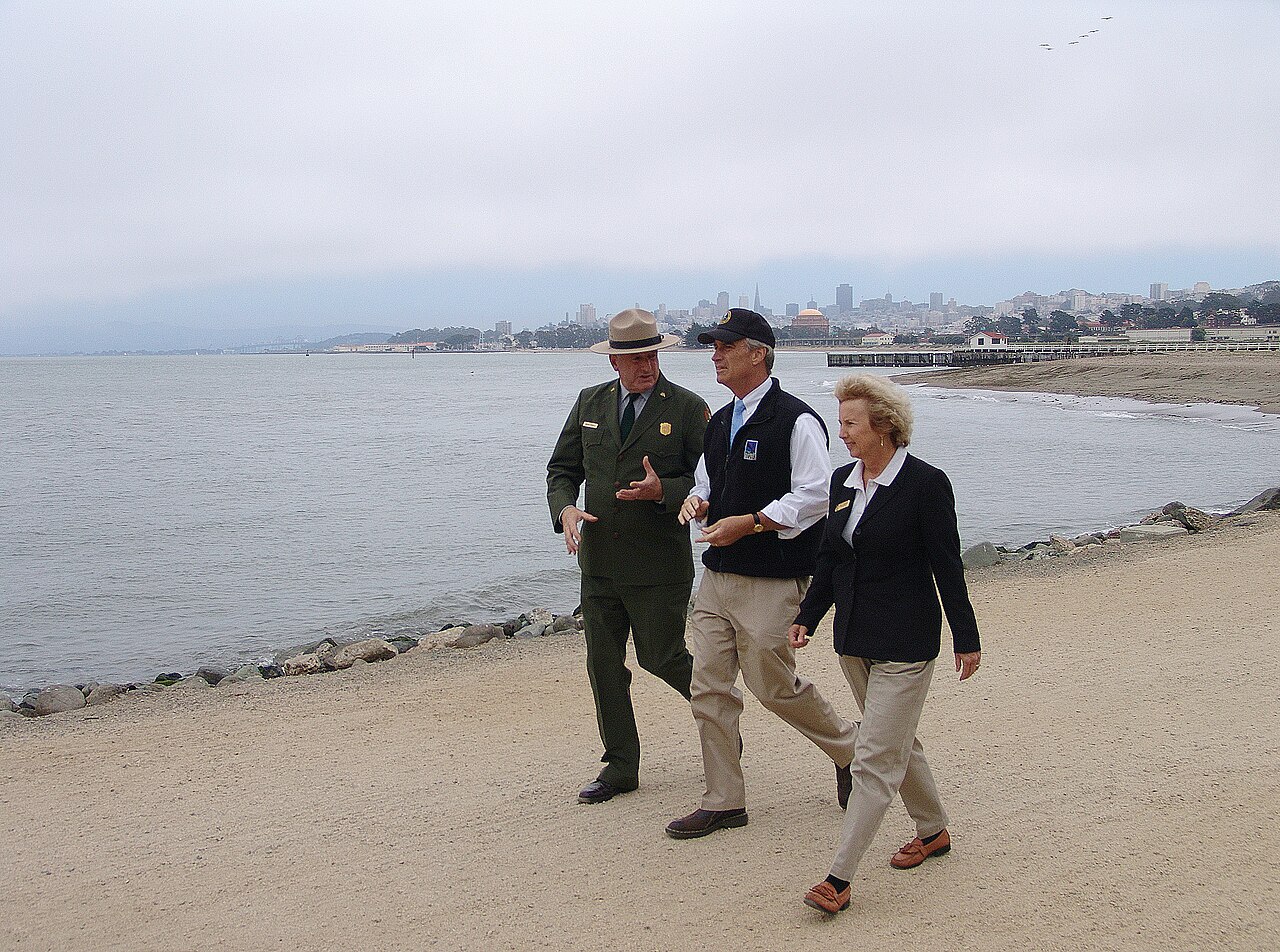
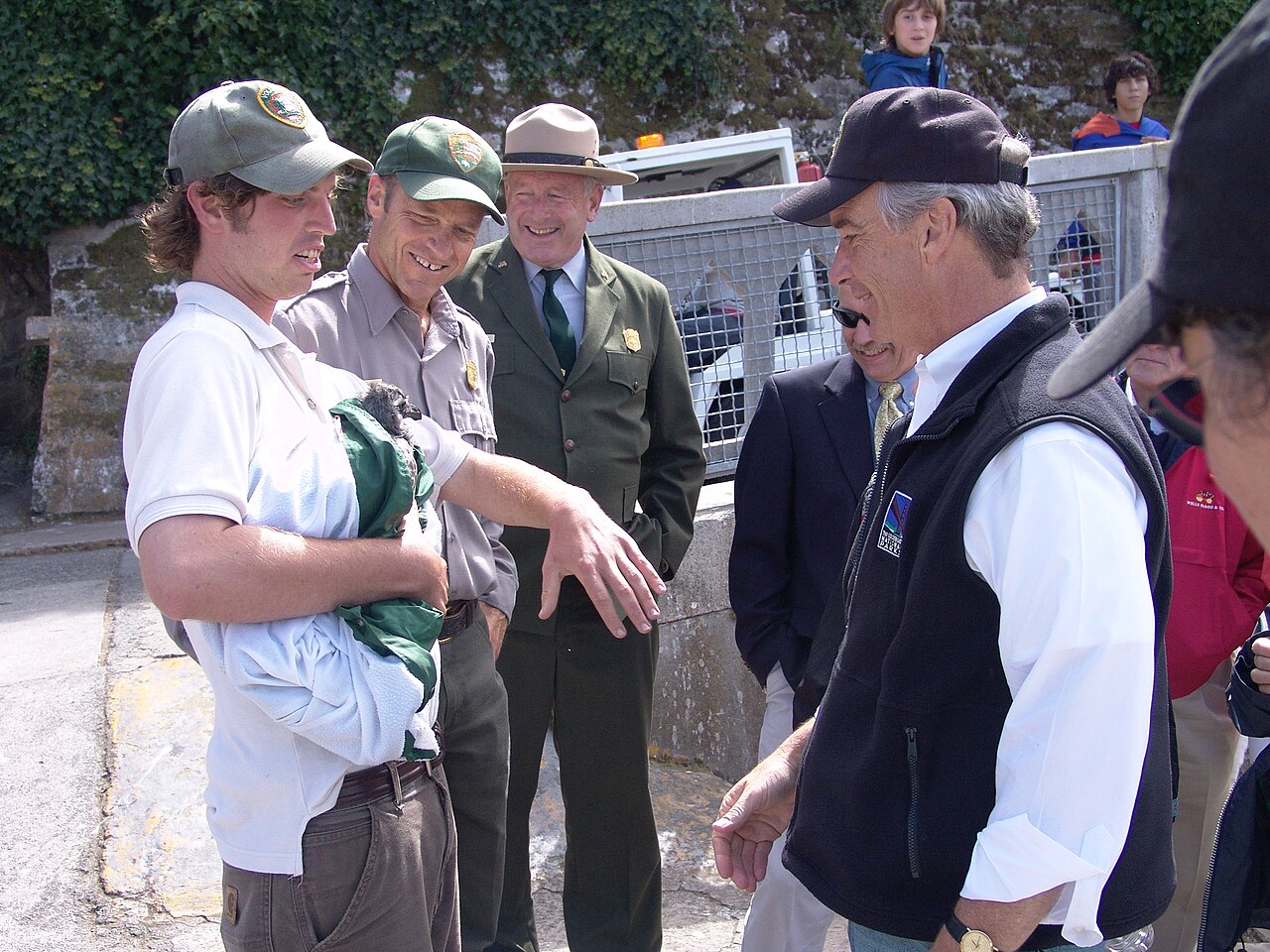
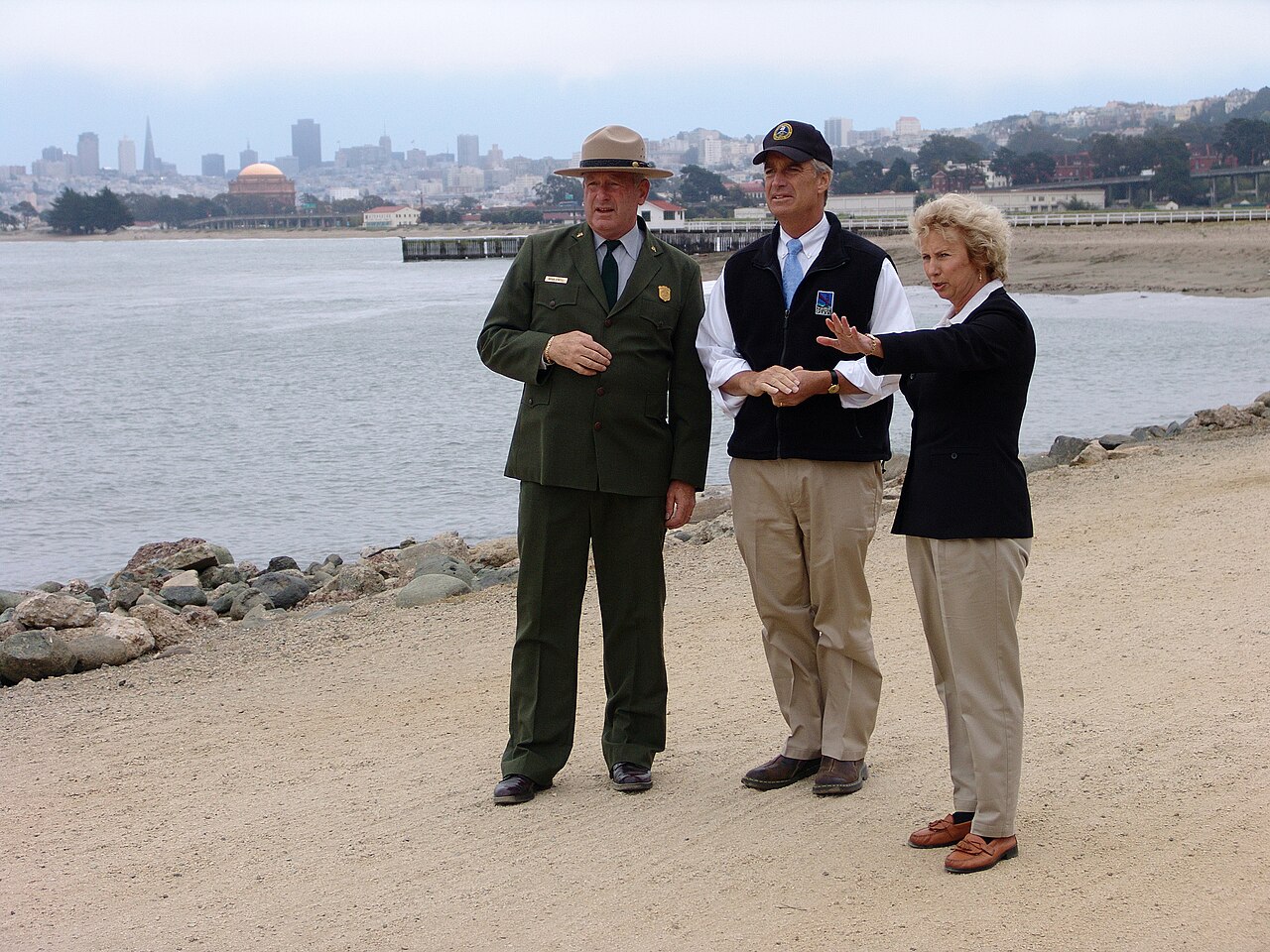
Frequently Asked Questions
Who is Dirk Gates?
Dirk I. Gates is an American businessman born on June 25, 1961, in Fort Wayne, Indiana. He is best known for founding and leading two networking companies, Xircom and Xirrus.
What companies did Dirk Gates found?
He co-founded Xircom with Kirk Mathews in 1990 and later co-founded Xirrus with Patrick Parker and Steve DeGennaro in early 2004. Both ventures focused on wireless and wired network connectivity for portable computers.
What made Xircom notable in PC hardware history?
Xircom developed the first Ethernet Pocket Adapter, enabling notebook PCs to join Ethernet LANs, and introduced the RealPort, the first Type III PC Card that connected directly to Ethernet and phone cables without needing external dongles.
What happened to Xircom and what role did Gates take afterward?
Intel acquired Xircom in March 2001 for roughly US$748 million. Following the sale, Gates stepped into a leadership position at Intel as vice president and general manager of mobile communications.
More in PC Hardware, Part 2 1-24
Spotted an error? Know more?
Reader corrections go straight into our review queue. Suggest an edit · How this site is sourced