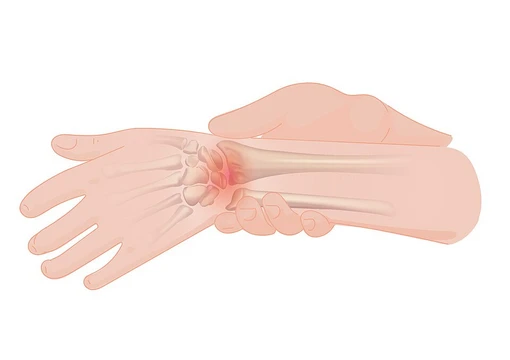
Epigenetics of chronic pain
Study of epigenetic modifications in chronic pain development and treatment.

Epigenetics of chronic pain examines how changes in gene expression, driven by chemical modifications to chromatin rather than alterations to the DNA sequence itself, influence the onset and persistence of chronic pain. These chromatin modifications have been shown to impact neural processes like synaptic plasticity and memory formation, both of which are key mechanisms in chronic pain. This field offers a fresh angle on the biological underpinnings of chronic pain and potential avenues for treatment.
Chronic pain frequently stems from inflammation in peripheral tissues or from nerve and tissue damage. One contributing factor is a "pain wind-up," where ongoing activation of pain signals leads to increased pain intensity. This persistent signaling gradually lowers the pain threshold and amplifies the pain response at the injury site and nearby areas. In the United States, about 50 million adults experience chronic pain, resulting in an estimated annual economic loss of $560–$635 billion. The condition, along with related chronic health issues, imposes both physical and mental strain; rates of depression are notably higher among those with chronic pain, and it frequently co-occurs with PTSD. Current treatments mainly involve opioids and anti-inflammatory drugs, which manage symptoms without addressing the root cause and carry risks of side effects and substance abuse—opioids, for instance, can impair the immune system, lead to physical dependence, or cause overdose. Understanding the epigenetic changes tied to chronic pain could help clarify its biological mechanisms and guide future therapies.
Epigenetic alterations involve lasting shifts in gene expression through chemical modifications or persistent additions to chromatin, without changing the DNA sequence. These changes can either boost or suppress gene activity via several mechanisms, primarily DNA methylation and histone modifications (such as methylation, acetylation, and phosphorylation), along with regulation by non-coding RNA. This article focuses on the first two.
In histone methylation, methyl groups are added to specific amino acids on histone proteins, which can either enhance or repress gene expression depending on the location and extent of methylation. These epigenetic changes respond to an organism’s experiences and environment.
- Field
- Epigenetics, chronic pain research
- Known for
- Studying how epigenetic alterations like histone methylation and acetylation influence chronic pain development and treatment
- Prevalence 2015
- 20.4% of US adults dealt with chronic pain (2016 NHIS data)
- Us adults affected
- About 50 million (2018-2019 CDC data)
- Economic loss us
- $560–$635 billion annually
Lore & Background
Chronic pain is often caused by peripheral tissue inflammation or nerve and tissue damage. One potential cause is the production of a pain wind-up, which is an increase in pain intensity in response to persistent activation of pain signals. This persistent pain reduces the threshold to feel pain over time and amplifies the pain response at the site of injury and surrounding areas. Chronic pain and accompanying chronic health conditions take a physical and mental toll on those who suffer from them, with higher rates of depression and high comorbidity with PTSD.
Reader's Guide
Epigenetic alterations involve lasting changes in gene expression without changes in DNA sequence, through mechanisms such as DNA methylation and histone modifications. Histone methylation can enhance or repress gene expression depending on location and degree. For example, decreased methylation of Lys27 histone H3 at a proinflammatory cytokine promoter increased production of pro-inflammatory cytokines, leading to central sensitization and a neuropathic pain-like state. Histone acetylation promotes gene expression by making DNA more accessible for transcription. Studies have shown that upregulation of HDAC1 and decrease in histone H3 acetylation in the dorsal horn of the spine increase pain sensitivity, while administration of HDAC inhibitors alleviates hyperalgesia and allodynia. Understanding these epigenetic modifications may help identify biological mechanisms of chronic pain development and inform future treatment plans, potentially addressing root causes rather than just managing symptoms with opioids or anti-inflammatory drugs.
More in Pain 1-24
Spotted an error? Know more?
Reader corrections go straight into our review queue. Suggest an edit · How this site is sourced