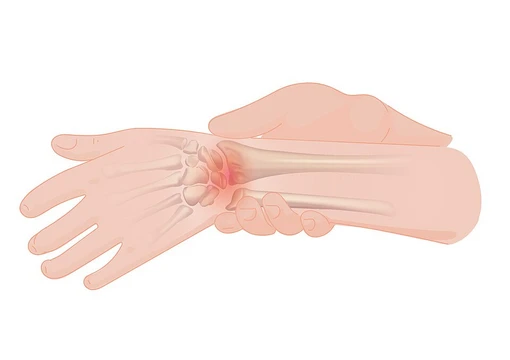
Back pain
Common pain affecting most adults, often nonspecific and self-limiting.

Nenad Stojkovic · CC BY 2.0
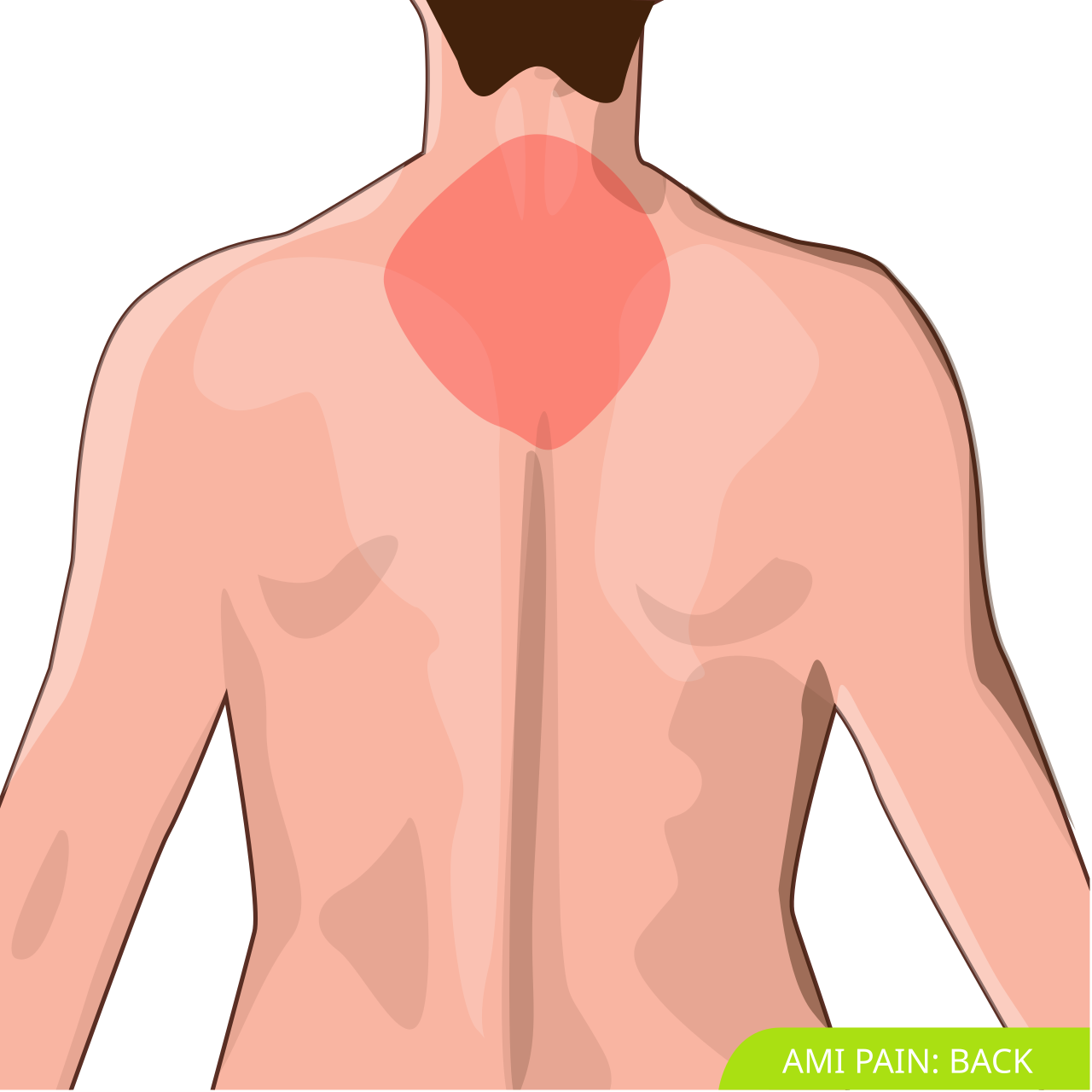
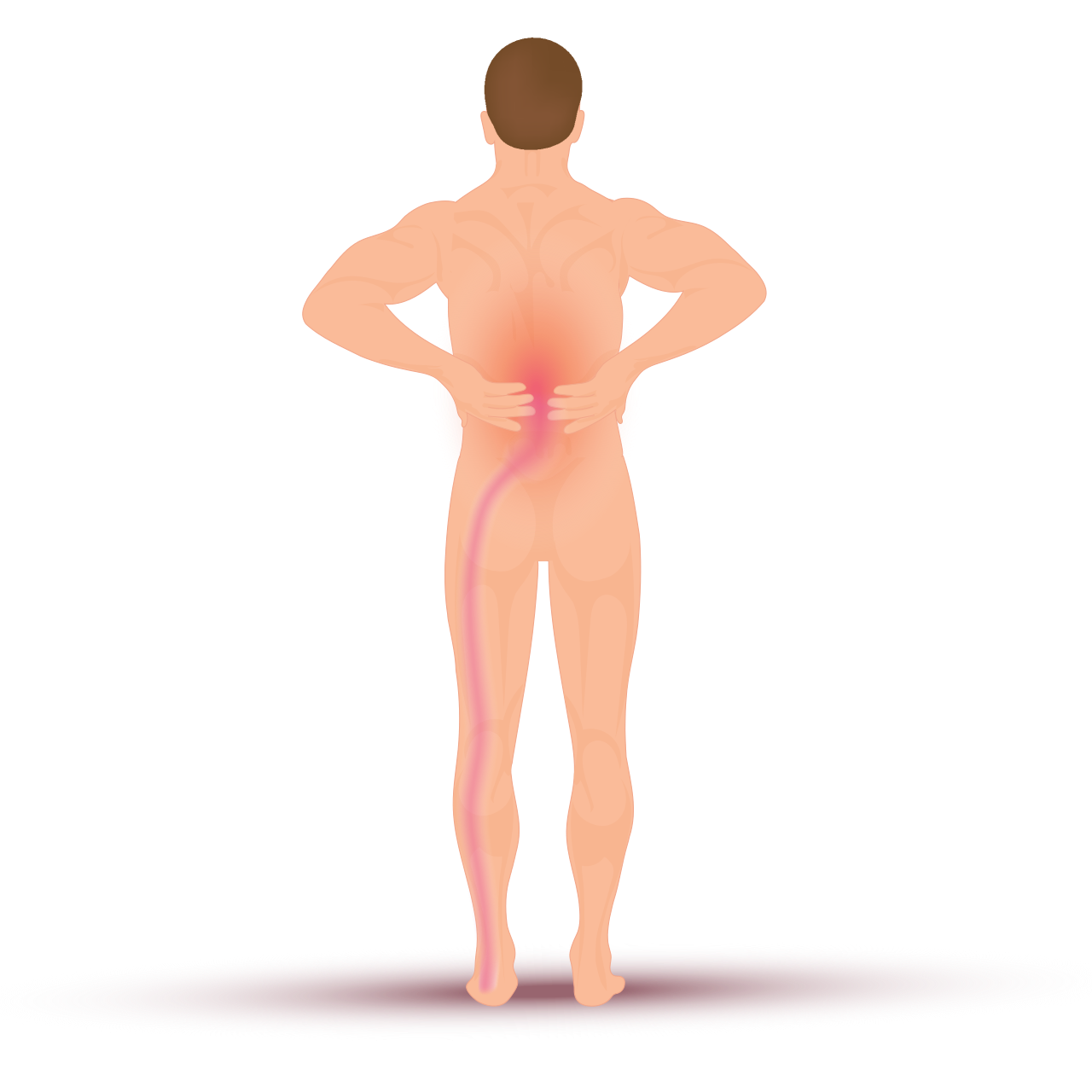
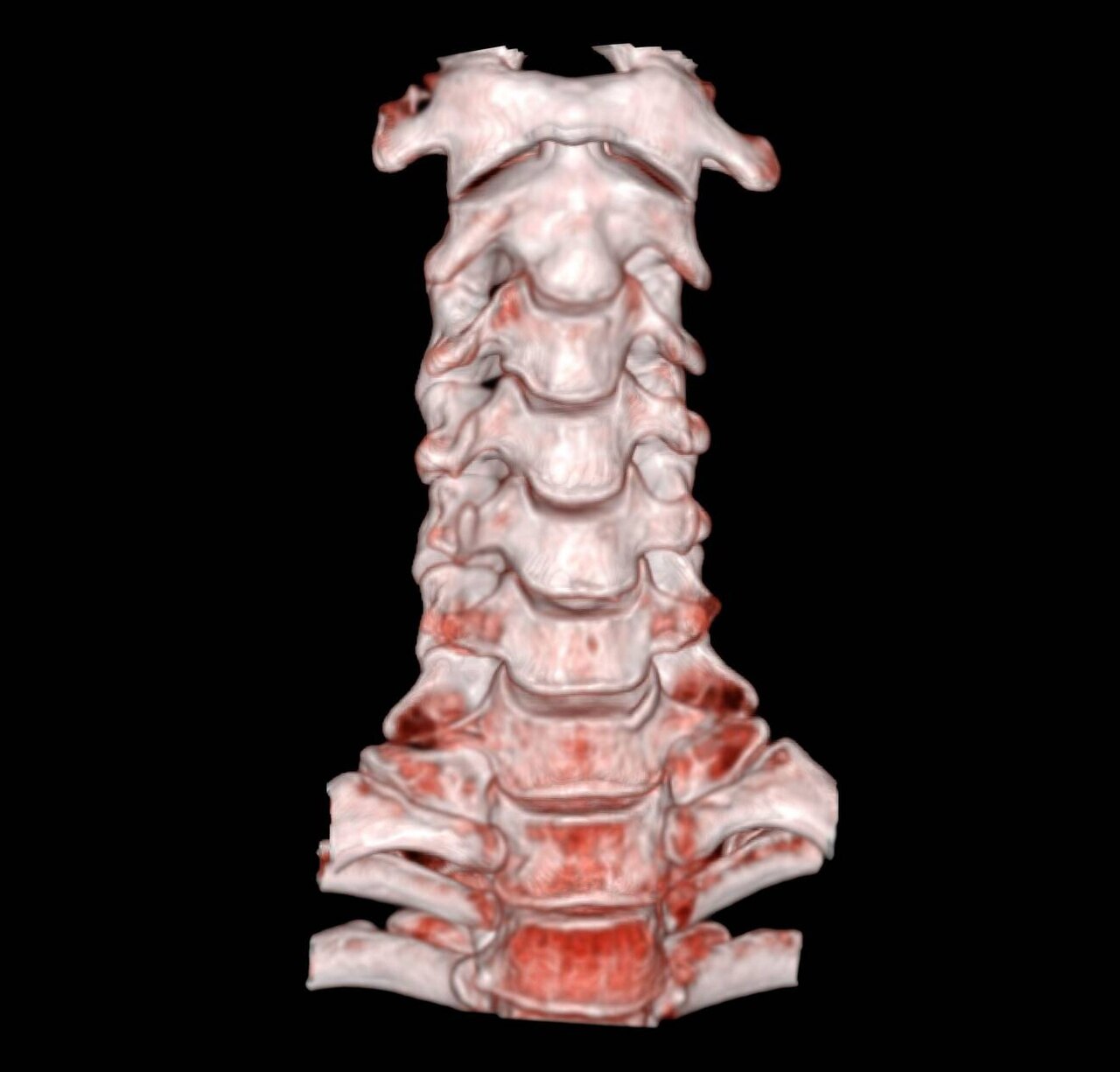
Back pain (Latin: dorsalgia) is pain felt in the back, classified by the affected segment as neck pain (cervical), middle back pain (thoracic), lower back pain (lumbar), or coccydynia (tailbone or sacral pain). The lumbar region is the most commonly affected area. Episodes may be acute, subacute, or chronic depending on duration, and the pain can be described as a dull ache, shooting or piercing pain, or a burning sensation, potentially radiating to the arms, hands, legs, or feet with numbness or weakness.
Quick Facts
- Field
- Orthopedics
Facts from the source article.
Lore & Background
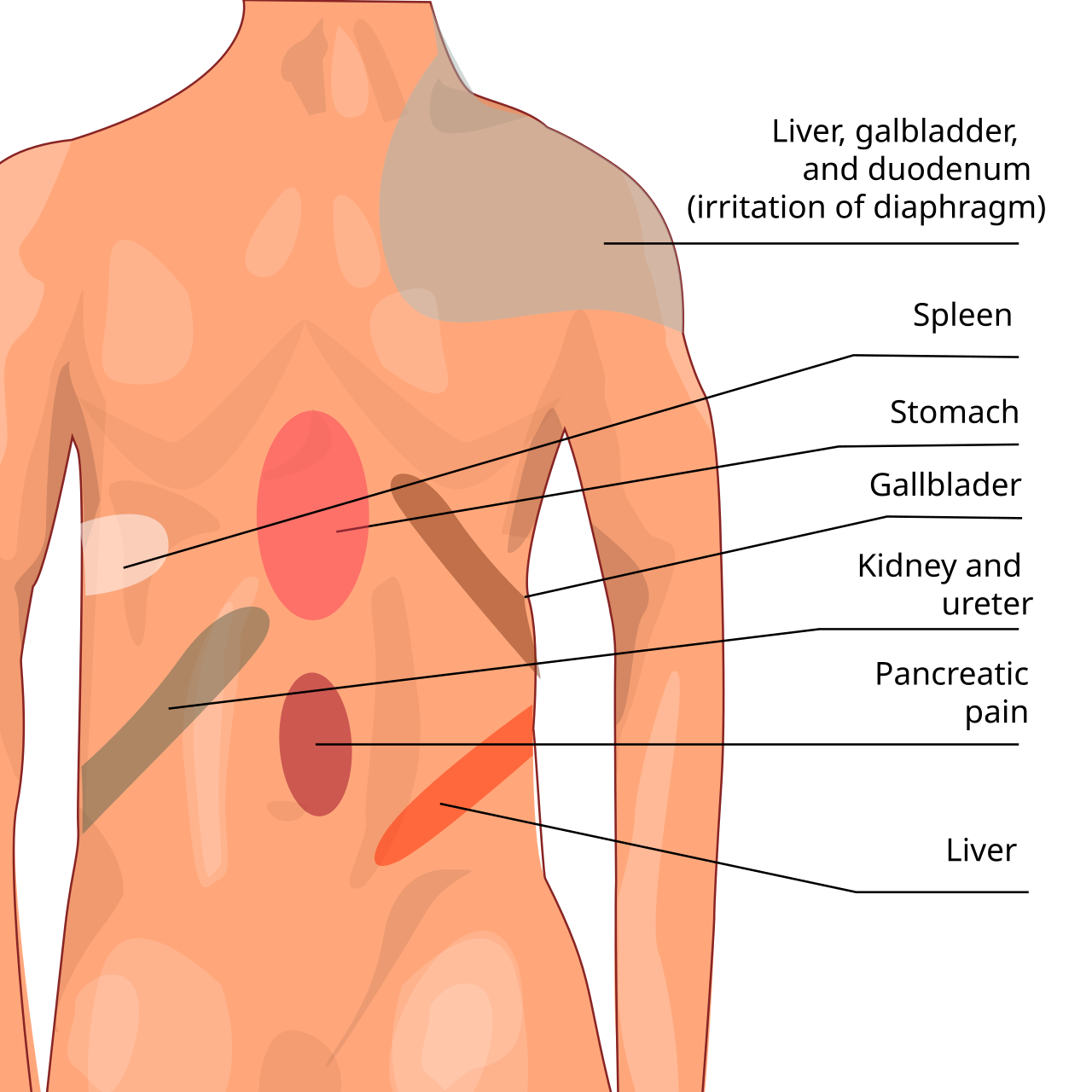
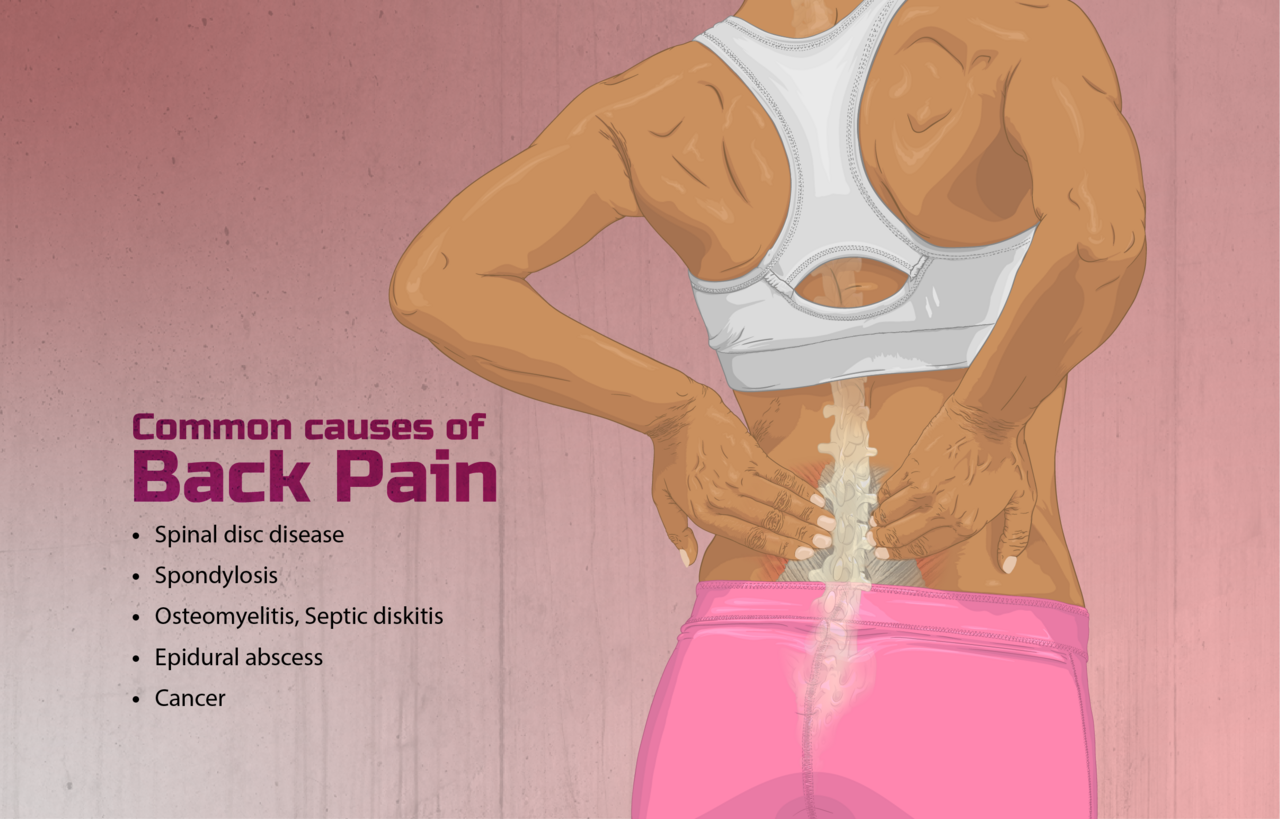
Back pain is a widespread condition, with approximately 90% of cases being nonspecific and idiopathic, meaning no clear structural cause can be identified. Common underlying mechanisms include degenerative or traumatic changes to discs and facet joints, leading to secondary pain in muscles, nerves, and referred pain to bones, joints, and extremities. Diseases of the gallbladder, pancreas, aorta, and kidneys can also cause referred back pain, as can tumors of the vertebrae, neural tissues, and adjacent structures.
Reader's Guide
Back pain is a major contributor to missed work and disability worldwide, with acute low back pain causing 40% of missed work days in the United States. For most individuals, back pain is self-limiting, and most people experience persistent or intermittent mild to moderate pain rather than chronic severe pain. In cases of herniated disks and stenosis, rest, injections, or surgery have similar general pain-resolution outcomes after one year. Chronic back pain, defined as repeated or persistent pain for at least 3 months within the past 12 months, affects a significant portion of adults. Risk factors include heavy lifting, obesity, sedentary lifestyle, lack of exercise, cigarette smoking, and excessive weight gain in pregnancy. The condition is the single leading cause of disability globally.
Did You Know?
- Approximately 90% of all low back pain cases are non-specific, with no clear structural cause identified.
- Back pain is the most common cause of chronic pain and a major contributor to missed work and disability.
- Spinal disc disease most commonly occurs at L4–L5 or L5–S1 and is twice as likely to occur in men.
- Ankylosing spondylitis is the inflammatory arthritis most closely associated with back pain.
Prevalence and the Global Burden
Low back pain is arguably the most widespread musculoskeletal complaint on the planet. At any given moment, roughly nine to twelve percent of the global population—approximately 632 million individuals—experiences it, and nearly a quarter of people report suffering from it during any single month. Over a lifetime, about forty percent will encounter it, with estimates climbing as high as eighty percent in developed nations. The condition typically first strikes between the ages of twenty and forty, often marking a person's first adult visit to a medical professional. Women and older adults face both higher rates of occurrence and greater associated disability. Because the condition is especially prevalent among those aged forty to eighty, the total number of affected individuals is projected to grow steadily as populations age. Its economic footprint is staggering: low back pain stands as the single greatest driver of lost productivity, workplace absenteeism, disability, and early retirement across the world. In 2023, the World Health Organization identified it as the top medical condition from which the most people worldwide could benefit from improved rehabilitation services.
The Diagnostic Puzzle
Unlike many medical conditions, low back pain is not a single disease but rather a broad complaint that can stem from an enormous range of underlying problems. In the vast majority of cases—roughly ninety percent—no specific cause is ever pinpointed, and the pain is attributed to ordinary mechanical issues like muscle sprains, joint strain, or spasms. This nonspecific category means that for most sufferers, the pain simply appears after a lifting motion, a twist, or a forward bend, sometimes manifesting immediately and other times only upon waking the next morning. When symptoms persist beyond conservative management or are accompanied by warning signs such as unexplained weight loss, persistent fever, or notable deficits in sensation and movement, clinicians may pursue further investigation to rule out serious conditions like spinal fractures, infections, or tumors. Notably, imaging studies such as CT scans are generally not recommended for pain lasting under six weeks without red flags, as they offer little diagnostic value and carry their own inherent risks. For women, reproductive conditions including endometriosis, ovarian cysts, and uterine fibroids can also be contributing factors, adding another layer of diagnostic complexity.
A Stepwise Approach to Treatment
Managing low back pain follows a graduated philosophy: keep moving, try non-drug therapies first, and escalate only as needed. Patients are encouraged to maintain normal activity to the extent their pain permits. First-line interventions include superficial heat application, massage, acupuncture, and spinal manipulation. If these measures fall short, nonsteroidal anti-inflammatory drugs become the next logical step. Opioid medications, by contrast, have not been shown to meaningfully reduce either acute or chronic back pain and are explicitly discouraged for long-term use because of their substantial risks, including high addiction rates, accidental overdose, and death. Surgery can offer genuine relief for specific structural problems such as disc-related chronic pain with disability or spinal stenosis, yet no clear surgical benefit has been demonstrated for nonspecific low back pain. Alternative medicine therapies lack sufficient evidence to warrant a recommendation, and the evidence supporting chiropractic care and spinal manipulation remains mixed. For patients whose mood deteriorates alongside their pain, counseling or antidepressant medication may provide meaningful relief.
The Chronic Toll on Body and Mind
While forty to ninety percent of people recover within six weeks of an acute episode, those whose pain persists beyond twelve weeks enter the realm of chronic low back pain—a condition that reshapes far more than just the spine. In chronic cases, the body's pain-processing system can become dysregulated, generating intense pain signals in response to stimuli that would not ordinarily be threatening. The condition extends well beyond the physical: chronic sufferers commonly report disrupted sleep, needing longer to fall asleep, experiencing more nighttime disturbances, sleeping shorter durations, and feeling less satisfied with their rest. Depression and anxiety frequently accompany the ongoing pain, creating a feedback loop that deepens suffering. Psychosocial stressors and unhealthy lifestyle habits compound the musculoskeletal strain, and the condition measurably erodes a person's social standing and economic security. Recurrent episodes affect more than half of those who have experienced low back pain, and these repeat bouts tend to be more painful than the initial one. The cumulative effect is a condition that touches nearly every dimension of daily life, from work to relationships to self-perception.
Gallery

Frequently Asked Questions
Who is Back pain?
Back pain (dorsalgia) is a widespread discomfort localized to the back, most frequently striking the lumbar region. It can manifest as a dull ache, a sharp shooting or piercing sensation, or a burning feeling, and may spread into the arms, hands, legs, or feet alongside numbness or weakness.
What are Back pain's aliases or forms?
Depending on where it strikes, it goes by several names: cervical (neck), thoracic (middle back), lumbar (lower back), or coccydynia (tailbone/sacral). The lumbar variant is by far the most commonly encountered form.
How does Back pain's story typically end?
For the majority of adults, an episode is nonspecific and self-limiting, resolving on its own without lasting damage. Episodes are categorized as acute, subacute, or chronic based on how long they persist, but most never progress to the chronic stage.
Why is Back pain considered important in the broader narrative?
It ranks as one of the leading causes of disability worldwide and stands as the second most common reason people seek physician visits in the United States. Its sheer prevalence makes it a central figure in the overall story of adult health.
What makes Back pain different from a one-off villain?
Rather than a single dramatic event, it often lingers in the background as a recurring, low-grade presence that most adults will experience at some point. Its nonspecific nature means it frequently cannot be traced to one clear structural cause, making it harder to pin down than a straightforward antagonist.
More in Pain 1-24
Spotted an error? Know more?
Reader corrections go straight into our review queue. Suggest an edit · How this site is sourced