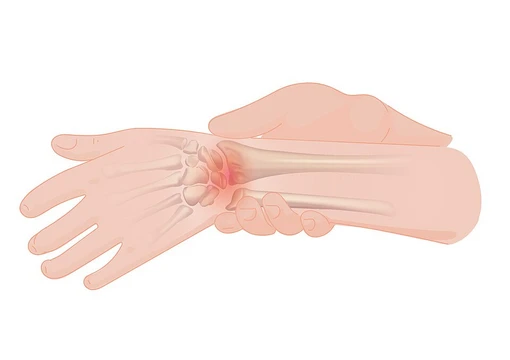
Allodynia
Pain from normally painless stimuli, such as light touch or mild temperature.

Jmarchn · CC BY-SA 3.0
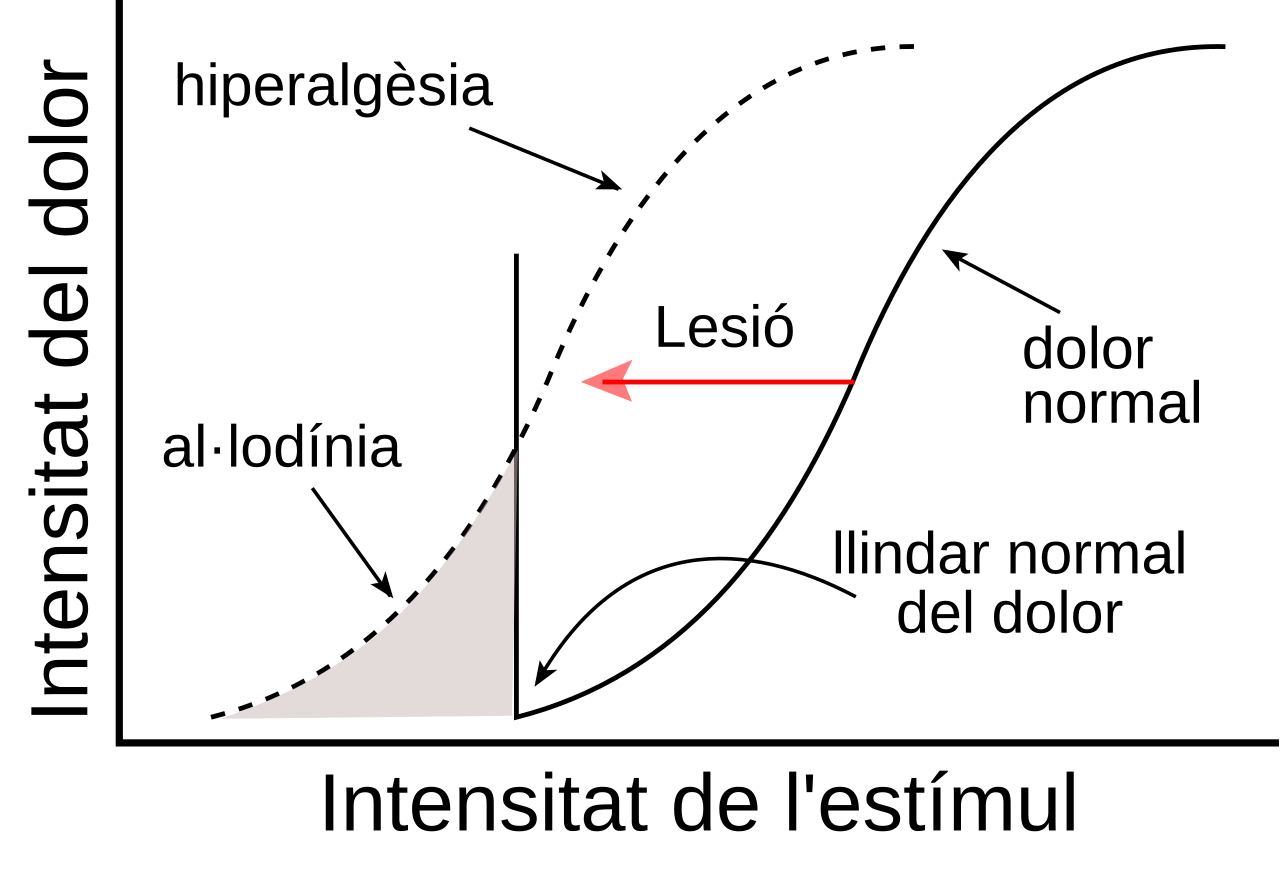
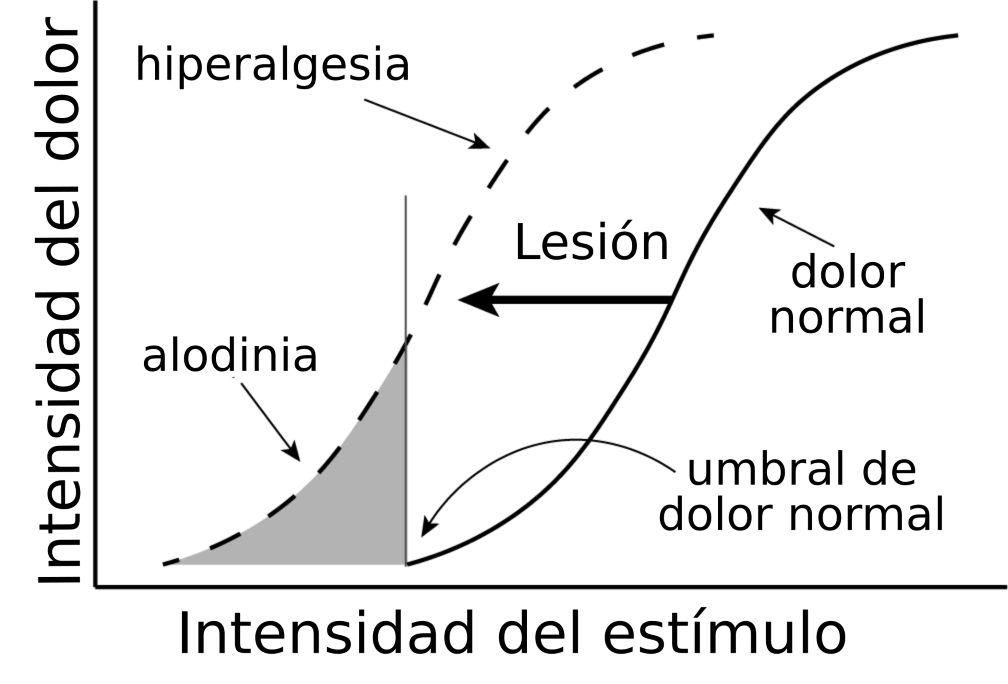
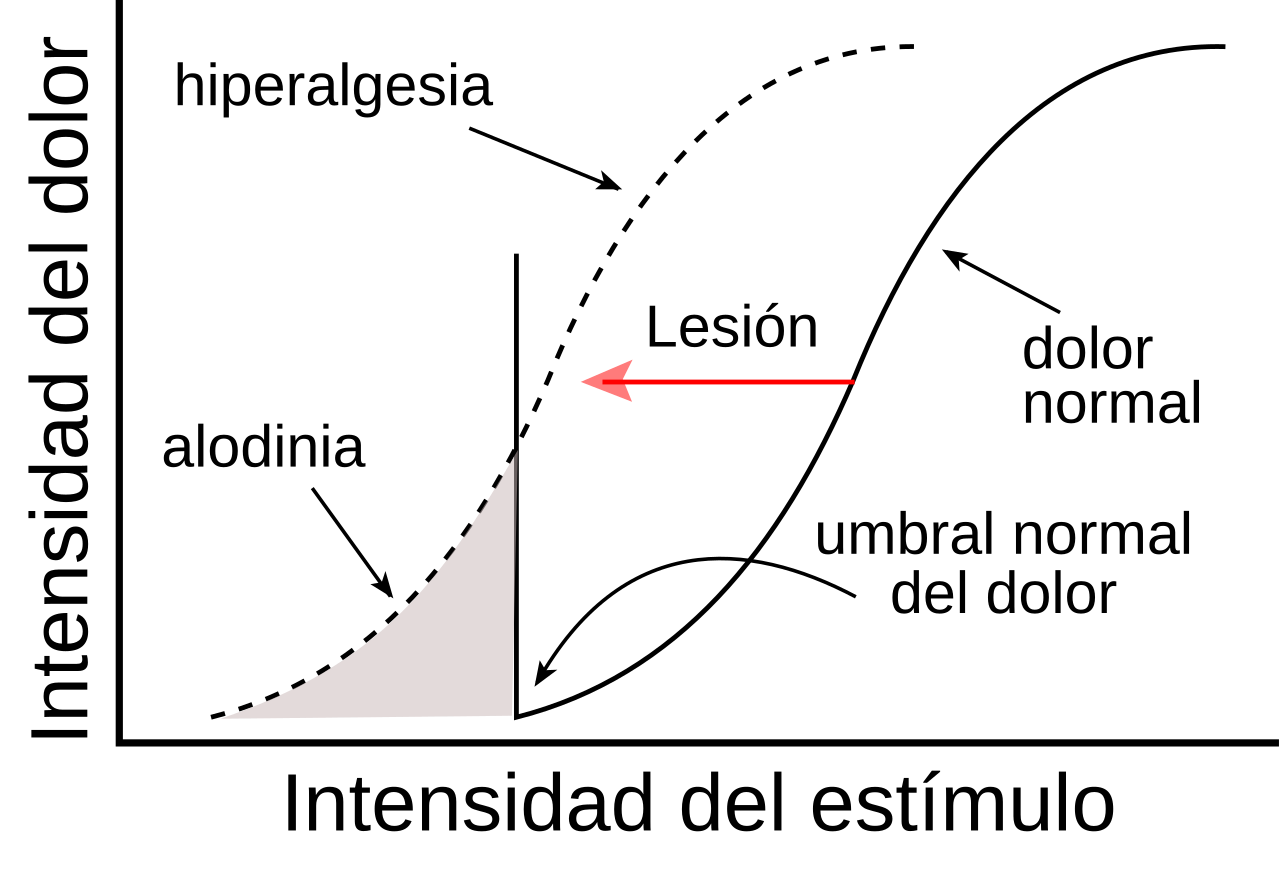
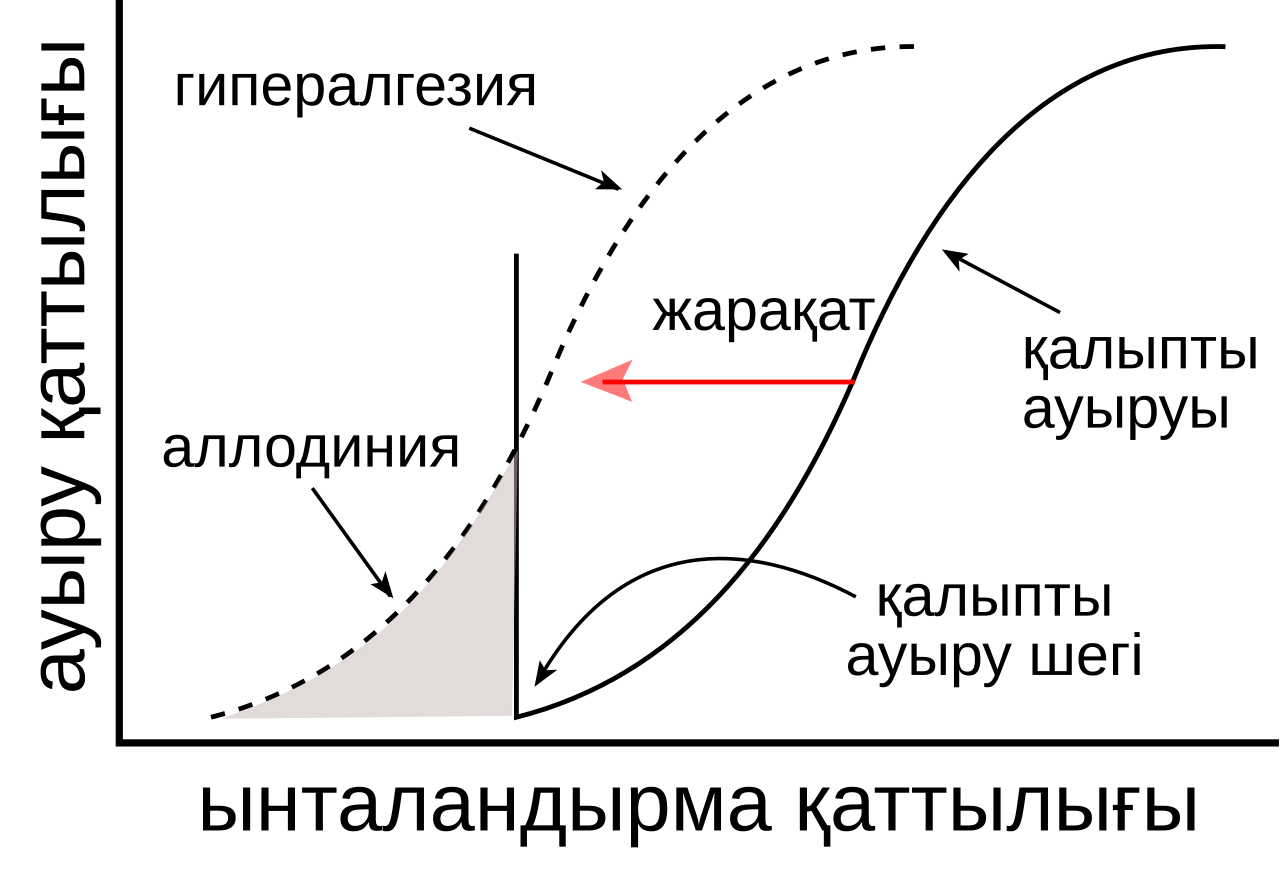
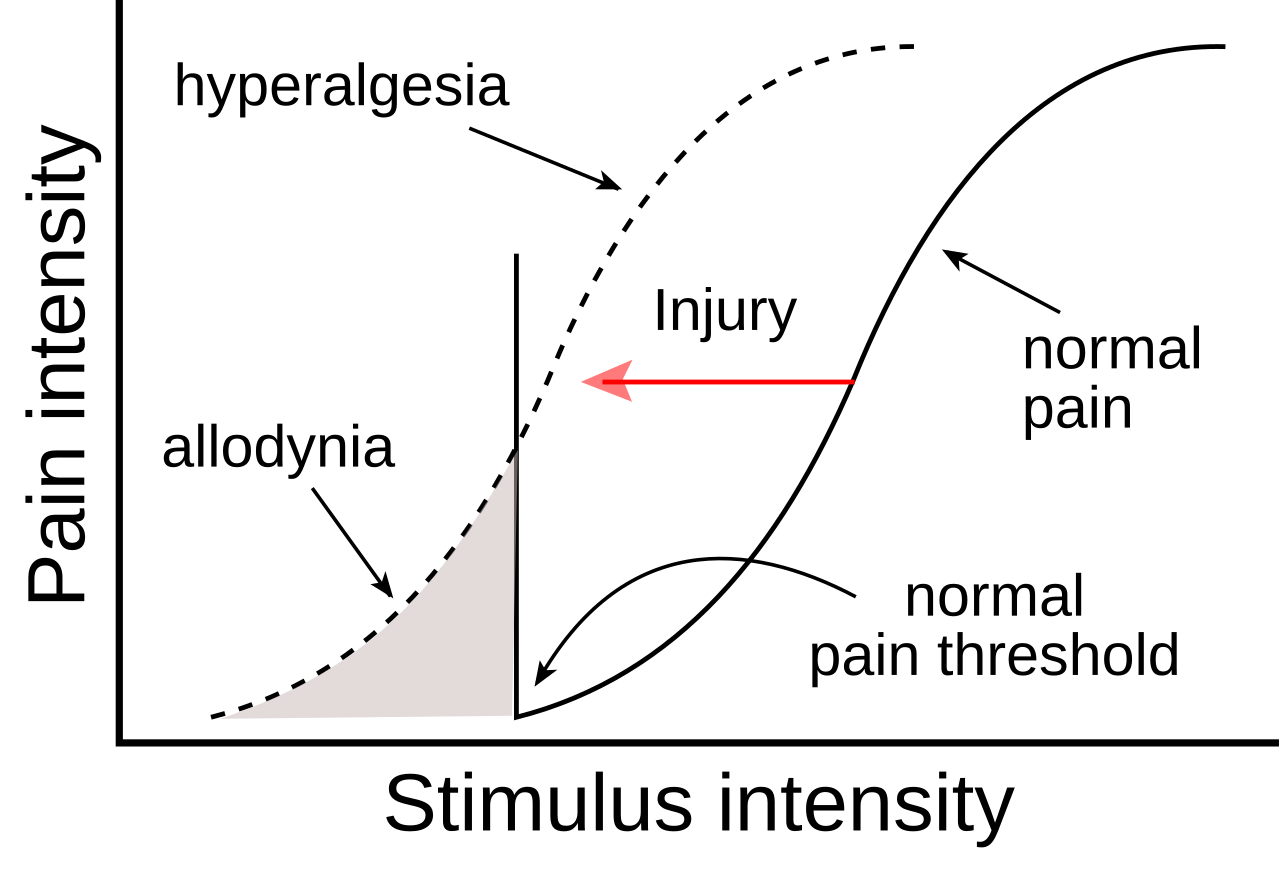
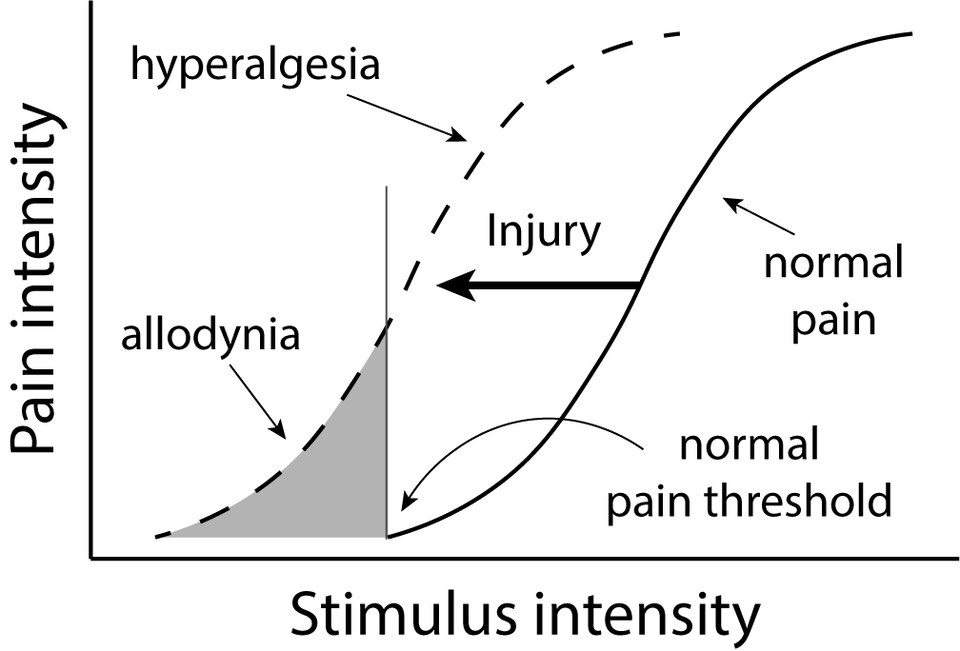
Allodynia is a condition where a normally painless stimulus triggers pain. For instance, a sunburn can cause temporary allodynia, making typically harmless sensations—like the touch of clothing or exposure to lukewarm water—extremely painful. This differs from hyperalgesia, which is an exaggerated response to a stimulus that is usually painful. The word itself comes from the Ancient Greek *állos* ("other") and *odúnē* ("pain").
Several types of allodynia exist. Mechanical or tactile allodynia includes static mechanical allodynia (pain from being touched) and dynamic mechanical allodynia (pain from light stroking). Thermal allodynia involves pain from mild temperatures, either hot or cold, on the affected area. Movement allodynia is pain triggered by normal joint or muscle movement.
Allodynia appears as a clinical feature in numerous painful conditions, including complex regional pain syndrome, fibromyalgia, migraine, neuropathies, and postherpetic neuralgia. It is typically a symptom of nerve damage itself, and while not widely documented, some experimental stem cell treatments may rarely list allodynia as a potential side effect.
At the cellular level, mechanoreceptors can influence nociceptor output by connecting with the same interneurons, whose activation can reduce or eliminate pain. Descending fibers from the brain also modulate pain transmission by blocking information from nociceptors to second-order neurons in the spinal cord. Both mechanisms are implicated in allodynia. Spinal cord injury may cause loss and reorganization of nociceptors, mechanoreceptors, and interneurons, leading mechanoreceptors to transmit pain signals. Descending fibers have also been observed at injury sites. These changes alter spinal cord circuitry, and the resulting signal imbalance likely produces the intense pain of allodynia. Different cell types are involved; microglia in the spinal cord dorsal horn modulate synaptic transmission, while immune cells like monocytes, macrophages, and T lymphocytes contribute similarly.
At the molecular level, central nervous system sensitization—an increased neuronal response after repeated stimulation—plays a key role. Elevated levels of certain compounds also drive this sensitization. In the spinal cord dorsal horn, the chemokine CCL21 increases, where second-order neurons connect.
Quick Facts
- Field
- Neurology
Facts from the source article.
Lore & Background
Allodynia is distinct from hyperalgesia, which is an exaggerated response to a normally painful stimulus. Types include mechanical allodynia (static, from touch; dynamic, from light stroking), thermal allodynia (from mild hot or cold), and movement allodynia (from normal joint or muscle movement). Causes include nerve injury, conditions like migraine and fibromyalgia, and while it is typically a symptom of nerve damage itself, some experimental stem cell treatments may rarely report allodynia as a side effect. Note: Historical speculation about Howard Hughes having allodynia is not a confirmed medical diagnosis.
Reader's Guide
Allodynia represents a pathological pain response where normally innocuous stimuli become painful. Its study has revealed complex cellular and molecular mechanisms, including central sensitization involving microglia, chemokines like CCL21, and inflammatory molecules such as TNF. Treatments target ion channels, neurotransmitter receptors, and inflammatory pathways. The condition is notable for its impact on daily life, as exemplified by Howard Hughes, who avoided bathing and wearing clothes due to the pain these actions caused. Understanding allodynia has advanced pain neuroscience and informed therapies for chronic pain conditions.
Did You Know?
- Sunburn can cause temporary allodynia, making wearing clothing or running water over the skin painful.
- Howard Hughes is thought to have had allodynia in his later years, leading him to seldom bathe or wear clothes.
- Microglia in the thalamus may contribute to allodynia by changing the properties of secondary nociceptors.
What Allodynia Is and How It Differs from Other Pain
Allodynia describes a state in which stimuli that would ordinarily go unnoticed as painful instead trigger significant discomfort. A familiar illustration is a sunburn: the mere pressure of a shirt against the skin, or the brush of cool or warm water, can become intensely painful even though those same stimuli feel harmless on unburned skin. The word itself carries a Greek root—allos meaning 'other' and odune meaning 'pain'—capturing the idea that the pain response is being generated by something entirely different from what would normally cause it. This distinction is critical in clinical practice because allodynia is not the same as hyperalgesia. Hyperalgesia involves an amplified reaction to a stimulus that is already painful, whereas allodynia involves pain arising from a stimulus that is not painful at all under normal circumstances. Recognizing this difference helps clinicians identify the underlying mechanism and choose appropriate interventions.
The Spectrum of Allodynic Responses
Clinicians classify allodynia into several subtypes based on the nature of the triggering stimulus. Mechanical allodynia, sometimes called tactile allodynia, splits into two forms: static mechanical allodynia, where simple contact or pressure on the skin produces pain, and dynamic mechanical allodynia, where a light stroking motion across the surface is enough to elicit a painful response. Thermal allodynia encompasses pain provoked by temperatures that would normally feel merely warm or cool to the touch in the affected region. A fourth category, movement allodynia, is triggered not by external contact at all but by the ordinary motion of joints or muscles. This taxonomy matters because it guides both diagnosis and treatment. A patient whose pain is set off by a gentle brush of fabric is experiencing a different neural event than one whose discomfort arises from bending a knee. The condition appears as a clinical feature across a wide range of painful disorders, including complex regional pain syndrome, fibromyalgia, migraine, various neuropathies, and postherpetic neuralgia, and in some cases it has even been linked to certain stem-cell therapies used for spinal cord injury.
Neural Rewiring and Inflammatory Cascades
At the cellular level, allodynia appears to stem from a disruption in how the spinal cord and brain process sensory signals. Normally, mechanoreceptors can dampen nociceptor output by connecting to shared interneurons, and descending brain fibers can block pain transmission through separate interneuron pathways. In allodynia, spinal cord injury can cause loss and reorganization of these populations, so that mechanoreceptors begin carrying pain information they were never meant to transmit. Descending fibers may also appear at the injury site, further altering local circuitry. In the thalamus, microglia modify the properties of secondary nociceptive neurons, while in the spinal cord, immune cells including monocytes, macrophages, and T lymphocytes are recruited to the affected region. At the molecular level, central sensitization—the heightened neuronal response following repeated stimulation—drives much of the pathology. In the thalamus, the chemokine CCL21 binds to receptors on microglia, prompting prostaglandin E2 production via cyclooxygenase-2 and lowering nociceptor activation thresholds. In the spinal cord, tumor necrosis factor from infiltrating immune cells activates MAPK and NF-kappa B pathways, creating autocrine loops that perpetuate sensitization, shift the balance of AMPA and GABA receptors, and further promote PGE2 release.
Pharmacological Approaches to Allodynic Pain
Treatment of allodynia is highly targeted, with different compounds showing efficacy against specific subtypes. For dynamic mechanical allodynia, clinicians may use agents that target various ion channels, opioids such as morphine, alfentanil, or ketamine given intravenously, as well as mexiletine, lidocaine, tramadol, methylprednisone delivered intrathecally, adenosine, glycine antagonists, desipramine, venlafaxine, and pregabalin. Static mechanical allodynia responds to sodium channel blockers and a subset of the same opioids, with gabapentin also showing benefit in cold and dynamic forms. Cold allodynia has been addressed with lamotrigine and intravenous lidocaine. Beyond these, non-steroidal anti-inflammatory drugs like naproxen work by inhibiting COX-1 and COX-2, thereby preventing the central sensitization that underlies the condition, while also reducing the responsiveness of mechano- and thermoreceptors. Other therapeutic compounds act on the molecular machinery of synaptic transmission, interfering with neurotransmitter receptors or the enzymes responsible for clearing neurotransmitters from the synapse. The breadth of available agents reflects the complexity of the pathways involved and the need for individualized treatment strategies.
Gallery
Frequently Asked Questions
Who is Allodynia?
Allodynia is a pain condition in which stimuli that normally wouldn't hurt—like a gentle brush of fabric or a mild change in temperature—become genuinely painful. The name traces back to Ancient Greek, combining 'other' and 'pain' to capture the idea of pain arising from something completely unexpected.
What are Allodynia's powers and how does it work?
Allodynia hijacks the body's sensory wiring by recruiting mechanoreceptors, nociceptors, interneurons, and microglia to fire pain signals in response to harmless inputs. At the molecular level, mediators such as CCL21, TNF, PGE2, and COX-2 help amplify this misfiring. It can present as mechanical (static or dynamic), thermal, or movement-related pain.
Why is Allodynia important to the broader pain community?
Allodynia is a hallmark symptom of several major conditions, including complex regional pain syndrome, fibromyalgia, migraine, various neuropathies, and postherpetic neuralgia. Recognizing it helps clinicians distinguish it from hyperalgesia and target the correct underlying pathology.
What's the difference between Allodynia and Hyperalgesia?
Allodynia turns a normally painless stimulus into a painful one, while hyperalgesia makes an already-painful stimulus feel even more intense. For example, a sunburn causing pain from a light sheet is allodynia, whereas the same sunburn making a pinprick feel like a deep stab is hyperalgesia.
More in Pain 1-24
Spotted an error? Know more?
Reader corrections go straight into our review queue. Suggest an edit · How this site is sourced