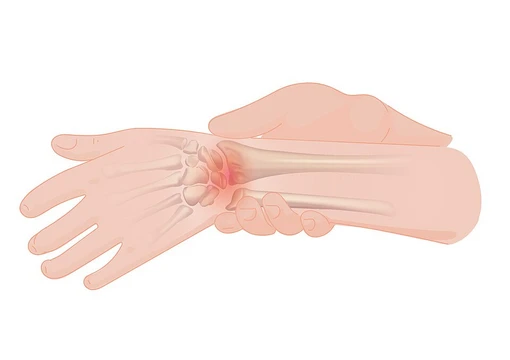
Elbow pain
Elbow pain is a common joint complaint with varied causes.

Elbow pain refers to discomfort in the joint between the upper arm and forearm. It is a common complaint in both emergency departments and primary care offices, with the CDC estimating that 1.15 million people visited an emergency room for elbow or forearm-related injuries in 2020. Causes range from trauma and infection to inflammation, and treatments vary from conservative measures like ice and rest to surgical interventions.
- Common causes
- trauma, infection, inflammation
- Emergency visits 2020
- 1.15 million
- Common treatments
- ice, rest, NSAIDs, surgery
- Red flag symptoms
- history of trauma, swollen/red joint with fever, rapidly increased swelling or mass
- Common types
- golfer's elbow, tennis elbow, osteoarthritis, rheumatoid arthritis
Lore & Background
Elbow pain can result from trauma such as car accidents, falls, or assaults, leading to fractures or dislocations. In children, a specific dislocation called pulled elbow occurs when an extended elbow is pulled with force. Pain not linked to a specific incident may involve inflammation, categorized by duration: acute or subacute pain suggests over-use injuries or infection, while chronic pain points to arthritic or autoimmune conditions. Repetitive strain injury from forceful motions causes tendon inflammation, with pain location varying—inside for golfer's elbow, outside for tennis elbow. Infections range from generalized arthralgias to local cellulitis or deeper bursitis and septic arthritis. Chronic conditions like osteoarthritis result from wear-and-tear, while autoimmune rheumatoid arthritis involves the body attacking joint tissues, often with morning stiffness.
Reader's Guide
Elbow pain is significant as a frequent medical complaint with diverse underlying causes, from minor overuse to serious infections or fractures. The CDC data underscores its public health impact, with over a million emergency visits annually. Understanding the distinction between acute and chronic pain guides management: conservative measures like ice, rest, and NSAIDs for mild cases, and surgical intervention or antibiotics for severe pathologies. Red flag symptoms—trauma history, systemic infection signs, or rapid swelling—alert clinicians to urgent conditions. The entry emphasizes prevention through safety equipment and ergonomics, reflecting a practical approach to reducing incidence. Its legacy lies in providing a structured framework for diagnosis and treatment, balancing at-home care with professional medical intervention.
Did You Know?
- Pain on the inside of the elbow is known as golfer's elbow, while pain on the outside is known as tennis elbow.
- In children, a specific type of dislocation called a pulled elbow occurs when an extended elbow is pulled with force.
- Autoimmune pain is typically described as morning stiffness, whereas osteoarthritic pain is usually described as end-of-day soreness.
More in Pain 1-24
Spotted an error? Know more?
Reader corrections go straight into our review queue. Suggest an edit · How this site is sourced