Diffuse noxious inhibitory control
Endogenous pain modulation where one noxious stimulus inhibits another.

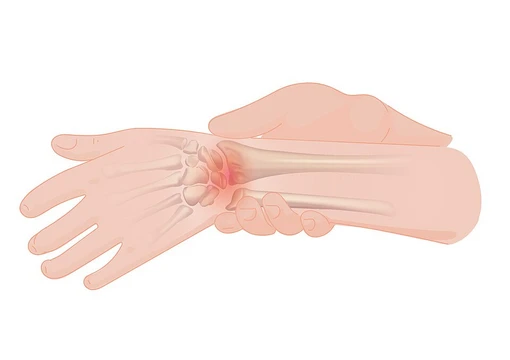
Diffuse noxious inhibitory control (DNIC), also known as conditioned pain modulation (CPM), is an endogenous pain modulatory pathway often described as 'pain inhibits pain.' It refers to the phenomenon where the response to a painful stimulus is inhibited by another, spatially distant noxious stimulus. This mechanism is studied to understand central pain processing and its role in chronic pain conditions.
- Field
- Pain neuroscience
- Known for
- Endogenous pain modulation pathway ('pain inhibits pain')
- Mechanism
- Inhibition of dorsal horn neurons by remote noxious stimuli
- Measurement
- Pressure pain threshold (PPT) and pain tolerance (PTol)
- Clinical relevance
- Associated with chronic pain disorders and treatment response
Lore & Background
DNIC occurs when noxious stimuli activate nociceptive C and A delta nerve fibers, carrying signals to the dorsal horn of the spinal cord. Wide dynamic range neurons responsive to stimulation from one body location can be inhibited by noxious stimuli (heat, high pressure, or electric stimulation) applied to a remote body location. This inhibition is thought to originate in the brain and affects both wide dynamic range and nociception-specific neurons in the dorsal horn. Studies investigating gender differences in DNIC have shown mixed results, with the effect dependent upon experimental methodology and measurement method.
Reader's Guide
DNIC is widely used to quantify central pain sensitization in chronic pain patients. DNIC inefficiency (or lower DNIC) has been implicated as a risk factor for developing chronic pain and pain syndromes such as temporomandibular disorder and fibromyalgia. Conversely, greater DNIC response is related to less pain, better physical functioning, and better self-rated health. In diabetic neuropathy patients, low DNIC indicates a higher likelihood of benefiting from treatments like duloxetine and tapentadol, which are considered to restore altered descending modulation. DNIC also forms the basis for using counterirritants to reduce pain. The measurement of DNIC typically involves pressure pain threshold (PPT) and pain tolerance (PTol) parameters, using a metal pressure algometer with a rubber top applied to a finger or toe, with a second noxious stimulus (such as ice water) applied elsewhere to observe an increase in PPT.
Did You Know?
- DNIC is often described as 'pain inhibits pain.'
- DNIC inefficiency has been associated with fibromyalgia and temporomandibular disorder.
- Diabetic neuropathy patients with low DNIC are more likely to benefit from duloxetine and tapentadol.
More in Pain 1-24
Spotted an error? Know more?
Reader corrections go straight into our review queue. Suggest an edit · How this site is sourced