Complex regional pain syndrome
Rare chronic pain disorder with neuroinflammatory and dysautonomic features.

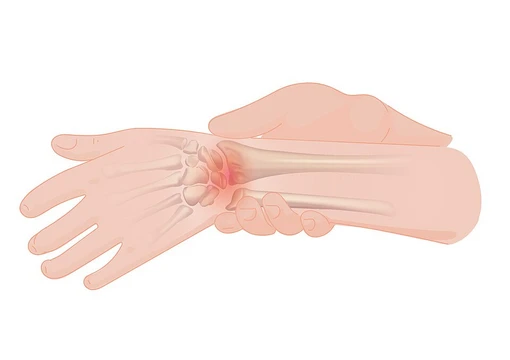
Complex regional pain syndrome (CRPS) is a rare and severe neuroinflammatory and dysautonomic disorder causing chronic pain, neurovascular, and neuropathic symptoms. It is sometimes referred to by the hyponyms reflex sympathetic dystrophy (RSD) or reflex neurovascular dystrophy (RND) (type 1) or causalgia (type 2). The condition typically develops after an injury, surgery, heart attack, or stroke, and its cause is unclear.
Quick Facts
- Field
- Neurology, psychiatry, physiatry, anesthesiology
- Symptoms
- Pain, hyperalgesia, allodynia, hypoesthesia or hyperesthesia, skin abnormalities, atrophy, stiffness, temperature asymmetry
- Types
- CRPS-1 (previously, reflex sympathetic dystrophy [RSD]); CRPS-2 (previously, causalgia)
Facts from the source article.
Lore & Background
Complex regional pain syndrome usually starts in a single limb, often manifesting as pain, swelling, limited range of motion or partial paralysis, or changes to the skin and bones. The pain is out of proportion to the severity of the initial injury, and moving or touching the limb is disproportionately painful (allodynia). Although it can vary widely, the classic presentation occurs when severe pain from a physical trauma or neurotropic viral infection outlasts the expected recovery time and may subsequently spread to uninjured areas. A minority of affected individuals (often 7-10%) experience spread to other limbs, with whole-body symptoms being even rarer.
Reader's Guide
Complex regional pain syndrome is significant as a rare and severe disorder that challenges understanding of chronic pain mechanisms. Its pathophysiology involves inflammation, alteration of pain perception in the central nervous system, vasomotor dysfunction, and maladaptive neuroplasticity. The condition is not psychological, though pain can cause anxiety and depression. Diagnosis relies on the Budapest Criteria, which require continuing pain disproportionate to any inciting event, along with symptoms and signs in sensory, vasomotor, sudomotor/edema, and motor/trophic categories. No specific test is available, and it is a diagnosis of exclusion. The cause remains unclear, and CRPS may result from multiple pathophysiological processes.
Did You Know?
- CRPS is sometimes referred to as reflex sympathetic dystrophy (type 1) or causalgia (type 2).
- A minority (7-10%) of individuals with CRPS in a single limb go on to develop it in another.
- Amplified musculoskeletal pain syndrome is a broader condition distinct from CRPS and is not classified as a subset of CRPS type 1.
More in Pain 1-24
Spotted an error? Know more?
Reader corrections go straight into our review queue. Suggest an edit · How this site is sourced