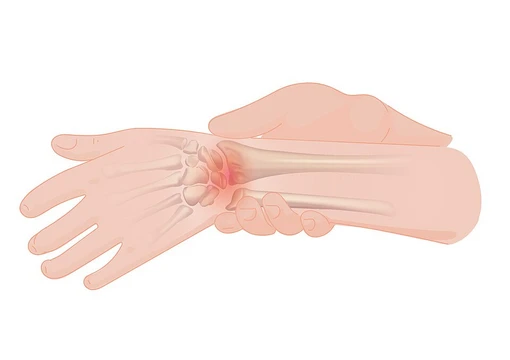
Chronic wound pain
Chronic wound pain is persistent, disabling, and often undertreated.

Chronic wound pain is a condition characterized by unremitting, disabling, and recalcitrant pain experienced by individuals with various types of chronic wounds, including venous leg ulcers, arterial ulcers, diabetic foot ulcers, pressure ulcers, and malignant wounds. This pain is one of the most distressing symptoms affecting quality of life and can be acute or chronic, with chronic pain persisting for six months or more without manipulation.
Quick Facts
- Field
- Surgery
Facts from the source article.
Lore & Background
Chronic wound pain is classified into nociceptive and neuropathic pain. Nociceptive pain is a physiological response to tissue damage, described as stabbing, throbbing, aching, or sharp, and may be acute or chronic. Neuropathic pain results from nervous system dysfunction, causing burning or tingling persistent pain. Three types of nociceptive pain occur with chronic wounds: cyclic acute wound pain (during routines like dressing changes), noncyclic acute wound pain (during procedures like debridement), and chronic wound pain (persistent at rest).
Reader's Guide
Chronic wound pain has been underrecognized and often goes untreated or undertreated due to inadequate assessment. The most valid indicator of pain is the individual's verbal report, and standardized tools such as the Visual Analogue Scale, Numeric Box Scale, Faces Pain Rating Scale, and Short McGill Pain Questionnaire are used for assessment. The Wound Pain Management Model outlines key components: location, intensity, duration, and impact on quality of life. Negative consequences include sleep deprivation, immobility, depression, changes in body image, constipation from pain medications, infection, and stress. Effective management requires determining the pain type, as neuropathic pain may need different interventions than traditional analgesics used for nociceptive pain.
Did You Know?
- Chronic wound pain is present for six months or more and occurs without any manipulation of the wound.
- Persistent pain is used interchangeably with chronic pain and is defined as intermittent or continuous pain present for three months or more.
- Venous leg ulcers have a pain prevalence rate of 50-87%.
- Diabetic foot ulcers affect 15% of people with diabetes mellitus and cause 50% of non-traumatic lower extremity amputations.
More in Pain 1-24
Spotted an error? Know more?
Reader corrections go straight into our review queue. Suggest an edit · How this site is sourced