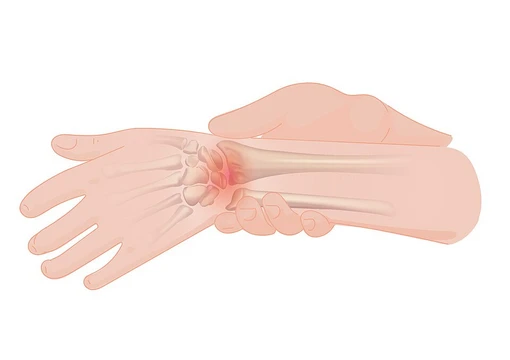
Cancer pain
Pain from cancer affects most patients and is often undertreated.

Cancer pain is a complex and prevalent symptom experienced by individuals with malignant cancer. It can arise from the tumor itself, from diagnostic procedures, or from treatments such as radiotherapy, surgery, and chemotherapy, and may persist long after treatment ends. The presence and intensity of pain depend largely on the location and stage of the cancer, with about half of all people diagnosed with malignant cancer experiencing pain at any given time, and two-thirds of those with advanced cancer suffering pain that adversely affects sleep, mood, social relations, and daily activities.
- Causes
- Tumor compression or infiltration, treatments, diagnostic procedures, hormone imbalance, immune response, infection
- Prevalence
- About half of all people diagnosed with malignant cancer experience pain at any given time
- Advanced cancer prevalence
- Two-thirds of those with advanced cancer experience pain that adversely affects sleep, mood, social relations, and activities of daily living
- Management success rate
- 80% to 90% of cases can be eliminated or well controlled with competent management
- Undertreatment developed world
- Nearly 50% of cancer patients in the developed world receive less than optimal care
- Undertreatment worldwide
- Nearly 80% of people with cancer worldwide receive little or no pain medication
- Types
- Nociceptive pain (mechanical or chemical stimulation) and neuropathic pain (diseased, damaged, or compressed nerves)
Lore & Background
Cancer pain can be produced by mechanical or chemical stimulation of pain-signaling nerve endings (nociceptive pain) or by diseased, damaged, or compressed nerves (neuropathic pain). Tumor-related pain is the most common cause, accounting for about 75 percent of cancer pain, with bone invasion being the most frequent source. Tumors cause pain by crushing or infiltrating tissue, triggering infection or inflammation, or releasing chemicals that make normally non-painful stimuli painful. Visceral pain from organs such as the stomach or liver is diffuse and difficult to locate, often referred to more distant sites.
Reader's Guide
Cancer pain management aims to relieve pain with minimal adverse treatment effects, allowing the person a good quality of life and a relatively painless death. Although 70–90 percent of cancer pain can be eliminated or well controlled, a 2022 review found roughly one in five of people with cancer pain received less than optimal care, with higher rates in countries of lower gross national income. Guidelines for drug use have been published by the World Health Organization and others. Adequate pain management may sometimes slightly shorten a dying person's life. The patient's own description is the best measure of pain, typically using a 0–10 scale, but for those unable to give verbal feedback, physiological indicators such as facial expressions, body movements, and vocalizations must be relied upon. Psychological vulnerabilities such as anxiety or depression can interplay with physical cancer pain, and relief of psychological, social, and spiritual distress is a key element in effective pain management.
Did You Know?
- About 75 percent of cancer pain is caused by the illness itself; most of the remainder is caused by diagnostic procedures and treatment.
- Invasion of bone by cancer is the most common source of cancer pain, often described as severe with constant background pain and movement-related exacerbation.
- Between 15 and 25 percent of deep vein thrombosis is caused by cancer, often by a tumor compressing a vein, and may be the first hint that cancer is present.
- Infection of a tumor or its surrounding tissue can cause rapidly escalating pain, but infection is sometimes overlooked as a possible cause.
Frequently Asked Questions
What is Cancer pain?
Cancer pain is the spectrum of discomfort that emerges when malignant cells press on or invade nerves and surrounding structures, or when medical interventions such as surgery, radiation, and chemotherapy trigger nociceptive signaling. It is not a single uniform sensation but a shifting experience that depends heavily on where the tumor is located and how far the disease has progressed.
What causes Cancer pain?
The main drivers include direct tumor compression or infiltration of nerves and organs, side effects of therapeutic and diagnostic procedures, and systemic factors like hormonal shifts, immune-mediated inflammation, or secondary infections. In a notable subset of patients, the discomfort lingers well after active treatment has concluded.
How many people experience Cancer pain?
Roughly half of all individuals living with a malignant diagnosis report pain at any given moment. Among those in advanced stages the figure rises to about two-thirds, and the suffering tends to erode sleep quality, emotional well-being, social connections, and the ability to carry out routine daily tasks.
Can Cancer pain be controlled?
Yes—when managed by a skilled multidisciplinary team, between 80 and 90 percent of cancer-related pain episodes can be eliminated or brought to a tolerable level. This makes it one of the more treatable categories of chronic pain, though access to competent care remains a practical barrier for many patients.
Why is Cancer pain studied as a distinct topic in pain research?
Unlike many other pain conditions, cancer pain is multifactorial, meaning a single patient may simultaneously deal with nociceptive, neuropathic, and procedural components that evolve as the disease or its treatment changes. This layered complexity has kept it at the center of palliative-medicine and pain-research curricula for decades.
More in Pain 1-24
Spotted an error? Know more?
Reader corrections go straight into our review queue. Suggest an edit · How this site is sourced