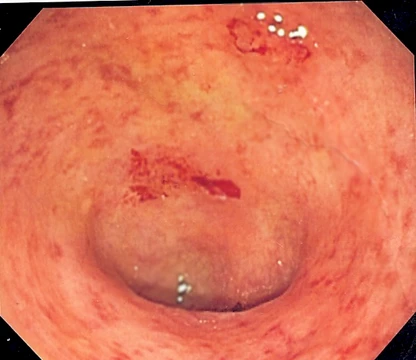
Chemical colitis
Colitis caused by harsh chemicals introduced into the colon.
Last updated
Chemical colitis is colon inflammation triggered by harsh chemicals entering the large intestine, often through enemas or medical procedures. Soap enemas are a known cause, along with substances like alcohol, radiocontrast agents, glutaraldehyde, formalin, ergotamine, various acids, ammonia, sodium hydroxide, hydrogen peroxide, herbal remedies, chloroxylenol, and potassium permanganate.
Accidental exposure can happen during colonoscopy, while intentional use occurs in sexual practices, suicide attempts, or colon cleanses. Symptoms are vague and include diarrhea, rectal bleeding, and abdominal pain. Most cases resolve with supportive care, but severe damage from caustic substances may require surgical removal of part of the colon.
More in Inflammatory diseases of the digestive system
Sources
Compiled from Wikipedia and the sources listed below. Text from Wikipedia is available under CC BY-SA 4.0; this entry is adapted from it.
- Wikipedia: Chemical colitis (CC BY-SA 4.0).
- Word definitions: the , each quoted from its Wikipedia article.
Spotted an error? Know more?
Reader corrections go straight into our review queue. Suggest an edit · How this site is sourced