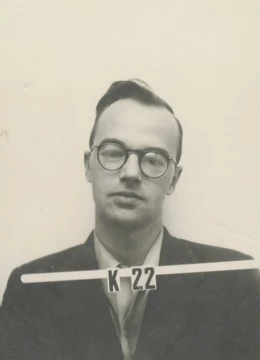
Whitey Bulger
Irish mob boss, FBI informant, and fugitive for sixteen years.

Shirtwaist · CC BY-SA 3.0
James Joseph "Whitey" Bulger Jr. was born on September 3, 1929, and died on October 30, 2018. He ran the Winter Hill Gang, an Irish mob outfit from the Winter Hill section of Somerville, Massachusetts, just northwest of Boston. On December 23, 1994, after his former FBI handler John Connolly warned him about an upcoming RICO indictment, Bulger went into hiding. He stayed on the run for sixteen years. After his capture in 2011, federal prosecutors charged him with nineteen murders, relying on grand jury testimony from former associates like Kevin Weeks.
The FBI claimed Bulger had been an informant starting in 1975, feeding them details about the Patriarca crime family, his Italian-American Mafia rivals in Boston and Providence. Bulger always denied this. In exchange, Connolly made sure the Winter Hill Gang was left alone. Beginning in 1997, press reports revealed misconduct by federal, state, and local officials tied to Bulger, embarrassing several agencies, especially the FBI.
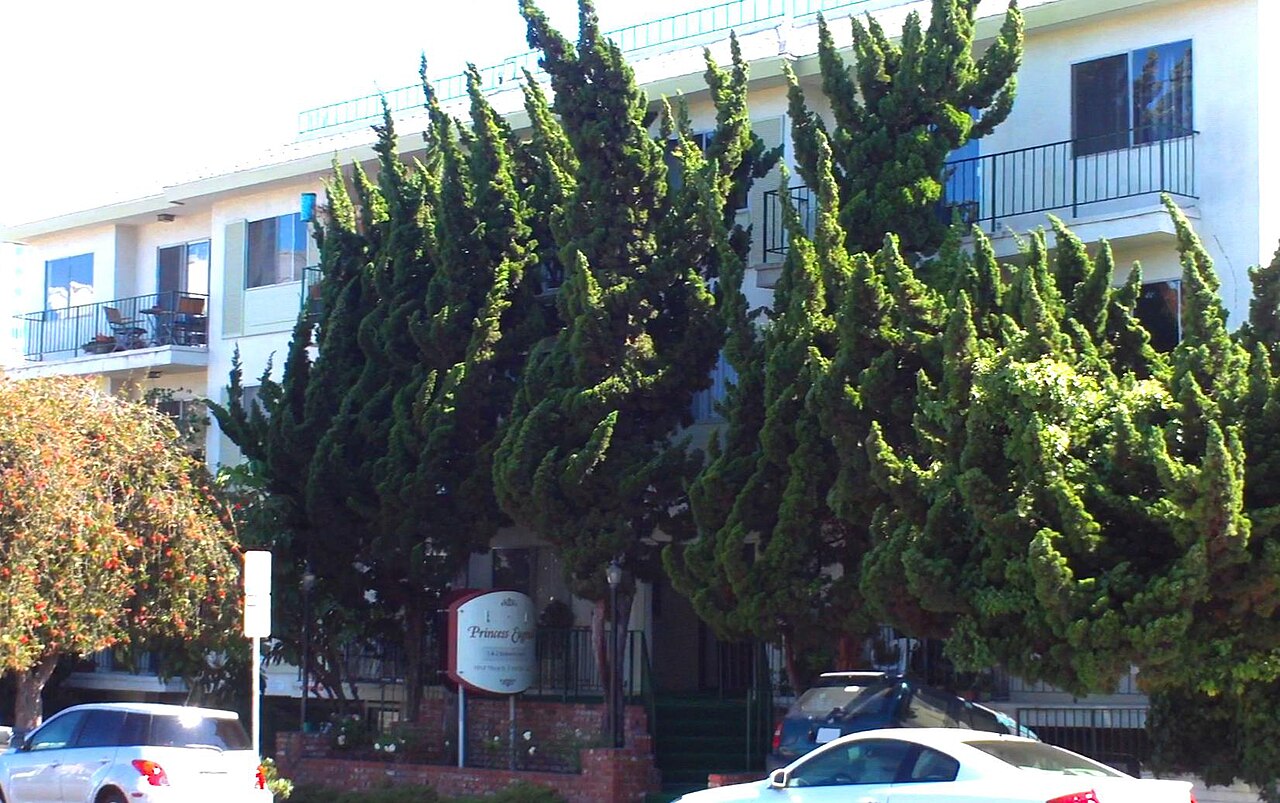
Five years after he fled Boston, Bulger was placed on the FBI’s Ten Most Wanted Fugitives list. He was considered the most wanted person on that list after Osama bin Laden. Twelve more years passed before he and his longtime girlfriend Catherine Greig were caught outside an apartment complex in Santa Monica, California. Both were extradited to Boston under heavy guard. In June 2012, Greig pleaded guilty to conspiracy to harbor a fugitive, identity fraud, and conspiracy to commit identity fraud, and got eight years in prison. Bulger did not seek bail and stayed in custody.
His trial started in June 2013. He faced thirty-two counts, including racketeering, money laundering, extortion, weapons charges, and involvement in nineteen murders. On August 12, he was found guilty on thirty-one counts, including both racketeering charges, and was determined to have been involved in eleven murders. On November 14, Judge Denise J. Casper sentenced him to two consecutive life terms plus five years. He was sent to USP Coleman II in Sumterville, Florida.
In October 2018, Bulger was moved to the Federal Transfer Center in Oklahoma, then to USP Hazelton near Bruceton Mills, West Virginia. Within hours of arriving at Hazelton on October 30, 2018, the wheelchair-bound Bulger was beaten to death by inmates.
Quick Facts
- Birth Name
- James Joseph Bulger Jr.
- Birth Date
- 1929-09-03
- Birth Place
- Everett, Massachusetts, U.S.
- Death Date
- 2018-10-30
- Death Place
- Preston County, West Virginia, U.S.
- Cause
- Blunt force trauma
- Date
- June 22, 2011
- Charge
- Racketeering (RICO) / Murder (19 counts) / Conspiracy to commit murder / Extortion / Conspiracy to commit extortion / Narcotics distribution / Conspiracy to commit money laundering
- Time At Large
- 16 years
- Conviction Penalty
- Two life sentences plus five years, forfeiture of $25.2million, $19.8million restitution
- Siblings
- William Bulger / John P. Bulger
- Partners
- Lindsey Cyr (1966–1978)
Facts from the source article.
Lore & Background
Whitey Bulger grew up in South Boston, a working-class Irish American neighborhood, after his family moved into the Mary Ellen McCormack Housing Project. His father lost an arm in an industrial accident, plunging the family into poverty. While his siblings excelled in school, Bulger was drawn into street life, earning the nickname 'Whitey' for his blond hair. He joined a street gang called the Shamrocks and was arrested multiple times as a teenager for larceny, assault, forgery, and armed robbery.
After serving in the U.S. Air Force and being discharged in 1952, Bulger returned to Massachusetts and later served a federal prison term for armed robbery and truck hijacking. During that time, he was a human test subject in the CIA-sponsored MKUltra program. His first confirmed murder is widely cited as the 1973 killing of Edward Connors, though some accounts dispute earlier claims that he mistakenly killed Donald McGonagle instead of Paul McGonagle.
Reader's Guide
Whitey Bulger's significance lies in his dual role as a ruthless organized crime boss and a secret FBI informant, a relationship that allowed his criminal enterprise to flourish for years while federal authorities turned a blind eye. His case exposed extensive misconduct by federal, state, and local officials, causing embarrassment to the FBI and other government agencies. Bulger's sixteen-year flight and eventual capture highlighted the challenges of pursuing high-profile fugitives, and his trial brought to light the depth of his criminal activities, including complicity in multiple murders. His death in prison, at the hands of fellow inmates, underscored the violent world he inhabited. The legacy of Bulger's life and crimes continues to serve as a cautionary tale about the corruption that can arise when law enforcement and organized crime become intertwined.
Did You Know?
- Bulger was added to the FBI's Ten Most Wanted Fugitives list five years after his flight and was considered the most wanted person on the list behind Osama bin Laden.
- He was a human test subject in the CIA-sponsored MKUltra program while in federal prison, receiving LSD and other drugs over an eighteen-month period.
- Bulger's first murder was a case of mistaken identity: he killed Donald McGonagle instead of his intended target, Paul McGonagle.
- He was beaten to death by inmates within hours of his arrival at the United States Penitentiary, Hazelton, in West Virginia on October 30, 2018.
Roots in South Boston and a Street-Forged Identity
Born the second of six children in 1929 to a Newfoundland-born laborer and a first-generation Irish immigrant mother, James Joseph Bulger Jr. grew up in the shadow of poverty in South Boston. His father's industrial accident, which cost him an arm, plunged the family into financial hardship, and they settled into the Mary Ellen McCormack Housing Project, a tight-knit working-class Irish enclave. While his younger brothers William and John thrived in school, young James gravitated toward the streets. Local officers tagged him Whitey for his blond hair, a label he despised, and his closest friends called him Jim, Jimmy, or Boots, a nod to the cowboy boots he favored and the switchblade he kept tucked inside them. By fourteen he was already in trouble, arrested for larceny in 1943 and soon entangled with the Shamrocks street gang. Charges of assault, forgery, and armed robbery landed him in a juvenile reformatory. After an honorable Air Force discharge in 1952, despite military prison stints and a 1951 rape charge at Malmstrom Base, he returned to Massachusetts carrying a record that would only grow.
The Informant Who Became a Legend
The FBI's own records revealed that beginning in 1975, Bulger operated as a confidential informant, feeding agents intelligence on the Patriarca crime family, the Italian-American Mafia organization that controlled Boston and Providence, Rhode Island. His handler, John Connolly, used that relationship to shield the Winter Hill Gang from federal scrutiny, effectively letting Bulger build his operation while the bureau looked the other way. The arrangement unraveled on December 23, 1994, when Connolly warned Bulger of an imminent RICO indictment, prompting the mob boss to vanish. For the next five years he evaded capture before landing on the FBI's Ten Most Wanted Fugitives list, where he was regarded as the highest-priority target behind Osama bin Laden. Starting in 1997, investigative journalists began exposing the web of misconduct linking federal, state, and local officials to Bulger's world, a scandal that dealt a severe blow to the credibility of the FBI and other agencies. The sixteen-year manhunt that followed made Bulger a symbol of institutional failure as much as criminal ambition.
Capture, Trial, and a Double Life Sentence
After sixteen years on the run, Bulger was finally apprehended alongside his longtime girlfriend, Catherine Greig, outside a Santa Monica apartment complex in 2011. The pair were extradited to Boston under heavy security. In June 2012, Greig entered a guilty plea covering conspiracy to harbor a fugitive and related identity-fraud charges, drawing an eight-year prison term. Bulger, by contrast, refused bail and stayed locked up. His trial opened in June 2013, with federal prosecutors laying out thirty-two counts spanning racketeering, money laundering, extortion, weapons offenses, and complicity in nineteen murders, charges built largely on grand jury testimony from Kevin Weeks and other former associates. On August 12, the jury returned guilty verdicts on thirty-one of the thirty-two counts, including both racketeering charges, and found him connected to eleven of the alleged killings. Four months later, U.S. District Judge Denise J. Casper handed down two consecutive life sentences plus five additional years. Bulger was sent to the United States Penitentiary at Coleman II in Sumterville, Florida.
A Violent End in a Wheelchair
Bulger's final chapter was as brutal as his life had been. In October 2018, federal authorities moved the wheelchair-bound inmate through a series of transfers: first to the Federal Transfer Center in Oklahoma, then onward to the United States Penitentiary at Hazelton, near Bruceton Mills, West Virginia. Within hours of arriving at the West Virginia facility, Bulger was attacked by fellow inmates and beaten to death on October 30, 2018. The circumstances of his death, vulnerable, confined to a wheelchair, and seemingly unprotected during a high-profile transfer, sparked immediate scrutiny of the Bureau of Prisons' handling of the move. Nearly four years later, in 2022, three individuals, Fotios Geas, Paul DeCologero, and Sean McKinnon, were formally charged with conspiracy to commit first-degree murder in connection with Bulger's killing. The case underscored how even the most notorious criminals can end as victims of the very system designed to contain them.
Gallery
Frequently Asked Questions
Who is Whitey Bulger?
James Joseph "Whitey" Bulger Jr. was an American Irish mob boss who led the Winter Hill Gang out of Somerville, Massachusetts. He also served as an FBI informant and later became one of the agency's most wanted fugitives.
What was Whitey Bulger's role in organized crime?
Bulger headed the Winter Hill Gang, a Boston-area Irish crime family based in the Winter Hill neighborhood of Somerville. He was ultimately convicted on 31 counts, including racketeering and involvement in eleven murders.
How did Whitey Bulger's FBI informant relationship work?
The FBI claimed Bulger operated as an informant, and his handler John Connolly reportedly gave him advance warnings about law enforcement actions. In December 1994, Connolly tipped Bulger off about a pending RICO indictment, which prompted him to flee.
How long was Whitey Bulger on the run and how was he caught?
After going into hiding on December 23, 1994, Bulger evaded capture for sixteen years. He was finally apprehended in 2011, after which federal prosecutors charged him with nineteen murders using grand jury testimony from former associates such as Kevin Weeks.
More in Infamous Criminals & Spies 1-19
Spotted an error? Know more?
Reader corrections go straight into our review queue. Suggest an edit · How this site is sourced